When evaluating the socket head cap screw price, procurement managers must look beyond the unit cost to understand the total cost of ownership. A socket head cap screw is a high-strength fastener designed for applications where space is limited and high torque is required, making it a staple in automotive, machinery, and construction industries.
The variance in pricing is typically driven by material grade, coating specifications, and the supply chain structure. Relying on multi-tier distributors often inflates costs by 30-50%, while direct factory sourcing can significantly reduce these overheads without sacrificing ISO-grade quality or dimensional precision.
This guide analyzes the critical factors influencing fastener pricing, technical selection criteria for high-torque environments, and how to optimize your procurement strategy to ensure both structural integrity and budgetary efficiency.

1Understanding Socket Head Cap Screw Pricing Logic

The price of socket head cap screws is not a static number but a reflection of several industrial variables. At the core, raw material costs—such as alloy steel or stainless steel—form the base. However, the manufacturing process, including cold forging and precision threading, adds significant value through increased tensile strength and tighter tolerances.
Market fluctuations in steel prices directly impact the socket head cap screw price. Buyers who lock in long-term contracts with direct manufacturers can hedge against these volatility spikes, ensuring a stable budget for large-scale production runs.
Furthermore, the volume of the order plays a pivotal role. Due to the setup costs of CNC machinery and forging presses, high-volume orders benefit from economies of scale, which can reduce the per-unit cost by 20% or more compared to small-batch procurement.
2Technical Specifications Driving Cost Variations
Different grades of steel result in vastly different pricing tiers. Grade 8.8 provides standard strength, while Grade 12.9 is essential for high-stress mechanical assemblies. The heat treatment process required to achieve Grade 12.9 hardness increases the production time and energy cost, reflecting in the final price.
Surface treatments also significantly affect the cost. Basic zinc plating is economical, but specialized finishes like Dacromet, Geomet, or PTFE coatings are required for corrosion-resistant environments. These advanced coatings prevent oxidation in saline or acidic conditions but add to the processing cost.
Precision levels, such as those defined by DIN 912 or ISO 4762, ensure global compatibility. Screws manufactured to tighter tolerances require more frequent tooling checks and a higher percentage of quality inspections, which slightly elevates the manufacturing cost but prevents expensive field failures.
3Industrial Applications and Performance Requirements
In the automotive sector, socket head cap screws are used in engine brackets and chassis components where vibration resistance is critical. The ability of the fastener to maintain clamp load under dynamic stress is more important than the initial price, as a single failure can lead to catastrophic vehicle malfunction.
Agricultural machinery relies on these fasteners for harvester blade attachments and transmission housings. Given the exposure to mud, chemicals, and moisture, the demand for high-grade corrosion resistance often outweighs the desire for the lowest possible unit price.
In electrical enclosures and medical device assembly, stainless steel (SS304/SS316) is the preferred material. While the material cost is higher than alloy steel, the elimination of rust and the biocompatibility of stainless steel make it the only viable choice for these sterile or outdoor environments.
4Comparative Analysis of Fastener Performance Metrics
When analyzing the socket head cap screw price relative to performance, data shows that factory-direct sourcing often yields higher consistency in tensile strength. By removing intermediary distributors, quality control data from the mill is passed directly to the buyer, reducing the risk of batch variation.
The efficiency of the supply chain also reflects in the lead time. Traditional sourcing models often involve multiple warehouses, leading to longer delivery cycles. In contrast, an integrated manufacturing approach allows for rapid prototyping and faster bulk delivery.
socket head cap screw price Performance Metrics
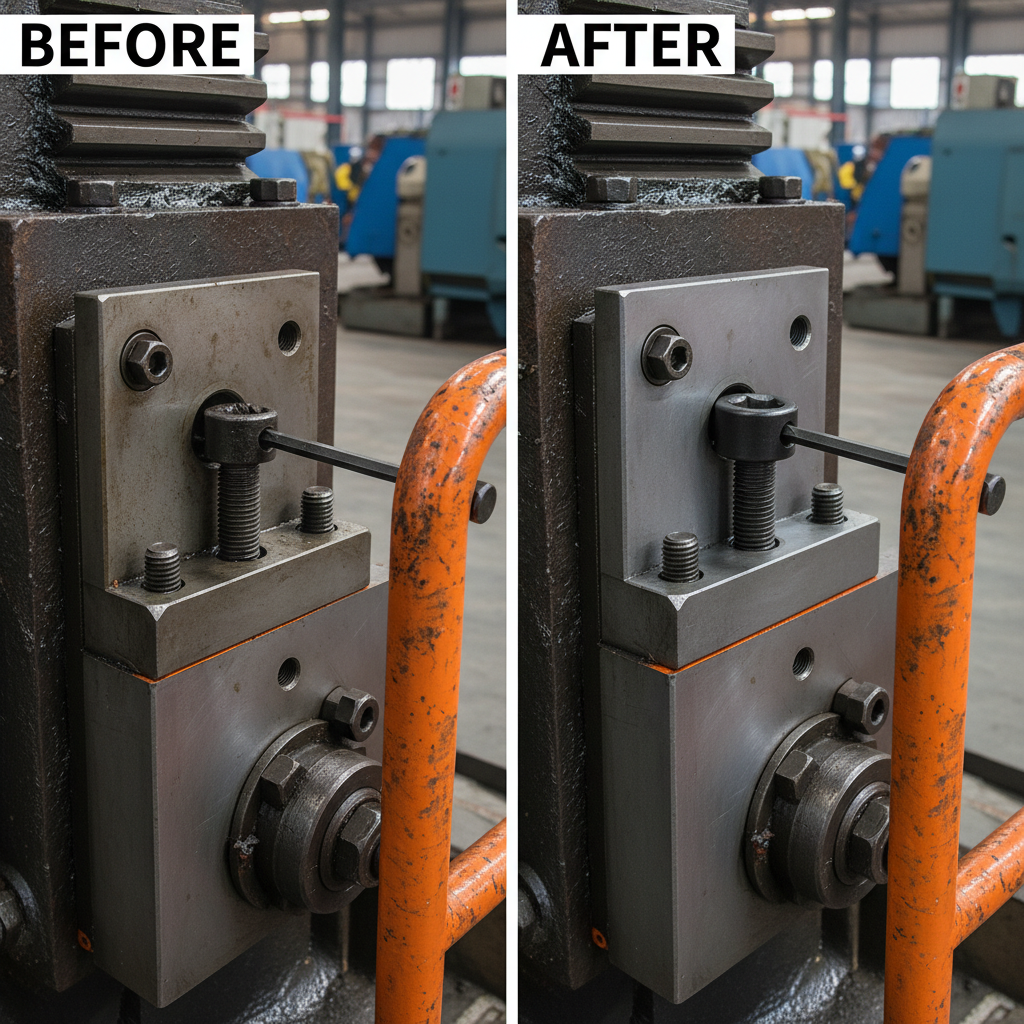
As illustrated in the performance metrics, focusing on a direct-to-factory model improves dimensional accuracy and thread consistency. This precision reduces the assembly time on the production line, which indirectly lowers the total cost of production despite the fixed unit price of the fastener.
5Procurement Strategies for Cost Optimization
To optimize the socket head cap screw price, companies should implement a "BOM Consolidation" strategy. By standardizing the sizes and grades of fasteners used across different product lines, buyers can increase order volumes for specific SKUs, unlocking deeper factory discounts.
Another effective approach is the use of Vendor Managed Inventory (VMI). By allowing a trusted manufacturer to manage stock levels based on real-time production data, companies can eliminate emergency air-freight costs and reduce the capital tied up in excess safety stock.
Finally, evaluating the total cost of quality (CoQ) is essential. A cheaper screw that has a 1% defect rate can cost a company thousands of dollars in rework. Investing in ISO 9001 certified suppliers ensures that the defect rate remains below 0.3%, providing better long-term value.
6Compliance Standards and Quality Assurance
Compliance with international standards like DIN, ISO, and ANSI is not just a technical requirement but a risk management tool. These standards dictate the exact dimensions and material properties, ensuring that a socket head cap screw purchased from one supplier will fit perfectly into a part designed by another.
Quality assurance begins with the raw material. Mill test certificates (MTC) provide evidence of the chemical composition and mechanical properties of the steel. Procurement teams should insist on these documents to avoid "sub-grade" materials that may look correct but fail under load.
Final batch testing, including salt spray tests for corrosion resistance and hardness testing via Rockwell or Vickers scales, provides the final layer of security. This rigorous process ensures that the socket head cap screw price paid corresponds to the actual quality received.
7Fastener Selection Guide for Global Buyers
Selecting the right fastener requires balancing the required mechanical properties against the budget. For low-stress applications, carbon steel Grade 4.8 or 8.8 is sufficient and cost-effective. For critical structural joints, Alloy Steel Grade 12.9 is mandatory.
The following table provides a comparative overview to help procurement officers determine which socket head cap screw specification best fits their specific application and budget constraints.
| Material/Grade | Primary Strength | Corrosion Resistance | Price Influence |
|---|---|---|---|
| Moderate | Low (needs plating) | Baseline / Low | |
| Very High | Low (needs plating) | Moderate / High | |
| Moderate | High | Moderate | |
| Moderate | Very High (Marine) | High | |
| Variable | High | Moderate | |
| Variable | Excellent / Low Friction | Highest |
Ultimately, the goal is to achieve a "fit-for-purpose" solution. Over-specifying a fastener (e.g., using SS316 where zinc-plated steel suffices) leads to unnecessary costs, while under-specifying leads to dangerous failures. A balanced approach based on technical data is the only way to truly optimize the socket head cap screw price.
Frequently Asked Questions
Conclusion
Optimizing the socket head cap screw price requires a strategic shift from seeking the lowest unit cost to analyzing the total value chain. By understanding the technical drivers of cost—such as material grade and coating—and bypassing unnecessary distribution layers, procurement teams can achieve significant savings without risking structural integrity.
For those seeking high-precision fasteners with factory-direct pricing, reviewing standardized specifications and compliance certifications is the first step toward a stable supply chain. Detailed product catalogs and technical support can be found at www.boenfasteners.com to help you make an informed selection.