-
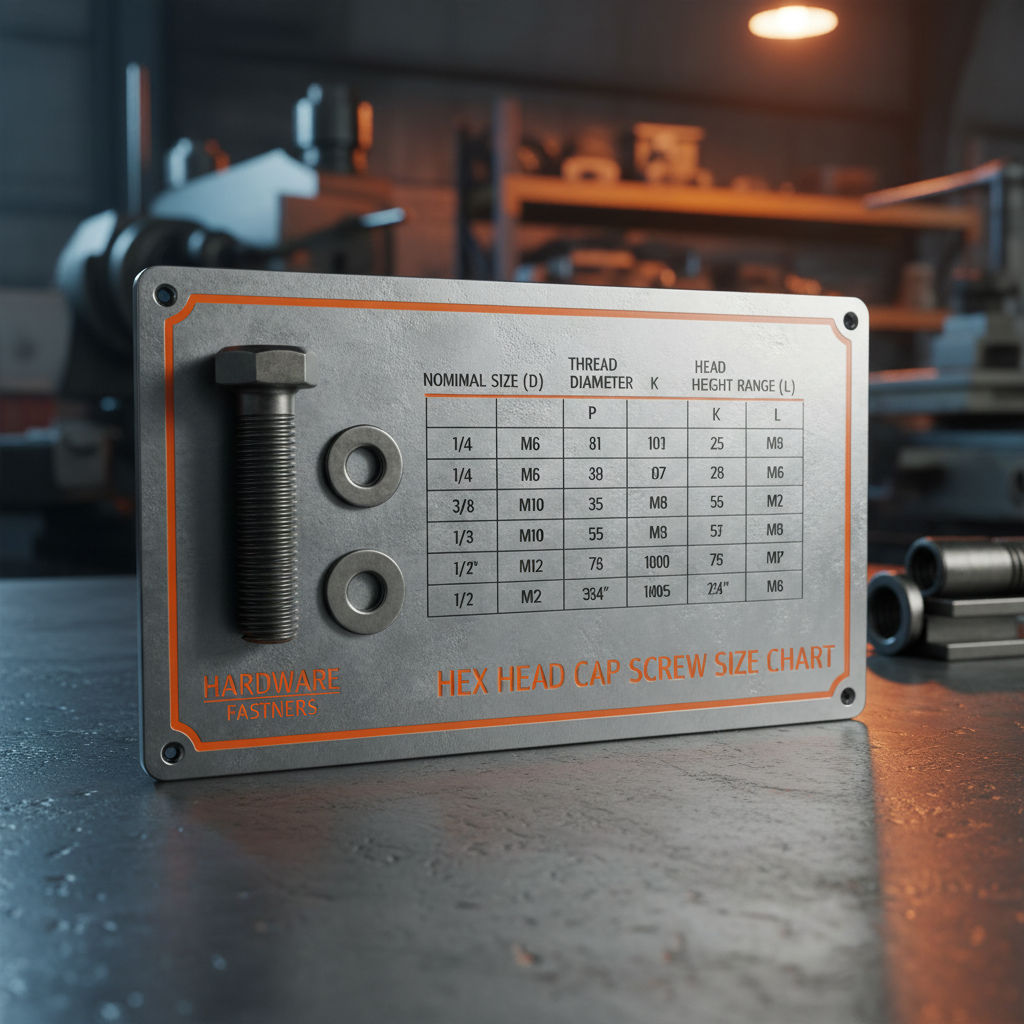
Ultimate Guide to Hex Head Cap Screw Size Chart for Engineers
For engineers, machinists, and DIY enthusiasts, selecting the precise fastener is critical to the structural integrity of any project. Understanding a hex head cap screw size chart is more than just a convenience; it is a necessity to ensure a secure fit and prevent mechanical failure. Whether you are working with metric or imperial standards, the dimensions of the head, thread pitch, and shank length must align perfectly with your application. In this comprehensive guide, we will break down everything you need to know about sizing, tolerances, and how to choose the right screw for your industrial needs.
-
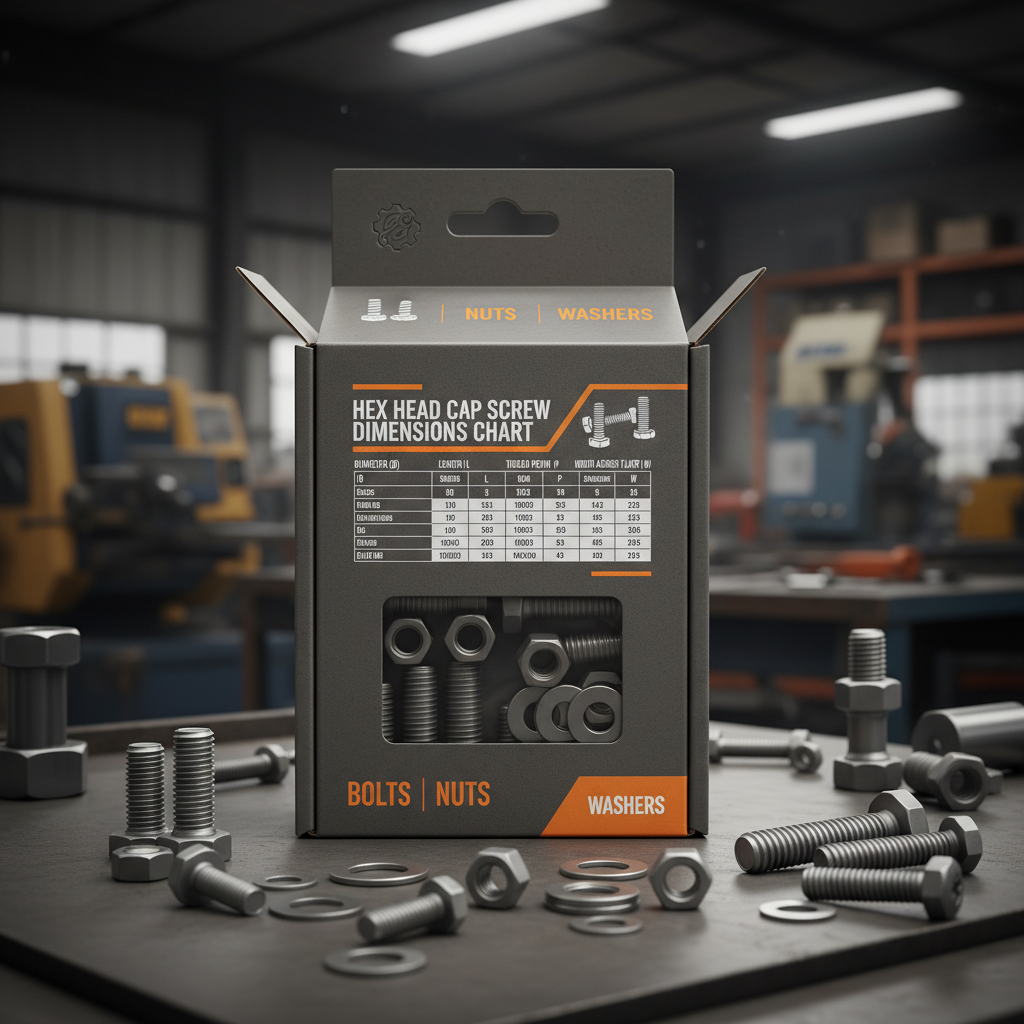
Complete Guide to Using a Hex Head Cap Screw Dimensions Chart
In the world of mechanical engineering and construction, precision is not just a preference—it is a requirement. Selecting the wrong fastener can lead to structural failure, stripped threads, or costly project delays. This is why referring to a professional hex head cap screw dimensions chart is essential for any technician or procurement manager. Whether you are dealing with metric or imperial standards, understanding the relationship between head size, thread pitch, and shank length ensures a secure fit and optimal load distribution. In this guide, we will break down everything you need to know about these versatile fasteners.
-
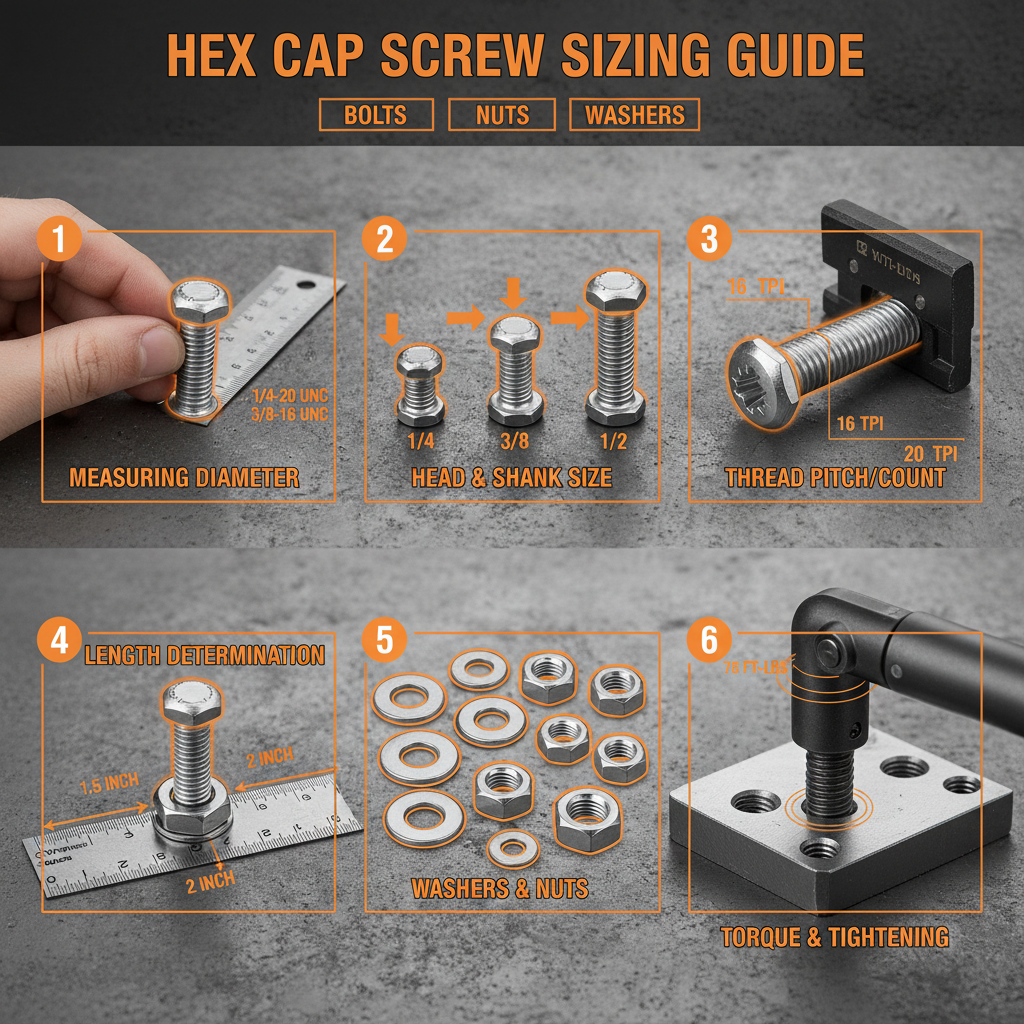
Comprehensive Guide to Hex Cap Screw Sizes Dimensions and Applications
When undertaking any construction, manufacturing, or assembly project, selecting the correct hex cap screws is crucial for structural integrity and safety. The term 'hex cap screw sizes' encompasses a variety of dimensions, materials, and thread types. This guide will provide a detailed overview of understanding these sizes, standards, and applications, helping you choose the right fasteners for your needs. Choosing the correct size ensures a secure and reliable connection, preventing costly failures and ensuring project success.
-
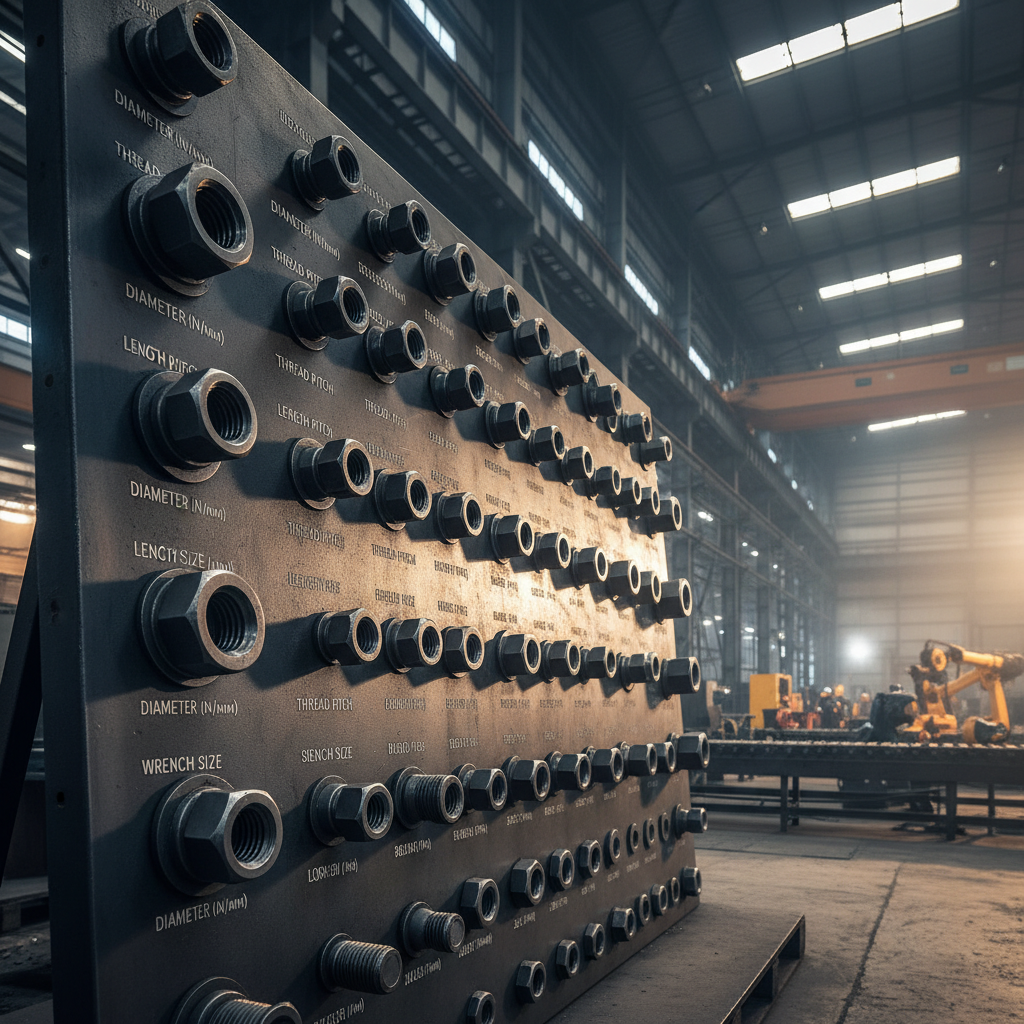
Comprehensive Hex Cap Screw Size Chart Guide for Accurate Fastener Selection
Navigating the world of fasteners can be complex, particularly when it comes to hex cap screws. Choosing the correct size is crucial for ensuring a secure and reliable assembly. This article provides a detailed hex cap screw size chart guide, covering key dimensions, standards, and factors to consider when selecting the right fastener for your application. Accurate sizing prevents issues like stripping, loosening, and ultimately, assembly failure. We'll explore everything from thread pitch to screw length to help you make informed decisions.
-
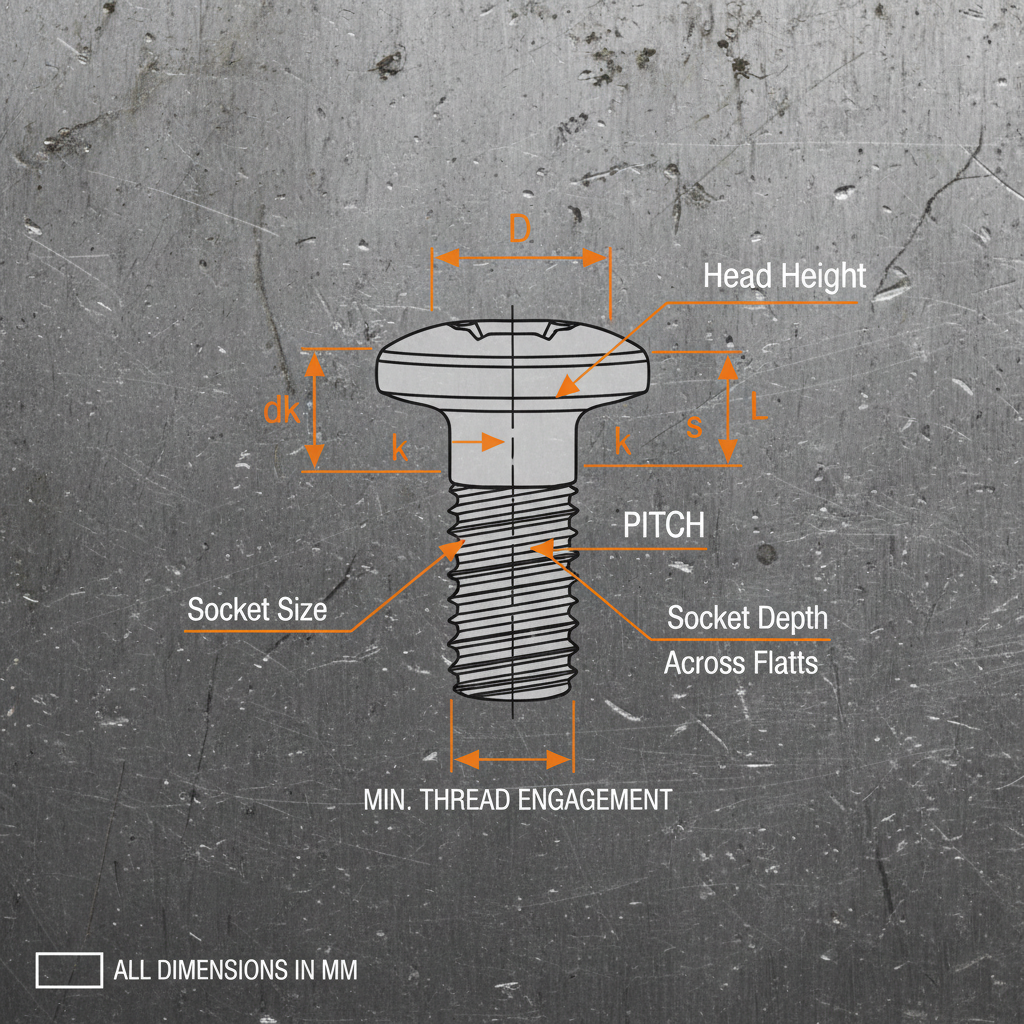
Comprehensive Guide to Flat Socket Cap Screw Dimensions and Selection
Flat socket cap screws are essential fasteners widely used in various industries, from automotive and aerospace to construction and machinery. Choosing the right screw requires a thorough understanding of its dimensions. These dimensions aren't just numbers; they dictate the screw's functionality, strength, and compatibility with other components. At Fastenboen, we specialize in providing high-quality fasteners, and this guide will delve into the crucial aspects of flat socket cap screw dimensions, ensuring you select the optimal screw for your application. This knowledge will empower you to make informed decisions, reducing risks and improving the efficiency of your projects.
-
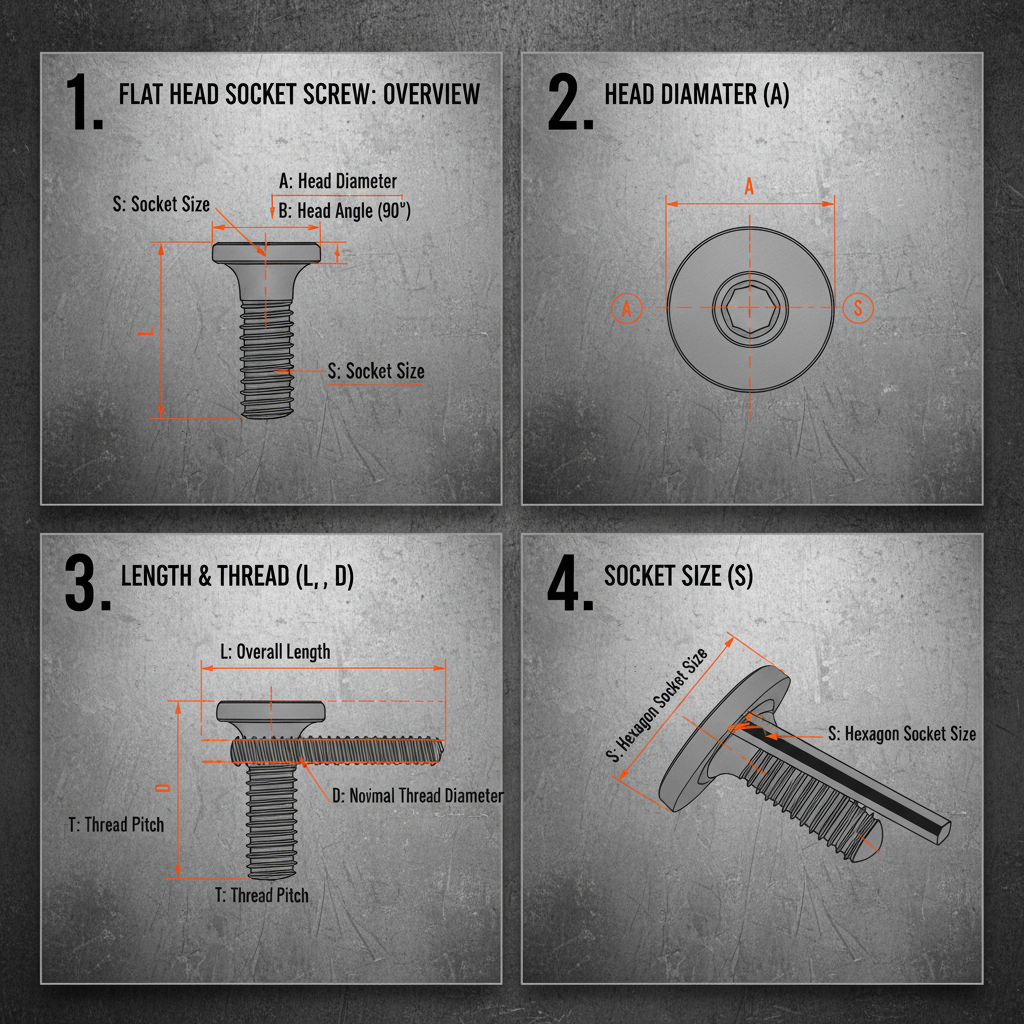
Comprehensive Guide to Flat Head Socket Screw Dimensions and Applications
When working with fasteners, precision is key. Knowing the correct flat head socket screw dimensions is crucial for ensuring a secure and reliable assembly. This article provides a comprehensive guide to these dimensions, covering standard sizes, features, and applications. We'll delve into the specifics, helping you choose the right screws for your projects. Understanding these details can significantly improve the quality and longevity of your work.
-
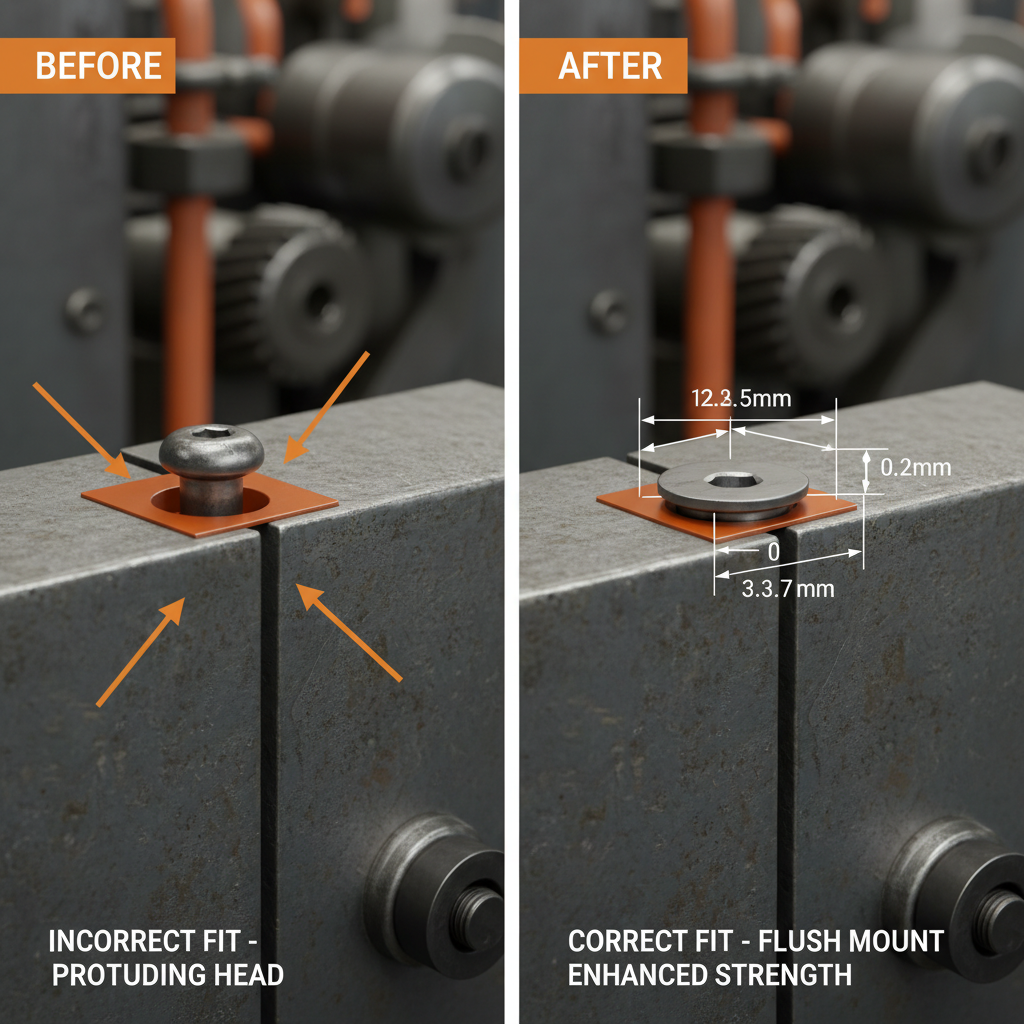
Comprehensive Guide to Flat Head Socket Head Cap Screw Dimensions and Specifications
When selecting fasteners for assembly, precision is paramount. Choosing the correct flat head socket head cap screws relies heavily on understanding their dimensional specifications. This article will comprehensively explore the various dimensions associated with these screws, ensuring you can make informed decisions for your projects. Accurate knowledge of these dimensions is crucial for ensuring proper fit, load bearing capacity, and overall assembly integrity. We'll cover everything from head height to thread length, providing a detailed guide for engineers, designers, and procurement professionals. Flat head socket head cap screws, commonly used for applications requiring a flush or low-profile finish, possess several critical dimensions. These include the diameter (D), thread pitch (P), length (L), head diameter (DK), head height (K), and the socket drive size (DS). Understanding how these dimensions interact is crucial for selecting the right screw for a given application.
-
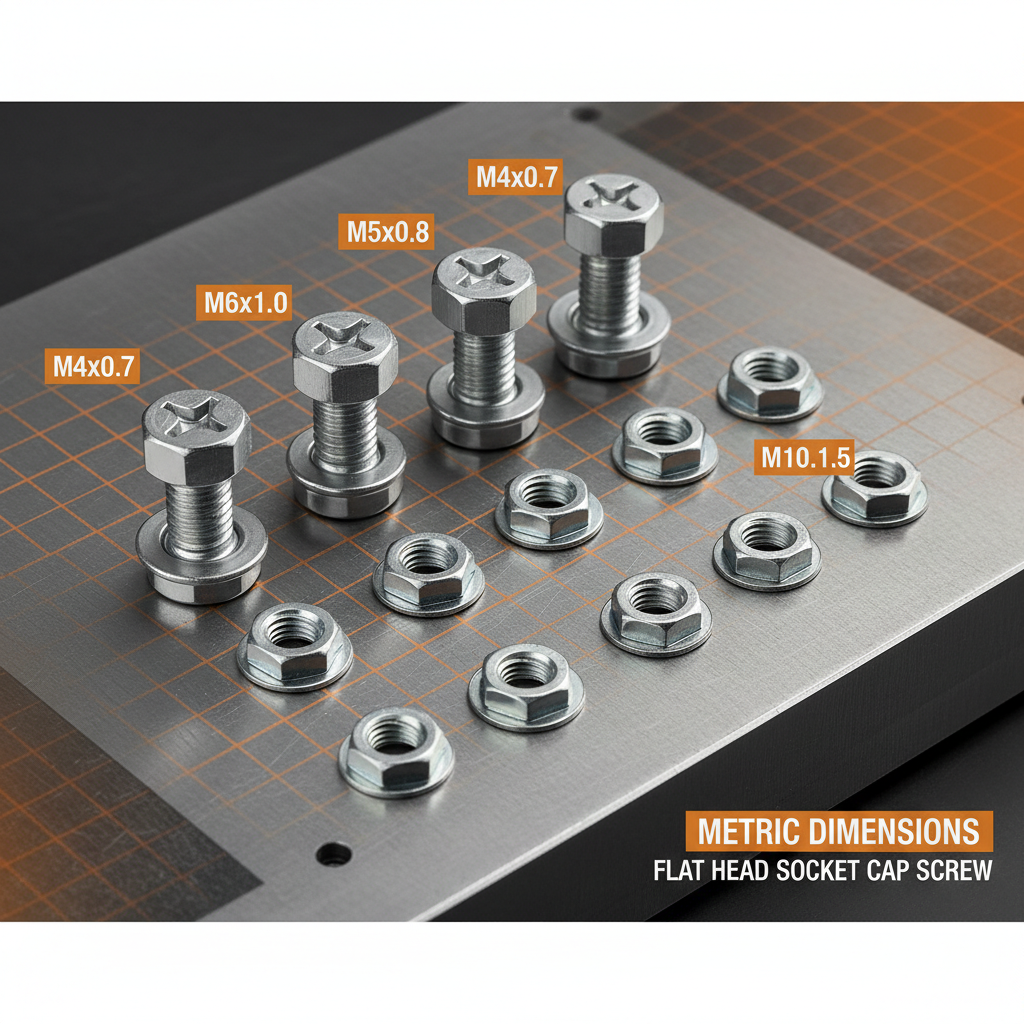
Comprehensive Guide to Flat Head Socket Cap Screw Dimensions Metric and Selection
When sourcing fasteners for precision engineering, manufacturing, or assembly, understanding flat head socket cap screw dimensions metric is crucial. These screws offer a clean, flush finish and are commonly used in applications where aesthetics and functionality are equally important. This article provides a comprehensive guide to metric flat head socket cap screw dimensions, standards, materials, and best practices for selection. Accurate dimension knowledge ensures compatibility, optimal performance, and a secure, reliable fastening solution. Metric flat head socket cap screws are defined by several key dimensions. These include the diameter (d), the pitch (p), the head diameter (dk), and the head height (k). Understanding these dimensions is essential for selecting the correct screw for a specific application. The diameter refers to the screw's body width. Pitch indicates the distance between threads. The head diameter impacts the surface area covered, while the head height determines how flush the screw will sit. Selecting the right combination is critical for structural integrity and a professional finish.
-
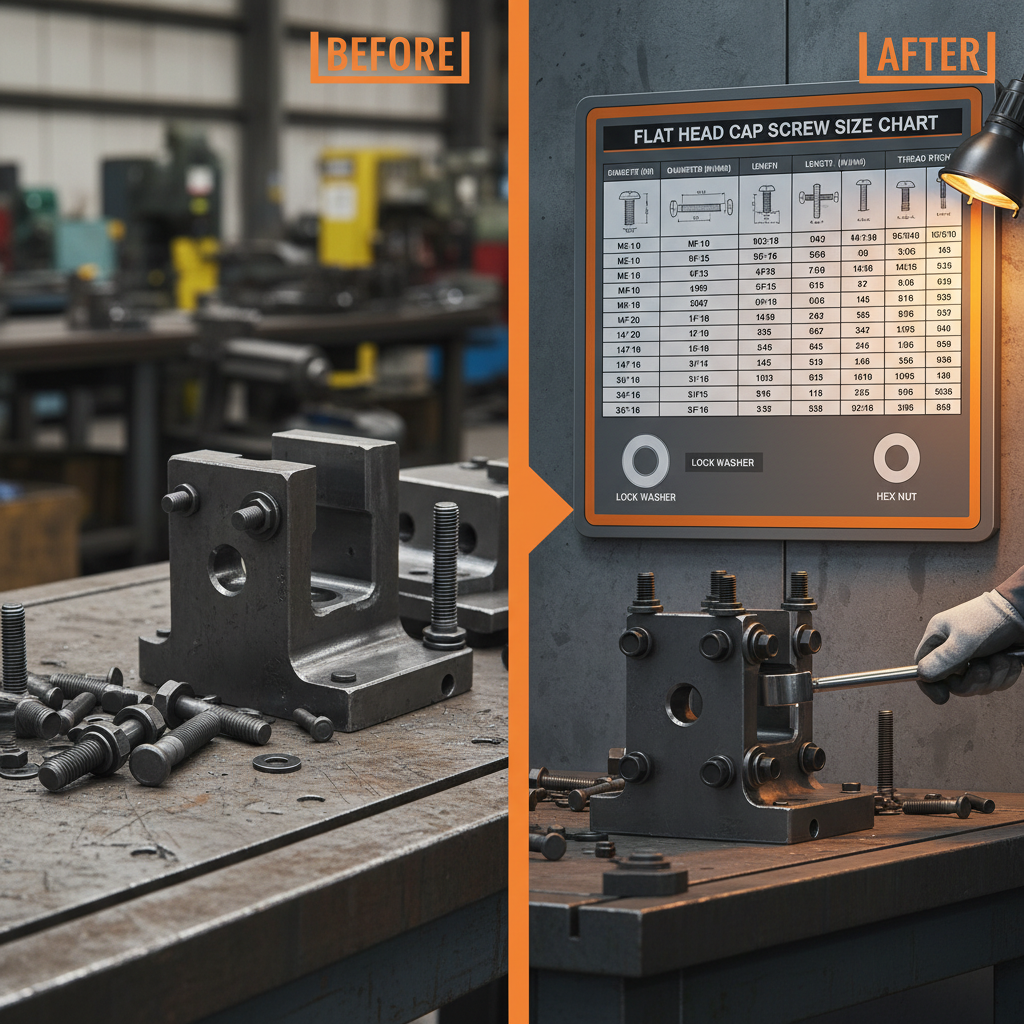
Detailed Flat Head Cap Screw Size Chart Guide for Optimal Fastening
Understanding flat head cap screw size charts is crucial for successful projects requiring strong, flush-mounted fasteners. These screws are commonly used in woodworking, machinery assembly, and various manufacturing applications. Selecting the correct size ensures optimal performance, prevents damage to materials, and guarantees a secure hold. This guide will provide a detailed overview of flat head cap screw sizes, standards, and considerations for choosing the right screw for your specific needs. Proper screw selection minimizes the risk of stripping, ensures a clean finish, and enhances overall project quality. Flat head cap screws are characterized by a low-profile head that sits flush with the surface of the material when properly installed. The key dimensions to understand when consulting a flat head cap screw size chart include diameter, length, and thread pitch. The diameter refers to the screw's width, usually measured in inches or millimeters. Length is the distance from under the head to the tip of the screw. Thread pitch indicates the number of threads per inch or millimeter, influencing the screw's holding power and how tightly it can be fastened.
-

Comprehensive Guide to Flat Head Cap Screw Dimensions Chart and Selection
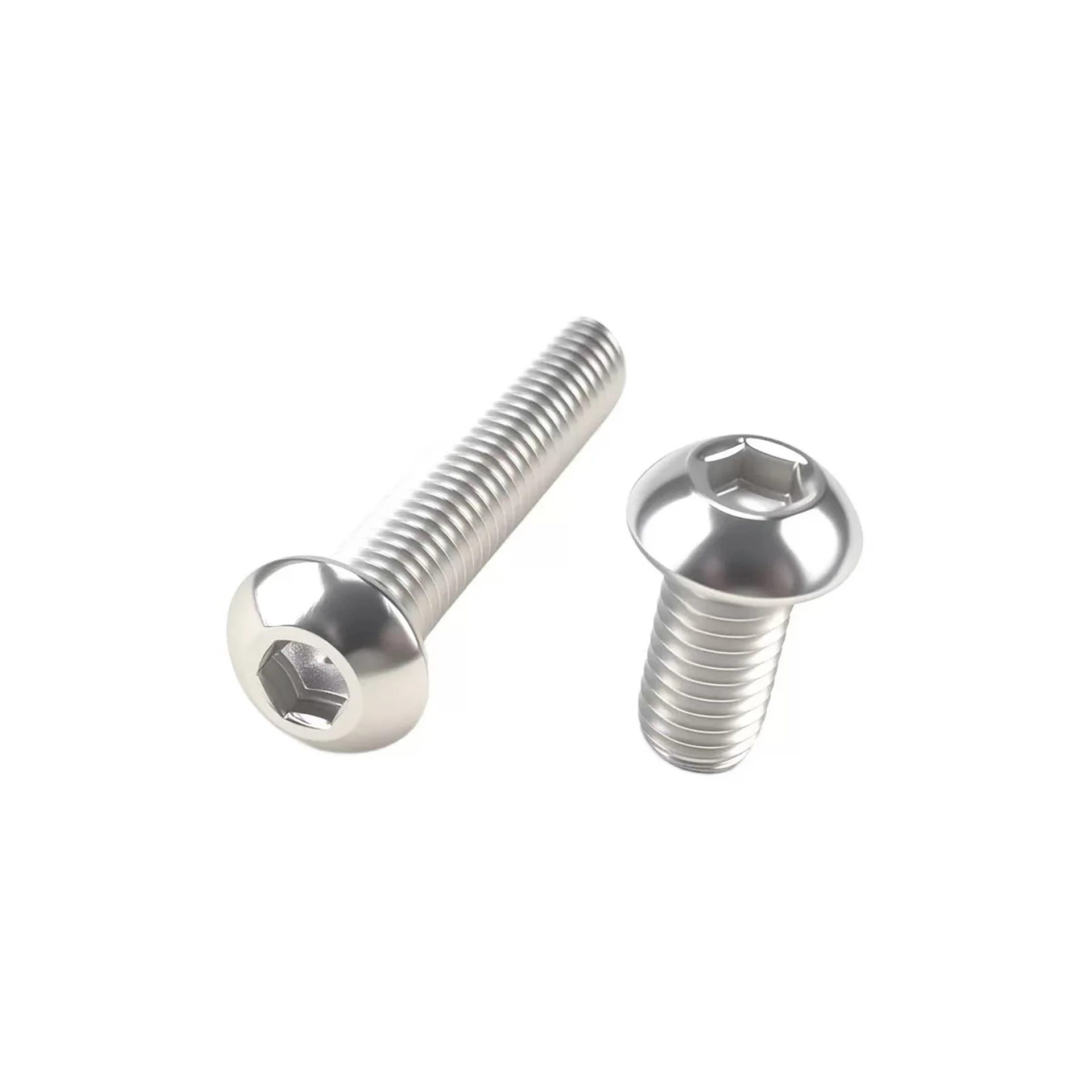
When sourcing fasteners for assembly, knowing the correct flat head cap screw dimensions is critical for a secure and aesthetically pleasing result. A flat head cap screw, also known as a button head screw, is commonly used for applications requiring a low profile and flush finish. This article provides a comprehensive guide to understanding these dimensions, covering standard sizes, thread specifications, and important considerations for selecting the right screw for your project. Accurate dimensions ensure proper fit, prevent damage to materials, and maintain structural integrity. We will also delve into industry standards and resources available at Fastenboen for your fastener needs. Several key dimensions define a flat head cap screw. These include the diameter (D), length (L), head diameter (K), head height (H), and thread pitch. Understanding these dimensions is essential for ensuring compatibility with the receiving components. The diameter refers to the screw's body width, while the length measures from under the head to the tip. The head diameter determines the space the screw head will occupy, and the head height influences the overall profile. Thread pitch, measured in threads per inch (TPI) or millimeters (mm), dictates how tightly the screw will grip.
-
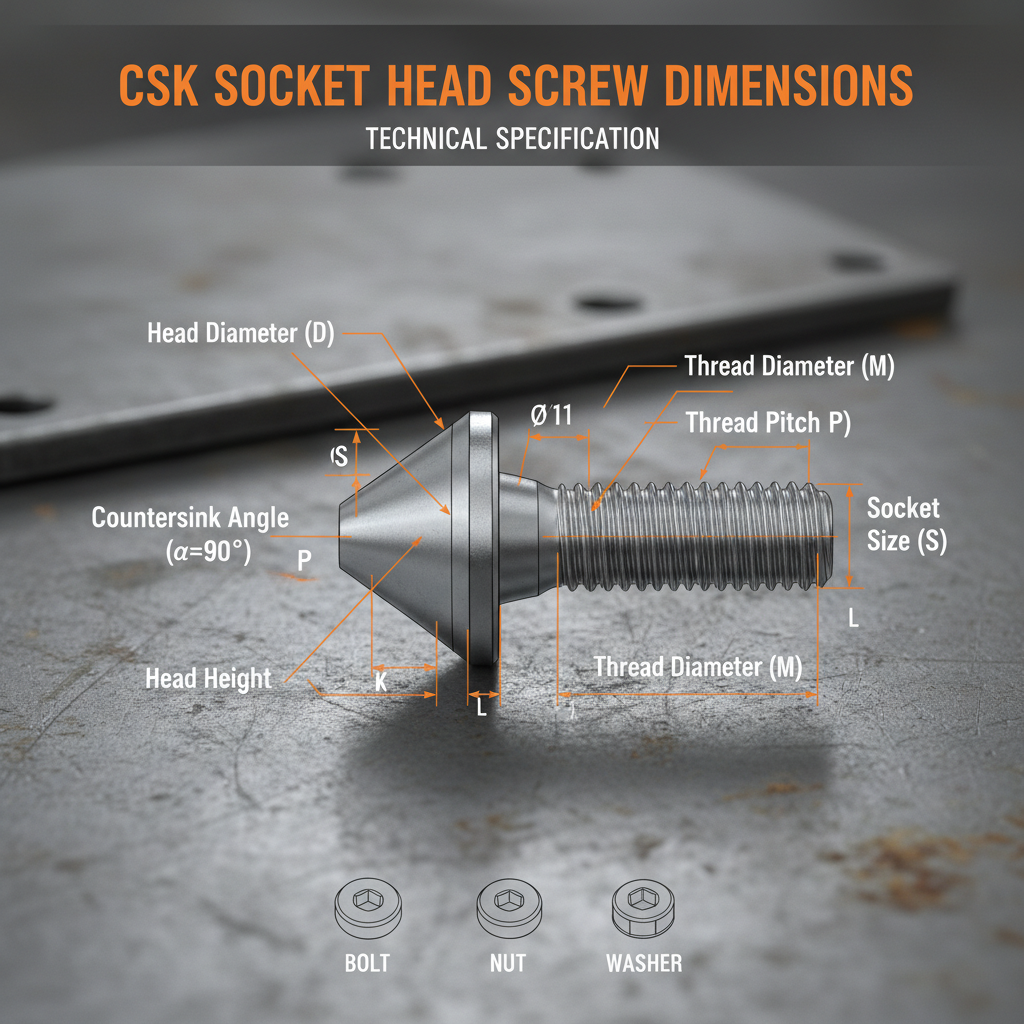
Comprehensive Guide to CSK Socket Head Screw Dimensions and Applications
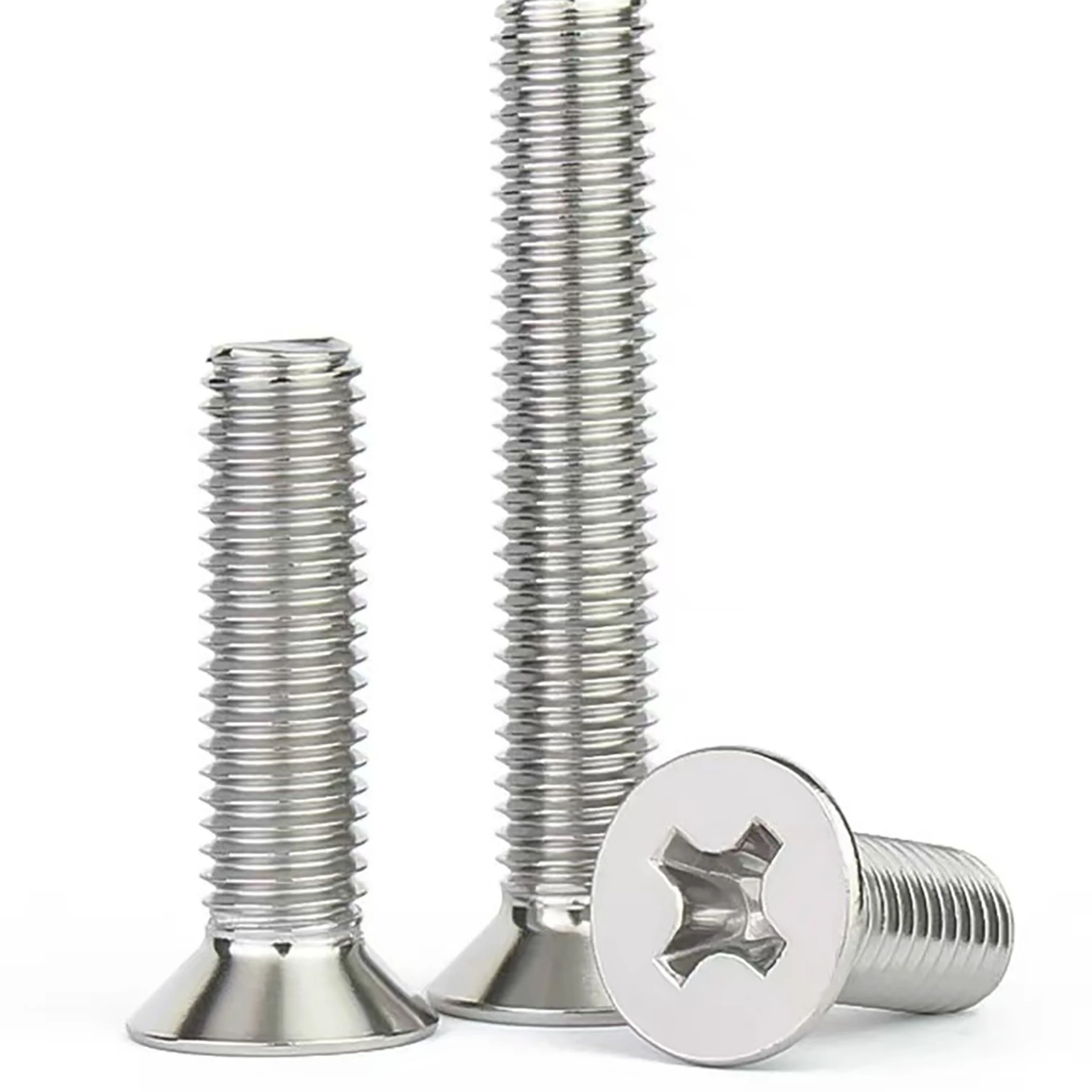
CSK (Countersunk) socket head screws are commonly used in applications where a flush or recessed finish is required. Their unique head design allows them to sit flush with the mounting surface, providing a clean and aesthetically pleasing appearance. Accurate CSK socket head screw dimensions are crucial for ensuring proper functionality and a secure fit. This article will provide a comprehensive overview of these dimensions, covering key factors to consider when selecting the right screw for your project. We'll delve into the specifications, standards, and practical applications to help you make informed decisions. Several key dimensions define a CSK socket head screw. Understanding these measurements is critical for ensuring compatibility with your application. The primary dimensions include the diameter (D), length (L), head diameter (DK), and countersink angle (α). Diameter refers to the major diameter of the screw thread. Length is measured from the underside of the head to the tip of the screw. The head diameter determines the size of the countersunk area. Finally, the countersink angle dictates the taper of the head, typically 90 degrees, but variations exist.
-
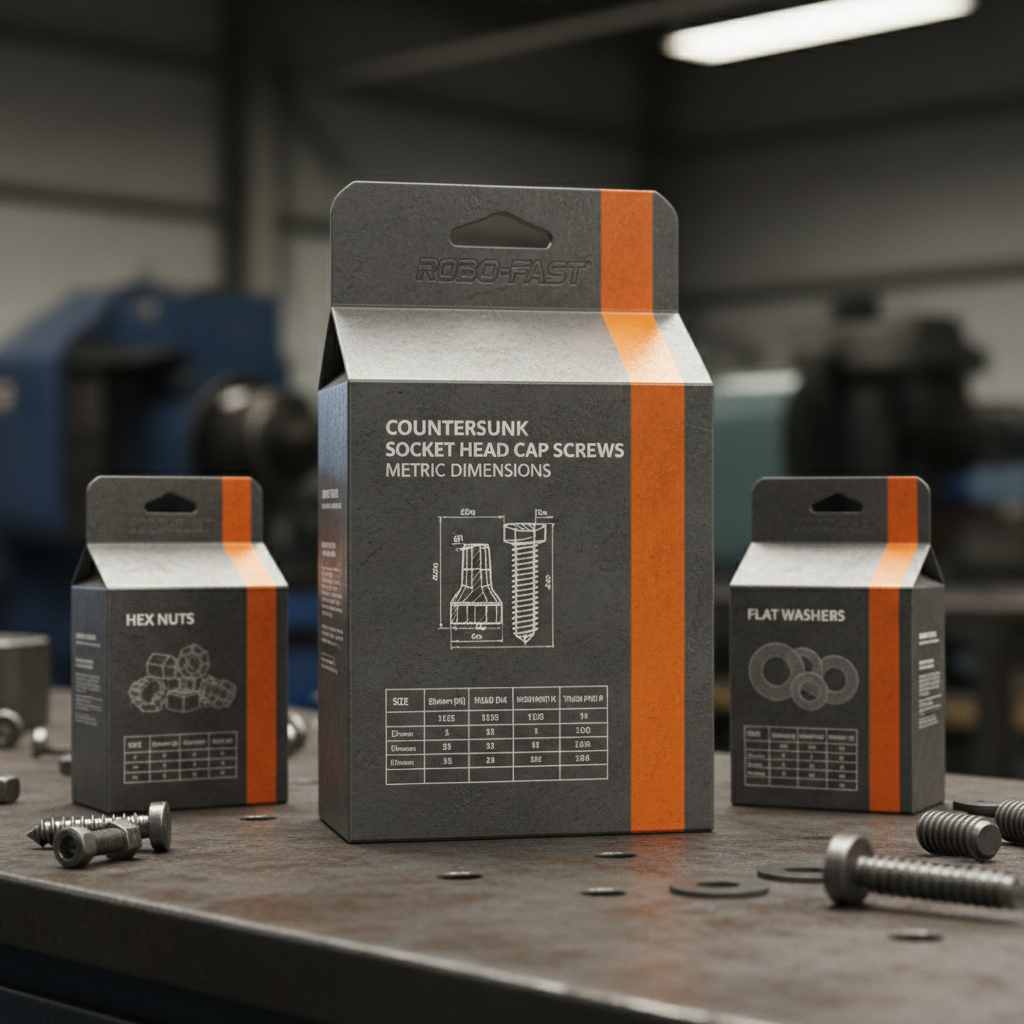
Comprehensive Guide to Countersunk Socket Head Cap Screw Dimensions Metric
When working with mechanical assemblies, selecting the correct fasteners is crucial for structural integrity and performance. Countersunk socket head cap screws offer a sleek, low-profile finish and are widely used in various industries. This article will provide a comprehensive overview of countersunk socket head cap screw dimensions metric, covering standards, key measurements, and considerations for choosing the right screw for your application. Accurate understanding of these dimensions is essential for successful assembly and preventing issues related to fit, load-bearing capacity, and overall system reliability. Countersunk socket head cap screws, also known as flat head cap screws, are characterized by their conical head which allows the screw to sit flush with the mating surface. The socket head utilizes a hexagonal recess, requiring a hex key (Allen wrench) for installation and removal. These screws are typically manufactured from stainless steel, carbon steel, or alloy steel and are available in a variety of finishes to suit different environments.
Who We Are: The Right Fastener Partner for Global SMEs
Handan Boen Fastener Manufacturing Co., Ltd. (Est. 2010) specializes in producing standardized industrial fasteners, including bolts, nuts, washers, and other essential components. We provide cost-effective for small and medium-sized buyers in industries such as automotive parts, agricultural machinery, and construction.