Ultimate Guide to Hex Head Cap Screw Size Chart for Engineers
The Ultimate Guide to Hex Head Cap Screw Size Chart
For engineers, machinists, and DIY enthusiasts, selecting the precise fastener is critical to the structural integrity of any project. Understanding a hex head cap screw size chart is more than just a convenience; it is a necessity to ensure a secure fit and prevent mechanical failure. Whether you are working with metric or imperial standards, the dimensions of the head, thread pitch, and shank length must align perfectly with your application. In this comprehensive guide, we will break down everything you need to know about sizing, tolerances, and how to choose the right screw for your industrial needs.
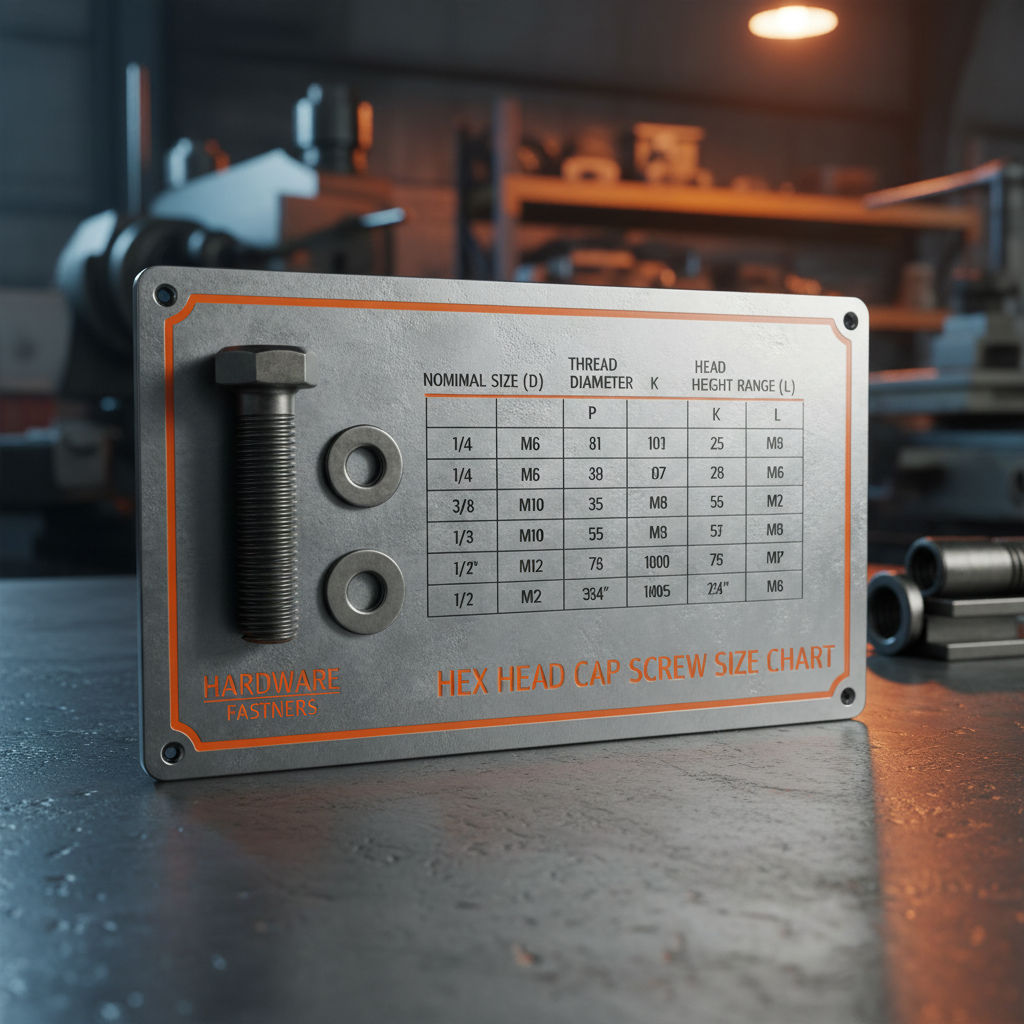
Understanding Key Dimensions in a Hex Head Cap Screw Size Chart
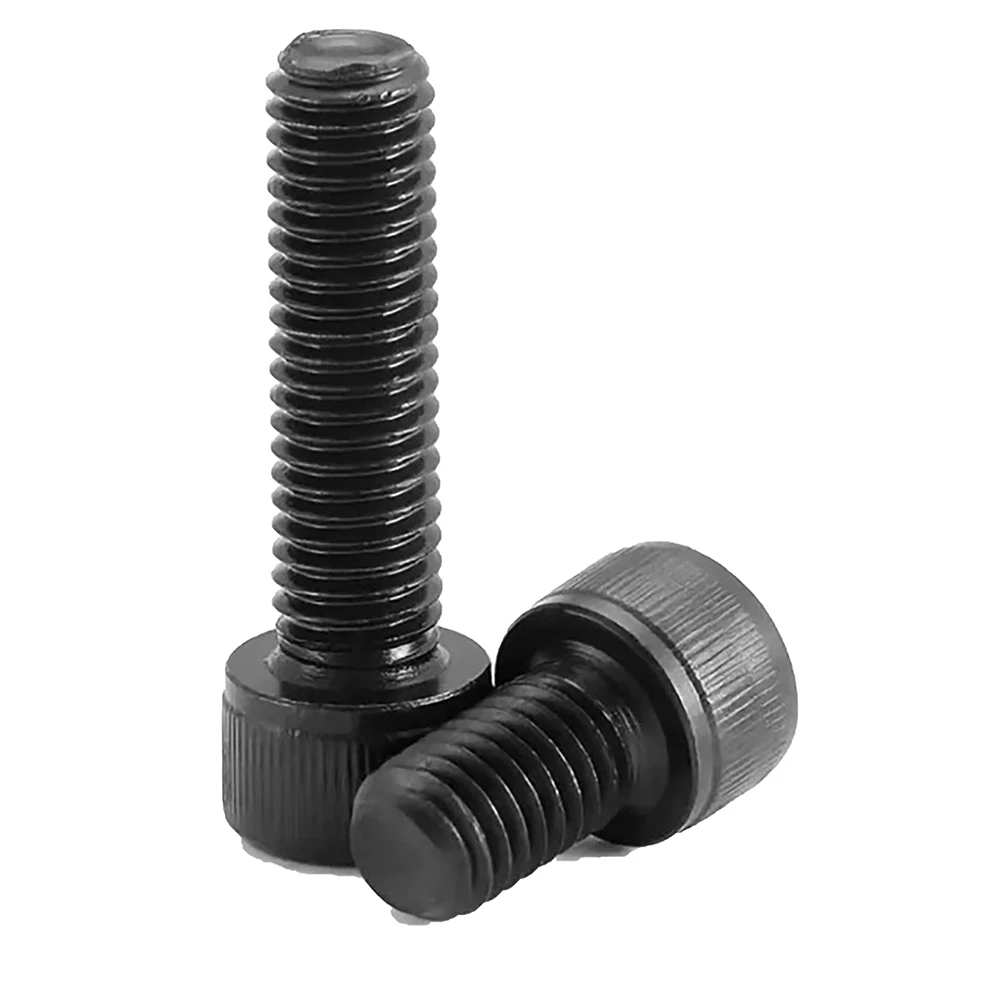
Before diving into the numbers, it is essential to understand what these measurements represent. A hex head cap screw is characterized by its six-sided head, which allows for high torque application using a wrench or socket. When referencing a hex head cap screw size chart, you will typically encounter three primary measurements: the nominal diameter (the thickness of the threaded shaft), the thread pitch (the distance between threads), and the head size (the width across the flats of the hexagon).
Pro Tip: Always measure the "grip length" (the unthreaded portion of the screw) if you are replacing a fastener in a blind hole to avoid bottoming out the screw before the head makes contact.
Metric vs. Imperial: Navigating the Size Chart
The global market uses two primary sizing standards: Metric (ISO) and Imperial (UNC/UNF). Metric screws are denoted by an "M" followed by the diameter in millimeters (e.g., M8), whereas Imperial screws are categorized by fractions of an inch (e.g., 5/16"). Using the wrong standard can lead to stripped threads or catastrophic joint failure. A professional hex head cap screw size chart helps users quickly convert and identify the correct tool size needed for installation.
Detailed Hex Head Cap Screw Size Chart for Metric Fasteners
To simplify your procurement process, we have compiled a standard reference table for the most common metric sizes. These dimensions are critical for ensuring that the socket wrench you select matches the bolt head exactly, preventing rounding of the corners. Refer to the following hex head cap screw size chart for quick reference:
Material Selection Based on Size and Load
While the hex head cap screw size chart tells you the physical dimensions, the material determines the screw's strength. For heavy-duty industrial applications, Grade 8 or Class 10.9 alloy steel is preferred due to its high tensile strength. For corrosive environments, stainless steel (304 or 316) is the gold standard. It is important to remember that as the size of the screw increases, the load-bearing capacity increases exponentially, but so does the risk of stress concentration if the wrong grade is used.
Material Quick-Guide:
• Carbon Steel: Cost-effective, used in general assembly.
• Alloy Steel: High strength, used in automotive and machinery.
• Stainless Steel: Superior corrosion resistance, used in marine and food industries.
Common Mistakes When Using a Hex Head Cap Screw Size Chart
Even experienced professionals can make errors when interpreting a hex head cap screw size chart. One of the most common mistakes is confusing the nominal diameter with the head size. For instance, an M8 bolt does not have an 8mm head; it has an 8mm shaft and typically requires a 13mm wrench. Another common error is ignoring the difference between Coarse and Fine threads. Fine threads offer better vibration resistance and finer adjustment, but they are easier to strip if forced into a coarse-threaded hole.
Conclusion: Precision Starts with the Right Chart
Selecting the right fastener is the foundation of mechanical safety. By utilizing a professional hex head cap screw size chart, you eliminate guesswork and ensure that every joint in your assembly is secure and durable. From choosing the correct metric or imperial standard to selecting the appropriate material grade, attention to detail prevents costly errors and downtime. For high-quality fasteners that meet these exacting standards, trust the expertise of Fastenboen to supply your industrial needs.
Frequently Asked Questions (FAQs)
How do I read a hex head cap screw size chart correctly?
To read the chart correctly, first identify your standard (Metric or Imperial). Find the "Nominal Diameter" which corresponds to the size of the screw shaft. Then, look across the row to find the "Wrench Size" or "Socket Size," which tells you the exact tool needed to turn the bolt head. Finally, check the "Thread Pitch" to ensure it matches the mating nut or tapped hole. Always remember that the nominal size (e.g., M10) refers to the diameter, not the size of the hexagonal head.
What is the difference between a cap screw and a bolt?
While often used interchangeably, there is a technical difference. A cap screw is generally designed to be threaded into a pre-tapped hole in a part, whereas a bolt is typically used with a nut to clamp two parts together. Cap screws usually have a higher precision and tighter tolerance. When using a hex head cap screw size chart, you will find that the dimensions apply to both, but the application method differs based on whether you are using a nut or a tapped hole.
Can I use a metric socket on an imperial hex screw?
It is highly discouraged to use metric sockets on imperial screws or vice versa. Even if the socket feels like it fits, there is often a small gap (clearance) that can lead to the tool slipping. This frequently results in "rounding" the head of the screw, making it nearly impossible to remove without specialized extraction tools. Always refer to the specific size chart for your fastener to ensure you are using the exact tool specified for that standard.
How do I determine the correct length for a cap screw?
The length of a hex head cap screw is measured from under the head to the very end of the screw. It does not include the thickness of the head itself. To determine the correct length, measure the thickness of the materials you are joining and add the thickness of the washer (if used) and the required thread engagement (typically 1 to 1.5 times the diameter of the screw for tapped holes). Using a size chart helps you identify the standard lengths available for that specific diameter.
Who We Are: The Right Fastener Partner for Global SMEs
Handan Boen Fastener Manufacturing Co., Ltd. (Est. 2010) specializes in producing standardized industrial fasteners, including bolts, nuts, washers, and other essential components. We provide cost-effective for small and medium-sized buyers in industries such as automotive parts, agricultural machinery, and construction.