Complete Guide to Using a Hex Head Cap Screw Dimensions Chart
Mastering Your Project with a Hex Head Cap Screw Dimensions Chart
In the world of mechanical engineering and construction, precision is not just a preference—it is a requirement. Selecting the wrong fastener can lead to structural failure, stripped threads, or costly project delays. This is why referring to a professional hex head cap screw dimensions chart is essential for any technician or procurement manager. Whether you are dealing with metric or imperial standards, understanding the relationship between head size, thread pitch, and shank length ensures a secure fit and optimal load distribution. In this guide, we will break down everything you need to know about these versatile fasteners to ensure your assembly is safe and durable.
Understanding the Anatomy of Hex Cap Screws
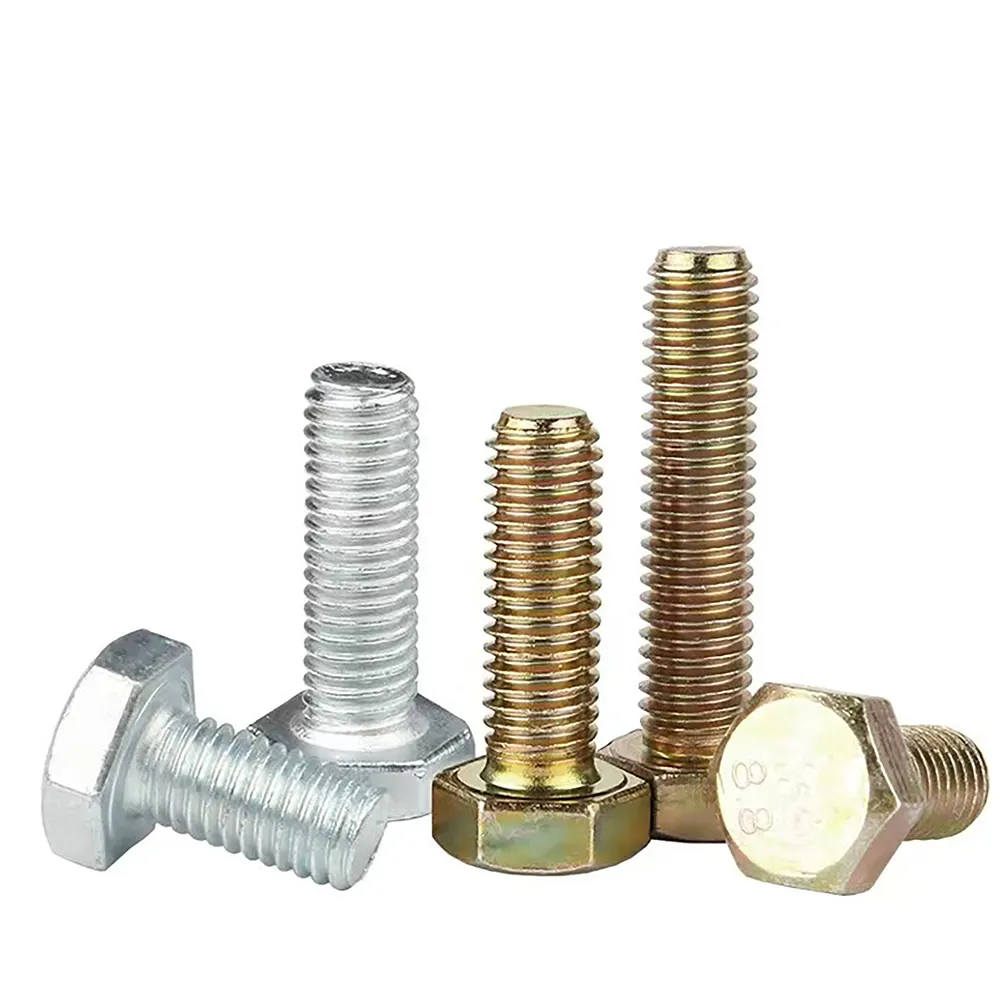
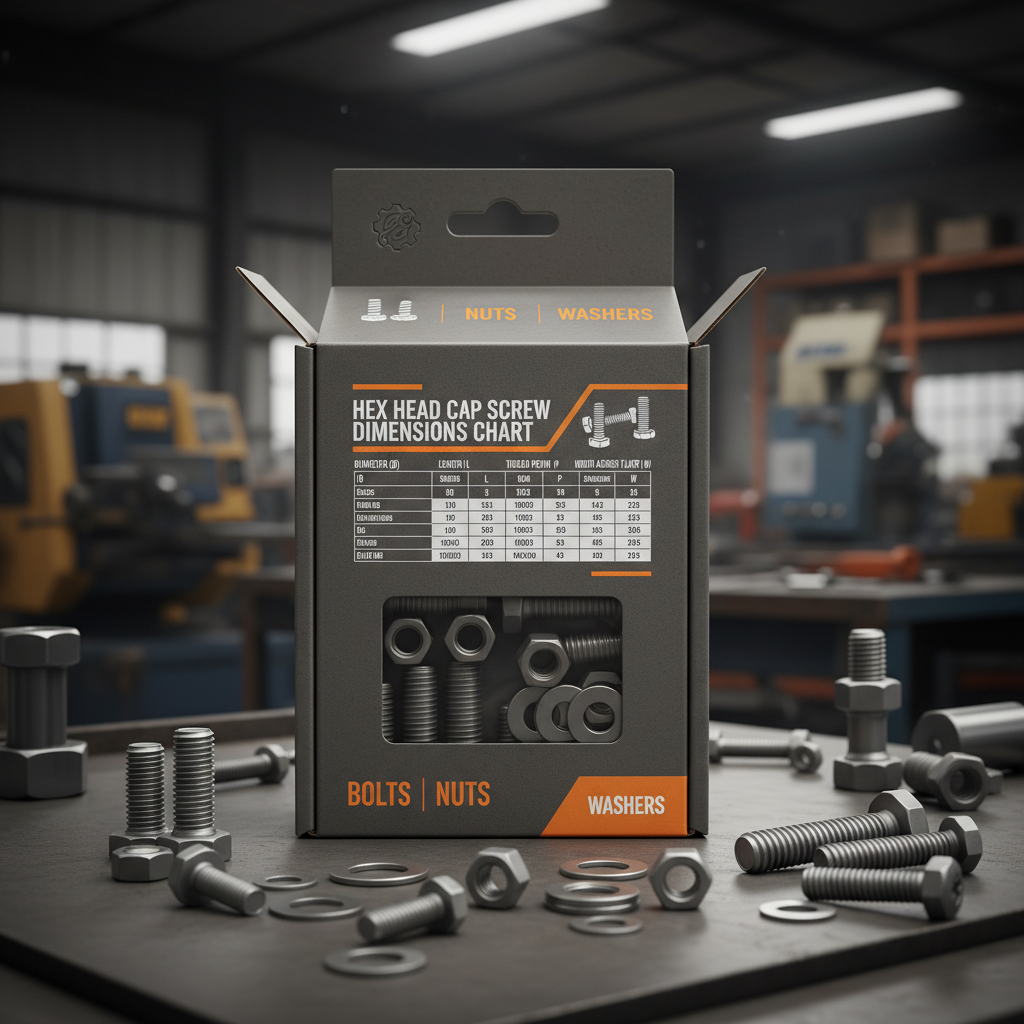
A hex head cap screw is characterized by its six-sided hexagonal head, which allows for high torque application using a wrench or socket. Unlike standard bolts, cap screws are typically manufactured to tighter tolerances and are designed to be used with a nut or threaded into a tapped hole. The key components include the nominal diameter (the width of the threaded shaft), the head height, and the width across flats (the distance between opposite parallel sides of the hex head). When consulting a hex head cap screw dimensions chart, it is vital to distinguish between the overall length and the thread length, especially for partially threaded screws.
How to Read a Hex Head Cap Screw Dimensions Chart
Reading a dimension chart may seem daunting at first, but it follows a logical pattern. Most charts are divided by thread standard (e.g., UNC, UNF, or Metric). The Nominal Size tells you the diameter of the screw. The Pitch indicates the distance between threads, which determines how the screw engages with the mating part. For those using imperial measurements, the "Course" (UNC) threads are standard for general assembly, while "Fine" (UNF) threads are preferred for high-vibration environments. By using a reliable hex head cap screw dimensions chart, you can quickly identify the exact wrench size needed for installation, preventing the rounding of bolt heads.
Pro Tip: Always verify if the length measurement includes the head. For hex head cap screws, the length is typically measured from under the head to the tip of the screw.
Metric vs. Imperial: Comparing Hex Head Cap Screw Dimensions
One of the most common mistakes in procurement is confusing Metric (mm) and Imperial (inches) sizes. While they may look similar to the naked eye, they are not interchangeable. A Metric M8 screw will not fit a 5/16" hole securely. The following comparison, derived from a standard hex head cap screw dimensions chart, highlights the differences in how these systems are categorized and their common applications.
Selecting Materials Based on the Dimensions Chart
While a hex head cap screw dimensions chart provides the physical size, the material choice determines the screw's strength and corrosion resistance. Grade 8 steel is often used for high-strength automotive and industrial applications, while Stainless Steel (304 or 316) is preferred for marine or food-grade environments. It is important to note that some materials may have slight variations in tolerances. When matching a screw to a specific dimension chart, always confirm the material grade to ensure the fastener can handle the calculated shear and tensile loads of your specific project.
Standard Specifications for Common Hex Cap Screws
To provide a practical example of how to use a hex head cap screw dimensions chart, let's look at some of the most frequently used metric sizes. These specifications include the nominal diameter, the thread pitch, and the recommended wrench (head) size. Following these standards prevents the use of oversized fasteners that could compromise the integrity of the surrounding material or undersized ones that would lack the necessary clamping force.
Common Applications for Hex Cap Screws
Because of their strength and the ease with which they can be tightened, hex head cap screws are used across nearly every heavy industry. In automotive manufacturing, they secure engine components and chassis elements. In industrial machinery, they are used for assembling frames and mounting heavy motors. The reliability of these fasteners is only as good as the planning behind them. By cross-referencing your project blueprints with a hex head cap screw dimensions chart, you ensure that the fastener chosen provides the correct clamping force and fits within the spatial constraints of the machine design.
Conclusion: Precision Matters in Fastening
Selecting the right fastener is a critical step in ensuring the safety and longevity of any mechanical assembly. A hex head cap screw dimensions chart is more than just a reference—it is a tool for quality control. By understanding the nuances of diameter, pitch, and head dimensions, you can avoid costly errors and build structures that stand the test of time. For high-quality, precision-engineered fasteners, always trust a supplier that adheres to international dimensional standards.
Frequently Asked Questions (FAQs)
How do I determine the correct length from a dimensions chart?
For hex head cap screws, the length is measured from the base of the head to the end of the screw. When looking at a dimensions chart, ensure you are not including the head height in your total length calculation. If the screw is fully threaded, the length is simple; however, for partially threaded screws, you must consider the "grip length" (the unthreaded portion) to ensure the screw engages the tapped hole or nut correctly without bottoming out.
What is the difference between a cap screw and a bolt?
While the terms are often used interchangeably, a cap screw is typically designed to be threaded into a pre-tapped hole in a component, whereas a bolt is usually intended to pass through a hole and be secured with a nut on the other side. Cap screws are generally manufactured to higher precision standards. Using a hex head cap screw dimensions chart allows you to see the specific tolerances required for these high-precision fits.
Why is "Width Across Flats" important in the dimensions chart?
"Width Across Flats" refers to the size of the hexagonal head. This measurement is critical because it determines exactly which wrench or socket size is required to tighten or loosen the fastener. If you use a tool that is slightly too large, you risk "rounding" the corners of the head, making the screw nearly impossible to remove. Always verify this dimension on the chart to ensure you have the correct tooling on hand before starting your assembly.
Can I use a Metric screw in an Imperial threaded hole?
No, you should never attempt to force a Metric screw into an Imperial hole or vice versa. Even if the nominal diameters seem close (such as M8 and 5/16"), the thread pitches are different. Forcing them together will destroy the threads of both the screw and the hole, leading to a failed connection. Always use a hex head cap screw dimensions chart to confirm the thread standard of your hardware before installation.
Who We Are: The Right Fastener Partner for Global SMEs
Handan Boen Fastener Manufacturing Co., Ltd. (Est. 2010) specializes in producing standardized industrial fasteners, including bolts, nuts, washers, and other essential components. We provide cost-effective for small and medium-sized buyers in industries such as automotive parts, agricultural machinery, and construction.