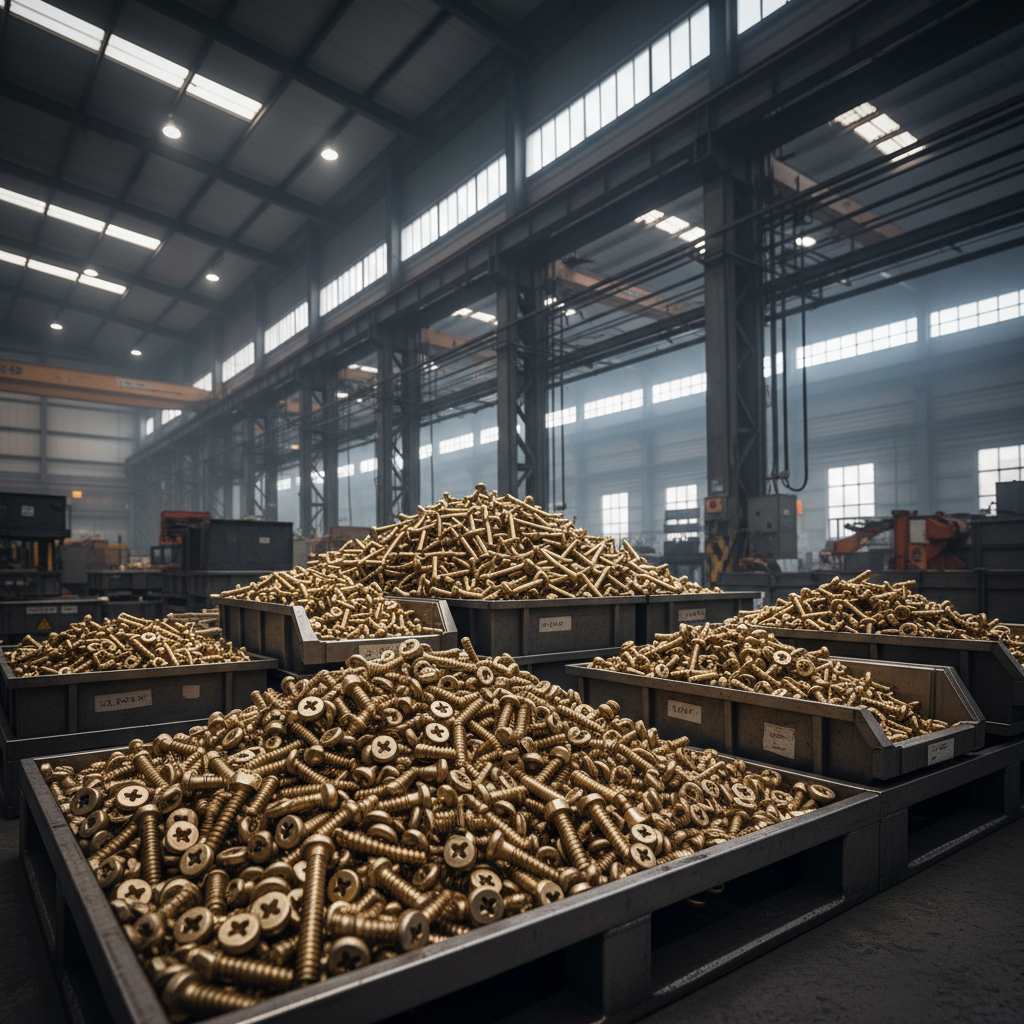
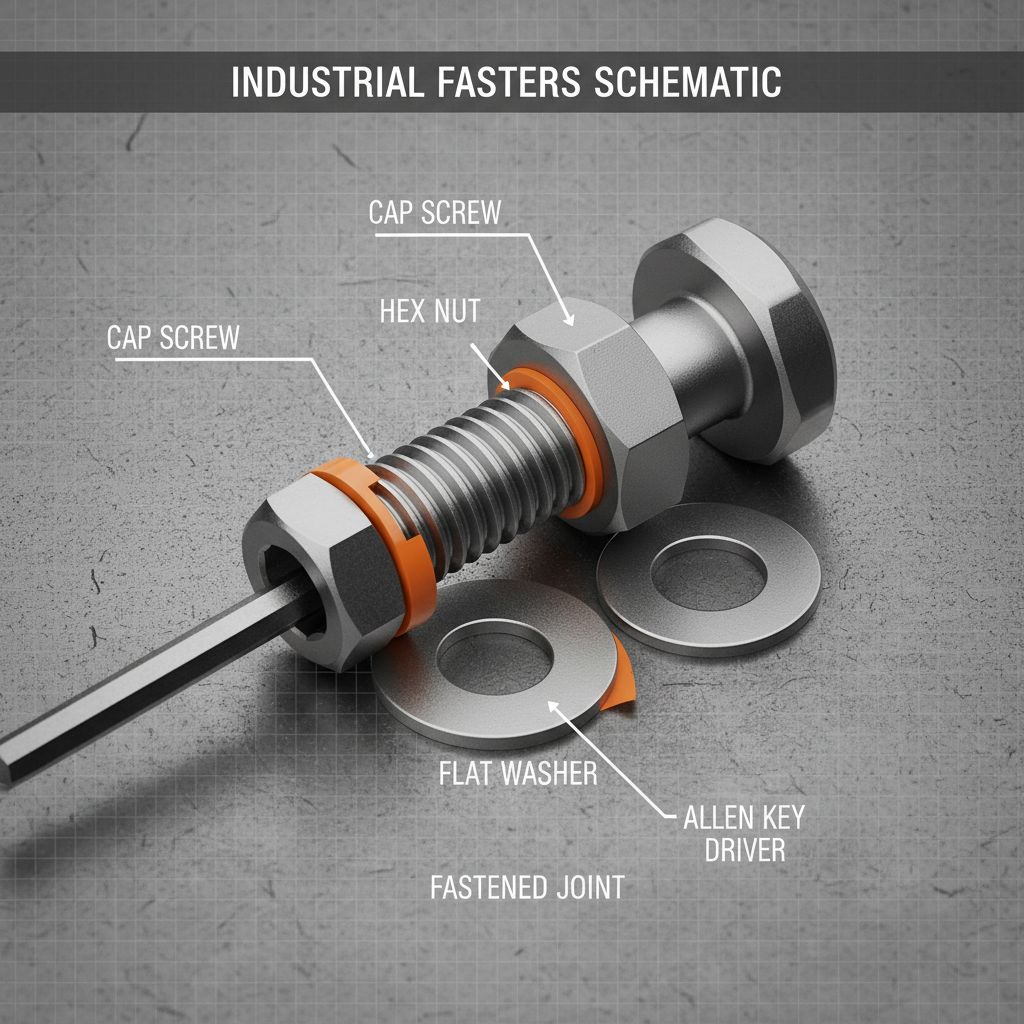
Brass allen head screws, characterized by their cylindrical heads with a hexagonal socket, are critical fasteners used extensively across numerous industries. Their precision manufacturing and ability to provide strong, reliable clamping force make them indispensable in applications ranging from automotive assembly to aerospace engineering. Understanding their properties and applications is vital for engineers, manufacturers, and procurement professionals alike.
The global demand for high-quality fasteners, including brass allen head screws, is steadily increasing, driven by infrastructural development, manufacturing growth in emerging economies, and the expansion of the automotive and aerospace sectors. According to industry reports, the global fastener market is projected to reach [insert statistic here – example: $75 billion by 2028], highlighting the significance of these small but crucial components in supporting global manufacturing.
Brass allen head screws address a critical need for durable, corrosion-resistant fasteners capable of withstanding demanding environments. Unlike steel alternatives, brass offers inherent resistance to rust and corrosion, making it ideal for marine applications, electrical components, and environments exposed to harsh chemicals. This reliability translates to reduced maintenance costs, extended product lifespan, and enhanced safety in critical applications.
The Significance of Brass Allen Head Screws
Brass allen head screws are more than just fasteners; they are critical components that ensure the integrity and reliability of countless products and systems. Their ability to resist corrosion, maintain strength, and provide secure fastening makes them a preferred choice in applications where performance and longevity are paramount. The growing demand reflects the importance of dependable fastening solutions in modern manufacturing.
The precise manufacturing process behind these screws contributes significantly to their quality. Carefully controlled alloy composition, precise thread forming, and meticulous quality control measures ensure consistency and reliability. This precision translates to predictable performance in critical applications, reducing the risk of failure and enhancing overall safety.
Defining Brass Allen Head Screws
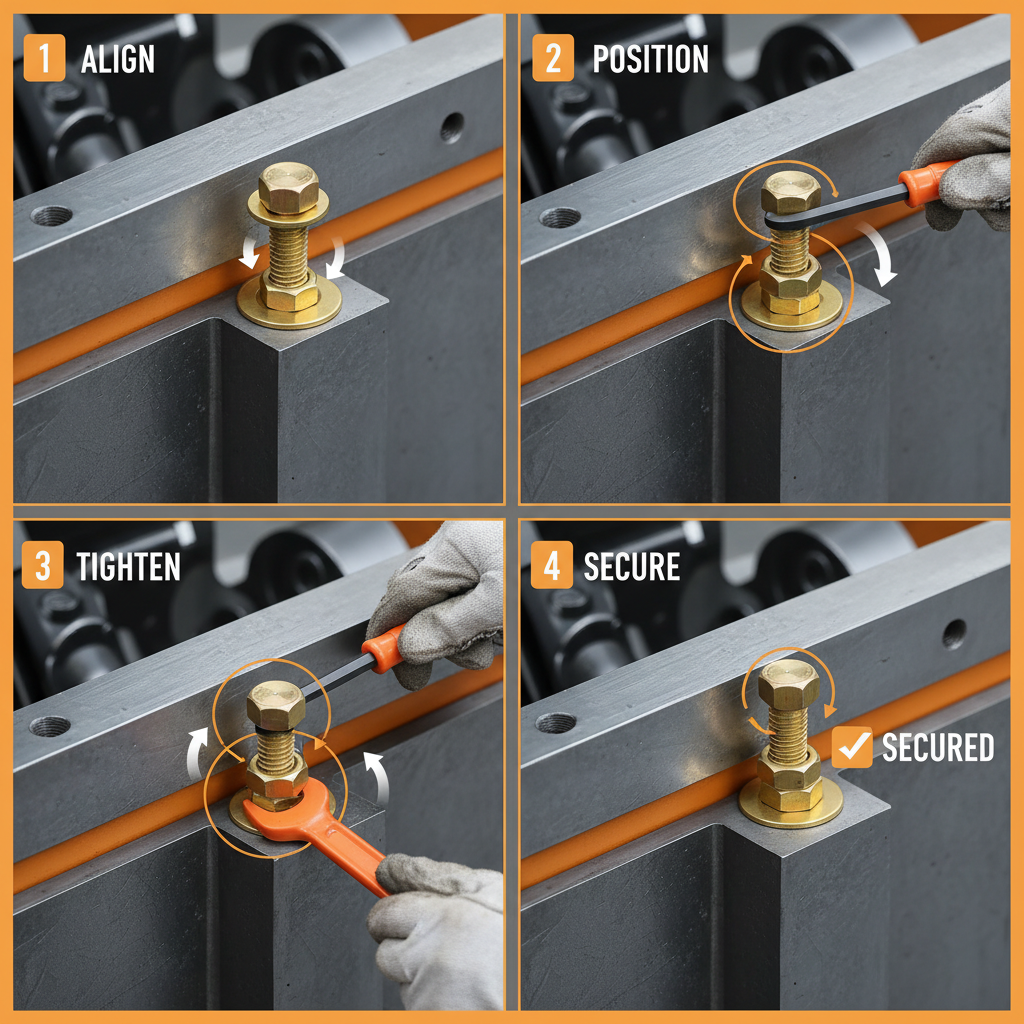
A brass allen head screw is a type of fastener characterized by its cylindrical head featuring a hexagonal socket, often referred to as a hex socket or allen socket. The screw is typically manufactured from brass, a copper-zinc alloy, offering a unique combination of strength, corrosion resistance, and machinability. The allen key, or hex wrench, is used to drive the screw, providing efficient and secure tightening.
This design provides several advantages over traditional screw types. The hexagonal socket allows for higher torque application compared to slotted or Phillips head screws, resulting in a more secure and durable fastening. The use of brass imparts inherent resistance to corrosion, making these screws suitable for outdoor and marine environments.
These screws aren't merely functional components; they represent a critical intersection of materials science and mechanical engineering. Their design enables precise control during assembly and disassembly, crucial in applications requiring frequent maintenance or adjustments. The prevalence of brass allen head screws in modern industrial sectors demonstrates their effectiveness and versatility.
Key Properties and Characteristics
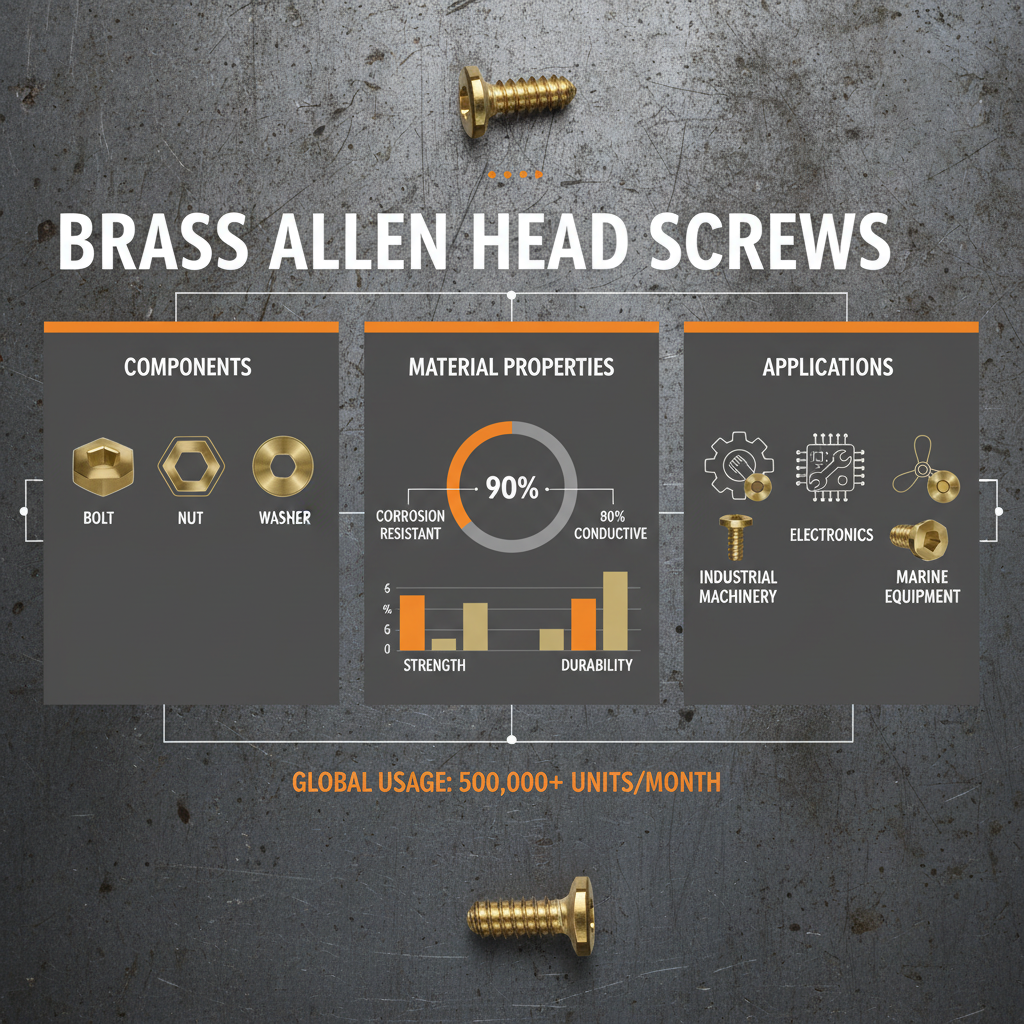
One of the most significant characteristics of brass allen head screws is their exceptional corrosion resistance. Brass naturally forms a protective oxide layer, shielding the underlying metal from environmental degradation. This makes them ideal for use in humid, saline, or chemically aggressive environments.
Secondly, brass offers good machinability, allowing for precise thread formation and consistent dimensions. This precision is essential for ensuring a secure and reliable fit, minimizing the risk of stripping or loosening. The mechanical properties of brass, including tensile strength and yield strength, are sufficient for a wide range of applications.
Furthermore, brass possesses electrical conductivity, making these screws suitable for applications where electrical grounding or contact is required. While not as conductive as copper, brass offers a balance of conductivity, strength, and corrosion resistance that makes it a versatile material for electrical components.
Global Applications and Industry Use Cases
Brass allen head screws find widespread application in the automotive industry, securing interior and exterior components, as well as engine parts. Their corrosion resistance is vital in protecting against road salt and other environmental factors. In the marine industry, they are used extensively in boat building and repair, resisting saltwater corrosion and ensuring the longevity of marine structures.
The electronics industry utilizes brass allen head screws for securing circuit boards, enclosures, and connectors, leveraging their electrical conductivity and corrosion resistance. Aerospace applications, while often relying on higher-strength materials, incorporate brass screws in non-structural components where corrosion resistance is paramount.
Brass Allen Head Screw Applications by Sector
Advantages and Long-Term Value Proposition
The primary advantage of brass allen head screws lies in their exceptional corrosion resistance, reducing maintenance costs and extending the lifespan of assembled products. This translates to long-term savings for manufacturers and end-users alike, particularly in harsh environments. Furthermore, their high torque capability ensures a secure and reliable fastening, minimizing the risk of failure.
Investing in quality brass allen head screws demonstrates a commitment to durability and reliability. This builds trust with customers, enhances brand reputation, and reduces the potential for costly repairs or replacements. The inherent strength and consistency of these screws contribute to the overall safety and integrity of the final product.
Future Trends and Innovations in Fastener Technology
The future of fastener technology is focused on enhancing performance, sustainability, and integration with smart manufacturing processes. We are seeing increased interest in developing brass alloys with enhanced strength and corrosion resistance, utilizing nanotechnology to improve surface properties.
The integration of RFID tags into fasteners is also gaining traction, enabling real-time tracking of inventory and monitoring of assembly processes. This can improve quality control, prevent counterfeiting, and optimize supply chain management. Sustainable manufacturing practices, including the use of recycled brass and energy-efficient production methods, are becoming increasingly important.
Moreover, advancements in 3D printing are opening up possibilities for customized fastener designs tailored to specific applications. This allows for the creation of lightweight, high-performance fasteners with optimized geometries, pushing the boundaries of what is possible in fastening technology.
Challenges and Solutions in Brass Allen Head Screw Manufacturing
One of the key challenges in brass allen head screw manufacturing is maintaining consistent quality and dimensional accuracy. Variations in alloy composition and manufacturing processes can lead to inconsistencies in thread forming and mechanical properties. Implementing rigorous quality control measures, including advanced metrology techniques and statistical process control, is crucial.
Another challenge is the increasing cost of raw materials, particularly copper and zinc. Manufacturers are exploring strategies to optimize material usage, reduce waste, and investigate alternative alloy compositions to mitigate the impact of price fluctuations. Investing in automated manufacturing processes can also help to reduce labor costs and improve efficiency.
Finally, environmental concerns related to the use of certain chemicals in brass manufacturing are driving the development of more sustainable processes. Implementing closed-loop systems for water recycling and utilizing eco-friendly cleaning agents are key steps towards minimizing environmental impact.
Summary of Brass Allen Head Screw Manufacturing Challenges and Solutions
| Challenge |
Impact |
Solution |
Implementation Cost |
| Inconsistent Quality |
Reduced Product Reliability |
Rigorous Quality Control & SPC |
Medium |
| Raw Material Cost |
Increased Production Costs |
Material Optimization & Alternative Alloys |
Low to Medium |
| Environmental Impact |
Regulatory Compliance Issues |
Sustainable Manufacturing Practices |
Medium to High |
| Labor Costs |
Decreased Profit Margins |
Automated Manufacturing |
High |
| Thread Formation Accuracy |
Fastener Failure |
Advanced Thread Rolling Techniques |
Medium |
| Supply Chain Disruptions |
Production Delays |
Diversified Sourcing & Inventory Management |
Low |
FAQS
Brass allen head screws offer superior corrosion resistance compared to steel, making them ideal for environments exposed to moisture, salt, or chemicals. While steel may be stronger in some applications, brass provides a balance of strength, corrosion resistance, and machinability that often outweighs the need for higher tensile strength. Brass is also non-magnetic, a benefit in certain applications.
Determining the correct size involves considering the diameter of the hole being fastened, the thread pitch required for a secure fit, and the desired clamping force. Length should be sufficient to penetrate the base material adequately without protruding excessively. Consult engineering drawings or fastener charts for specific recommendations, and always allow for sufficient thread engagement.
While brass has good thermal conductivity, its mechanical properties can degrade at elevated temperatures. Prolonged exposure to temperatures above 200°C (392°F) may cause the brass to lose strength and become susceptible to creep. For high-temperature applications, consider using alternative materials like stainless steel or heat-resistant alloys.
Torque specifications vary depending on the size, thread pitch, and material of the screw, as well as the base material being fastened. Consult fastener manufacturers' datasheets for recommended torque values. Over-tightening can strip the threads or damage the screw, while under-tightening may result in loosening or failure. Use a calibrated torque wrench for accurate tightening.
Even though brass is corrosion-resistant, prolonged exposure to seawater can lead to dezincification (loss of zinc from the alloy). Using brass alloys with a higher copper content can mitigate this risk. Applying a protective coating, such as a lacquer or epoxy, can further enhance corrosion resistance. Regular inspection and replacement of fasteners in critical applications is also recommended.
Sourcing from reputable fastener manufacturers and suppliers is crucial to ensure quality and reliability. Look for suppliers with ISO certifications and a proven track record of delivering consistent products. Fastenboen offers a wide range of brass allen head screws meeting industry standards, and we can provide expert guidance on fastener selection.
Conclusion
In conclusion, brass allen head screws are indispensable fasteners offering a unique blend of corrosion resistance, strength, and machinability. Their widespread application across diverse industries highlights their critical role in ensuring the reliability and longevity of countless products and systems. Understanding their properties, applications, and future trends is paramount for engineers, manufacturers, and procurement professionals.
Looking ahead, continued innovation in materials science and manufacturing processes will further enhance the performance and sustainability of brass allen head screws. By embracing new technologies and adopting responsible manufacturing practices, we can unlock the full potential of these essential fasteners and contribute to a more durable and efficient future. Visit Fastenboen to explore our comprehensive range of brass allen head screws and discover solutions tailored to your specific needs.