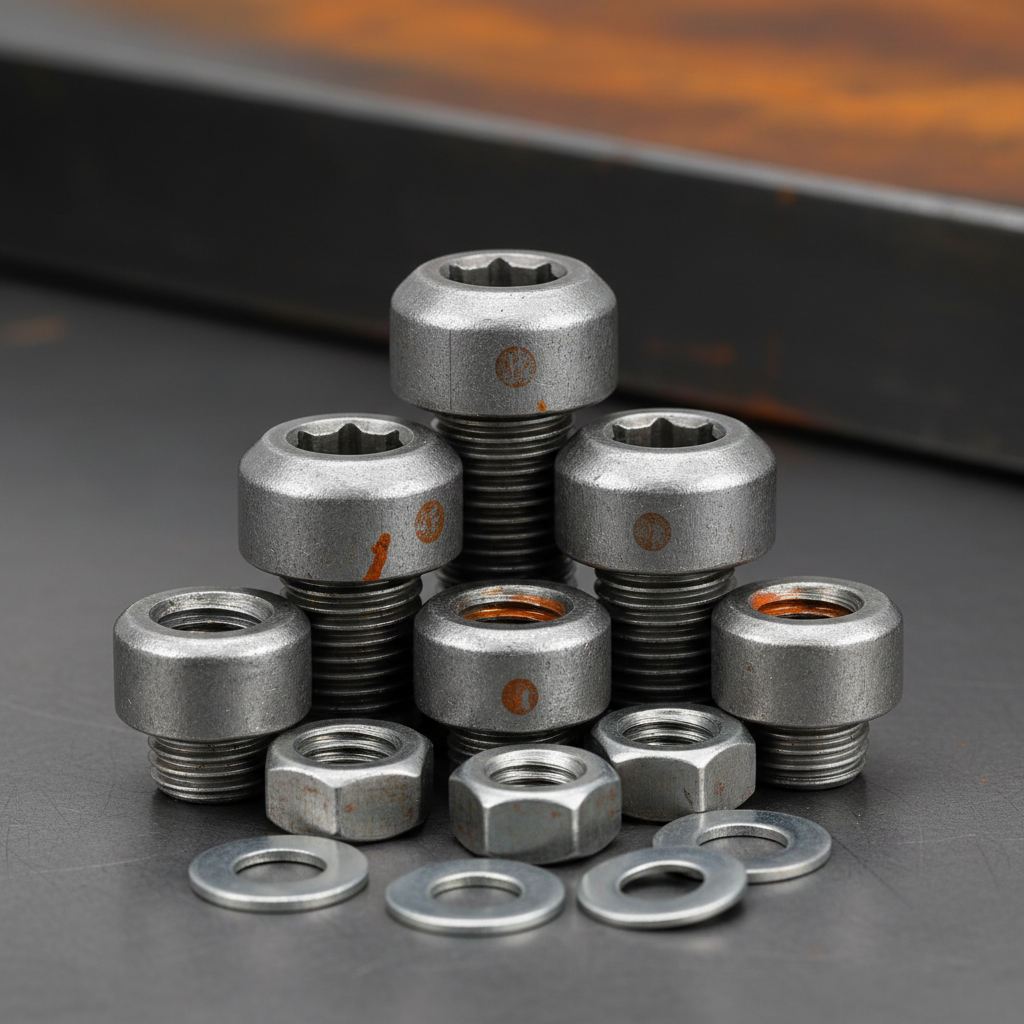
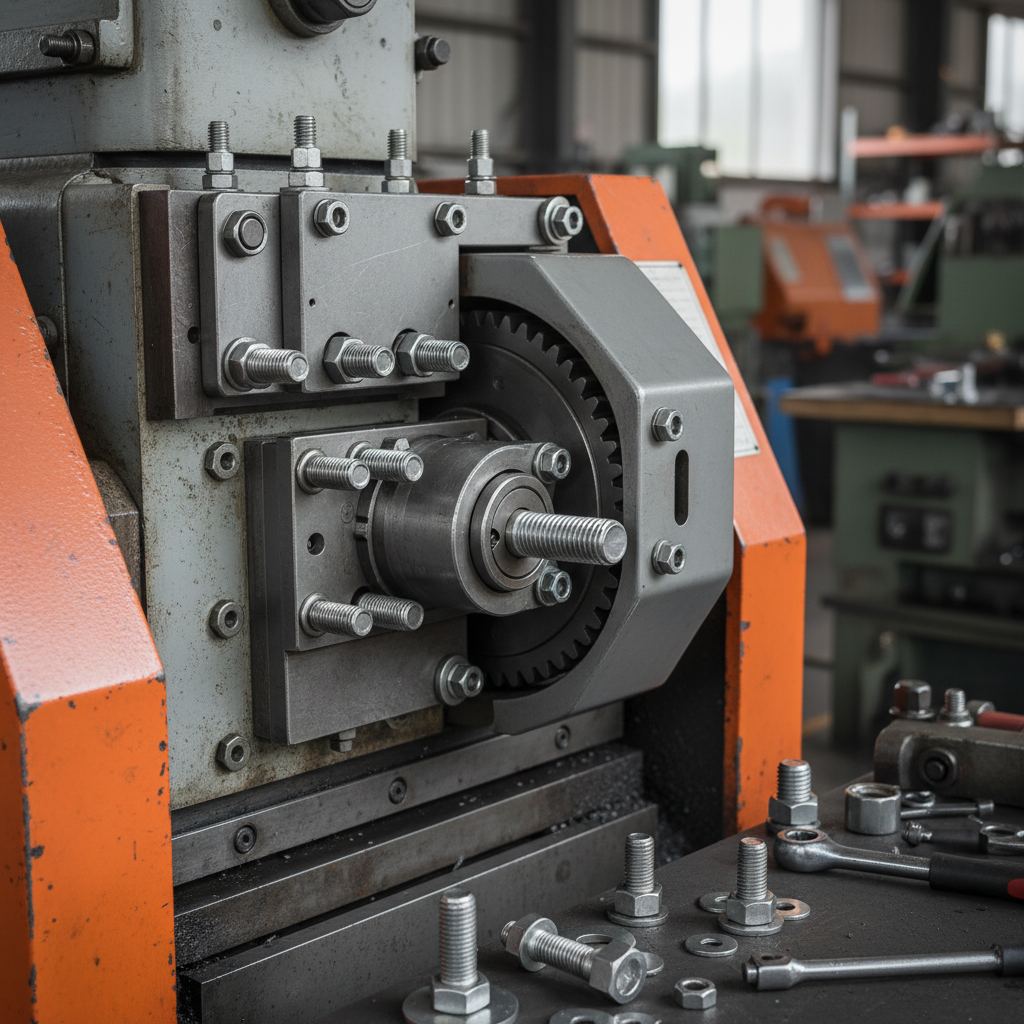
Black socket head cap screws. Seems simple, right? But after years crawling around construction sites, wrestling with materials, and talking shop with engineers, you quickly realize these little guys are the backbone of pretty much everything we build. They're not glamorous, but without reliable fasteners, the whole operation grinds to a halt. We’re talking about everything from towering skyscrapers and massive machinery to the intricate components inside complex electronics. A failure here isn’t just a loose part, it's a potential safety hazard and a massive headache for the project. That’s why understanding these screws – their strengths, weaknesses, and proper applications – is absolutely crucial for anyone involved in construction or manufacturing.
The global demand for these screws is enormous, driven by ongoing infrastructure development, a booming manufacturing sector, and increasing automation. The United Nations projects a global population increase to nearly 10 billion by 2050, which translates to a massive need for housing, transportation, and industrial capacity. According to recent reports from the World Steel Association, global steel production – a key indicator for fastener demand – continues to climb, even with economic fluctuations. What this means on the ground is constant pressure to source high-quality, reliable black socket head cap screws, and the challenge isn’t just finding them, but ensuring they meet the rigorous standards required for diverse applications.
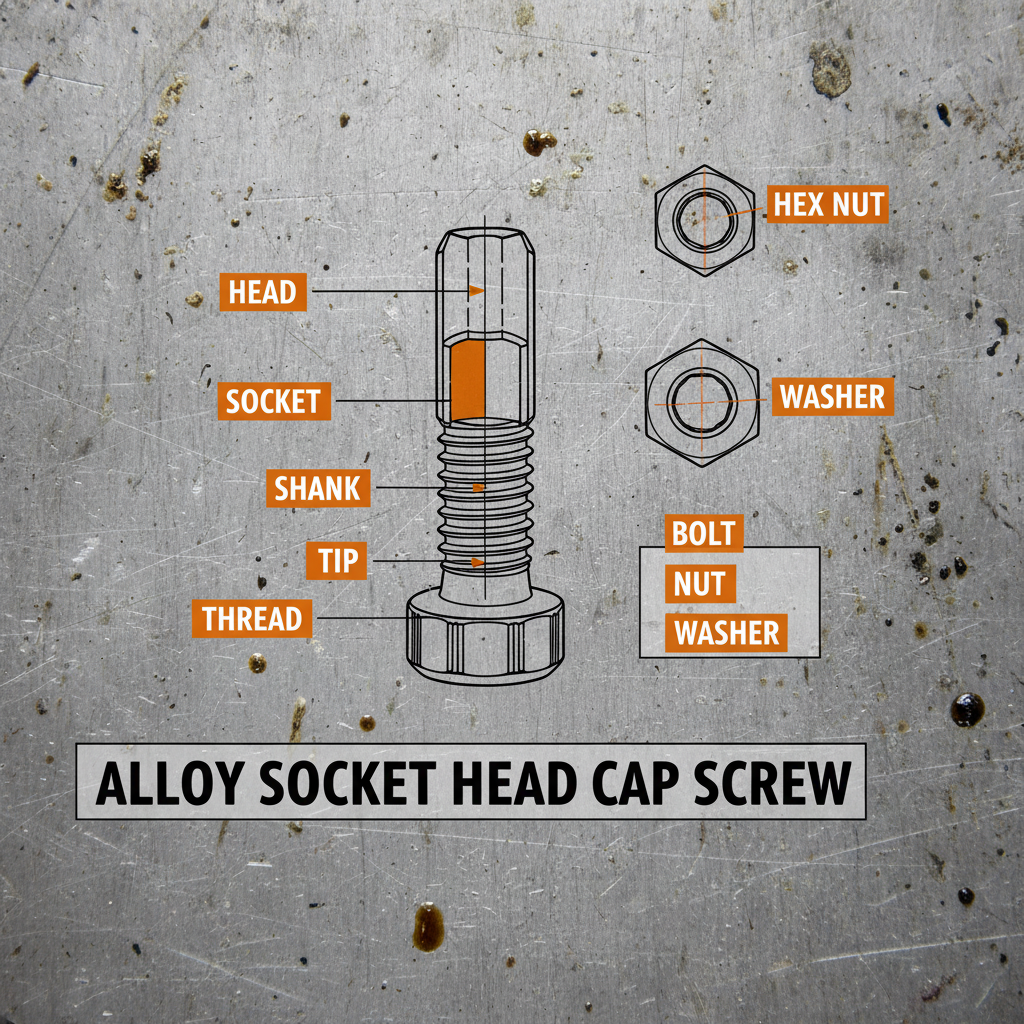
Essentially, a black socket head cap screw is a type of fastener – a threaded screw with a cylindrical head and a hexagonal socket drive. That socket drive is key; it allows for high torque application using an Allen wrench, meaning these screws can be tightened securely. The ‘black’ finish isn’t just for aesthetics. It's typically a black oxide coating, which provides mild corrosion resistance – a necessity for outdoor and industrial applications. They're used everywhere – connecting machine parts, securing structural components, and even in automotive assemblies. They bridge the gap between design and reality, holding things together, quite literally.
The Importance of Black Socket Head Cap Screws
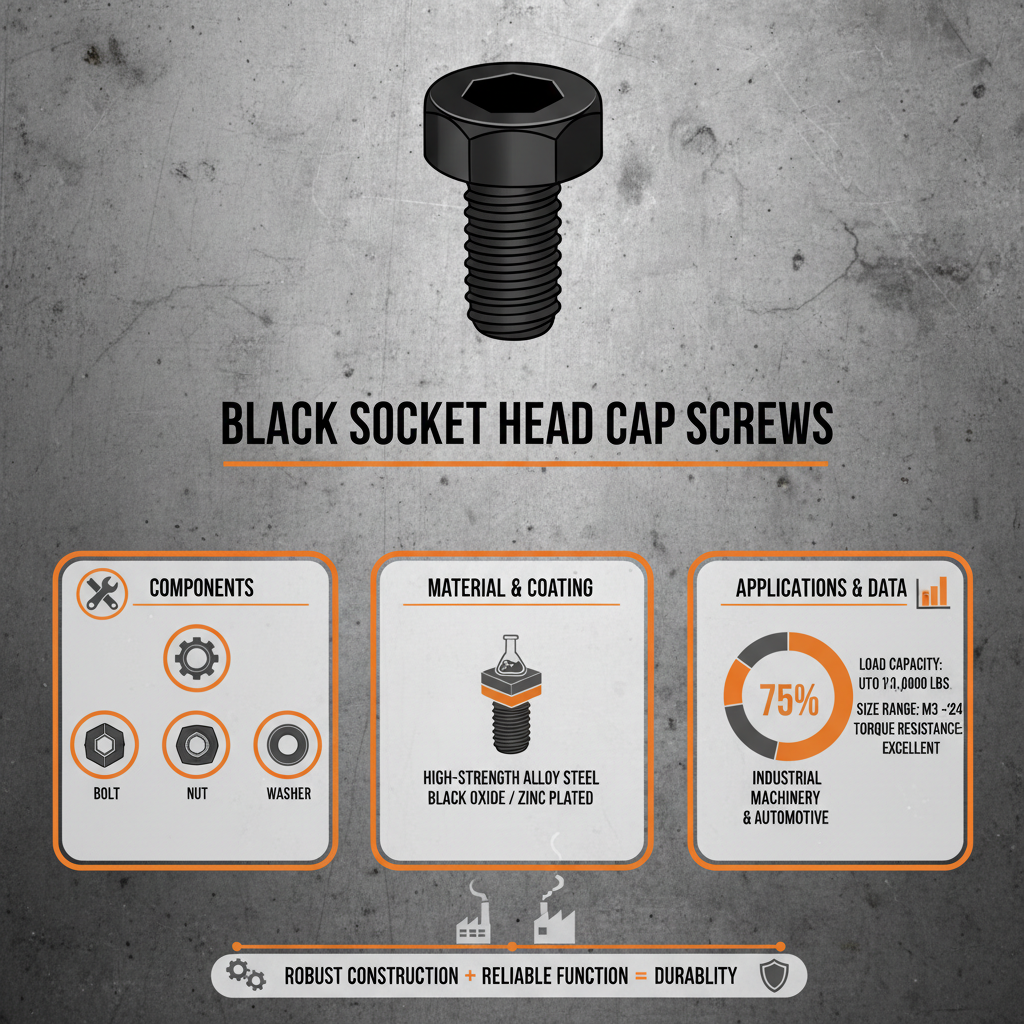
I've seen too many projects delayed, or worse, compromised, because of a seemingly insignificant fastener failure. These black socket head cap screws aren’t just about holding metal together, they're about reliability, safety, and preventing costly downtime. It's a small component with a big responsibility. Choosing the right screw, and ensuring proper installation, directly impacts the lifespan and structural integrity of any project.
The beauty of a good black socket head cap screw is its simplicity and versatility. A strong, secure connection is paramount, and the socket drive allows for precise torque control, reducing the risk of over-tightening or stripping the head. That's something you learn quickly when you're spending your days tightening bolts on a wind turbine or assembling heavy machinery.
FAQS
For structural steel, you generally want to stick with Grade 8 or Grade 10 black socket head cap screws. These offer the highest tensile strength and are designed to handle significant loads. Always check the relevant building codes and engineering specifications for your specific project, as they will dictate the required grade. Don't skimp here; safety is paramount.
Stripping the socket head is a common problem. First, use the correct size Allen wrench – a snug fit is essential. Second, apply steady, even pressure. Avoid jerky movements. Consider using a torque wrench to ensure you're tightening to the correct specification, preventing over-tightening. A drop of penetrating oil can help if you’re dealing with older or corroded screws.
The black oxide finish provides mild corrosion resistance – it's a cost-effective way to protect the steel from surface rust. However, it's not sufficient for harsh environments like saltwater or corrosive chemicals. In those cases, you'll need to consider stainless steel or other corrosion-resistant materials, or additional coatings like zinc plating.
It depends. If the screw shows any signs of damage – stripped head, corroded threads, or deformation – it should not be reused. Even if it looks okay, repeated use can weaken the material. For critical applications, it’s always best practice to replace screws rather than risk a failure. Consider the cost of a failure versus the cost of a new screw.
This is a common question. Generally, a cap screw is fully threaded along its length (or nearly so), while a bolt typically has a portion of the shank that is not threaded. Cap screws are designed to be used with a nut to clamp materials together, while bolts often pass through a hole in one material and are secured with a nut on the other side. However, the terms are often used interchangeably, so it's important to confirm the specific specifications.
Sourcing from reputable suppliers is crucial. Look for suppliers with ISO 9001 certification, which demonstrates a commitment to quality management. Check their track record and ask for material certifications. Don't just go for the lowest price; prioritize reliability and consistency. A good supplier will also be able to provide technical support and guidance.
Conclusion
Black socket head cap screws may seem like a small detail, but they are the unsung heroes of countless projects. Understanding their properties, applications, and limitations is essential for anyone involved in construction, manufacturing, or engineering. From ensuring structural integrity to minimizing downtime, these fasteners play a critical role in keeping things together.
Investing in high-quality screws and proper installation practices isn't just about saving money in the long run; it's about ensuring safety, reliability, and a job well done. Keep an eye on emerging trends in materials and coatings, and don’t hesitate to consult with experts to choose the right fasteners for your specific needs. For all your black socket head cap screw needs, visit our website: www.boenfasteners.com
Related Posts