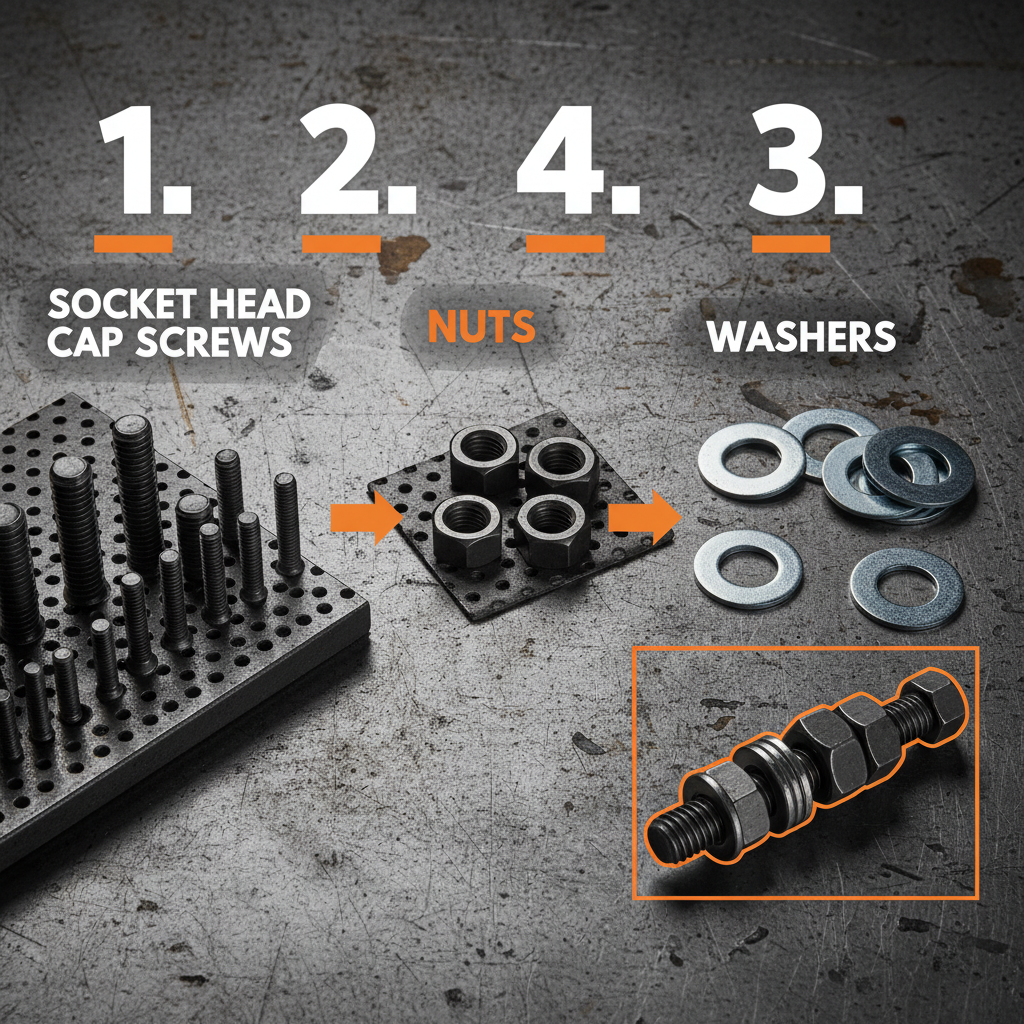
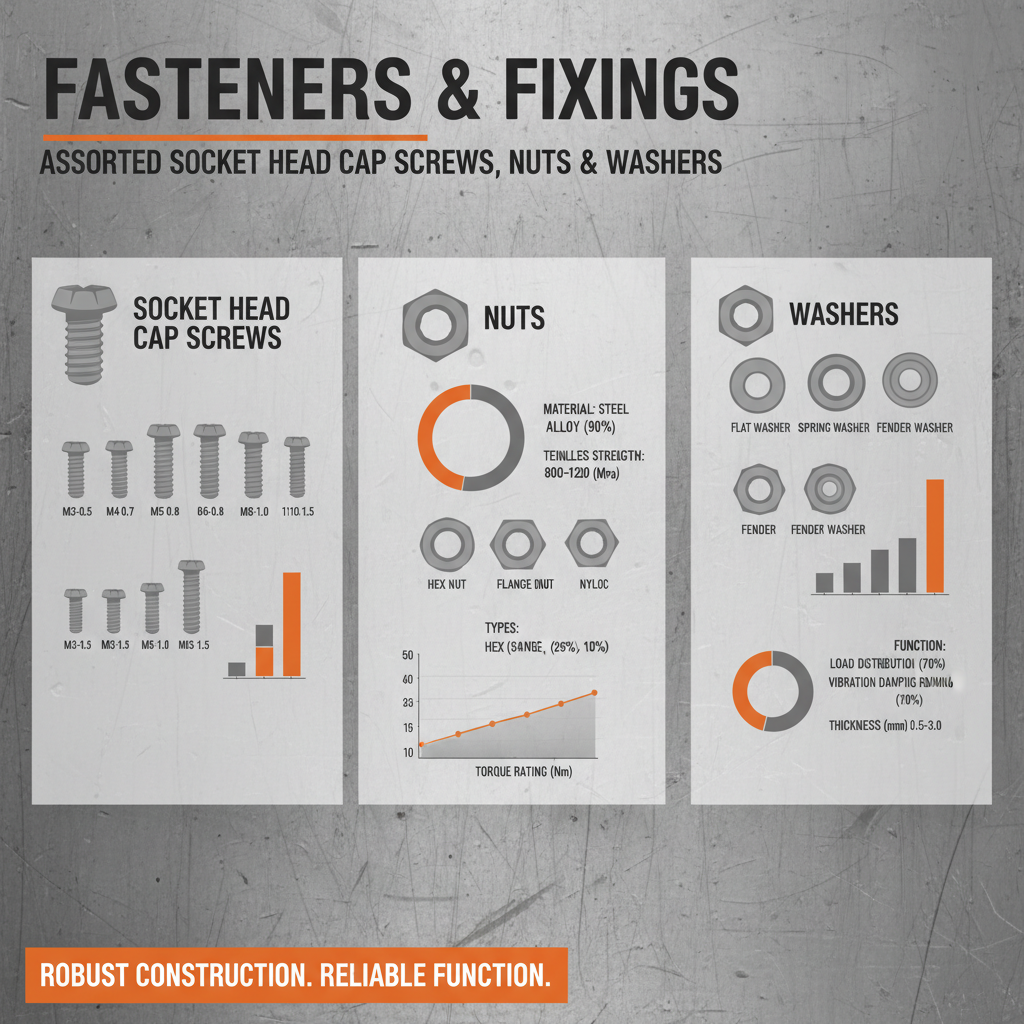
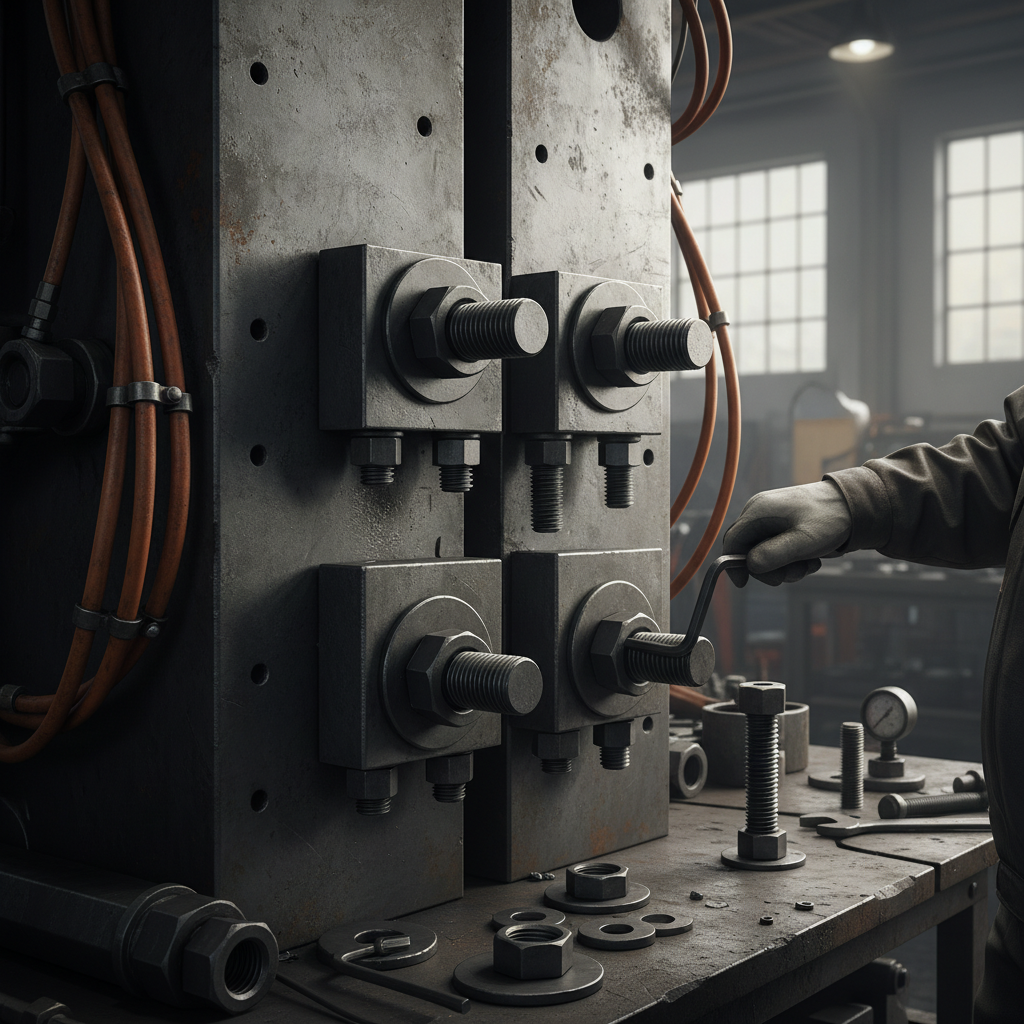
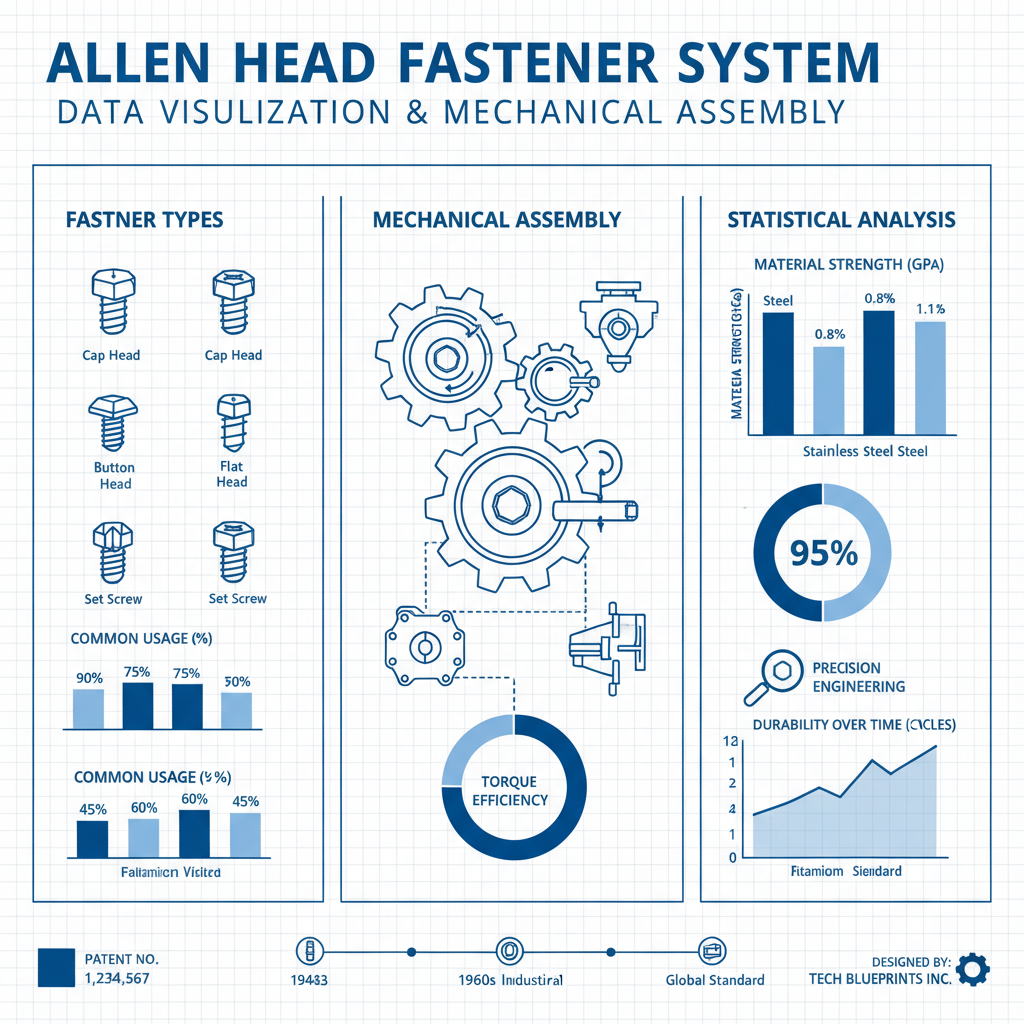
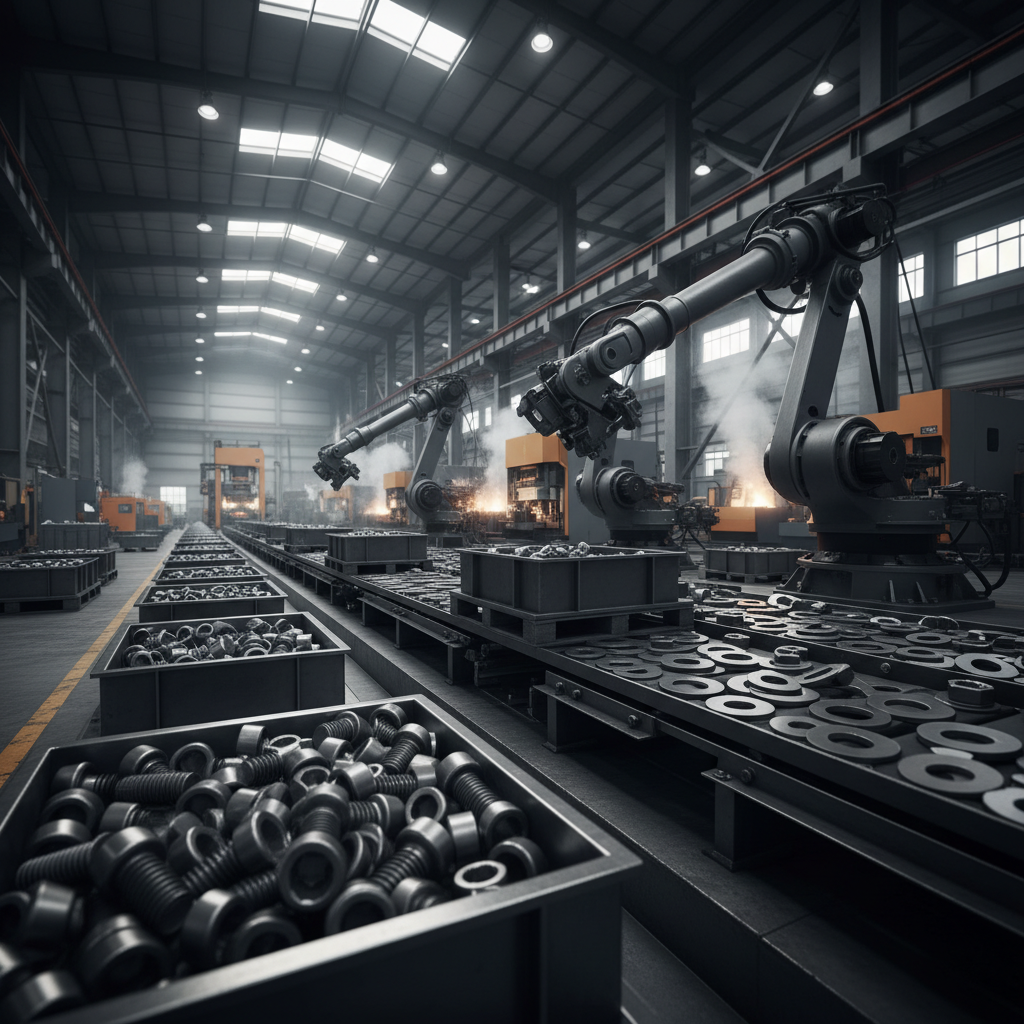
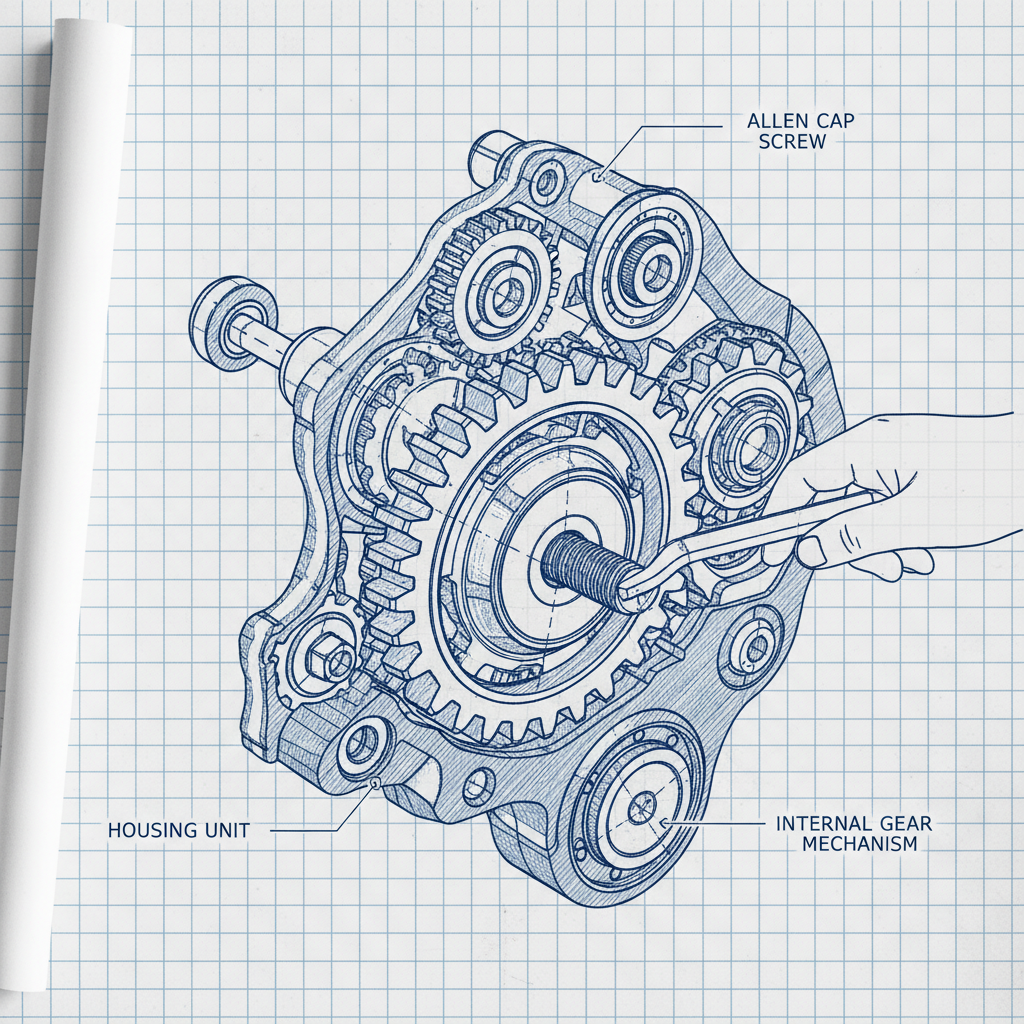
Look, after years on construction sites, you learn a few things. And one thing is crystal clear: you can’t build anything worthwhile without fasteners. Not just any fasteners, though. We’re talking about reliable, versatile components like assorted socket head cap screws. They’re the unsung heroes of every project, quietly holding everything together. It's not glamorous work talking about screws, but a bad fastener can bring a multi-million dollar project to a grinding halt. It's about safety, efficiency, and knowing your materials. These aren’t just bits of metal; they're a critical part of the structural integrity of what we build.
What really strikes you after a while is just how much goes into choosing the right fastener. It's not just about length and diameter. It's about the material grade, the coating, the head style… it all matters. We’ve seen projects delayed because someone skimped on quality, or didn’t consider the environment they were building in. Coastal projects need corrosion resistance, high-stress applications demand high tensile strength. And with supply chains being what they are, having access to a well-stocked supply of assorted socket head cap screws is a lifesaver, meaning less downtime waiting for specialized orders.
The whole industry is moving towards prefabrication and modular construction, and that changes things. It demands a higher level of precision and standardization. And that's where a reliable source of quality fasteners like assorted socket head cap screws is absolutely essential. It’s about minimizing errors, speeding up assembly, and delivering a higher-quality finished product. It's not just about building faster, it’s about building better.
The Vital Role of Assorted Socket Head Cap Screws
On a construction site, everything comes down to holding power. And assorted socket head cap screws provide a level of clamping force and secure fastening that you just don't get with other methods. They're used in everything from structural steel to machinery mounting, and their versatility is unmatched. The hex socket drive allows for higher torque application without cam-out, meaning you get a tighter, more reliable connection.
I've seen too many projects where corners were cut on fasteners. It always comes back to bite you. A stripped screw, a broken bolt… it’s not just a minor inconvenience. It can lead to delays, safety hazards, and costly repairs. Investing in quality assorted socket head cap screws upfront is a small price to pay for peace of mind.
Understanding Socket Head Cap Screw Specifications
Most guys on the crew don't think about specs, but they need to. You have your grades – 5, 8, 10.9, 12.9 – that determine the tensile strength. Higher number, stronger screw. Then there's the material: carbon steel, alloy steel, stainless steel. Stainless is your go-to for corrosion resistance, but it’s not always the strongest. Thread pitch, length, diameter… it all needs to be right for the application. You’ve also got point styles – flat, conical, dog point. Choosing the right one depends on the material you’re fastening into. Assorted socket head cap screws kits are useful for general work, but for specific projects, you need to know exactly what you're getting.
And it’s not just the screw itself. The wrench matters too. Using the wrong size or a worn-out wrench can strip the head, rendering the screw useless. I've seen guys try to force things, and it always ends badly. Proper tools and understanding the torque specifications are just as important as the screw itself.
Don’t underestimate the importance of understanding standards, too. ISO, ANSI, DIN – these certifications ensure a certain level of quality and consistency. It's not just about buying the cheapest screws; it's about buying screws that meet the required specifications and will perform reliably over the long term.
Material Grades and Corrosion Resistance
When you're working outdoors, or in a corrosive environment, material selection is paramount. Carbon steel screws are strong, but they rust. Alloy steel offers a bit more resistance, but it's still susceptible to corrosion. That's where stainless steel comes in. 304 stainless is good for general use, but 316 is your best bet for coastal environments or exposure to harsh chemicals. We use 316 constantly on marine construction projects – it's the only way to go.
Coatings can also provide corrosion resistance. Zinc plating is a common and affordable option, but it can wear off over time. Hot-dip galvanizing offers superior protection, but it can be more expensive. Ceramic coatings are another option, providing excellent resistance to both corrosion and abrasion. Assorted socket head cap screws often come with different coatings, so you need to choose the one that's appropriate for the application.
The devil’s in the details. Even with stainless steel, you need to consider the grade and the environment. Chloride exposure, for instance, can cause pitting corrosion even in stainless steel. It's a complex issue, and that's why a good fastener supplier can be a valuable resource. They can help you choose the right material and coating for your specific needs.
Application-Specific Performance Metrics
It's not just about strength; it's about performance under specific conditions. Shear strength, tensile strength, fatigue resistance… these are all important factors to consider. For example, if you're using assorted socket head cap screws in a vibration-prone environment, you need to choose a screw with high fatigue resistance. If you're joining dissimilar metals, you need to consider the potential for galvanic corrosion.
We’ve got a chart we use on site to quickly assess suitability based on load, environment, and material compatibility. It's a rough guide, but it helps us avoid making costly mistakes. And honestly, experience counts for a lot. After a while, you develop a feel for what screws will work and which ones won't.
Assorted Socket Head Cap Screw Performance Ratings
Global Construction Industry Applications
You see assorted socket head cap screws everywhere. From the skyscrapers in Dubai to the bridges in Japan, they’re the backbone of modern construction. They're used in everything from structural steel connections to machinery mounting, and even in the installation of building facades. I was on a project in Singapore last year where they were used extensively in pre-fabricated modular units. They're a global standard for a reason.
In remote areas, where access to materials is limited, having a reliable supply of assorted fasteners is critical. I’ve worked on projects in Africa where delays caused by missing or damaged fasteners added significant costs and time to the project. The ability to source quality assorted socket head cap screws quickly and efficiently can make or break a project.
Long-Term Cost Savings and Reliability
People often focus on the upfront cost of fasteners, but that's a short-sighted view. The true cost comes from failures, delays, and repairs. A cheap screw that fails can cause significant damage and disruption. Investing in high-quality assorted socket head cap screws can save you money in the long run by reducing the risk of these problems.
I’ve seen projects where the cost of repairing a single fastener failure far outweighed the cost of using a higher-quality screw in the first place. It’s about building something that will last, something you can rely on. And that requires using the right materials and the right components.
Future Trends in Fastener Technology
We’re starting to see more and more innovation in the fastener industry. Self-locking screws, corrosion-resistant coatings, and even smart fasteners with embedded sensors are becoming more common. The push for sustainability is also driving demand for more eco-friendly materials and manufacturing processes.
3D-printed fasteners are still in their early stages, but they have the potential to revolutionize the industry. Imagine being able to print custom fasteners on demand, tailored to the specific needs of a project. That's the future. And as building information modeling (BIM) becomes more widespread, we'll see even more integration between fasteners and the overall design process.
The integration of IoT sensors into assorted socket head cap screws to monitor stress and detect potential failures before they occur is another area ripe for innovation. Imagine proactive maintenance based on real-time data from the fasteners themselves!
Summary of Key Factors Affecting Assorted Socket Head Cap Screw Performance
| Material Grade |
Corrosion Resistance |
Load Capacity |
Cost Effectiveness |
| Grade 5 |
Low |
Moderate |
High (8/10) |
| Grade 8 |
Moderate (with coating) |
High |
Medium (6/10) |
| Stainless Steel 304 |
Good |
Moderate |
Low (3/10) |
| Stainless Steel 316 |
Excellent |
Moderate |
Low (4/10) |
| Alloy Steel (Heat Treated) |
Moderate (with coating) |
Very High |
Medium (7/10) |
| Ceramic Coated Steel |
Exceptional |
High |
Medium (5/10) |
FAQS
While both are fasteners, a key difference is the threading. Bolts typically have threads along their entire shaft, while socket head cap screws are threaded only partially. Cap screws are designed to be tightened into a tapped hole, offering a cleaner finish. It really comes down to the application and the desired strength of the connection. We usually use cap screws for more precise assemblies.
First, measure the diameter of the hole you're fastening into. Then, determine the length required to securely hold the materials together. Don't forget to account for the head height! Also, consider the material you're working with and choose a grade and material appropriate for the load and environment. If you’re unsure, consult with a fastener specialist.
Grade 8 refers to the tensile strength of the screw, indicating its ability to resist breaking under tension. Higher grades mean stronger screws. Grade 8 screws are typically made from alloy steel and are heat-treated for increased strength. They are commonly used in high-stress applications.
Use the correct size Allen wrench or driver bit. Apply even pressure while tightening. Avoid over-tightening, as this can strip the head. If you're working with stubborn screws, use a penetrating oil to loosen them before attempting to remove them. A quality wrench made of hardened steel is also essential.
Penetrating oil is your first line of defense. Let it soak for a while before attempting to remove the screw. If that doesn’t work, try using an impact driver. As a last resort, you may need to cut or drill out the screw. Prevention is key, though – using corrosion-resistant materials in the first place will save you a lot of headaches.
Look for suppliers who are ISO certified and have a proven track record of quality and reliability. Check online reviews and ask for references. Fastenboen is a great place to start. They offer a wide range of fasteners and can provide expert advice. Don't just go for the cheapest option – prioritize quality and service.
Conclusion
Ultimately, assorted socket head cap screws are the silent workhorses of the construction industry. They're not glamorous, but they're essential. Understanding their specifications, materials, and applications is crucial for building safe, reliable, and durable structures. It’s about more than just tightening a screw; it’s about ensuring the integrity of the entire project.
Looking ahead, the fastener industry will continue to evolve, driven by innovation and the demand for more sustainable and efficient solutions. Staying informed about these trends and choosing the right fasteners for the job will be key to success. If you need reliable, quality fasteners, visit www.boenfasteners.com today.