The allen socket head bolt, a seemingly simple fastener, plays a crucial role in countless industries worldwide. Its robust design and reliable performance make it a cornerstone of modern engineering and manufacturing. Understanding its properties, applications, and future trends is vital for professionals across numerous sectors, from automotive and aerospace to construction and consumer goods. The increasing demand for precision and durability in fastening solutions continues to solidify the importance of the allen socket head bolt in a global market.
Globally, the market for fasteners, including the allen socket head bolt, is experiencing substantial growth, driven by infrastructure development in emerging economies and the expansion of manufacturing capabilities. According to a report by the Fastener Manufacturers Institute (FMI), the global fastener market is projected to reach \$83.3 billion by 2027. This growth highlights the essential role these components play in supporting economic activity.
However, challenges exist regarding material sourcing, supply chain disruptions, and the need for more sustainable manufacturing practices. Addressing these issues is critical to ensuring the long-term availability and environmental responsibility of allen socket head bolts.
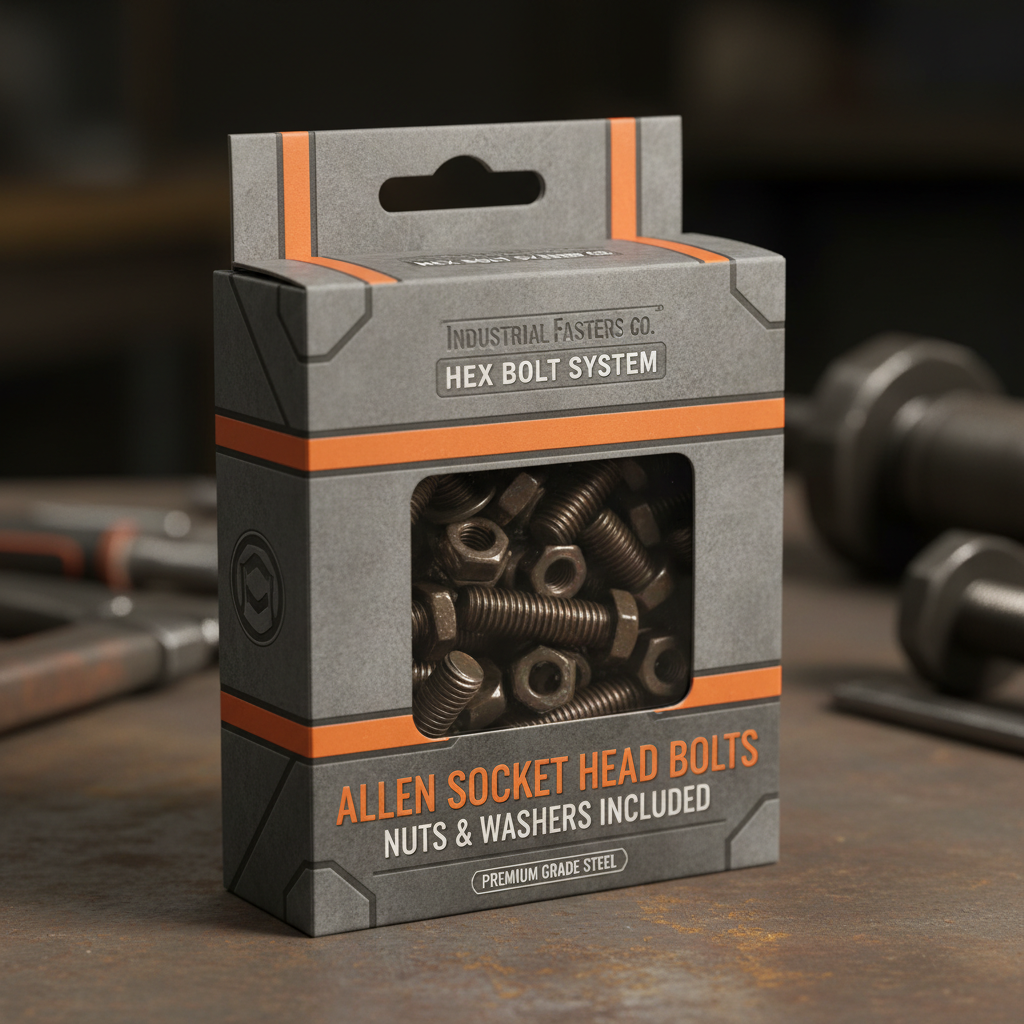
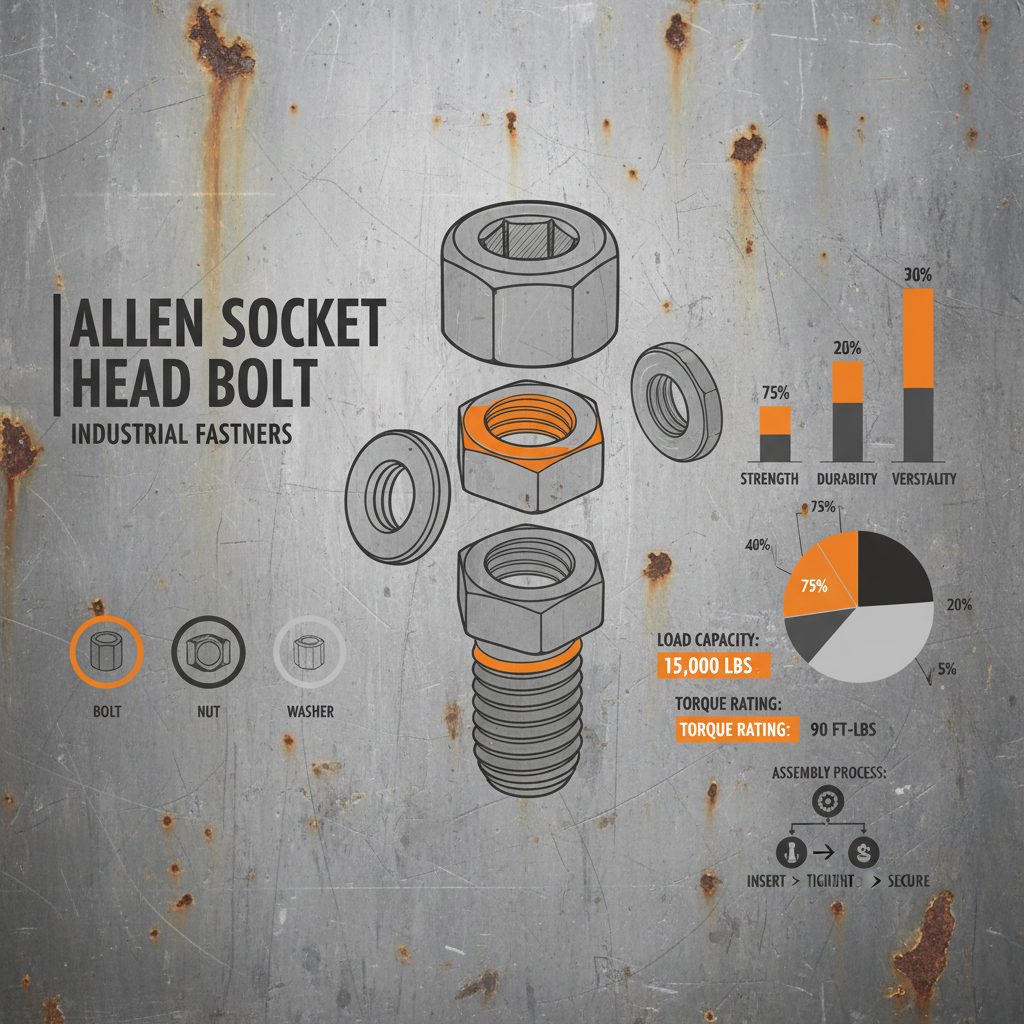
The allen socket head bolt stands out from other fasteners due to its unique drive system – a hexagonal recess that accepts an allen wrench (also known as a hex key). This design provides increased torque transmission compared to slotted or Phillips head screws, reducing the risk of stripping and enhancing overall fastening reliability. This makes the allen socket head bolt a preferred choice in applications demanding high strength and precision.
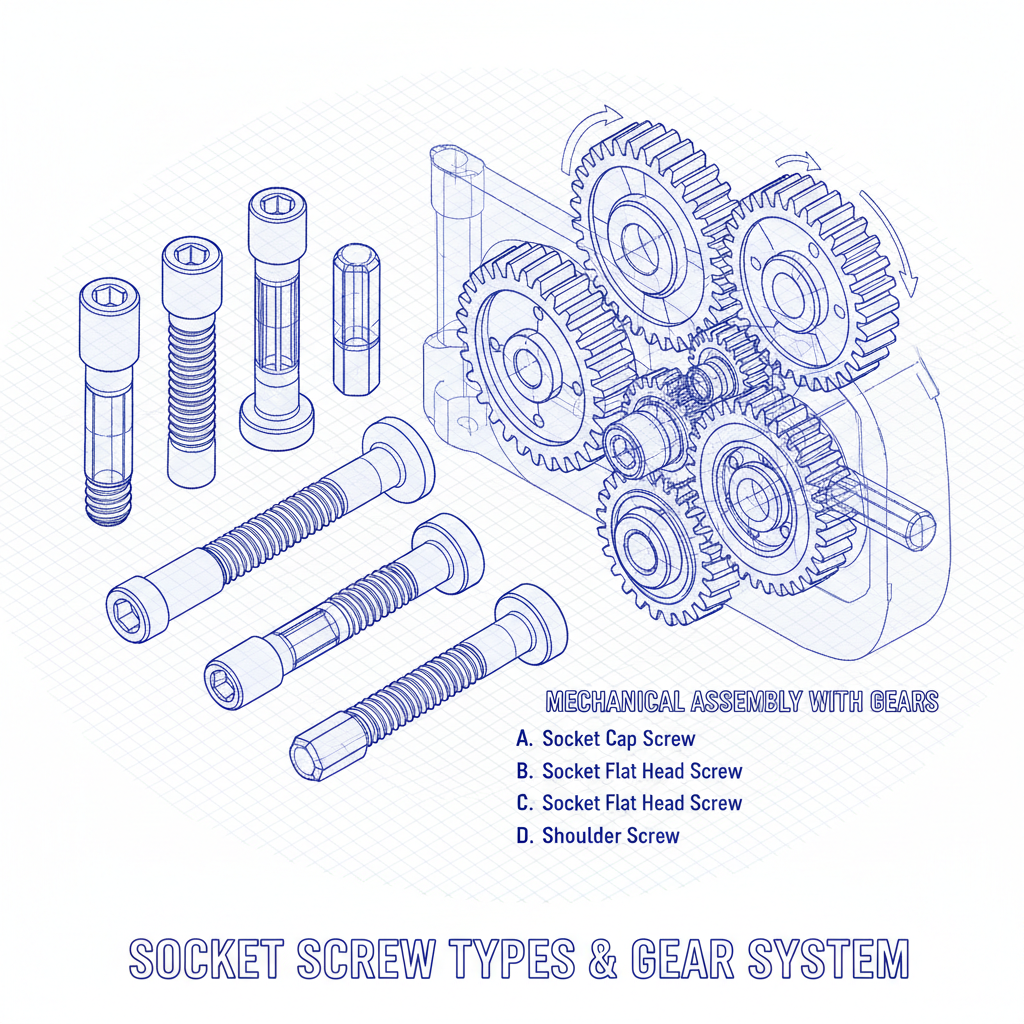
Its versatility stems from its ability to be used with a wide range of materials, including steel, stainless steel, and alloys. The availability of various head styles (flat, button, low head) and sizes allows for adaptation to diverse design requirements. The consistent demand for allen socket head bolts showcases its indispensable role in modern manufacturing.
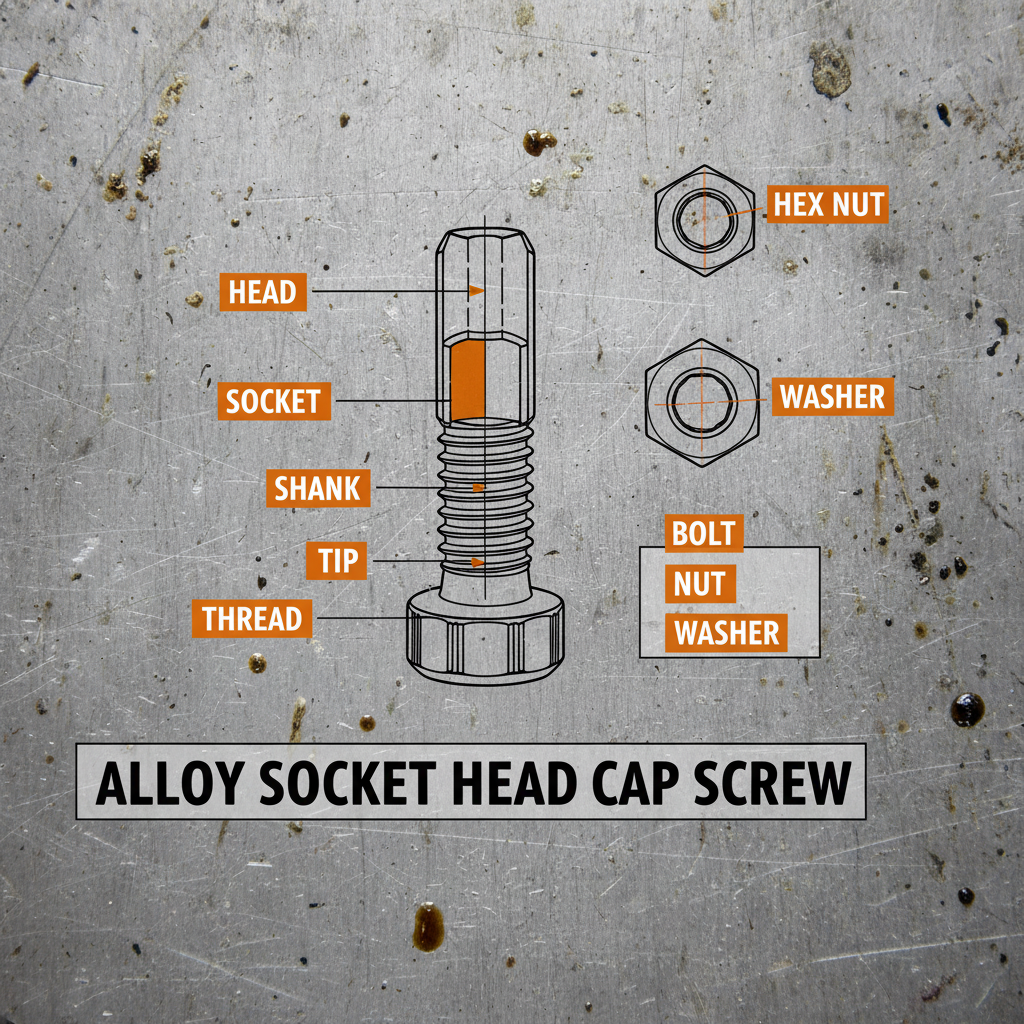
An allen socket head bolt is a type of fastener characterized by a cylindrical head with a hexagonal recess. This recess, also referred to as a hex socket, allows for tightening or loosening the bolt using an allen wrench. Unlike external-head fasteners, the internal drive minimizes protrusion and provides a cleaner, more aesthetically pleasing finish. The precise engagement of the allen wrench ensures a secure and consistent clamping force.
The connection between the allen socket head bolt and modern industry is profound. It’s not merely a component; it’s a critical element in assembling complex machinery, vehicles, and structures. From securing engine components in automobiles to fastening panels in aircraft, the allen socket head bolt’s reliability is paramount.
In humanitarian contexts, while not directly a solution like shelter, the availability of standardized fasteners like the allen socket head bolt is crucial for the repair and maintenance of equipment used in disaster relief efforts and for building sustainable infrastructure in developing regions.
Durability is a cornerstone of allen socket head bolt design. High-quality materials and precise manufacturing processes ensure resistance to corrosion, fatigue, and shear stress. This robustness extends the lifespan of assembled products and reduces the need for frequent maintenance or replacement. The choice of material often dictates the specific applications; for example, stainless steel bolts are favored in corrosive environments.
Torque capability is another significant characteristic. The hexagonal socket design allows for the application of higher torques compared to other fastener types, leading to tighter, more secure connections. This is especially critical in applications involving vibration or dynamic loads. This enhanced torque transmission is a key reason why allen socket head bolts are commonly used in automotive and aerospace industries.
Precision is inherent in the manufacturing of allen socket head bolts. The tight tolerances maintained during production ensure consistent dimensions and a perfect fit with the corresponding allen wrench. This precision translates to more accurate assembly and reduced risk of errors. Finally, the availability of different head styles (flat, button, oval) and point types (cup, dog, cone) provides adaptability for a broad range of applications.
The automotive industry extensively utilizes allen socket head bolts for engine components, suspension systems, and chassis assembly. Their high torque capability and reliability ensure the integrity of critical connections, contributing to vehicle safety and performance. The aerospace industry similarly relies on these bolts for aircraft structures and engine components, where exacting standards are paramount.
In the manufacturing sector, allen socket head bolts are integral to assembling machinery, equipment, and tooling. Their ability to withstand vibration and repeated use makes them ideal for industrial applications. Furthermore, in the construction industry, they secure structural elements, building facades, and mechanical systems.
The primary advantage of using an allen socket head bolt lies in its superior torque transmission capability. This leads to tighter, more reliable connections, reducing the risk of loosening due to vibration or stress. Furthermore, the recessed head provides a cleaner aesthetic and minimizes the risk of injury during handling. The availability of allen socket head bolt in various materials enhances its applicability across a broad range of environments.
From a long-term perspective, the durability of these bolts translates to reduced maintenance costs and extended product lifespan. Their resistance to corrosion and fatigue minimizes the need for frequent replacements, offering significant cost savings over time. The use of high-quality materials and precise manufacturing processes ensures consistent performance and reliability.
One emerging trend is the development of self-locking allen socket head bolts. These bolts incorporate features that prevent loosening under vibration, further enhancing safety and reliability. Another area of innovation is the exploration of new materials, such as titanium alloys and advanced composites, to reduce weight and improve performance in demanding applications.
Furthermore, the integration of smart technology, such as embedded sensors, is being investigated. These sensors could monitor torque levels, detect loosening, and provide real-time data on fastener performance, enabling predictive maintenance and improving overall system reliability. The use of digital twins and simulations will also play a role in optimizing bolt designs and material selection.
A common challenge is the potential for corrosion, particularly in harsh environments. Innovative solutions include the development of advanced coatings, such as zinc-nickel plating and ceramic coatings, to enhance corrosion resistance. Another challenge is the risk of galling – the adhesion of metal surfaces during tightening. Surface treatments, such as lubricating coatings and specialized alloys, can mitigate this issue.
Supply chain disruptions and material sourcing can also pose challenges. Diversifying suppliers and exploring alternative materials can help mitigate these risks. Furthermore, adopting sustainable manufacturing practices, such as reducing waste and energy consumption, is becoming increasingly important.
The increasing demand for smaller and more lightweight fasteners requires advancements in manufacturing techniques, such as micro-machining and additive manufacturing (3D printing), to produce high-precision components with complex geometries.
| Challenge | Severity (1-10) | Potential Solution | Implementation Cost (1-10) |
|---|---|---|---|
| Corrosion | 7 | Advanced Coatings (Zinc-Nickel, Ceramic) | 6 |
| Galling | 5 | Lubricating Coatings & Specialized Alloys | 4 |
| Supply Chain Disruptions | 8 | Supplier Diversification & Alternative Materials | 7 |
| Material Sourcing | 6 | Sustainable Material Practices & Recycling | 5 |
| Miniaturization | 4 | Micro-Machining & Additive Manufacturing | 8 |
| Stripped Heads | 3 | Higher Quality Alloys & Precise Manufacturing | 4 |
The primary difference lies in the drive system. A standard hex bolt uses an external hex head requiring a wrench, while an allen socket head bolt utilizes an internal hexagonal recess requiring an allen wrench. This internal drive allows for higher torque application, a cleaner appearance, and reduced risk of stripping. Allen bolts are also generally more compact. Therefore, the allen socket head bolt is favored in precision applications.
Allen socket head bolts are commonly manufactured from carbon steel, alloy steel, and stainless steel. Carbon steel is often used for general applications, while alloy steel offers increased strength and durability. Stainless steel provides excellent corrosion resistance, making it ideal for outdoor or harsh environments. The choice of material depends heavily on the intended application and environmental conditions.
The size of the allen wrench corresponds directly to the diameter of the hexagonal recess in the bolt head. Allen wrench sizes are typically measured in millimeters or inches. Consult a sizing chart or the bolt's specifications to ensure you use the correct wrench. Using the wrong size can damage the bolt head and the wrench.
To prevent stripping, always use the correct size allen wrench, apply even pressure during tightening or loosening, and avoid over-tightening. Consider using a torque wrench to ensure precise tightening. If the bolt is corroded or difficult to turn, apply a penetrating lubricant before attempting to loosen it. Inspect the allen wrench for wear and replace if necessary.
While generally reliable, standard allen socket head bolts can loosen in high-vibration environments. To address this, consider using self-locking allen socket head bolts, which incorporate features like nylon inserts or thread-locking compounds to prevent loosening. Additionally, using a properly torqued bolt and periodic inspection can help maintain secure connections.
You can purchase high-quality allen socket head bolts from reputable fastener suppliers, industrial distributors, and online retailers. When selecting a supplier, ensure they offer certified products that meet industry standards. Fastenboen is a trusted source for a wide range of high-quality fasteners, including allen socket head bolts.
In conclusion, the allen socket head bolt remains an indispensable fastener across countless industries due to its superior torque capability, durability, and versatility. Its simple yet effective design continues to meet the evolving demands of modern engineering and manufacturing. From automotive and aerospace to construction and beyond, the reliable performance of this component underpins the functionality and safety of numerous products and structures.
Looking ahead, innovations in materials, coatings, and smart technology will further enhance the capabilities of the allen socket head bolt, addressing challenges related to corrosion, vibration, and miniaturization. By embracing sustainable manufacturing practices and exploring new applications, we can ensure the continued relevance and long-term value of this essential fastener. Visit our website at www.boenfasteners.com to explore our comprehensive selection of high-quality allen socket head bolts.
If you are interested in our products, you can choose to leave your information here, and we will be in touch with you shortly.