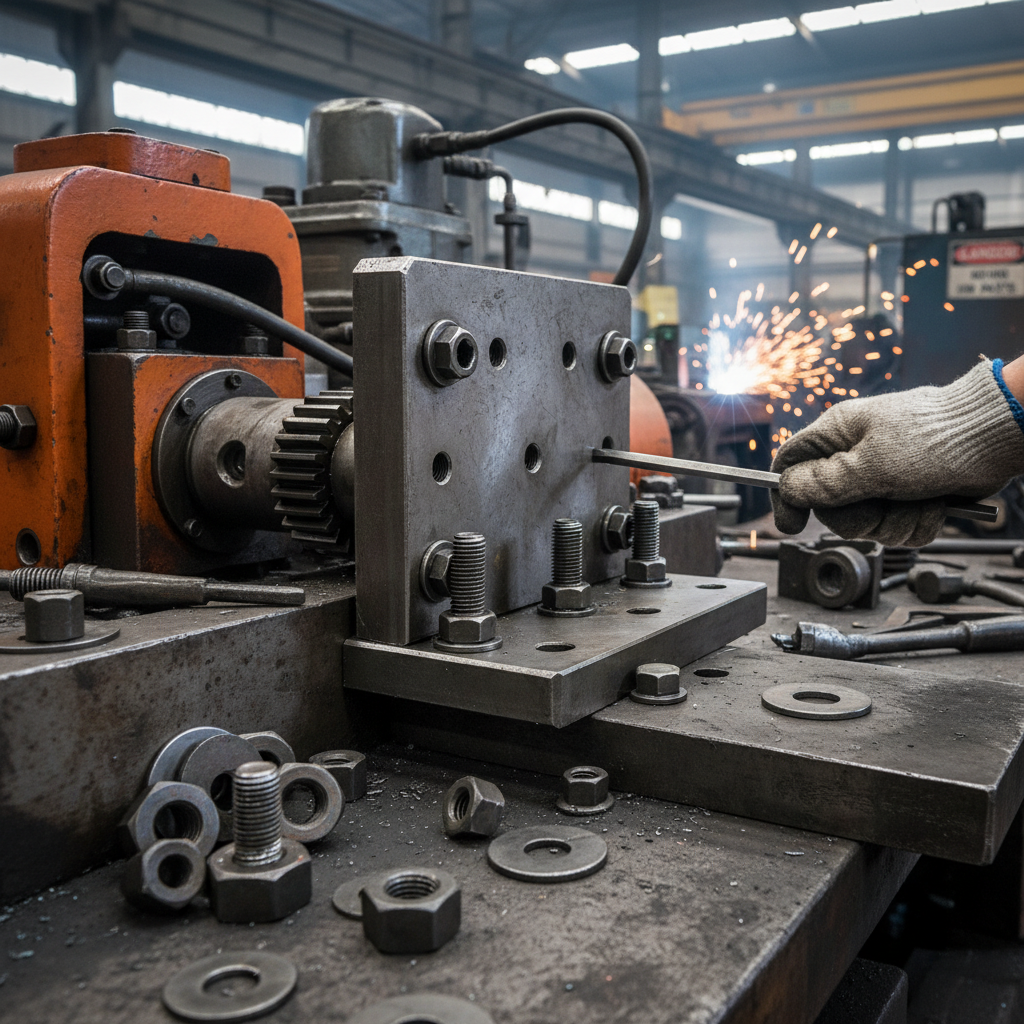
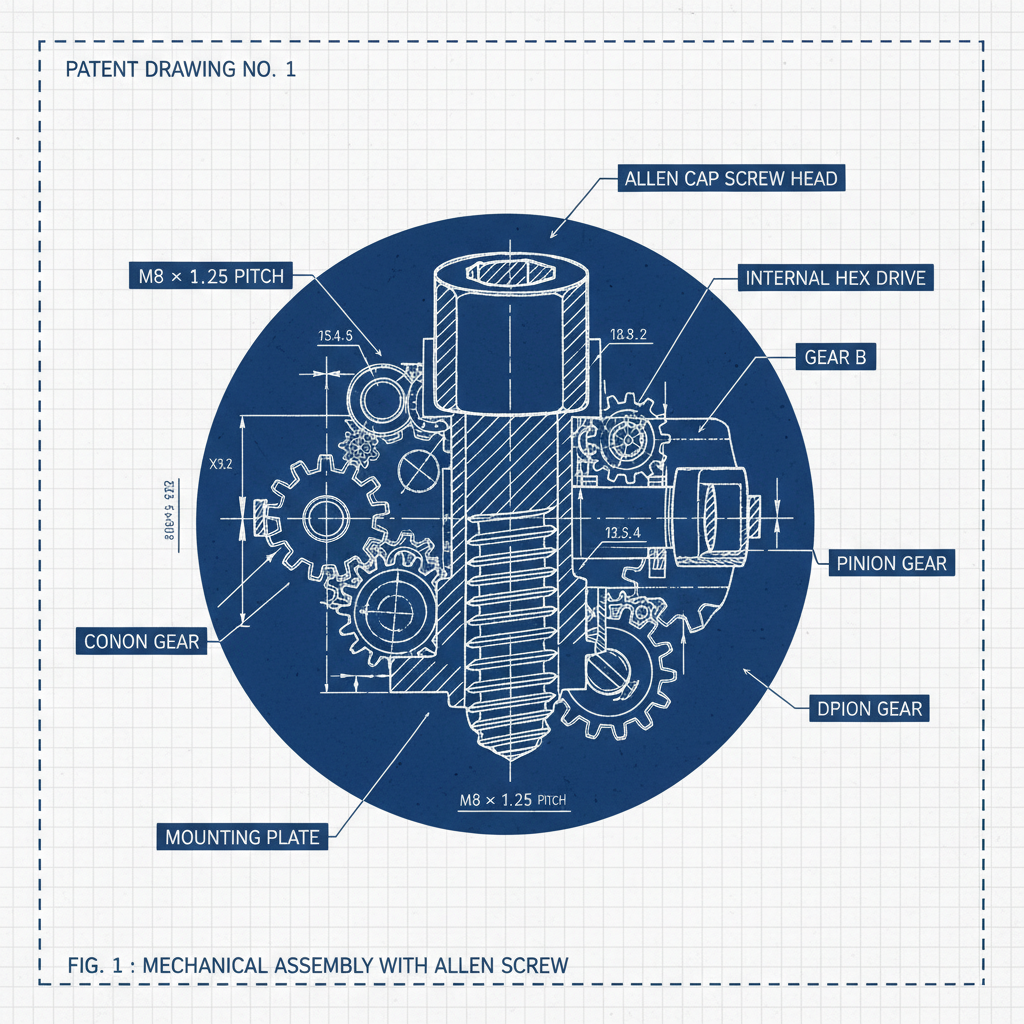
The ubiquitous allen socket head cap screw plays a critical, yet often unseen, role in modern engineering and manufacturing. From the intricate mechanisms of aerospace to the robust construction of everyday appliances, these fasteners provide reliable clamping force and secure assembly. Their precision and versatility have made them indispensable across a vast spectrum of industries, contributing to the efficiency, safety, and longevity of countless products. Understanding the nuances of these screws – their materials, standards, and applications – is vital for engineers, designers, and procurement professionals alike.
Globally, the demand for high-quality fasteners, including the allen socket head cap screw, is consistently growing, driven by expanding infrastructure projects, automotive production, and technological advancements. According to industry reports, the global fastener market is projected to reach billions of dollars in the coming years. This growth presents opportunities, but also challenges, related to supply chain resilience, material sustainability, and quality control. The increasing emphasis on lightweighting in industries like aerospace and automotive is further fueling the demand for precision fasteners capable of withstanding stringent performance requirements.
The allen socket head cap screw addresses these challenges by offering a secure, repeatable, and highly adjustable fastening solution. Unlike traditional screw heads, the internal drive design minimizes the risk of cam-out, allowing for higher torque application and tighter clamping forces. This is essential in applications where vibration, stress, or fatigue are significant factors. Furthermore, the compact head profile enables use in confined spaces, making it a versatile choice for a wide range of designs.
The Significance of the allen socket head cap screw
The allen socket head cap screw stands out due to its unique combination of strength, precision, and versatility. Its internal hexagonal drive allows for efficient torque transfer, minimizing the risk of stripping or damage. This makes it ideal for applications requiring high clamping forces and repeatable assembly processes.
Beyond its mechanical properties, the widespread adoption of this screw reflects a broader shift towards modular design and standardized components. This facilitates streamlined manufacturing, simplified maintenance, and reduced inventory costs, benefiting industries ranging from automotive to aerospace.
Global Relevance and Industry Context
The global manufacturing sector heavily relies on fasteners like the allen socket head cap screw. A 2023 report by the World Bank highlights a consistent increase in infrastructure spending in developing nations, directly correlating with increased demand for high-quality fasteners. This trend is amplified by the growth of automotive production in emerging markets, particularly in Asia.
A significant challenge facing the fastener industry is ensuring consistent quality control and adherence to international standards (e.g., ISO, DIN, ASTM). Counterfeit or substandard fasteners can lead to catastrophic failures, impacting safety and reliability. Traceability and rigorous testing are crucial to mitigate these risks.
The demand for sustainable manufacturing practices also impacts the fastener industry. Manufacturers are increasingly focused on reducing their carbon footprint, utilizing recycled materials, and optimizing supply chains to minimize environmental impact – a trend that influences material selection and production processes for components like the allen socket head cap screw.
Defining the allen socket head cap screw
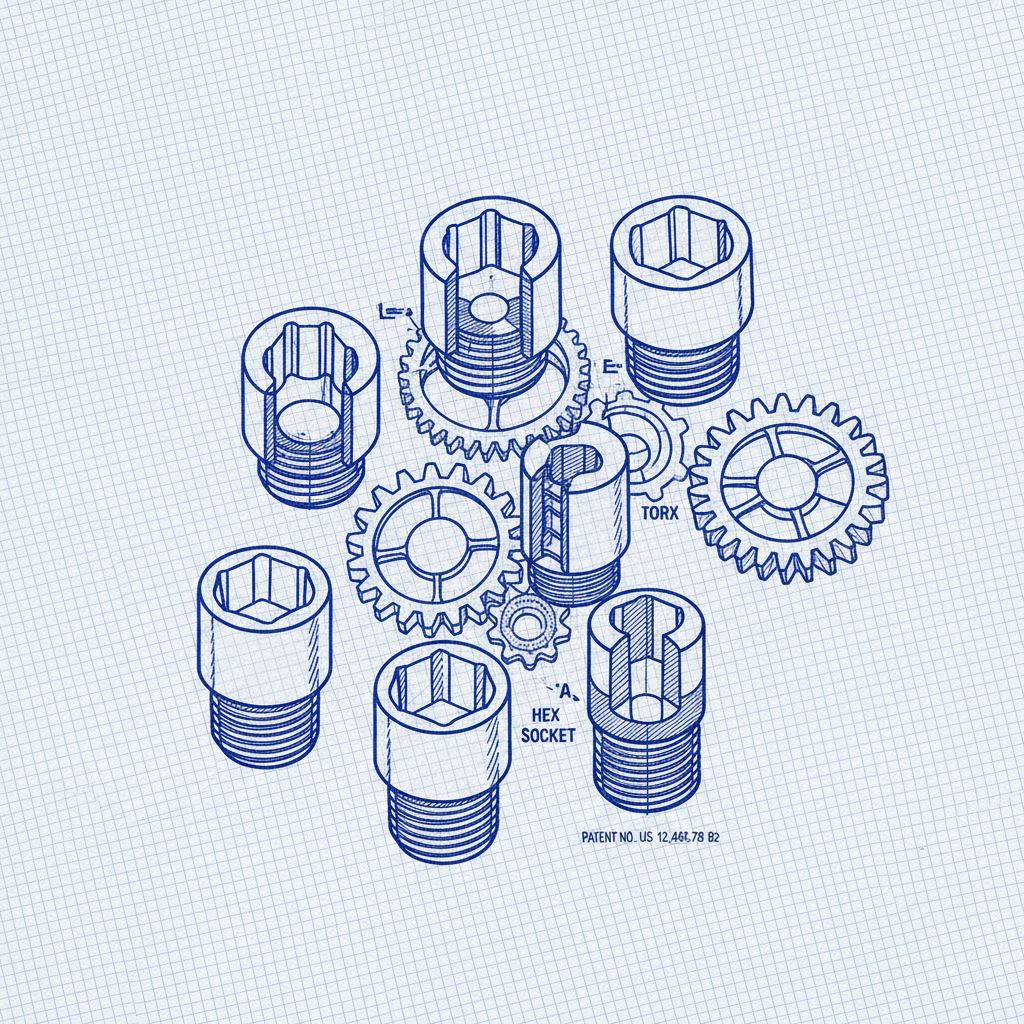
An allen socket head cap screw is a type of fastener characterized by a cylindrical head with a recessed hexagonal socket. This socket accepts a hexagonal key (often referred to as an Allen wrench or hex key) to drive the screw. The cap head provides a low profile, making it suitable for applications where space is limited.
Its connection to modern industry is profound. The screw's ability to provide reliable clamping force, combined with its ease of installation and removal, has made it a cornerstone of assembly processes across countless industries. From securing critical components in automobiles and aircraft to fastening enclosures in electronic devices, the allen socket head cap screw enables efficient and secure construction.
The standardization of these screws, governed by organizations like ISO and DIN, ensures interchangeability and compatibility across different manufacturing systems, furthering efficiency and reducing reliance on proprietary components. This standardization allows for global sourcing and cost optimization.
Key Factors: Performance Characteristics
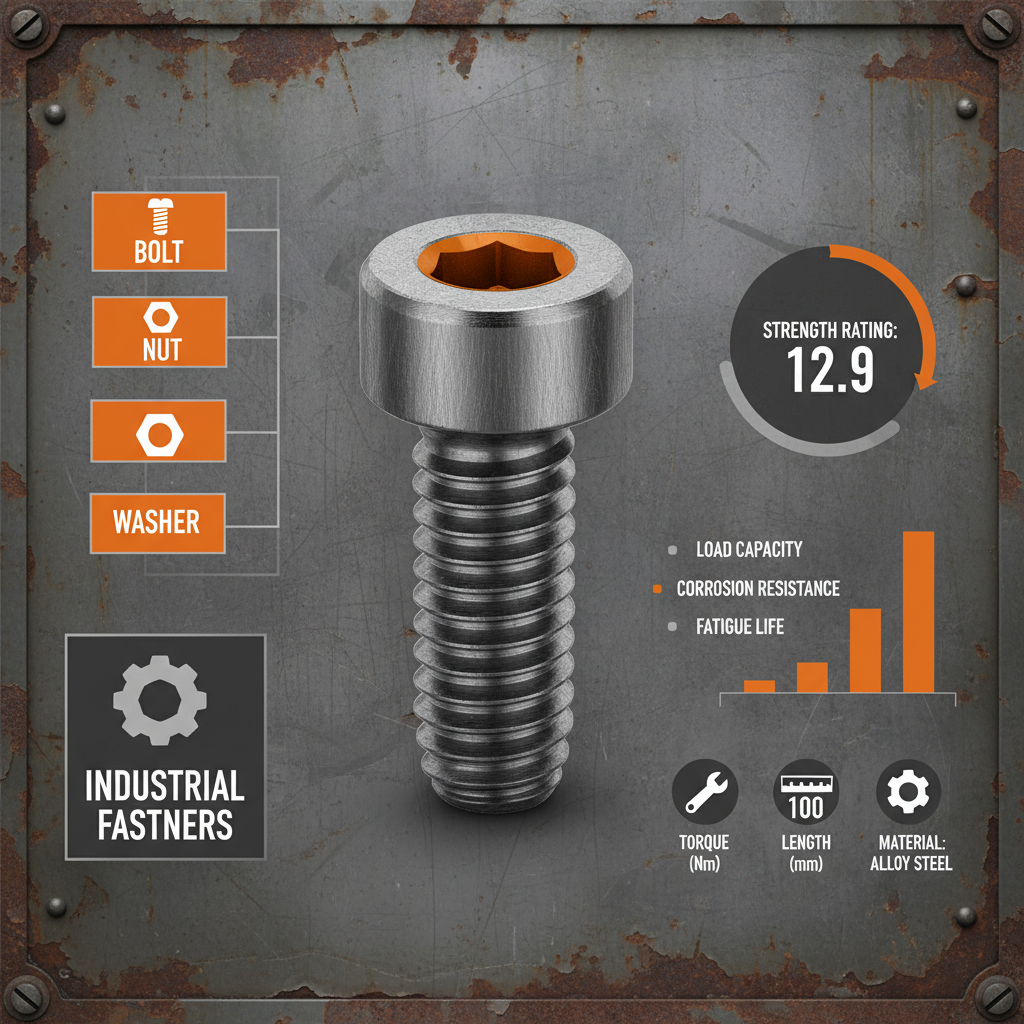
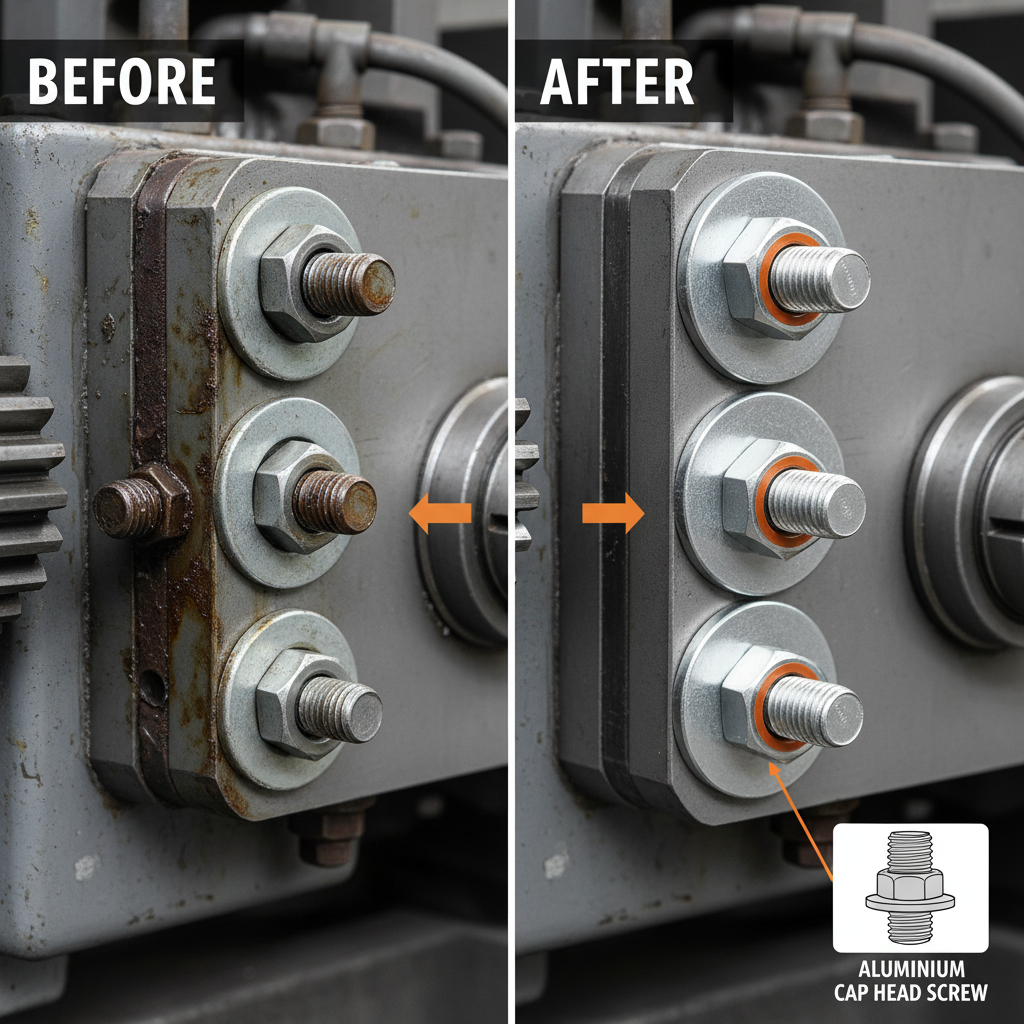
Durability is a paramount characteristic of the allen socket head cap screw. Manufactured from materials like steel alloys (e.g., stainless steel, carbon steel) and often treated with coatings (e.g., zinc plating, black oxide), these screws resist corrosion, wear, and tear, ensuring long-term performance.
Another key factor is torque capability. The internal hexagonal drive design minimizes cam-out, allowing for significantly higher torque application compared to slotted or Phillips head screws. This is crucial in applications requiring strong clamping forces and resistance to loosening under vibration.
allen socket head cap screw Performance Metrics
Global Applications and Use Cases
In the automotive industry, allen socket head cap screws are used extensively in engine components, chassis assembly, and interior fittings. Their high torque capacity and resistance to vibration are crucial for ensuring the reliability and safety of vehicles.
Aerospace applications demand even higher precision and reliability. These screws are used in aircraft structures, control systems, and engine mounts where failure is not an option. Strict quality control and material traceability are essential in this sector.
Advantages and Long-Term Value
The cost-effectiveness of allen socket head cap screws is a significant advantage. While the initial cost may be slightly higher than some other fastener types, their durability and reduced risk of failure translate into lower long-term maintenance and replacement costs.
The reliability of these screws also contributes to enhanced safety and peace of mind. In critical applications, knowing that the fasteners are secure and will not fail under stress is invaluable. This is particularly important in industries where human lives are at stake.
Furthermore, the standardization of allen socket head cap screws fosters innovation by enabling manufacturers to easily integrate these components into new designs and assembly processes, leading to continuous improvements in product quality and performance.
Future Trends and Innovations
The development of new materials, such as high-strength alloys and lightweight composites, will drive innovation in allen socket head cap screw manufacturing. These materials will enable the creation of even more durable and efficient fasteners for demanding applications.
Digital transformation is also impacting the industry. The use of sensors and data analytics to monitor fastener performance and predict potential failures is becoming increasingly common. This allows for proactive maintenance and prevents costly downtime.
Sustainability will continue to be a key driver of innovation. The development of eco-friendly coatings and manufacturing processes will reduce the environmental impact of allen socket head cap screw production and usage.
Summary of Future Trends for the allen socket head cap screw
| Trend Category |
Innovation Focus |
Impact on allen socket head cap screw |
Implementation Timeline |
| Materials Science |
High-Strength Alloys |
Increased load-bearing capacity and durability. |
Short-Term (1-3 years) |
| Manufacturing Technology |
Additive Manufacturing |
Customized screw designs and reduced material waste. |
Medium-Term (3-5 years) |
| Data Analytics |
Predictive Maintenance |
Proactive identification of potential failures. |
Short-Term (1-3 years) |
| Sustainability |
Eco-Friendly Coatings |
Reduced environmental impact and improved corrosion resistance. |
Medium-Term (3-5 years) |
| Automation |
Robotic Assembly |
Increased efficiency and precision in assembly processes. |
Short-Term (1-3 years) |
| Standards & Regulation |
Digital Traceability |
Improved supply chain transparency and quality control. |
Long-Term (5+ years) |
FAQS
allen socket head cap screws are commonly manufactured from steel alloys, including stainless steel (304, 316) for corrosion resistance, carbon steel for high strength, and alloy steel for specialized applications. The choice of material depends on the intended environment and load requirements. Material certifications are crucial for ensuring quality and traceability.
Determining the correct size involves considering the thread diameter (M size) and length. The thread diameter must match the tapped hole, while the length should allow for sufficient engagement without protruding excessively. Engineering drawings and fastener selection guides are valuable resources. Always account for washers if used.
Metric screws use millimeters (mm) for dimensions and a standardized thread pitch, while imperial screws use inches (in) and a different thread standard (e.g., UNC, UNF). Mixing metric and imperial screws is generally not recommended as they are not interchangeable. Always verify the thread standard before installation.
Using the correct size hex key is paramount. Ensure the key is fully inserted into the socket before applying torque. Avoid applying excessive force. A quality hex key made from hardened steel is recommended. Consider using a torque wrench to ensure proper tightening without overstressing the screw.
Common finishes include zinc plating for corrosion resistance, black oxide for a matte appearance and mild corrosion protection, and passivated coatings for stainless steel to enhance corrosion resistance. Specialized coatings, such as PTFE, are used for applications requiring low friction. The finish choice impacts the screw's performance in different environments.
A flanged allen socket head cap screw incorporates a flange (a circular lip) under the head. This distributes the clamping load over a wider area, reducing stress on the joined materials. This is especially useful for softer materials or thin-walled components, preventing damage or deformation during tightening.
Conclusion
In conclusion, the allen socket head cap screw remains a vital component in countless industries worldwide. Its unique combination of strength, reliability, and versatility makes it an indispensable fastening solution. Understanding its properties, applications, and future trends is crucial for engineers, designers, and procurement professionals seeking to optimize performance and ensure long-term success.
Looking ahead, the evolution of materials, manufacturing processes, and digital technologies will further enhance the capabilities of this essential fastener. By embracing innovation and prioritizing sustainability, we can continue to leverage the benefits of the allen socket head cap screw for generations to come. Visit our website at www.boenfasteners.com to explore our comprehensive range of fasteners and discover how we can meet your specific needs.