Alloy socket head cap screws are fundamental fastening components utilized across a vast spectrum of industries, from automotive and aerospace to construction and medical engineering. Their ability to provide secure, reliable connections under demanding conditions makes them indispensable in modern manufacturing and infrastructure. Understanding the nuances of these screws – materials, standards, applications – is crucial for engineers, procurement professionals, and anyone involved in the design, assembly, or maintenance of mechanical systems. alloy socket head cap screws are critical for ensuring safety and longevity in countless applications.
The global market for fasteners, including alloy socket head cap screws, is experiencing consistent growth, driven by increasing industrialization, infrastructure development, and technological advancements. According to a report by the Fastener Manufacturers Institute, the global fastener market is projected to reach over $85 billion by 2027. However, challenges exist in maintaining consistent quality, navigating complex supply chains, and adapting to evolving material science innovations. Successfully addressing these challenges is vital for ensuring the reliable performance and widespread availability of these essential components.
The importance of selecting the correct alloy socket head cap screw cannot be overstated. A poorly chosen screw can lead to component failure, costly downtime, and even safety hazards. This guide delves into the key characteristics, applications, and future trends surrounding alloy socket head cap screws, providing a comprehensive overview for informed decision-making.
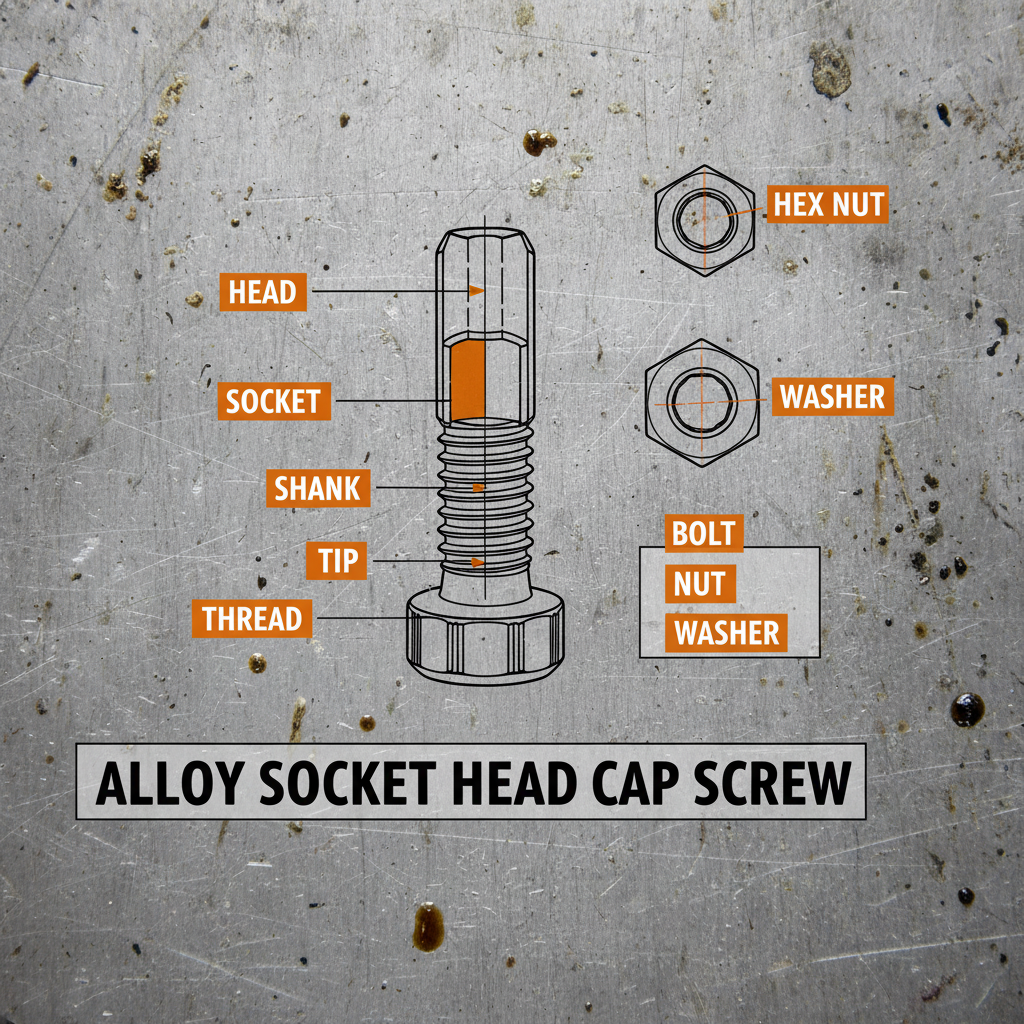
The Significance of Alloy Socket Head Cap Screws
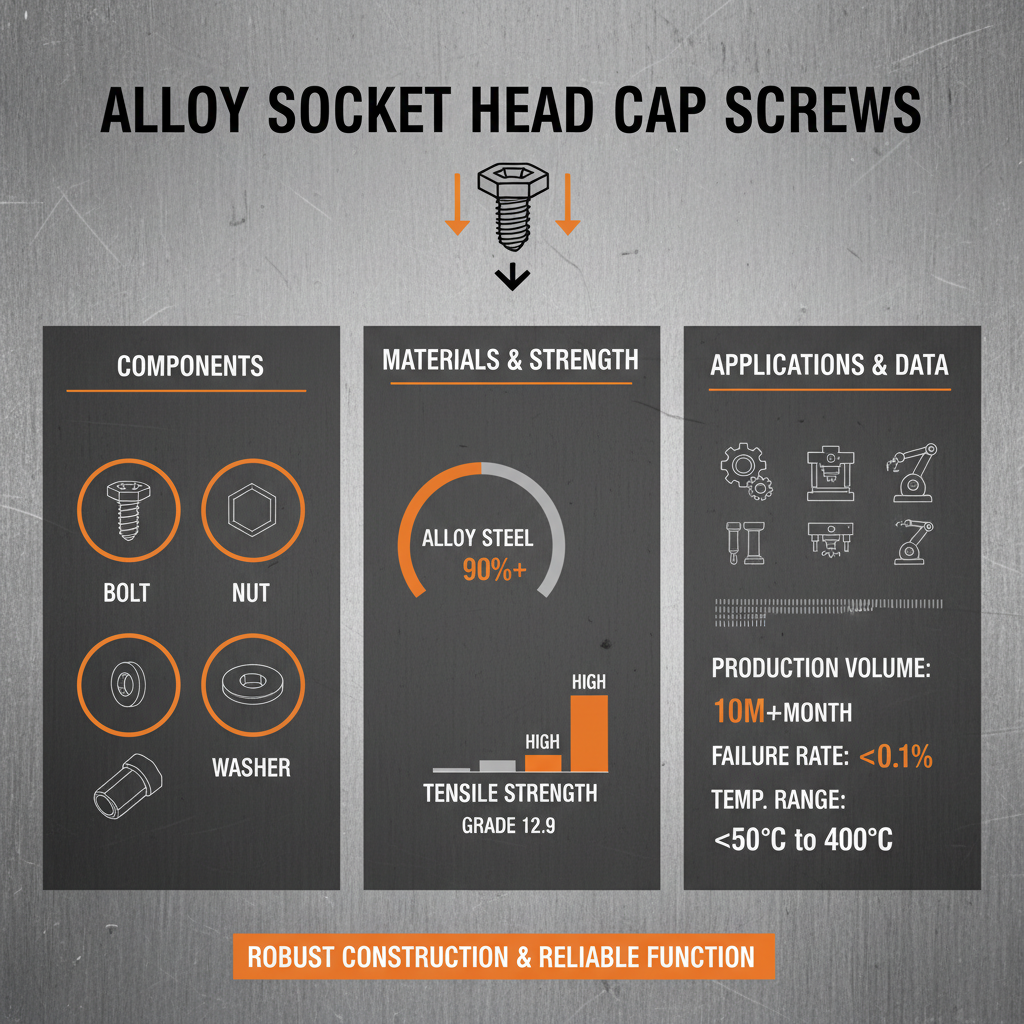
Alloy socket head cap screws are critical components in countless engineering applications, providing a robust and reliable fastening solution. Their inherent strength, corrosion resistance, and ability to withstand high stress levels make them superior to standard steel screws in many scenarios. Selecting the appropriate alloy is paramount, with options ranging from stainless steel to titanium, each offering unique properties tailored to specific environments and loads. alloy socket head cap screws represent a commitment to quality and durability.
The socket head design allows for higher torque application compared to other screw head styles, ensuring a tighter and more secure clamp load. This characteristic is particularly important in applications where vibration or dynamic loading is present. Furthermore, the consistent head geometry simplifies tooling and automation, increasing efficiency in assembly processes.
FAQS
Socket head cap screws feature a cylindrical head with a hexagonal recess (socket) for driving with an Allen wrench, allowing for higher torque. Button head cap screws have a low-profile, rounded head, offering a cleaner aesthetic but typically lower torque capacity. The choice depends on application requirements – alloy socket head cap screws are preferred for higher stress and precise torque control, while button heads are suitable for cosmetic applications.
For marine environments, 316 stainless steel is the recommended grade. It contains molybdenum, which significantly enhances its corrosion resistance, particularly against chloride attack from saltwater. While 304 stainless steel offers good corrosion resistance in general, it's susceptible to pitting and crevice corrosion in marine conditions. Using 316 alloy socket head cap screws ensures longevity and reliability in saltwater exposure.
To determine the correct length, measure the total thickness of the materials being joined. Then, add the length of the threaded portion of the screw and allow for a small amount of protrusion for clamping force. It's crucial to avoid bottoming out the screw, which can reduce clamping force and lead to failure. Referencing fastener dimension charts and consulting with an engineering professional can ensure accurate selection of alloy socket head cap screws.
Screw thread pitch refers to the distance between adjacent threads. A coarser pitch (fewer threads per inch) is generally stronger but requires more turning to achieve the same clamping force. A finer pitch (more threads per inch) provides more precise adjustment and is less prone to loosening due to vibration. The appropriate pitch depends on the application and the materials being joined, ensuring optimal performance of alloy socket head cap screws.
Several methods can prevent corrosion when using steel screws. These include applying protective coatings like zinc plating, hot-dip galvanizing, or powder coating. Using corrosion-inhibiting compounds on the threads can also provide additional protection. Selecting stainless steel alloy socket head cap screws is the most effective solution in highly corrosive environments.
Tightening to a specific torque value is crucial for achieving the correct clamping force. Use a calibrated torque wrench and refer to the manufacturer's specifications for the recommended torque value for the specific screw size and material. Over-tightening can damage the screw or the joined materials, while under-tightening can lead to loosening. Proper torque application ensures the reliability of alloy socket head cap screws.
Conclusion
In conclusion, alloy socket head cap screws are more than just fasteners; they are essential components underpinning the functionality and safety of countless systems across diverse industries. Their inherent strength, corrosion resistance, and versatility make them a preferred choice for demanding applications. Understanding the nuances of material selection, torque control, and future trends is critical for ensuring optimal performance and long-term reliability.
As technology advances and sustainability becomes increasingly important, innovation in fastener technology will continue to drive improvements in performance, efficiency, and environmental impact. By embracing new materials, digital technologies, and sustainable practices, we can ensure that alloy socket head cap screws remain a vital part of a more resilient and interconnected world. Visit our website at www.boenfasteners.com to explore our comprehensive selection of high-quality fasteners.
Related Posts
-

The Critical Role of Fasteners Bulk in Modern Construction Practices
-
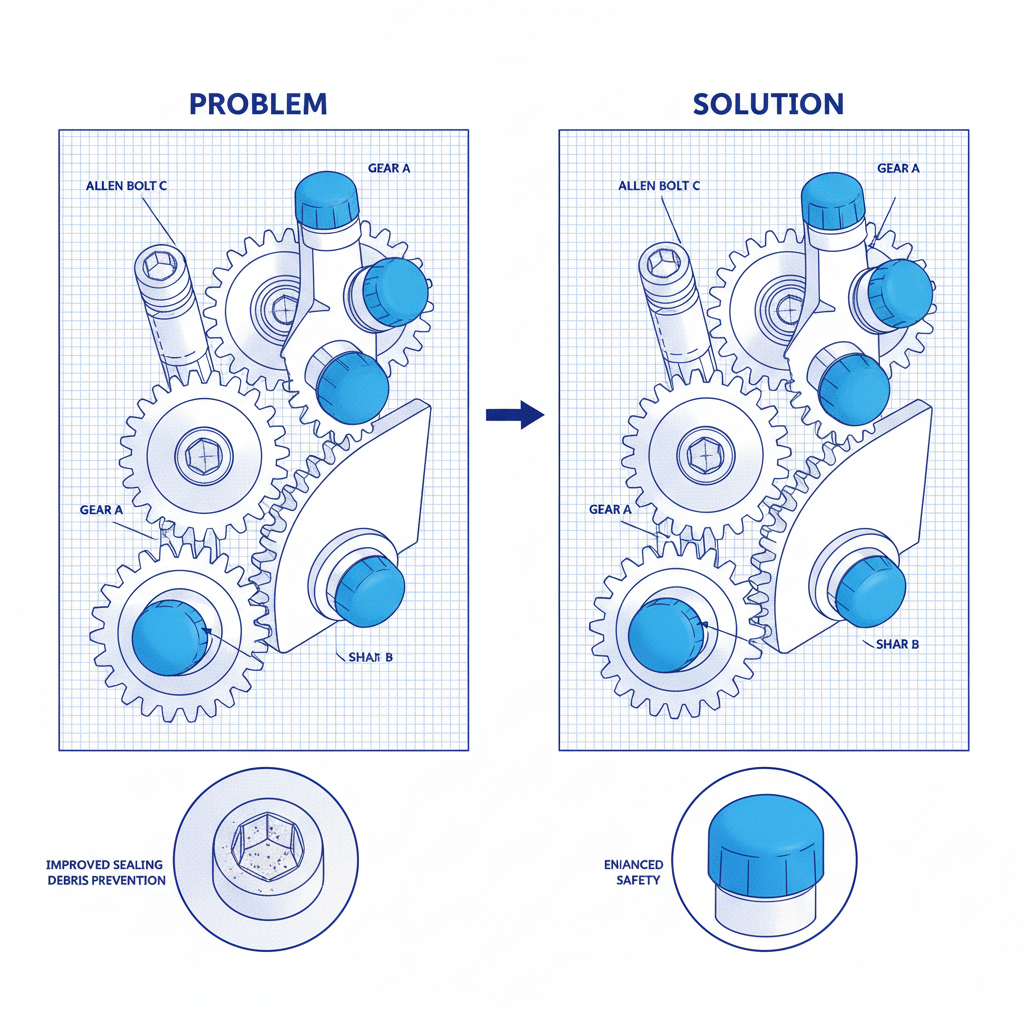
Exploring the Versatility and Importance of allen head bolt caps in Modern Industries
-
Comprehensive Guide to Brass Allen Head Screws Applications and Manufacturing
-

Understanding Fasteners Material for Enhanced Engineering and Construction Applications