Comprehensive Guide to Hex Cap Screw Sizes Dimensions and Applications
Understanding Hex Cap Screw Sizes: A Comprehensive Guide
When undertaking any construction, manufacturing, or assembly project, selecting the correct hex cap screws is crucial for structural integrity and safety. The term 'hex cap screw sizes' encompasses a variety of dimensions, materials, and thread types. This guide will provide a detailed overview of understanding these sizes, standards, and applications, helping you choose the right fasteners for your needs. Choosing the correct size ensures a secure and reliable connection, preventing costly failures and ensuring project success.
Key Dimensions in Hex Cap Screw Sizes
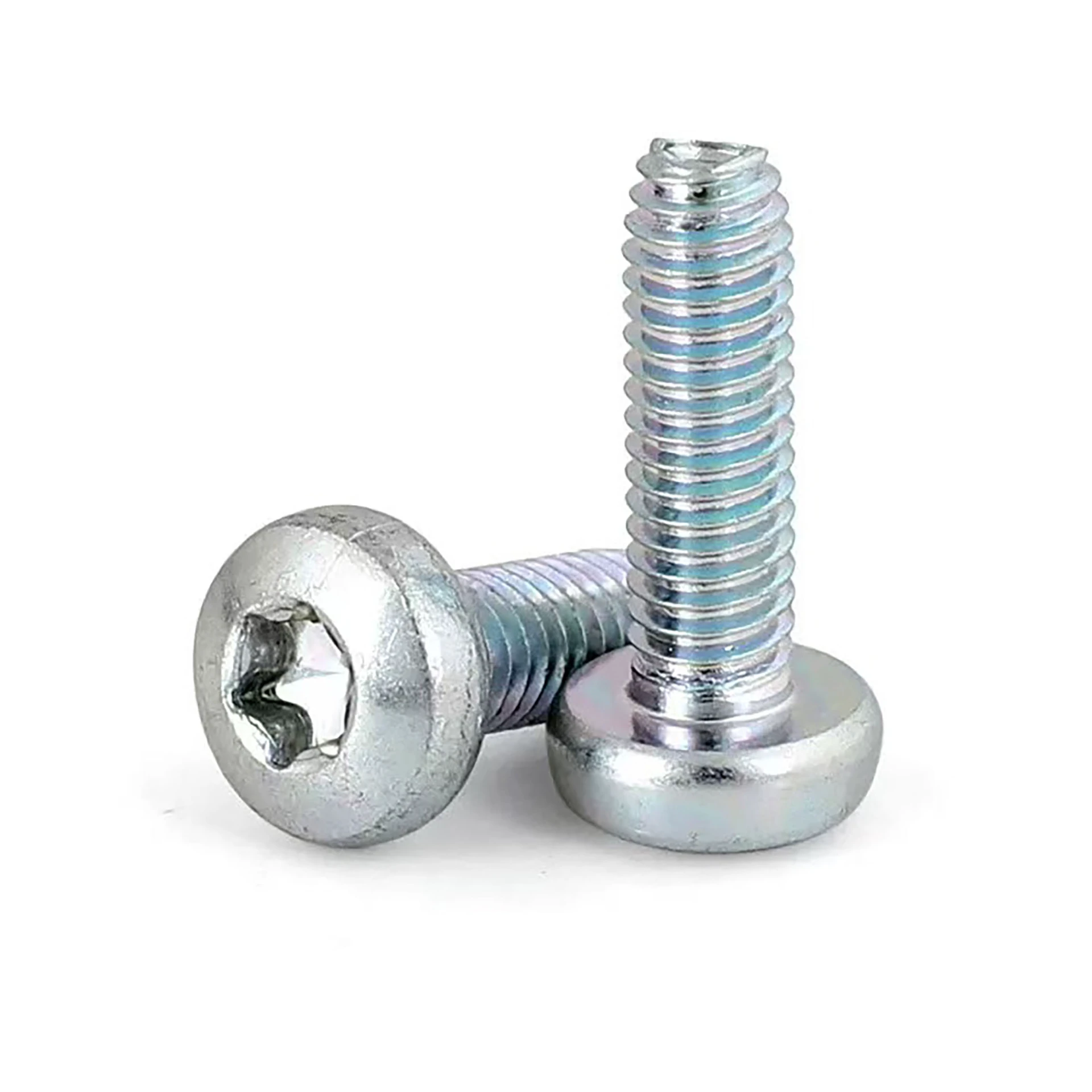
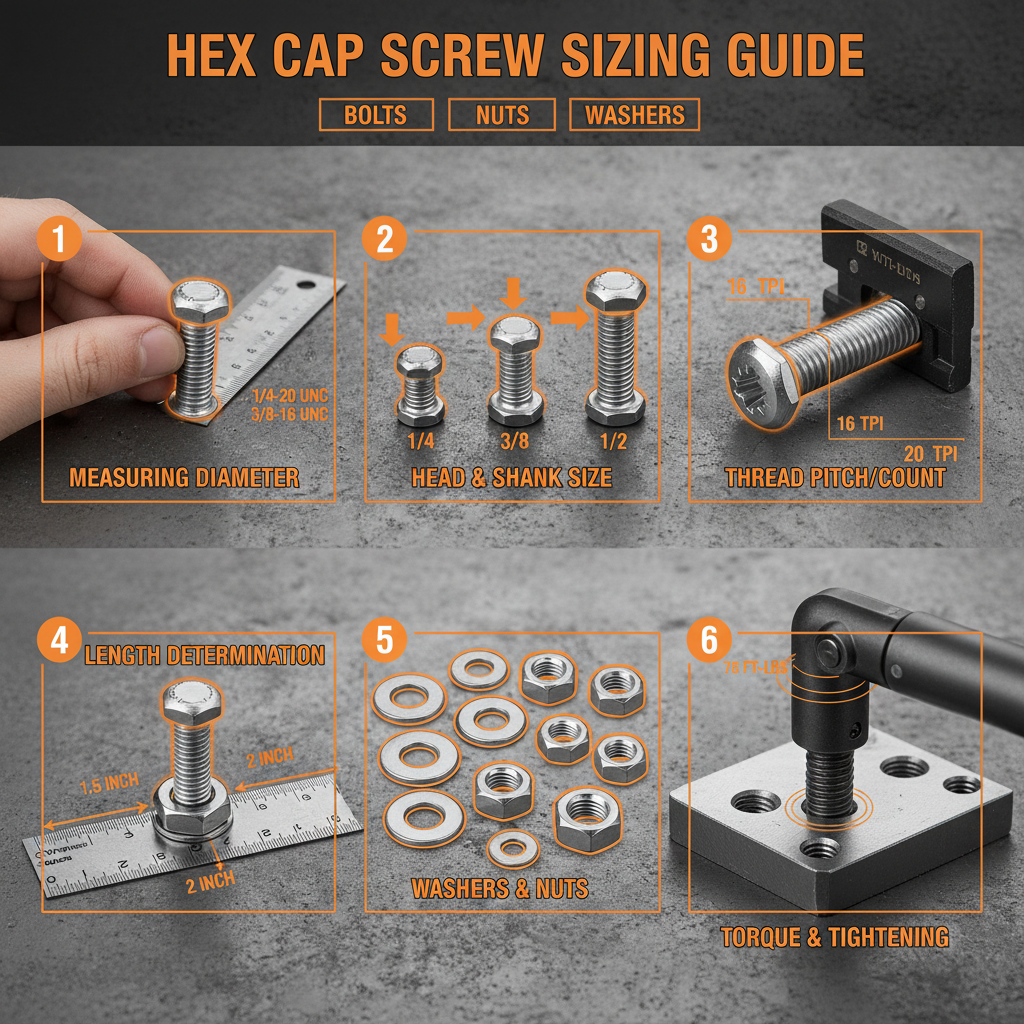
Understanding the different dimensions involved in hex cap screw sizing is the first step. The primary dimensions include diameter, thread pitch, and length. The diameter refers to the width of the screw's thread, typically measured in inches or millimeters. Thread pitch indicates the distance between adjacent threads. Finally, length is the measurement from the underside of the head to the tip of the screw. Knowing these dimensions is crucial for ensuring proper fit and preventing stripping or loosening. The strength grade is also a key consideration.
Key Takeaway: Diameter, thread pitch, and length are the fundamental dimensions defining a hex cap screw's size. Strength grade also impacts the load-bearing capacity.
Understanding Thread Standards: UNC, UNF, and Metric
Hex cap screws adhere to different thread standards, most commonly Unified National Coarse (UNC), Unified National Fine (UNF), and metric standards. UNC threads are generally used for general-purpose applications, offering good strength and ease of assembly. UNF threads provide a tighter fit and are often used in applications requiring higher precision or resistance to vibration. Metric threads, utilizing millimeters, are widely used internationally and offer a standardized system for global compatibility. Selecting the appropriate thread standard is vital for ensuring compatibility with nuts and tapped holes.
Thread Standard Breakdown:
• UNC: Coarse threads, general purpose.
• UNF: Fine threads, higher precision, vibration resistance.
• Metric: Millimeter-based threads, international standard.
Common Hex Cap Screw Sizes & Applications
Several hex cap screw sizes are commonly used across various industries. Here's a breakdown of frequently used sizes and their typical applications:
Material Considerations and Strength Grades
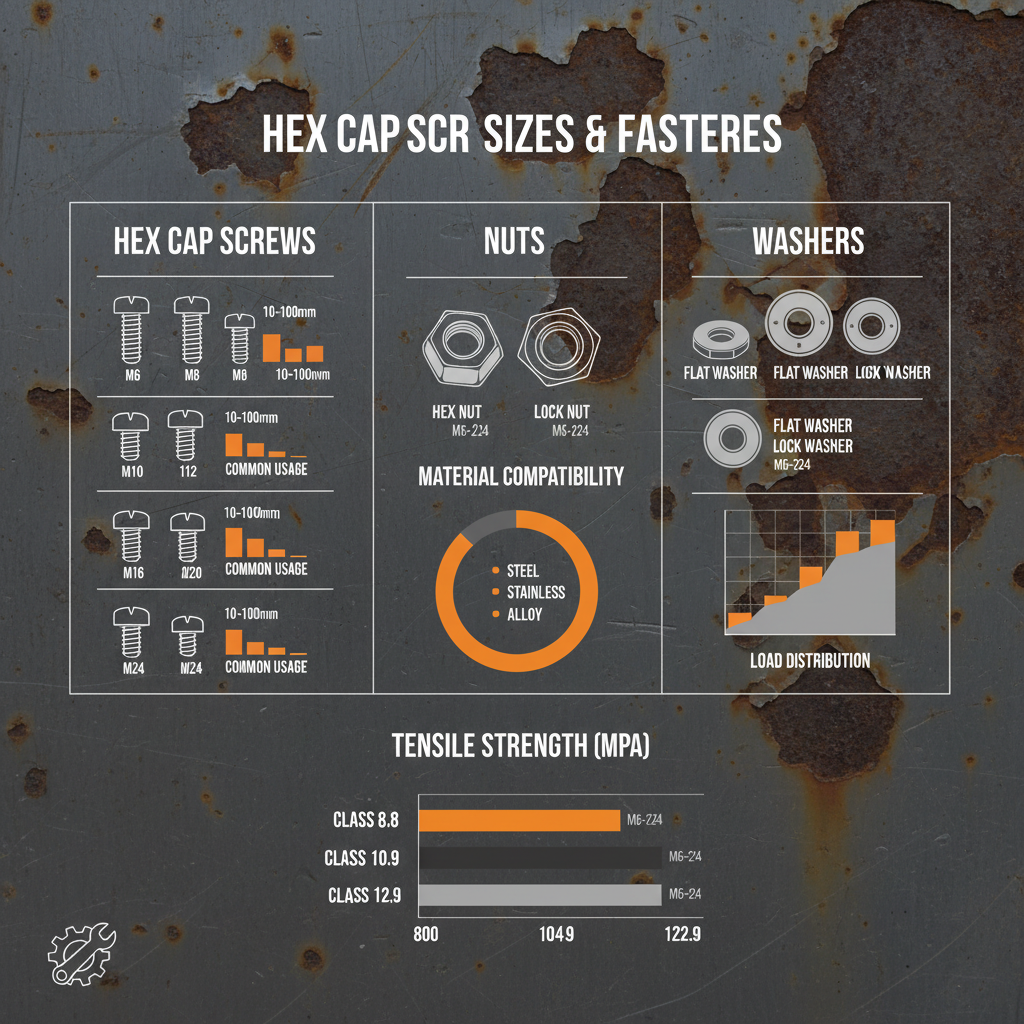
Hex cap screws are available in various materials, including carbon steel, stainless steel, and alloy steel. Carbon steel offers excellent strength but is susceptible to corrosion. Stainless steel provides superior corrosion resistance, making it ideal for outdoor or harsh environments. Alloy steel combines strength and durability, often used in high-stress applications. Strength grades, indicated by markings on the screw head, represent the tensile strength of the material. Higher strength grades are necessary for applications requiring greater load-bearing capacity. You can explore the range of materials offered by Fastenboen for specific applications.
Choosing the Right Size: A Step-by-Step Approach
Selecting the correct hex cap screw size involves a systematic approach. First, determine the required diameter based on the load and application. Next, select the appropriate thread pitch (UNC, UNF, or metric) based on compatibility requirements. Then, choose the length that ensures sufficient engagement with the tapped hole or nut. Finally, consider the material and strength grade needed to withstand the anticipated stresses. Consulting with a fastening specialist or referring to engineering specifications can ensure optimal selection. Fastenboen provides expert guidance to help you navigate these decisions.
Conclusion: Mastering Hex Cap Screw Sizes for Success
Understanding hex cap screw sizes and their associated standards is vital for any engineering or construction project. By considering the diameter, thread pitch, length, material, and strength grade, you can ensure a secure, reliable, and long-lasting connection. Investing in the right fasteners ultimately contributes to project safety, efficiency, and success. Don't compromise on quality – choose the right screws for the job.
Frequently Asked Questions (FAQs)
What does ‘Grade 8’ mean on a hex cap screw?
‘Grade 8’ refers to the strength of the hex cap screw, specifically its tensile strength. A Grade 8 screw is one of the strongest commonly available, with a tensile strength of approximately 150,000 PSI (pounds per square inch). It is typically marked with radial lines on the head. These screws are suitable for high-stress applications and are often used in automotive and heavy machinery. Lower grades, like Grade 5, have lower tensile strengths and are appropriate for less demanding applications. It’s critical to select the appropriate grade based on the load requirements of your project.
How do I determine the correct length of a hex cap screw?
Determining the correct length requires considering the thickness of the materials being joined, the height of the head, and the desired amount of thread engagement. A general rule of thumb is to ensure at least one to two thread diameters of engagement with the nut or tapped hole. Measure the total thickness of the materials, add the height of the screw head, and then add the desired thread engagement length. It is always better to err on the side of slightly longer, as a screw that is too short will not provide a secure connection.
What’s the difference between a hex cap screw and a hex bolt?
While often used interchangeably, there is a technical difference. Hex cap screws are fully threaded along their entire length, whereas hex bolts typically have a partially threaded shank. Cap screws are designed to be used with a nut or tapped hole, while bolts are often used with a nut and washer. In practice, the terms are frequently used interchangeably, particularly for smaller sizes.
What should I consider when selecting a material for outdoor applications?
For outdoor applications, corrosion resistance is paramount. Stainless steel is the preferred choice due to its excellent resistance to rust and weathering. However, carbon steel can be used if coated with a protective finish such as zinc plating or hot-dip galvanizing. The choice of material will depend on the severity of the environment and the desired lifespan of the connection. Consider the potential for exposure to saltwater, chemicals, or other corrosive elements.
Who We Are: The Right Fastener Partner for Global SMEs
Handan Boen Fastener Manufacturing Co., Ltd. (Est. 2010) specializes in producing standardized industrial fasteners, including bolts, nuts, washers, and other essential components. We provide cost-effective for small and medium-sized buyers in industries such as automotive parts, agricultural machinery, and construction.