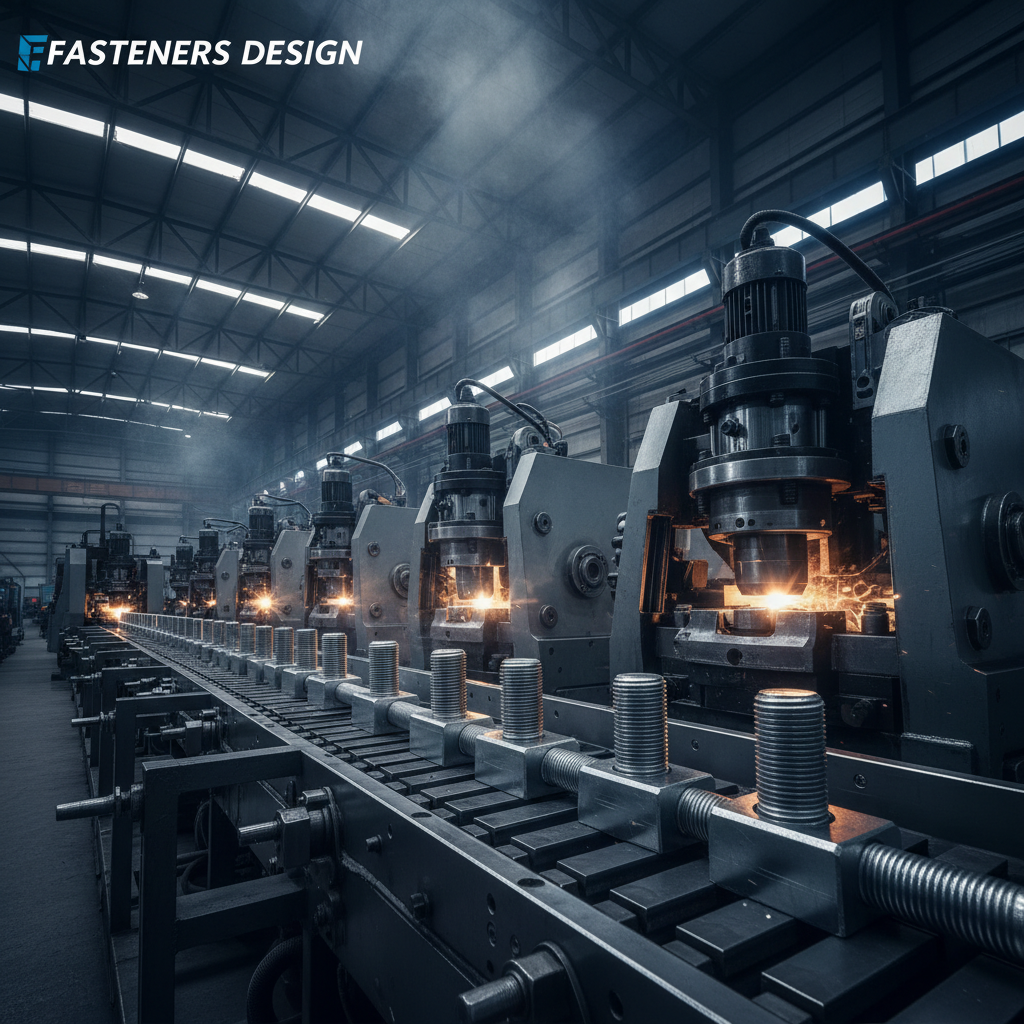
The humble bottom head cap screw, often overlooked, is a cornerstone of modern manufacturing and infrastructure. Its ability to securely fasten materials across diverse applications – from automotive assembly to aerospace engineering – makes it an indispensable component. Understanding the nuances of these fasteners, their materials, and their applications is crucial for engineers, procurement professionals, and anyone involved in the design and construction of complex systems. This understanding directly impacts safety, reliability, and ultimately, the longevity of finished products.
Globally, the demand for high-quality fasteners like the bottom head cap screw continues to grow alongside industrial expansion and infrastructure development. Emerging economies, in particular, are driving significant increases in fastener consumption. The push for lighter materials, improved corrosion resistance, and specialized fastening solutions further elevates the importance of informed fastener selection. The market isn't simply about price; it's about performance, compliance with industry standards, and the assurance of a secure and lasting connection.
The bottom head cap screw serves as a critical element in numerous industries, ensuring the structural integrity of countless products and structures. A focus on innovation in materials, coatings, and manufacturing processes enhances the screw’s performance in even the most demanding environments, safeguarding both investments and end-users.
Defining the Bottom Head Cap Screw
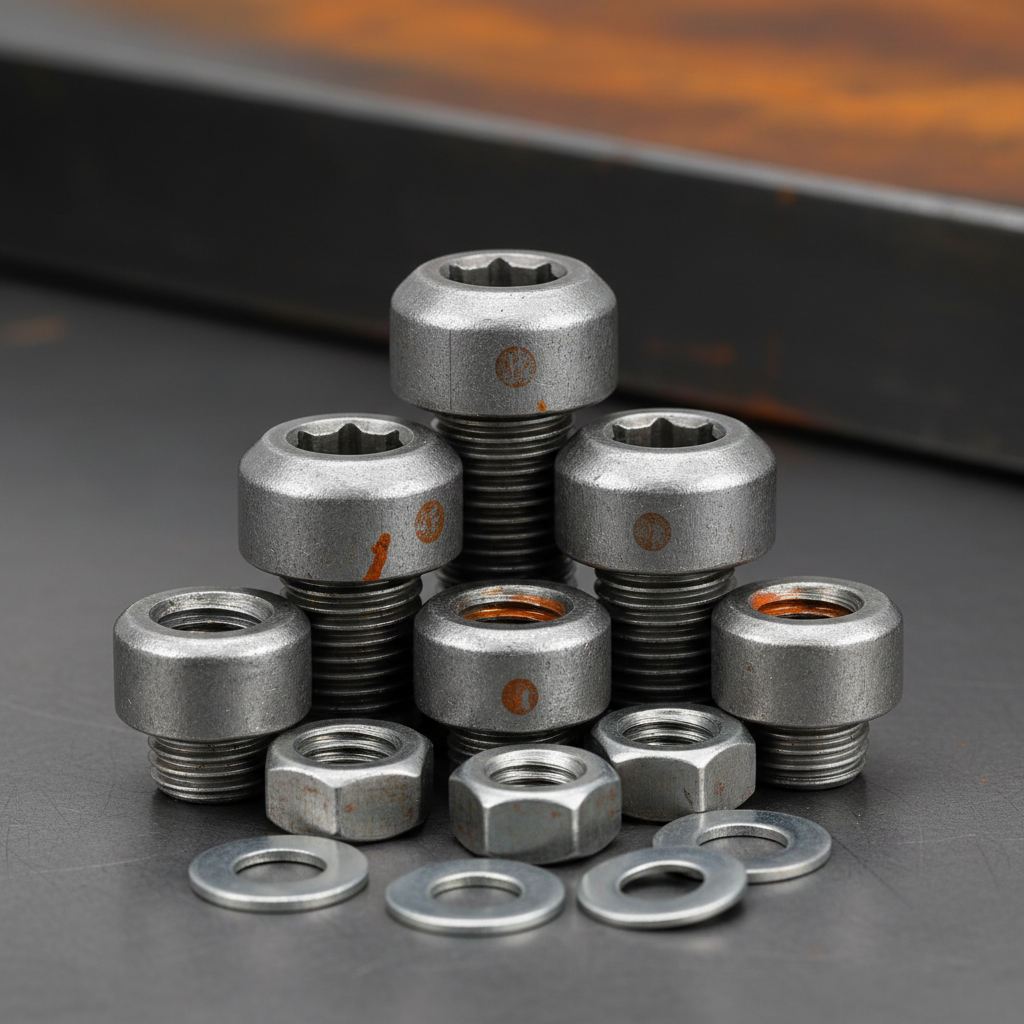
A bottom head cap screw is a type of fastener characterized by its low-profile head, designed to sit flush with or below the surface of the material being fastened. This is achieved through a recessed underside of the head. They are often used when a clean, unobtrusive finish is desired, or where space constraints prevent the use of a standard cap screw. The head design minimizes protrusion and reduces the risk of snagging or interference.
These screws are integral to the modern manufacturing landscape, offering a secure and reliable fastening solution across a wide spectrum of industries. They aren’t merely mechanical components; they're essential for ensuring the structural integrity and functional performance of countless products, from automobiles and electronics to machinery and construction projects. Choosing the right bottom head cap screw for a specific application is crucial for achieving optimal results and preventing costly failures.
The Global Significance of Bottom Head Cap Screws
The demand for bottom head cap screws is inextricably linked to global industrial output and infrastructure development. Regions experiencing rapid growth, such as Asia-Pacific, are driving the largest increases in fastener consumption. According to recent reports, the global fastener market is projected to reach [Insert statistic, e.g., $75 billion] by [Insert year, e.g., 2028], with a significant portion attributable to specialized fasteners like the bottom head cap screw. This growth reflects an increased focus on precision engineering and the demand for high-performance fastening solutions.
However, this demand isn’t without its challenges. Supply chain disruptions, fluctuating material costs (especially steel and alloys), and increasing competition require manufacturers and suppliers to adapt quickly. A key trend is the localization of fastener production, as companies seek to reduce lead times and mitigate risks associated with global sourcing.
The role of the bottom head cap screw extends beyond economic considerations. These fasteners are vital in ensuring the safety and longevity of critical infrastructure, from bridges and buildings to transportation systems. Proper specification and installation are paramount to prevent structural failures and maintain public safety.
Key Characteristics of Bottom Head Cap Screws
Several key characteristics define the performance and suitability of bottom head cap screws. Firstly, the head geometry is paramount. The recessed underside ensures a flush or below-surface finish, crucial in applications where aesthetics or clearance are critical. Secondly, the material composition dictates the screw’s strength, corrosion resistance, and temperature tolerance. Common materials include carbon steel, stainless steel (304, 316), and alloy steels.
The thread type (e.g., metric, imperial) and pitch influence the clamping force and the compatibility with tapped holes. Finally, the drive type (e.g., hex, Torx) affects the ease of installation and the torque that can be applied without damaging the fastener or the tool. Selecting the optimal combination of these characteristics is vital for achieving a secure and reliable fastening solution.
Material Selection and Performance
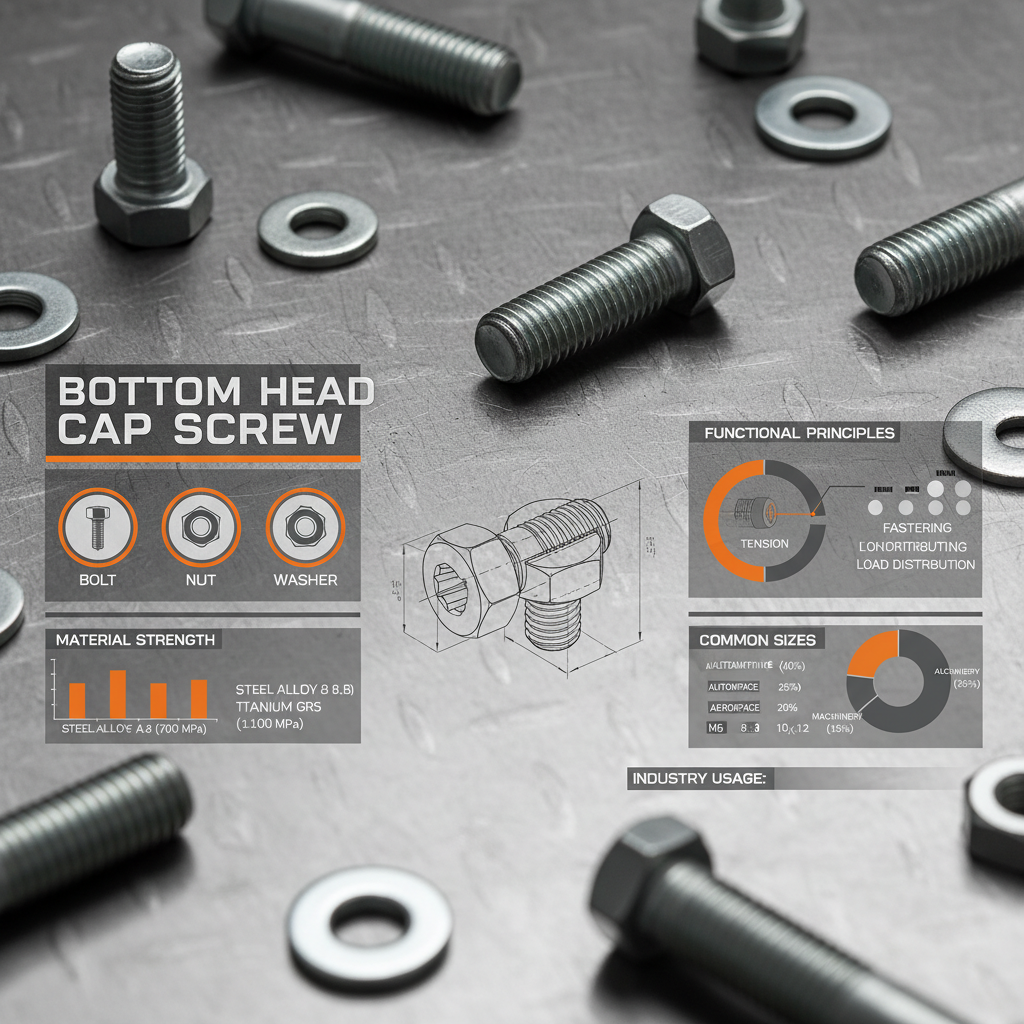
The material used to manufacture a bottom head cap screw significantly impacts its performance characteristics. Carbon steel offers high strength at a relatively low cost, making it suitable for general-purpose applications. However, it's susceptible to corrosion and may require additional coatings (e.g., zinc plating) for protection. Stainless steel, particularly grades 304 and 316, provides excellent corrosion resistance, making it ideal for outdoor or marine environments.
Alloy steels offer enhanced strength, toughness, and heat resistance, making them suitable for demanding applications such as aerospace and automotive. The choice of material must consider the operating environment, the load requirements, and the desired lifespan of the assembly. Proper material selection ensures long-term reliability and prevents premature failure.
Bottom Head Cap Screw Material Performance Comparison
Real-World Applications of Bottom Head Cap Screws
Bottom head cap screws find application across a surprisingly diverse range of industries. In the automotive sector, they are frequently used in engine components, interior trim, and chassis assemblies where a flush finish is required. The aerospace industry utilizes them in aircraft structures and control systems, benefitting from their high strength-to-weight ratio and reliability.
Within the electronics industry, bottom head cap screws secure components in enclosures and provide a neat and professional aesthetic. In the manufacturing of machinery and equipment, they are essential for assembling housings, mounting brackets, and securing panels. They are also found in furniture assembly, medical devices, and even architectural applications.
Advantages and Long-Term Value Proposition
The primary advantage of using bottom head cap screws lies in their ability to provide a secure and aesthetically pleasing fastening solution. The flush or below-surface finish eliminates protruding heads, reducing the risk of damage, snagging, or interference. This is particularly important in applications where safety and ergonomics are paramount.
From a long-term perspective, the use of high-quality bottom head cap screws contributes to the overall reliability and lifespan of assembled products. Choosing the right material and grade ensures corrosion resistance, preventing premature failure and reducing maintenance costs. This translates to significant savings over the lifetime of the product, making them a valuable investment.
Future Trends and Innovation in Fastener Technology
The future of fastener technology is focused on several key areas. Lightweighting is a major driver, with increasing demand for fasteners made from materials like titanium and advanced alloys. Smart fasteners, incorporating sensors and data analytics, are emerging, providing real-time monitoring of stress levels and potential failures.
Additive manufacturing (3D printing) is also poised to revolutionize fastener production, enabling the creation of custom designs and complex geometries with greater efficiency. Sustainability is another crucial trend, with a growing focus on using recycled materials and developing environmentally friendly coatings. The evolution of bottom head cap screws will continue to be shaped by these innovations, leading to even more reliable, efficient, and sustainable fastening solutions.
Furthermore, advancements in surface treatments and coatings will enhance corrosion resistance and improve the longevity of bottom head cap screws, reducing the need for frequent replacements and minimizing environmental impact.
FAQS
A Grade 8 bottom head cap screw typically boasts a tensile strength ranging from 150,000 to 170,000 PSI. This high strength makes them suitable for demanding applications requiring robust clamping force and resistance to deformation. However, always refer to the manufacturer's specifications for precise values, as variations can occur based on material composition and manufacturing processes.
Yes, bottom head cap screws can be used with aluminum, but it's crucial to choose the correct material to prevent galvanic corrosion. Stainless steel or fasteners with a protective coating (like zinc-nickel) are recommended to avoid damaging the aluminum. It’s also important to use appropriate torque values to avoid stripping the aluminum threads.
Torx drives offer several advantages over hex drives, including increased torque transfer, reduced cam-out (slippage), and a longer tool life. This results in more efficient and reliable fastening, particularly in applications where high torque is required. The Torx drive’s six-point star shape provides a more secure engagement with the screw head, minimizing the risk of damage.
Common coatings include zinc plating, black oxide, nickel plating, and ceramic coatings. Zinc plating is a cost-effective option for general corrosion protection. Black oxide provides a mild level of corrosion resistance and a dark aesthetic finish. Nickel plating offers improved corrosion resistance, while ceramic coatings provide exceptional protection in harsh environments.
The correct length is determined by the total thickness of the materials being fastened, plus the desired amount of thread engagement. Generally, at least half the screw's length should be engaged in the tapped hole. Carefully measure the stack-up of components and account for any washers or spacers to ensure proper installation and clamping force.
Yes, several industry standards govern the manufacturing and performance of bottom head cap screws. Common standards include ISO, DIN, ANSI, and ASTM. These standards define dimensions, material properties, mechanical requirements, and testing procedures. Adhering to these standards ensures quality, reliability, and interchangeability of fasteners.
Conclusion
In conclusion, the bottom head cap screw is a deceptively simple yet vital component in a vast array of industries. Its unique head design, coupled with the versatility of available materials, makes it an indispensable fastening solution for applications requiring a flush finish, high strength, and long-term reliability. Understanding its characteristics, applications, and future trends is crucial for engineers, manufacturers, and anyone involved in the design and construction of modern products and structures.
Looking ahead, continued innovation in materials, coatings, and manufacturing processes will undoubtedly enhance the performance and sustainability of bottom head cap screws. By embracing these advancements and prioritizing quality and proper specification, we can ensure that these essential fasteners continue to play a critical role in building a safer, more efficient, and more sustainable future. To explore our wide range of bottom head cap screws and find the perfect solution for your needs, visit our website: Fastenboen.