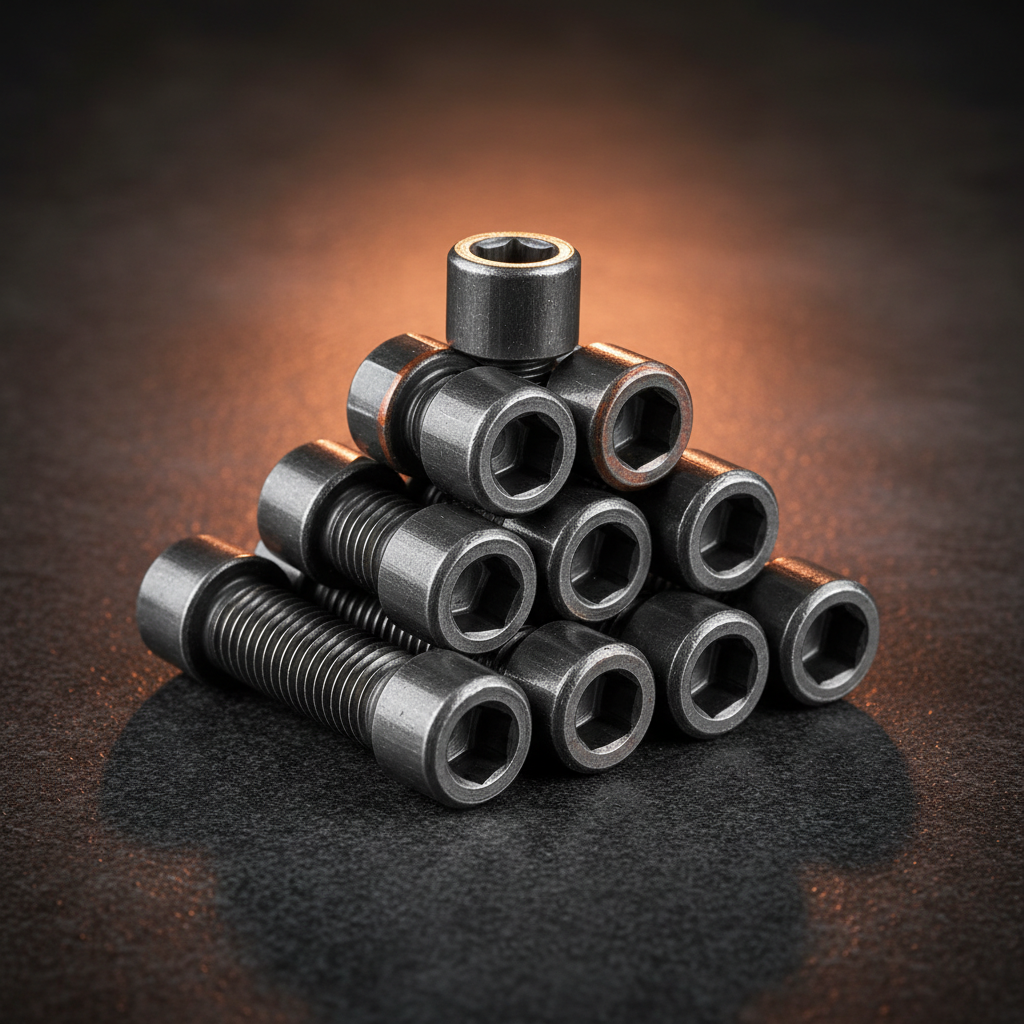
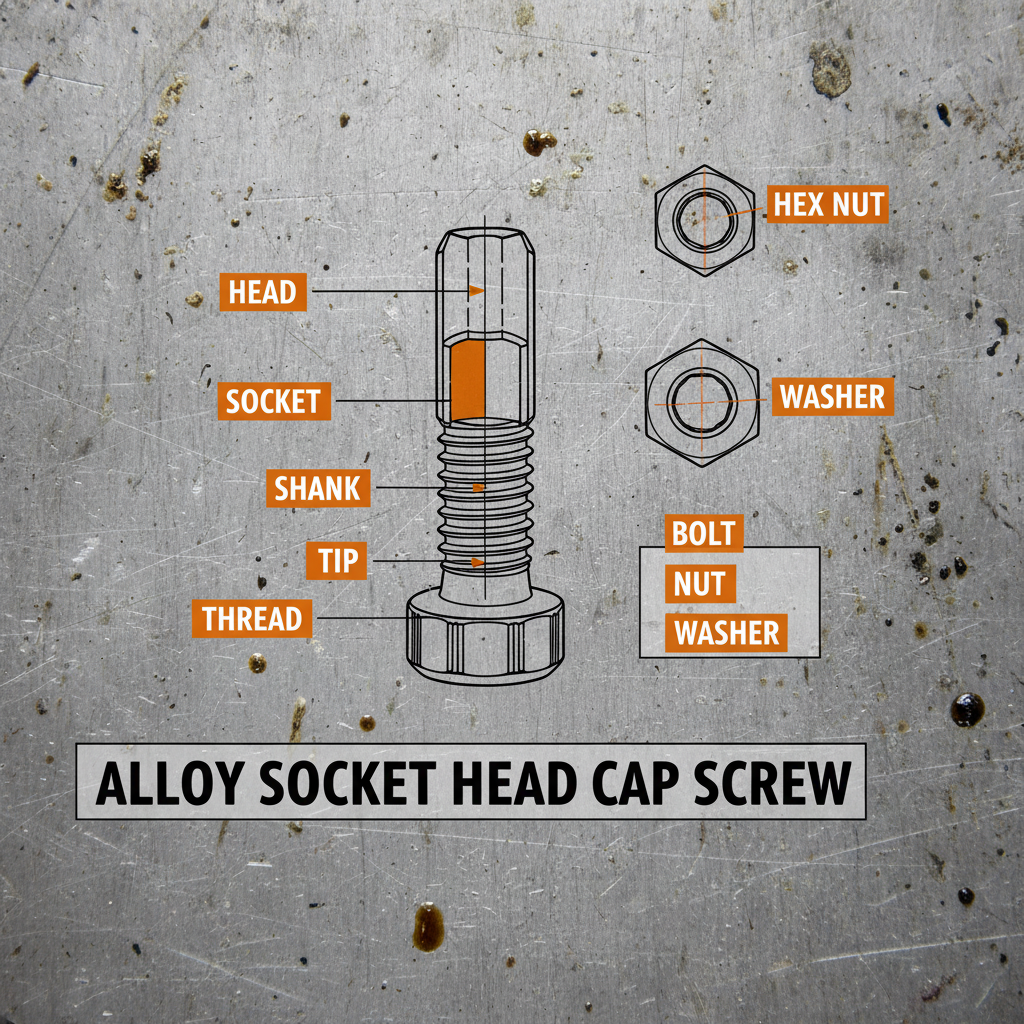
Look, I've spent fifteen years walking steel beams and getting dust in my teeth. I've seen shortcuts taken, and I've seen projects held up because of something as simple as the wrong fastener. That’s why understanding the role of the bolt head cap is absolutely critical. It’s not just a little piece of plastic; it’s about safety, efficiency, and protecting your investment, from the initial build to years down the line. We’re talking about protecting threads, preventing injuries, and ultimately, keeping projects on schedule and under budget.
What gets overlooked is that a properly installed and maintained bolt head cap isn’t just a preventative measure – it’s a statement. It tells everyone on site you care about quality, and it reduces long-term maintenance costs. I’ve seen crews spend hours cleaning and re-tapping damaged bolts when a simple cap could’ve prevented it all. It impacts everything from large-scale infrastructure to smaller fabrication jobs; the need is universal.
And it's not just about construction. Think about automotive, aerospace, even renewable energy – anywhere you have bolted joints, you need protection. It’s a small component with massive ripple effects. Ignoring this detail is like building a house on a shaky foundation. It might stand for a while, but eventually, something’s going to give.
The Critical Role of bolt head cap in Modern Engineering
From a practical standpoint, a bolt head cap isn’t something you consider after the fact; it’s integrated into the initial design and installation. I’ve seen engineers design amazing structures, only to have field crews bypass the caps to save a few minutes, and then spend weeks fixing corrosion and seized bolts later. It's a classic case of penny-wise, pound-foolish. We're talking about potentially catastrophic failures if these details are ignored.
The importance extends beyond just preventing corrosion. It provides a clean, finished look, reduces the risk of snagging clothing or equipment, and contributes to a safer overall work environment. And honestly, a well-maintained bolt with a properly fitted cap simply looks professional. It shows pride in workmanship, and that matters.
Understanding the Global Significance of bolt head cap
Globally, the demand for reliable fastening solutions – and therefore, effective bolt head caps – is skyrocketing, especially in developing nations undergoing rapid infrastructure growth. The UN estimates that over $1 trillion dollars per year is needed to address infrastructure gaps, and a significant portion of that relies on secure bolted connections. Failures here aren't just financial setbacks; they have real-world consequences for communities.
Consider the impact on supply chains. A disruption in the production or distribution of these seemingly small components can halt massive projects. We’ve seen this happen with everything from bridge construction to wind turbine installations. ISO standards are increasingly emphasizing the importance of protective caps as part of a comprehensive quality control system.
The challenge isn’t just producing enough; it’s ensuring consistency and quality across the board. Counterfeit or substandard caps are a real issue, and they can lead to premature failure and significant safety risks. Traceability and certification are becoming crucial factors in the global market.
Defining bolt head cap: Function and Application
Simply put, a bolt head cap is a protective covering designed to shield the head of a bolt from environmental factors like moisture, dust, and debris. It also prevents accidental damage and makes the overall structure safer. It's a small part, usually made of plastic, but it's surprisingly robust when you get a good one.
But it’s more than just protection. A cap also maintains the integrity of the bolt's tightening torque. By preventing corrosion and debris buildup, it ensures the bolt remains secure over time. Think about bridges, high-rise buildings, or even critical machinery – consistent torque is non-negotiable for structural integrity.
Its application spans virtually every industry. From securing components in automotive manufacturing to protecting fasteners on offshore oil rigs, the need for reliable bolt head caps is constant and growing. It's a fundamental element of preventative maintenance and long-term durability.
Key Factors Influencing bolt head cap Performance
Durability is paramount. A flimsy cap that cracks or breaks under stress is worse than no cap at all. Material selection is critical – you need a polymer that can withstand UV exposure, temperature fluctuations, and chemical exposure.
Then there's fit. A loose cap allows debris to enter, defeating the purpose. A cap that’s too tight can be difficult to install and may damage the bolt head. Proper sizing and a secure fit are essential for optimal protection.
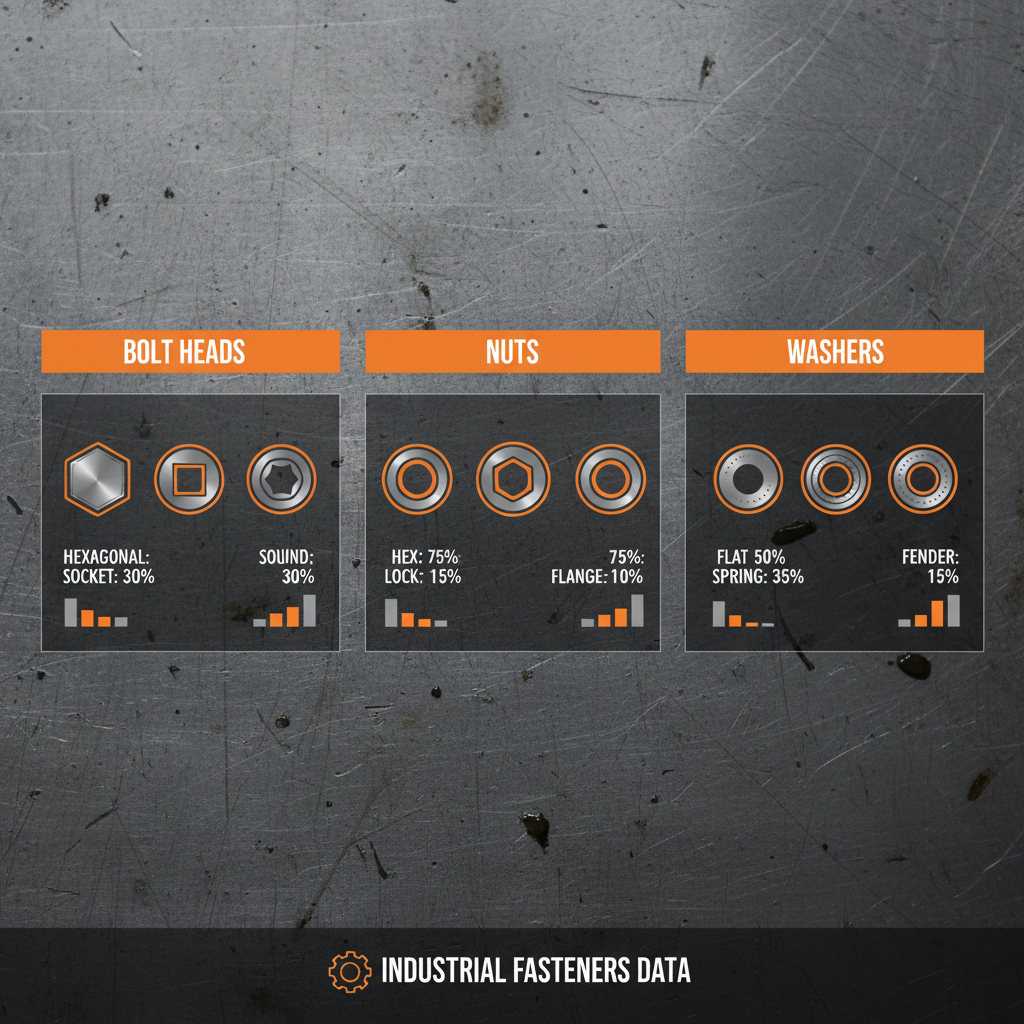
bolt head cap Performance Metrics
Real-World Applications of bolt head cap Across Industries
In the offshore energy sector, protecting bolts from saltwater corrosion is absolutely critical. A failed bolt on a wind turbine or oil platform can have catastrophic consequences. High-quality bolt head caps are a standard requirement for these applications.
Similarly, in the automotive industry, ensuring the longevity of bolted connections is essential for vehicle safety and reliability. Caps prevent rust and maintain proper torque, reducing the risk of component failure.
Advantages and Long-Term Value of Utilizing bolt head cap
The upfront cost of a bolt head cap is minimal compared to the cost of repairing or replacing a corroded or damaged bolt. That’s a direct cost savings, but the benefits extend beyond that. Reduced maintenance downtime translates to increased productivity and lower operational expenses.
There’s also a sustainability aspect. By extending the life of bolted connections, you’re reducing the demand for new materials and minimizing waste. It’s a small step, but it contributes to a more responsible and environmentally friendly approach to engineering.
And let’s not forget about safety. Preventing bolt failure reduces the risk of accidents and injuries, protecting workers and the public. That’s a value you can’t put a price on.
Future Trends and Innovations in bolt head cap Technology
We’re starting to see the development of “smart” caps that incorporate sensors to monitor bolt tension and corrosion levels. This allows for proactive maintenance and early detection of potential problems.
Biodegradable caps are also gaining traction, particularly in environmentally sensitive applications. These caps offer the same level of protection but reduce the environmental impact at the end of their lifecycle.
The integration of 3D printing technology is allowing for the creation of customized caps tailored to specific bolt sizes and applications. This level of precision and flexibility is a game-changer.
Summary of Key Considerations for bolt head cap Selection
| Material Composition |
Environmental Resistance |
Installation Ease |
Cost-Effectiveness |
| Polypropylene (PP) |
Moderate UV and Chemical Resistance |
Easy to Install, Flexible |
Low |
| Polyethylene (PE) |
Good Moisture Resistance |
Simple, Requires minimal tools |
Low to Moderate |
| Nylon |
High Impact Resistance |
Secure Fit, Requires Moderate Force |
Moderate |
| PVC |
Excellent Chemical Resistance |
Durable, Requires Precision |
Moderate to High |
| ABS |
Good All-Around Performance |
Easy to Mold, Versatile |
Moderate |
| Thermoplastic Elastomers (TPE) |
Superior Flexibility and Sealing |
Excellent Grip, Long-lasting |
High |
FAQS
Honestly, it's skimping on quality. A cheap cap might seem like a saving, but it won’t hold up to the elements or the stress of a construction site. You end up replacing them constantly, and potentially dealing with bigger issues down the line. Always choose a cap made from a durable, UV-resistant material that’s specifically designed for the environment it’ll be used in. Don’t just grab the cheapest option; think long-term.
You might think they're only needed outdoors, but that’s not necessarily true. Indoor environments can still have corrosive elements – humidity, cleaning chemicals, even airborne particles. Plus, caps prevent accidental snagging and injuries, which is important in any workspace. It's a proactive step toward safety and maintenance, regardless of the location.
Always measure the head of the bolt accurately. Caps come in different sizes to accommodate various bolt diameters. A snug fit is key – not so tight that it’s difficult to install, but not so loose that it can easily fall off. Refer to the manufacturer’s sizing chart and, if in doubt, err on the side of slightly larger; you can always use a shim to get a perfect fit.
The most common materials are polypropylene (PP), polyethylene (PE), nylon, and PVC. Each has its pros and cons. PP is good for general use, PE offers excellent moisture resistance, nylon is strong and durable, and PVC is highly chemical resistant. The best choice depends on the specific application and the environmental conditions.
It depends on the environment, but a good rule of thumb is to inspect them at least annually, and more frequently in harsh conditions. Look for cracks, discoloration, or signs of deterioration. If a cap is damaged, replace it immediately. Regular inspection is a small investment that can prevent much larger problems down the road.
Generally, no. Once a cap has been removed, it may become distorted or damaged, compromising its ability to provide a secure fit. It's best practice to use a new cap each time. The cost of a new cap is minimal compared to the risk of a failed connection. Plus, reusing a cap can potentially introduce contaminants.
Conclusion
We've covered a lot, but the core takeaway is simple: the bolt head cap is a critical component often overlooked. It’s not just about preventing corrosion; it's about ensuring safety, extending the lifespan of your projects, and ultimately, protecting your investment. From large-scale infrastructure to everyday repairs, paying attention to this detail makes a real difference.
Looking ahead, we’ll see even more innovation in this space – smarter caps with integrated sensors, more sustainable materials, and customized solutions tailored to specific needs. Don't underestimate the power of this small component. It’s a testament to the fact that sometimes, the smallest details have the biggest impact. For quality bolt head caps and expert advice, visit our website: www.fastenboen.com