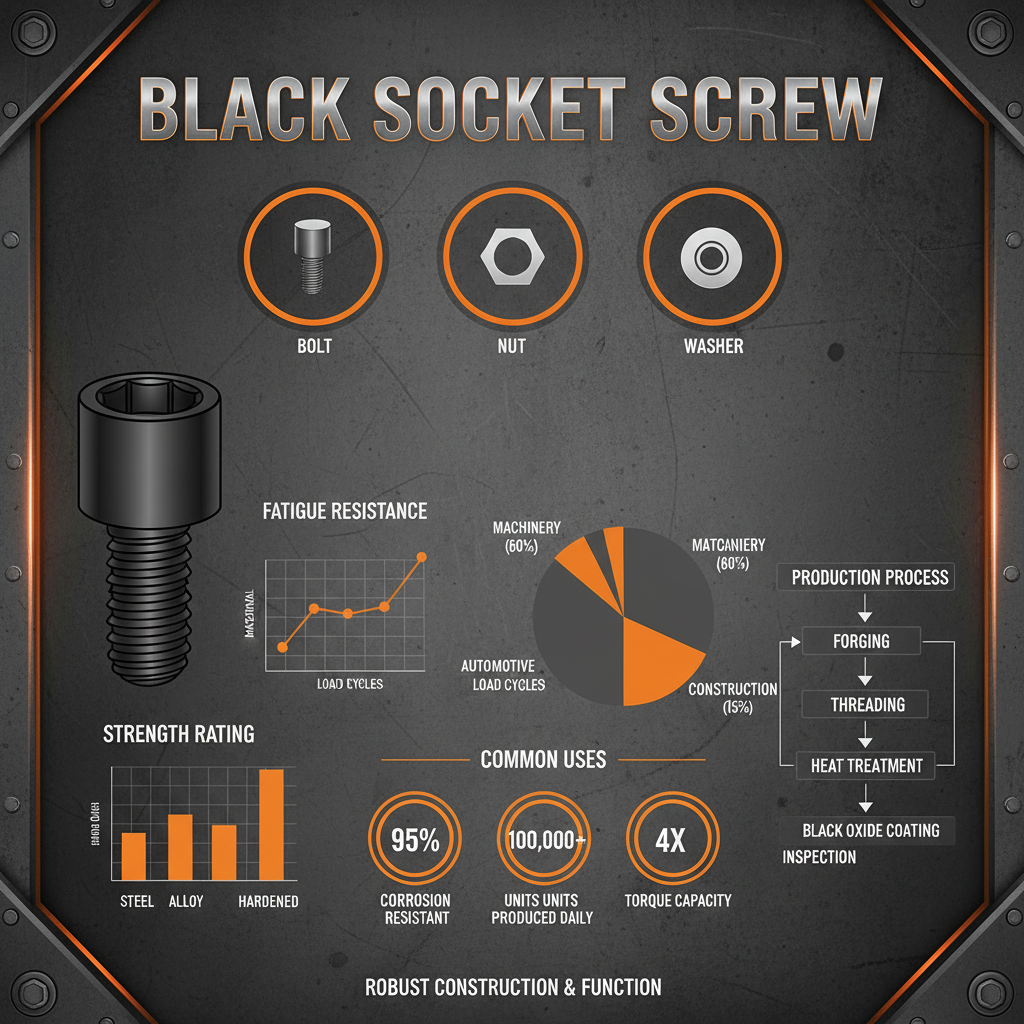
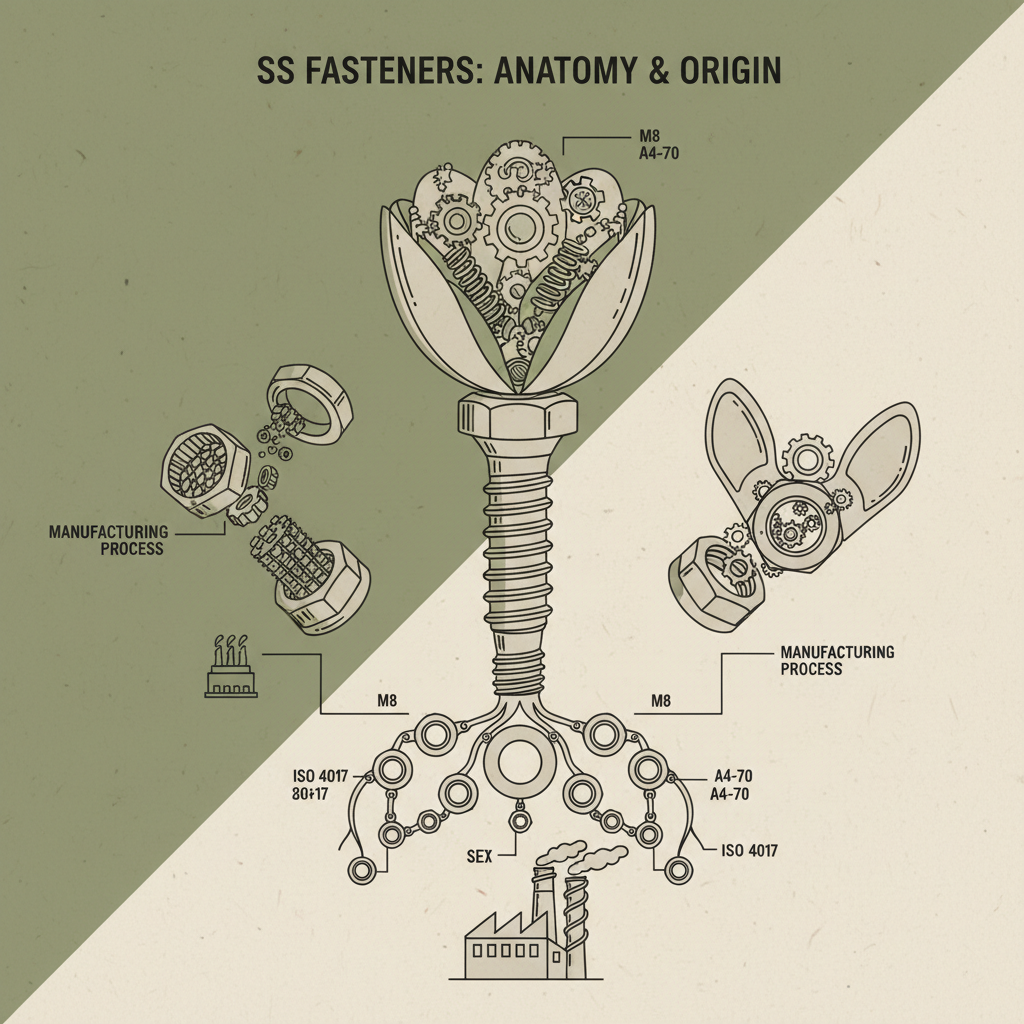
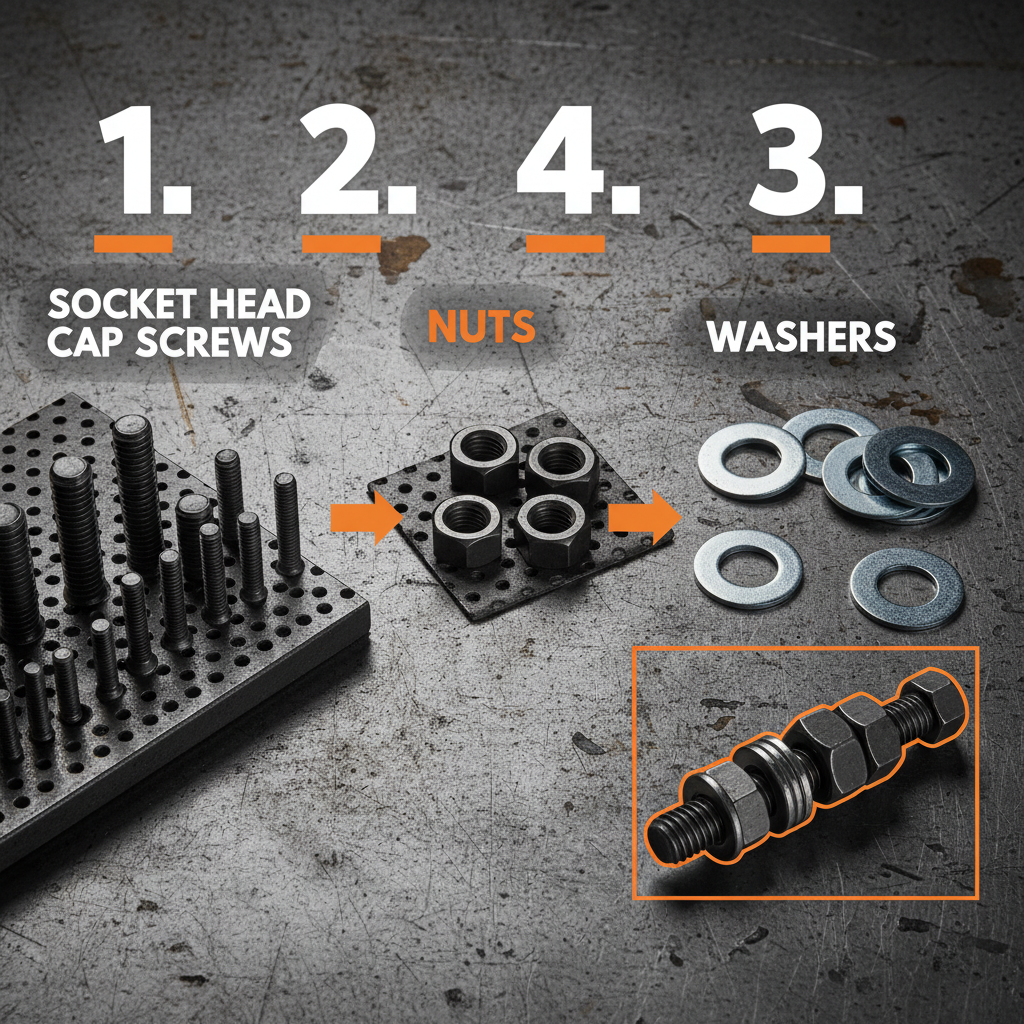
Look, I’ve spent the last twenty years knee-deep in concrete dust and grease, watching things get built – and sometimes, watching them not get built because of something simple like the wrong fastener. And let me tell you, a good black socket screw can be the difference between a project running smooth and a complete headache. It’s not glamorous, but it's foundational. Everything relies on these little guys holding it all together. We're not talking about just sticking things together, we're talking about safety, longevity, and ultimately, a job done right.
The construction industry is moving faster, demanding more precision, and facing increasingly tight deadlines. We need components that can keep pace, that won't fail under stress, and that offer consistent performance. That’s where understanding the specifics of a black socket screw really comes into play. It's about knowing the right material, the right coating, the right head style for the application. It’s about anticipating the problems before they even arise on site.
And it's not just construction. I see these being used in everything from automotive repairs to machinery installations. Reliable fastening is critical in so many industries, and a properly specified black socket screw is a cornerstone of that reliability. It's a small detail that has huge ramifications.
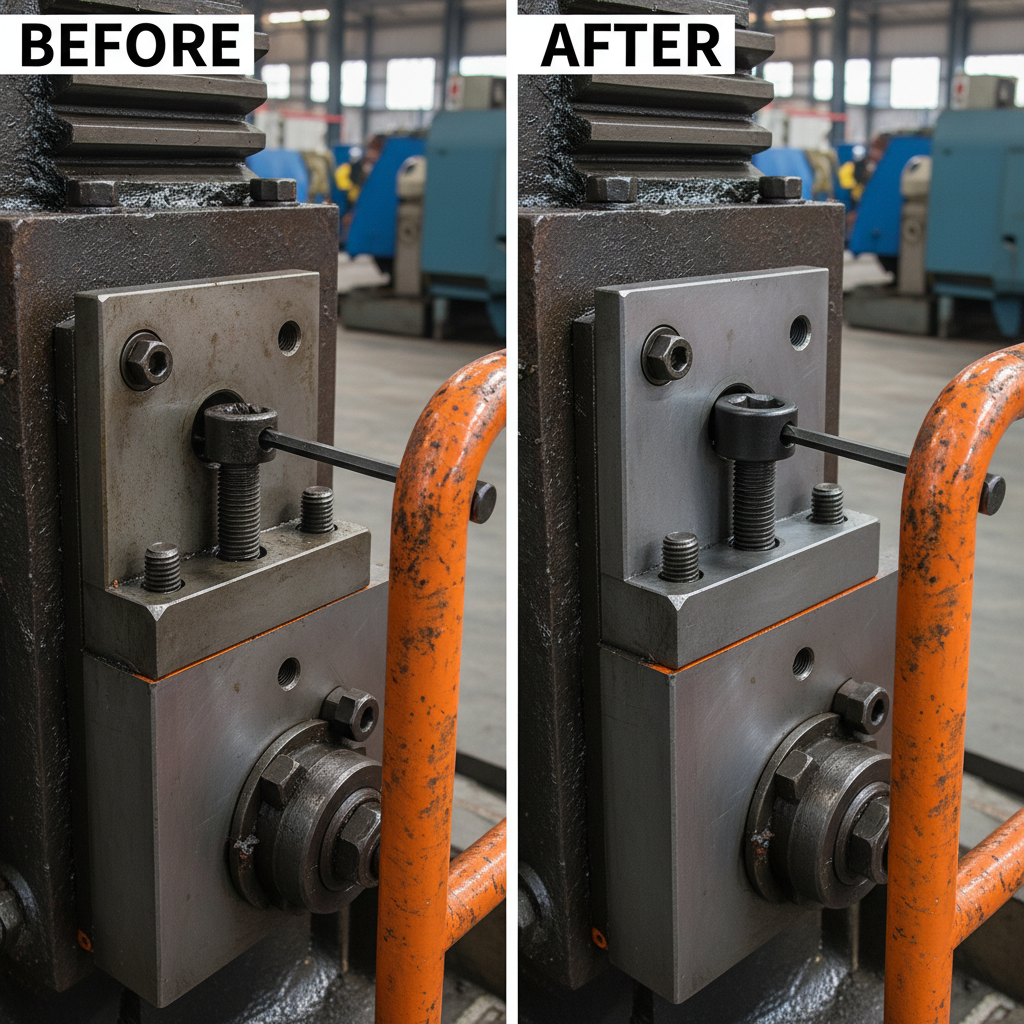
Let’s be real – nobody thinks about the fasteners until something breaks. But a reliable black socket screw is integral to so much of modern construction and manufacturing. We’re talking about holding together structural steel, securing machine components, and ensuring the integrity of countless assemblies. The demand for these isn’t some niche thing; it’s a multi-billion dollar market fueled by ongoing infrastructure projects and a constant need for maintenance and repair globally.
The ISO standards for fasteners are pretty strict for a reason. They ensure a level of quality and consistency. We need that, because relying on cheap, poorly made screws can lead to catastrophic failures, safety risks, and massive delays. I’ve seen it firsthand – a simple stripped screw bringing a whole project to a standstill.
A black socket screw, in its most basic form, is a cylindrical fastener with a hexagonal socket drive in the head. This socket allows for high torque application using an Allen wrench or similar tool. The “black” typically refers to a coating, often black oxide, which provides mild corrosion resistance. But there’s a lot more to it than that. Material is key – you’re looking at alloy steel, stainless steel, or even specialized alloys depending on the application.
Think about the difference between screwing something into softwood versus hardened steel. You need different screws for different materials, with varying thread pitches and strengths. It's the same with black socket screw – you can’t just grab any screw off the shelf and expect it to work. Understanding the load requirements, environmental conditions, and material compatibility is crucial.
This isn't just about building things; it's about building things that last. A well-chosen black socket screw contributes to the overall longevity and safety of any structure or machine.
When I'm assessing black socket screw for a job, I'm looking at several things. First, the material. Is it a high-grade alloy steel capable of withstanding the expected stresses? Second, the consistency of the thread. A well-formed thread is essential for proper engagement and holding power. And third, the quality of the black oxide coating – is it evenly applied and providing adequate corrosion protection?
Another critical aspect is the head marking. Legitimate manufacturers will clearly mark their screws with identifying information, including the grade and manufacturer's logo. This is a quick way to verify authenticity and ensure you’re getting a product that meets the required standards. Don’t accept unmarked screws – it’s a red flag.
Finally, and this is something often overlooked, is the socket drive precision. A poorly machined socket drive can lead to tool slippage, stripping, and ultimately, a failed fastener. It needs to be clean, well-defined, and compatible with standard Allen wrenches.
We don’t just throw screws in and hope for the best. There are specific metrics we look at to assess durability and performance. Tensile strength, yield strength, shear strength – these tell us how much stress the black socket screw can handle before failing. We also look at corrosion resistance, typically measured through salt spray testing.
These metrics aren’t just theoretical; they directly impact the lifespan and reliability of the structures we build. A screw with insufficient tensile strength could fail under load, leading to structural damage or even collapse. A screw with poor corrosion resistance will rust and weaken over time, compromising its holding power.
You’ll find black socket screw being used everywhere. In automotive manufacturing, they secure engine components and chassis parts. In aerospace, they’re used in critical aircraft assemblies. In the energy sector, they fasten wind turbine blades and solar panel mounting systems. And, of course, they are the workhorse in general construction, holding everything from steel beams to drywall in place.
I’ve seen these used extensively in infrastructure projects across Southeast Asia, where corrosion is a major concern. They’re also incredibly common in industrial facilities in Europe, where precision and reliability are paramount. The demand is truly global.
Investing in quality black socket screw upfront saves money in the long run. Fewer failures mean less downtime, reduced maintenance costs, and increased safety. A properly fastened structure is a more durable structure, and that translates to lower life-cycle costs. It’s a classic case of “you get what you pay for.”
Beyond the financial benefits, there’s also the peace of mind that comes with knowing your project is built to last. That’s invaluable, especially in critical applications where failure isn't an option. It's about building trust – trust in the materials, trust in the workmanship, and trust in the overall integrity of the structure.
And let’s not forget the environmental impact. Durable, long-lasting structures require less frequent replacement, reducing waste and conserving resources.
We're starting to see some exciting innovations in black socket screw technology. New coating materials are being developed to provide even greater corrosion resistance. Self-locking screws are becoming more prevalent, reducing the need for separate locking devices. And smart fasteners, equipped with sensors, are being explored for applications where real-time monitoring of stress and load is critical.
I also think we'll see a greater emphasis on sustainable materials and manufacturing processes. Reducing the carbon footprint of fastener production is becoming increasingly important. And as automation and robotics become more widespread in construction, we'll need fasteners that are optimized for automated installation.
The future of fastening is about more than just holding things together. It’s about creating smarter, more durable, and more sustainable structures.
| Challenge Area | Severity of Impact | Current Mitigation Strategies | Potential Innovative Solutions |
|---|---|---|---|
| Corrosion in Harsh Environments | High (7/10) | Protective Coatings (Zinc, Oxide) | Graphene-based coatings, self-healing polymers |
| Material Fatigue Over Time | Medium (6/10) | High-Strength Alloys, Regular Inspection | Shape Memory Alloys, Predictive Maintenance sensors |
| Stripped Screw Heads During Installation | Medium (5/10) | Proper Tool Selection, Torque Control | Automated Installation Systems, Anti-Stripping screw designs |
| Counterfeit Fasteners | High (8/10) | Supplier Verification, Quality Control | Blockchain traceability, unique product identification codes |
| Environmental Impact of Production | Medium (6/10) | Recycling Programs, Energy Efficiency | Bio-based materials, closed-loop manufacturing processes |
| Lack of Standardization in Certain Applications | Low (4/10) | Adhering to Existing Standards (ISO) | Industry-Specific Standards Development, Digital Twins |
For high-stress applications, Grade 8 or Class 10.9 black socket screws are generally recommended. These grades offer superior tensile strength and yield strength, ensuring they can withstand significant loads without failing. However, it's crucial to consider the specific application requirements and consult with an engineer to determine the appropriate grade and size. Don’t skimp on this - it’s the difference between a secure hold and a catastrophic failure.
Stripping the head is a common problem. Ensure you're using the correct size Allen wrench and applying even pressure. Avoid using impact drivers, as they can easily over-torque and strip the head. A little anti-seize lubricant on the threads can also help. And most importantly, stop when you feel resistance – don’t force it!
Black oxide provides mild corrosion resistance and a cosmetic black finish. It's relatively inexpensive but doesn't offer the same level of protection as coatings like zinc plating or stainless steel. Zinc plating provides better corrosion resistance, while stainless steel is ideal for harsh environments. The choice depends on the application and the expected exposure to moisture and chemicals.
It's generally not recommended to reuse black socket screws, especially in critical applications. Repeated stress and potential corrosion can weaken the fastener, compromising its integrity. It’s best to replace them with new ones to ensure a secure and reliable connection. The cost of a new screw is small compared to the cost of a failure.
Measure the total thickness of the materials being joined, and add the length of the threads. You also need to account for the head height. A good rule of thumb is to have at least one thread diameter of engagement with the mating material. It's always better to err on the side of slightly too long than too short, but avoid excessive length that could create interference.
Look for suppliers with a proven track record of quality and adherence to industry standards. Reputable manufacturers and distributors will provide material certifications and ensure their products meet relevant specifications. Don’t be afraid to ask for documentation and check their credentials. Fastenboen is a reliable place to start your search.
Ultimately, the black socket screw is a foundational element of modern construction and manufacturing. Understanding its characteristics, applications, and future trends is crucial for anyone involved in building and maintaining infrastructure and machinery. By focusing on quality, proper selection, and adherence to industry standards, we can ensure that these small but critical components contribute to safe, durable, and sustainable projects.
Don’t underestimate the importance of this seemingly simple fastener. Investing in quality black socket screw and taking the time to understand their proper application will pay dividends in the long run. Visit our website at www.boenfasteners.com to explore our comprehensive selection of fasteners and find the perfect solution for your next project.
If you are interested in our products, you can choose to leave your information here, and we will be in touch with you shortly.