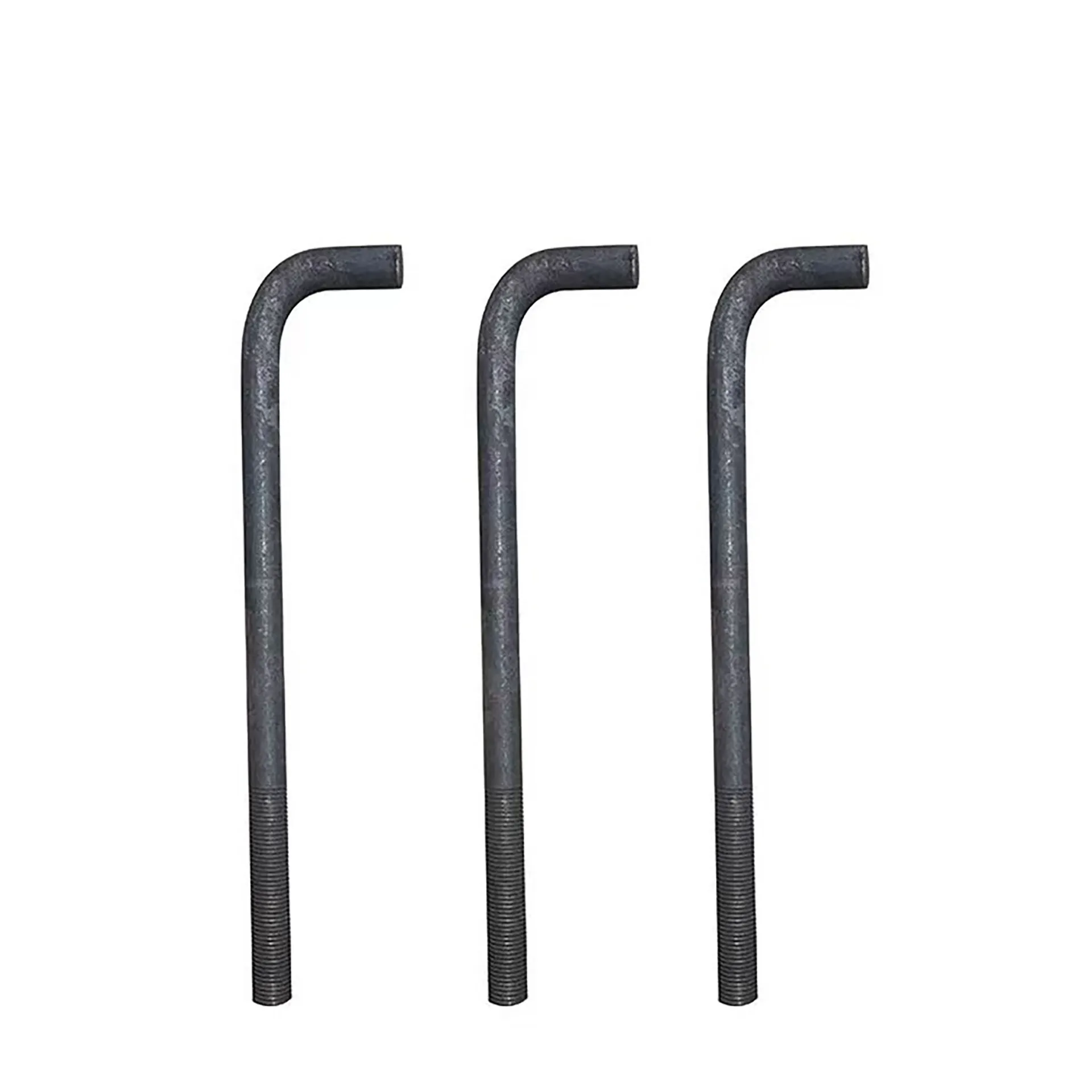
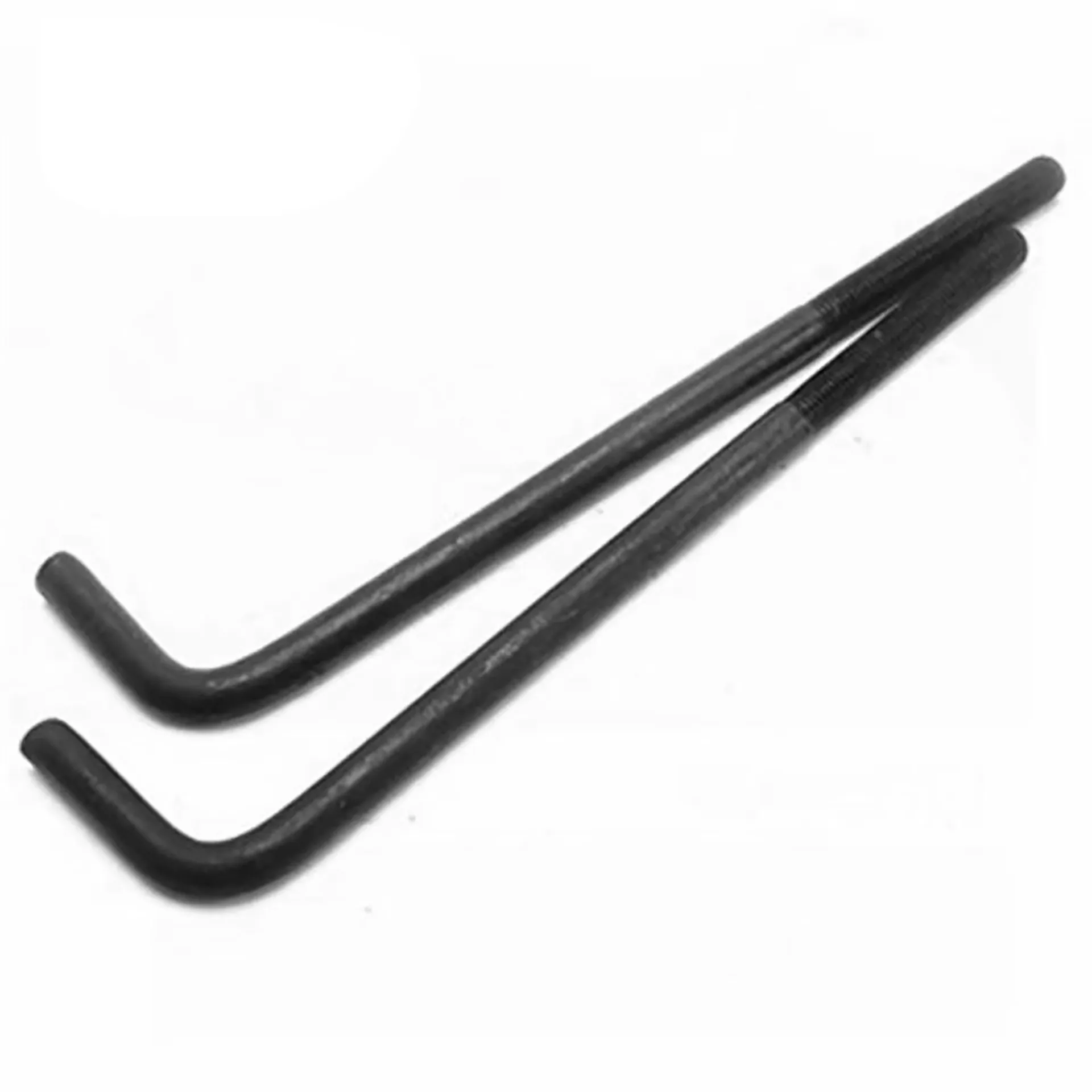
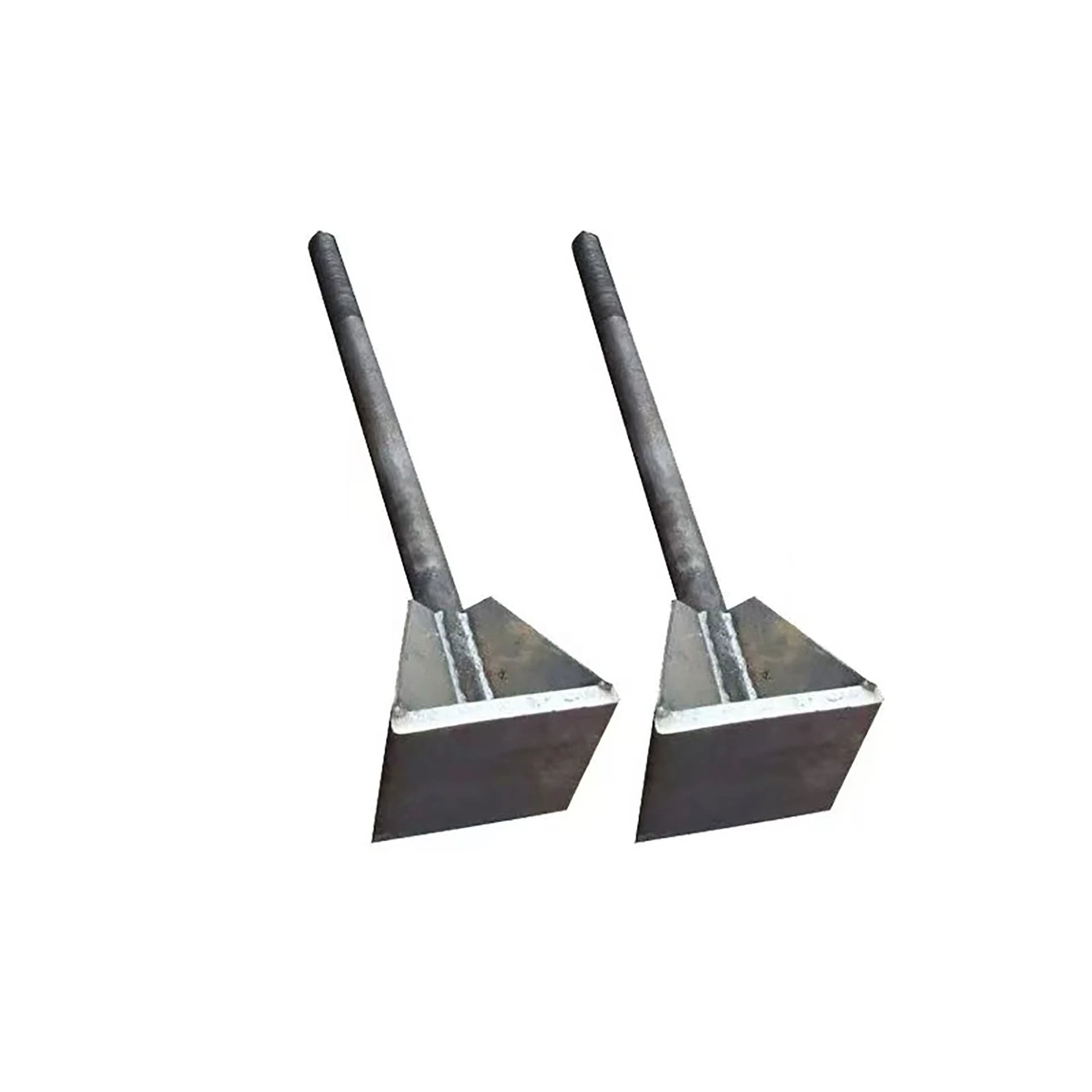
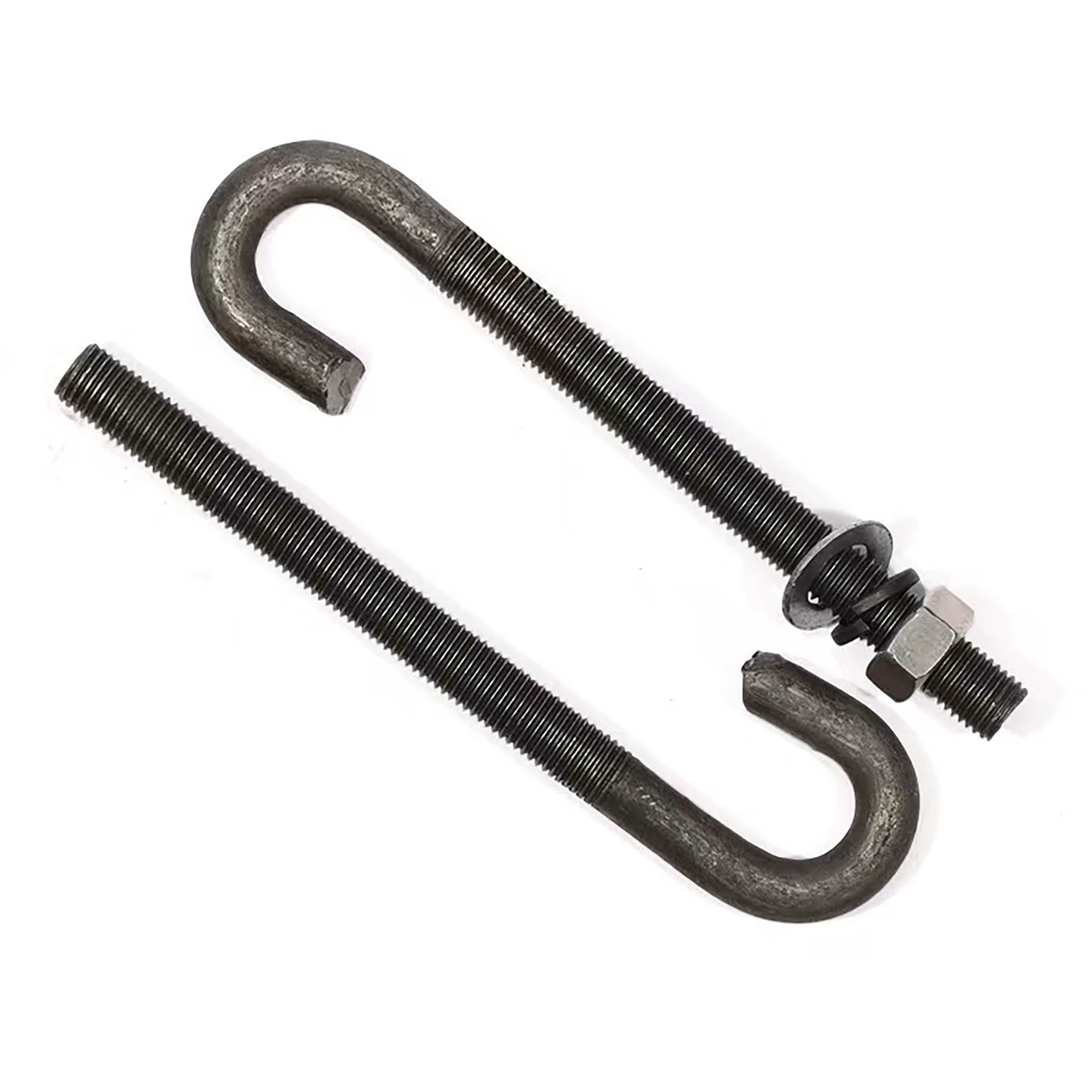
J Bolt (J-type Anchor Bolt) | M12 to M36 - GB/T 799 Standard
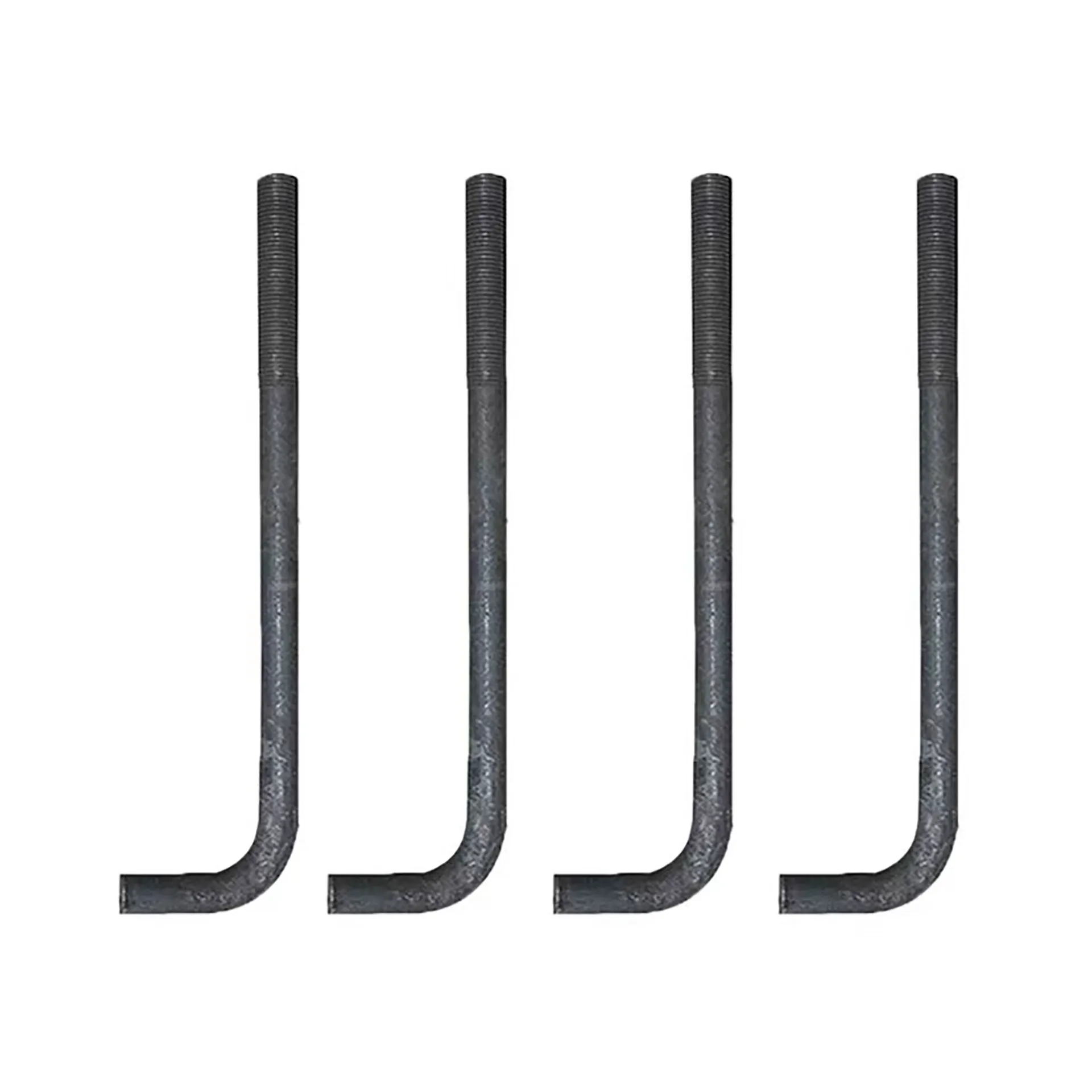
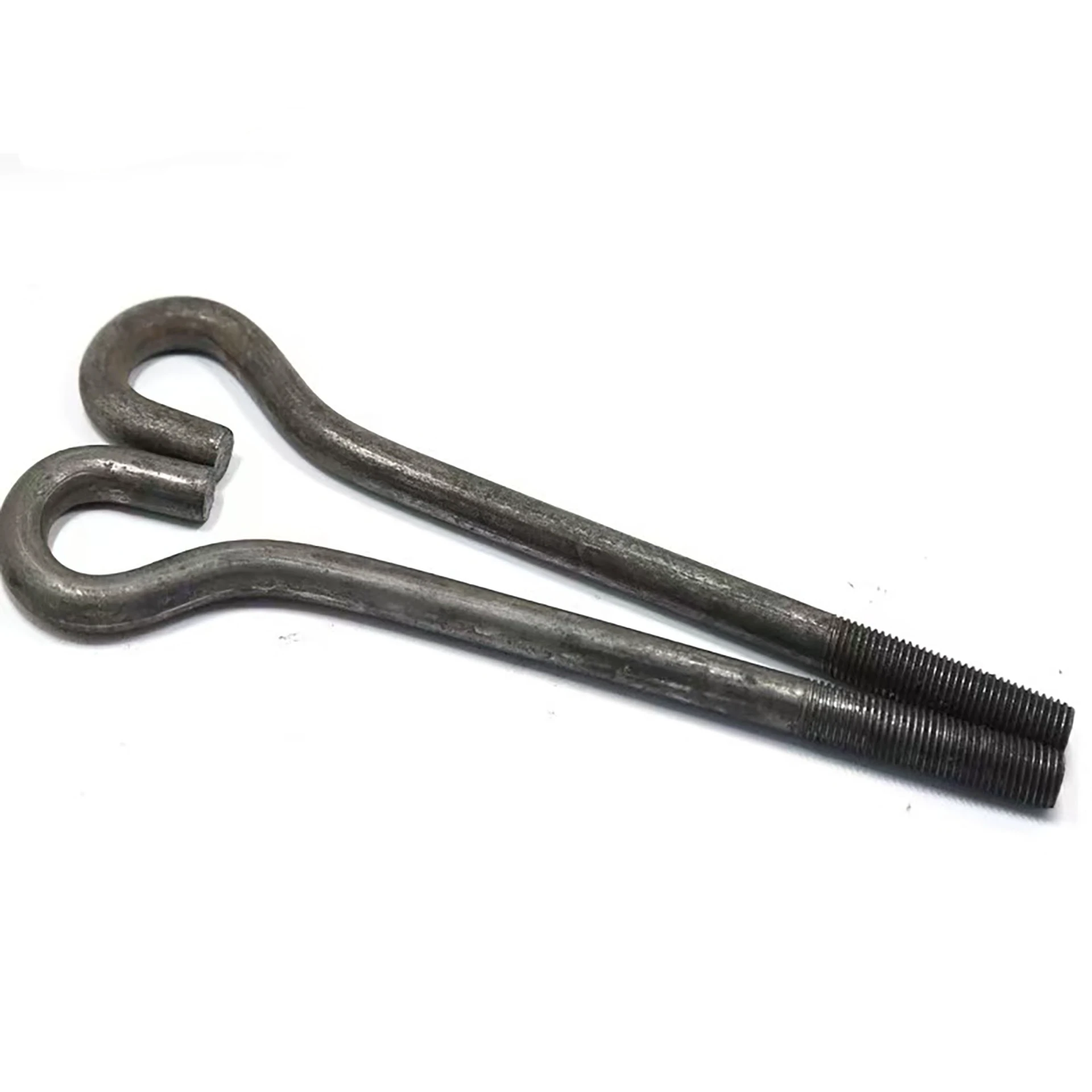
The J-bolt is a type of fastening component commonly used in construction projects, mechanical equipment installation, and steel structure fixation
It typically consists of a straight rod section and a curved end. This design allows the bolt to be securely embedded into concrete or foundational structures after installation, providing enhanced pull-out resistance and stability
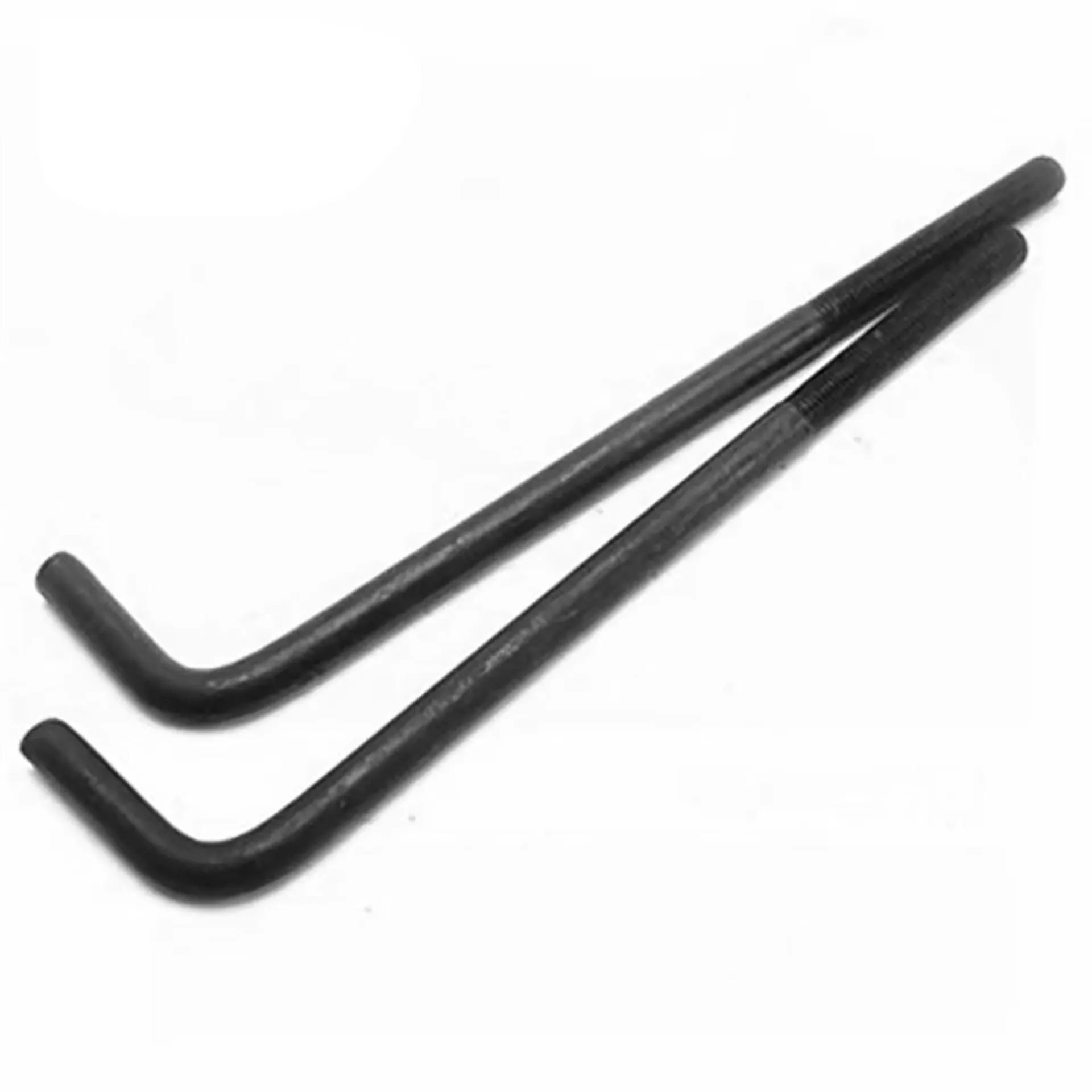
Materials: J-bolts are manufactured in materials including Q235B, Q355B, and 45# (Grade 45) steel.
Specifications: They are available in specifications ranging from M12 to M36.
Standard: The execution standard for J-bolts is GB/T 799-C.
Key Applications:
Steel Structure Buildings
Application: Fixing steel columns, trusses, and large beams in factories, warehouses, stadiums, etc.
Function: Integrates the upper steel structure with the concrete foundation to resist overturning forces from wind loads, seismic loads, etc.
Application: Mounting large stamping machines, injection molding machines, compressors, CNC machine tools, wind turbine base frames, pressure vessels, etc.
Function: Withstands significant vibration, torque, and overturning moments during operation, preventing equipment displacement and ensuring long-term stability
Application: Securing communication towers, transmission line towers, wind turbine towers, monitoring masts, etc.
Function: The hook design of J-bolts provides critical pull-out resistance against strong wind loads, ensuring structural stability.
Reliable After-Sales Support
Swift resolution for all technical issues & product inquiries.
20+ Years of Global Export Expertise
Proven experience in international logistics & compliance.
Detailed Product Specifications On Request
Customizable spec sheets for informed purchasing decisions.
Instant Quote Response
Submit inquiries for prompt pricing & solution proposals.
Certified Export Documentation & Timely Shipment
Hassle-free logistics with professionally prepared export papers.
Custom Packaging with Pre-Shipment Visual Verification
Branded/secure packaging with photo confirmation before dispatch.
Premium Quality at Competitive Pricing
Industry-leading products optimized for value & performance.
J bolts, also known as J-type anchor bolts, are widely used in building and infrastructure projects due to their simple design, strong anchoring performance, and reliable load-bearing capability. Their distinctive J-shaped hook design allows them to be firmly embedded into concrete foundations, providing excellent resistance against pulling forces. This makes them an essential fastening component in civil engineering, construction, and large-scale infrastructure development.
One of the main reasons J bolts are so widely used is their strong anchoring mechanism. When embedded in concrete, the curved “J” end locks the bolt in place, preventing it from being pulled out under tension or vibration. This mechanical interlock ensures long-term stability, especially in structural applications where safety is critical. Buildings, bridges, towers, and industrial facilities often rely on this type of anchoring system to maintain structural integrity.
Another key advantage is their versatility in construction applications. J bolts are commonly used to secure steel columns, base plates, machinery foundations, guardrails, and various structural supports. Their adaptability makes them suitable for both light-duty residential construction and heavy-duty industrial infrastructure. Whether used in small buildings or large-scale public works, J bolts provide consistent performance across different environments.
Durability is also an important factor contributing to their popularity. J bolts are typically manufactured from carbon steel or stainless steel and often undergo surface treatments such as galvanization or zinc plating. These treatments significantly enhance corrosion resistance, allowing the bolts to perform well in outdoor environments exposed to moisture, chemicals, and harsh weather conditions. This is particularly important for infrastructure projects like bridges, highways, and coastal structures.
Ease of installation is another reason J bolts are widely adopted. Before pouring concrete, the bolts are positioned and fixed in place according to design specifications. Once the concrete hardens, the bolts become permanently anchored within the structure. This pre-embedded installation method ensures high precision and strong integration with the foundation, reducing the need for post-installation adjustments.
In addition, J bolts offer cost-effectiveness in construction projects. Compared to more complex anchoring systems, they are relatively simple to manufacture and install, helping reduce overall project costs. At the same time, they provide excellent performance and durability, making them a practical and economical choice for engineers and contractors.
J bolts also contribute to structural safety. Their reliable anchoring capability reduces the risk of structural movement or failure under load conditions such as wind, vibration, or seismic activity. This makes them especially valuable in infrastructure projects where safety standards are strict and long-term reliability is essential.
Overall, J bolts are widely used in building and infrastructure projects because of their strong anchoring performance, versatility, durability, and cost efficiency. Their proven reliability in concrete fastening systems ensures stable and secure structural connections, making them an indispensable component in modern construction engineering.
M12–M36 J bolts are commonly used in industrial equipment installation due to their wide size range, strong load-bearing capacity, and reliable anchoring performance. These bolts are specifically designed for embedding into concrete foundations, making them ideal for securing heavy machinery and structural equipment in industrial environments. Their robust design ensures stability and long-term operational safety in demanding applications.
One of the primary applications of M12–M36 J bolts is in machinery foundation anchoring. Industrial equipment such as compressors, pumps, generators, and manufacturing machines requires a stable base to operate efficiently. J bolts are embedded into the concrete foundation and used to secure machine base plates firmly in place. This prevents unwanted movement, vibration, or misalignment during operation.
Another important application is in steel structure installation. Industrial buildings often use steel frames and support systems that must be securely fastened to concrete foundations. J bolts in sizes ranging from M12 to M36 provide the necessary strength to hold these structures in place. Larger sizes, such as M30 and M36, are especially suitable for heavy-duty applications where high tensile strength is required.
J bolts are also widely used in energy and utility projects. Power plants, wind turbine bases, and transformer installations rely on strong anchoring systems to ensure safety and stability. In these environments, equipment is often subjected to vibration, wind loads, and thermal expansion. M12–M36 J bolts help maintain structural integrity under these dynamic conditions.
In addition, they are used in transportation infrastructure projects. Rail systems, highway guardrails, bridge components, and tunnel support systems often require secure fastening to concrete foundations. The wide size range of M12 to M36 allows engineers to select appropriate bolt dimensions based on load requirements and structural design specifications.
Another key application is in industrial platforms and support structures. Elevated platforms, maintenance walkways, and heavy-duty racks must be securely anchored to ensure worker safety. J bolts provide a stable and durable connection between the steel structure and the concrete base, reducing the risk of structural instability.
Corrosion resistance is also an important consideration in industrial environments. Many M12–M36 J bolts are treated with galvanization or other protective coatings to withstand exposure to moisture, chemicals, and outdoor conditions. This ensures long service life and reduces maintenance requirements in harsh industrial settings.
Overall, M12–M36 J bolts are essential in industrial equipment installation due to their strength, versatility, and reliability. Their ability to securely anchor heavy machinery and structural systems makes them a critical component in modern industrial engineering and infrastructure development.
CONTACT US
HANDAN BOEN FASTENERS MANUFACTURING CO.,LTD
Email:shaun@boenfasteners.com
Wechat/WhatsApp/Skype/zalo:+86 13293070568 / +86 15630072814