TEL:+86 15630072814

High-Strength Chemical Anchor Adhesive for Concrete
home > Products >Construction Fasteners & Structural Fixings >Chemical Anchor Bolts > High-Strength Chemical Anchor Adhesive for Concrete
High-Strength Chemical Anchor Adhesive for Concrete
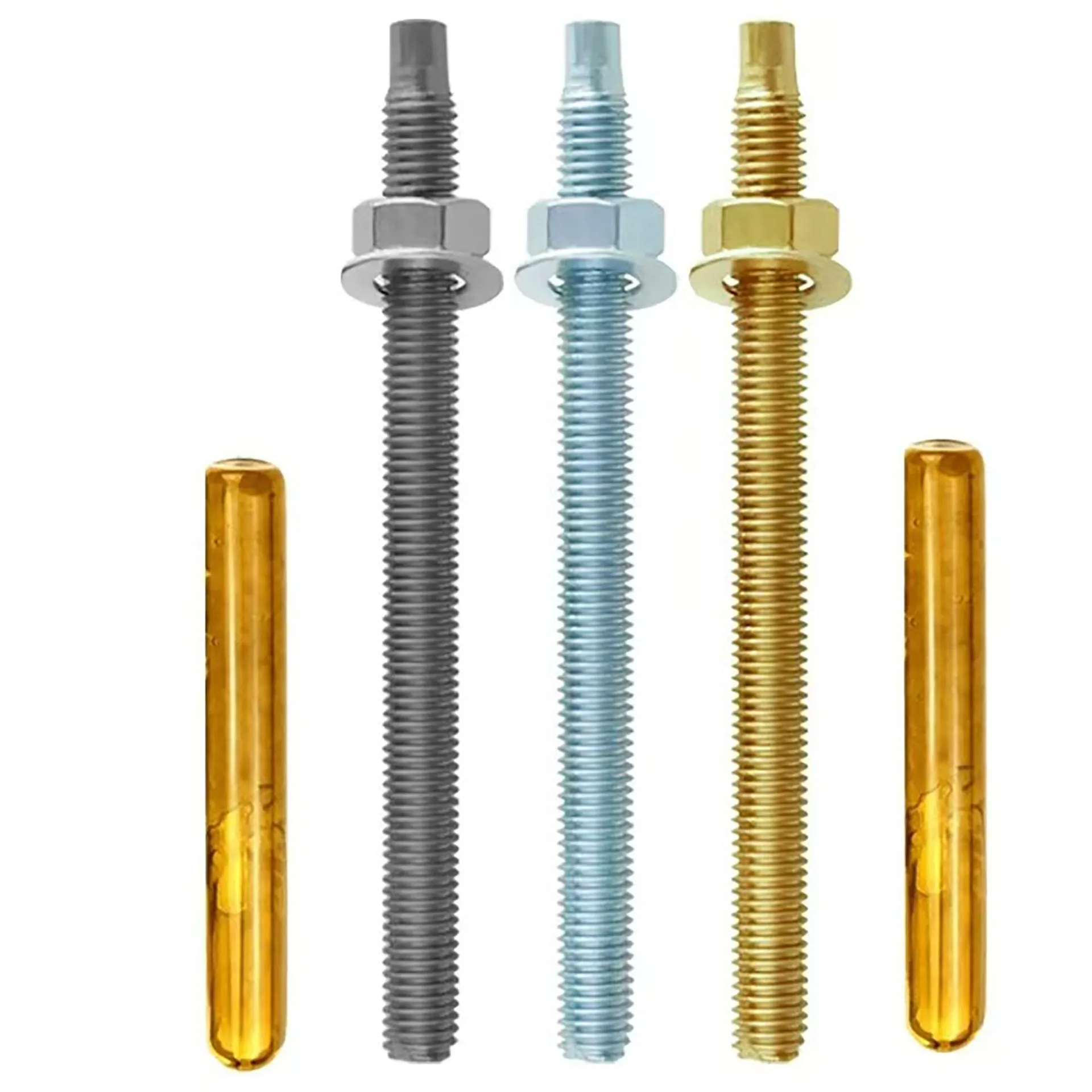
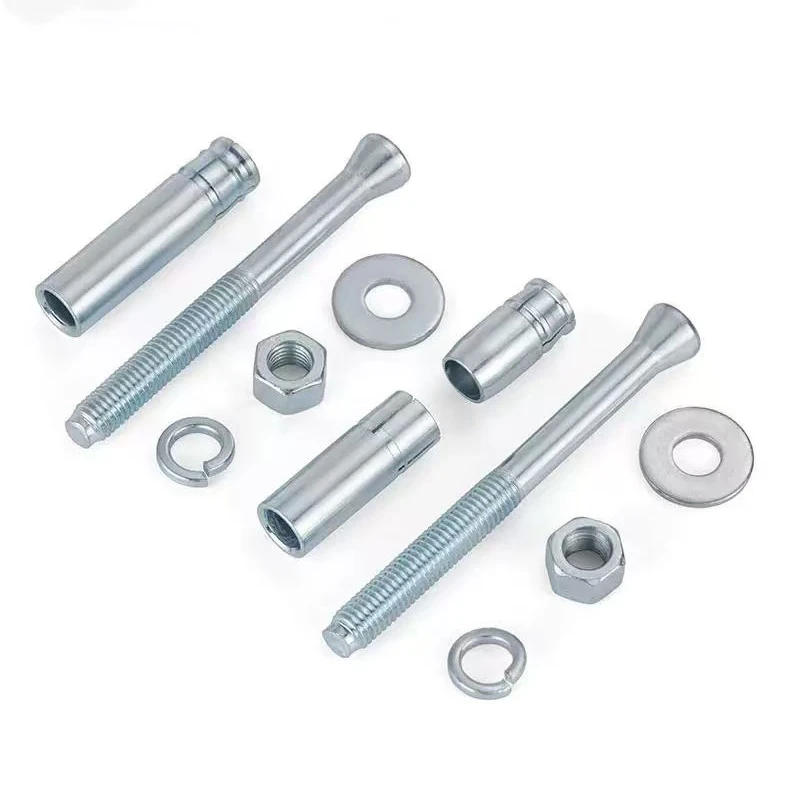
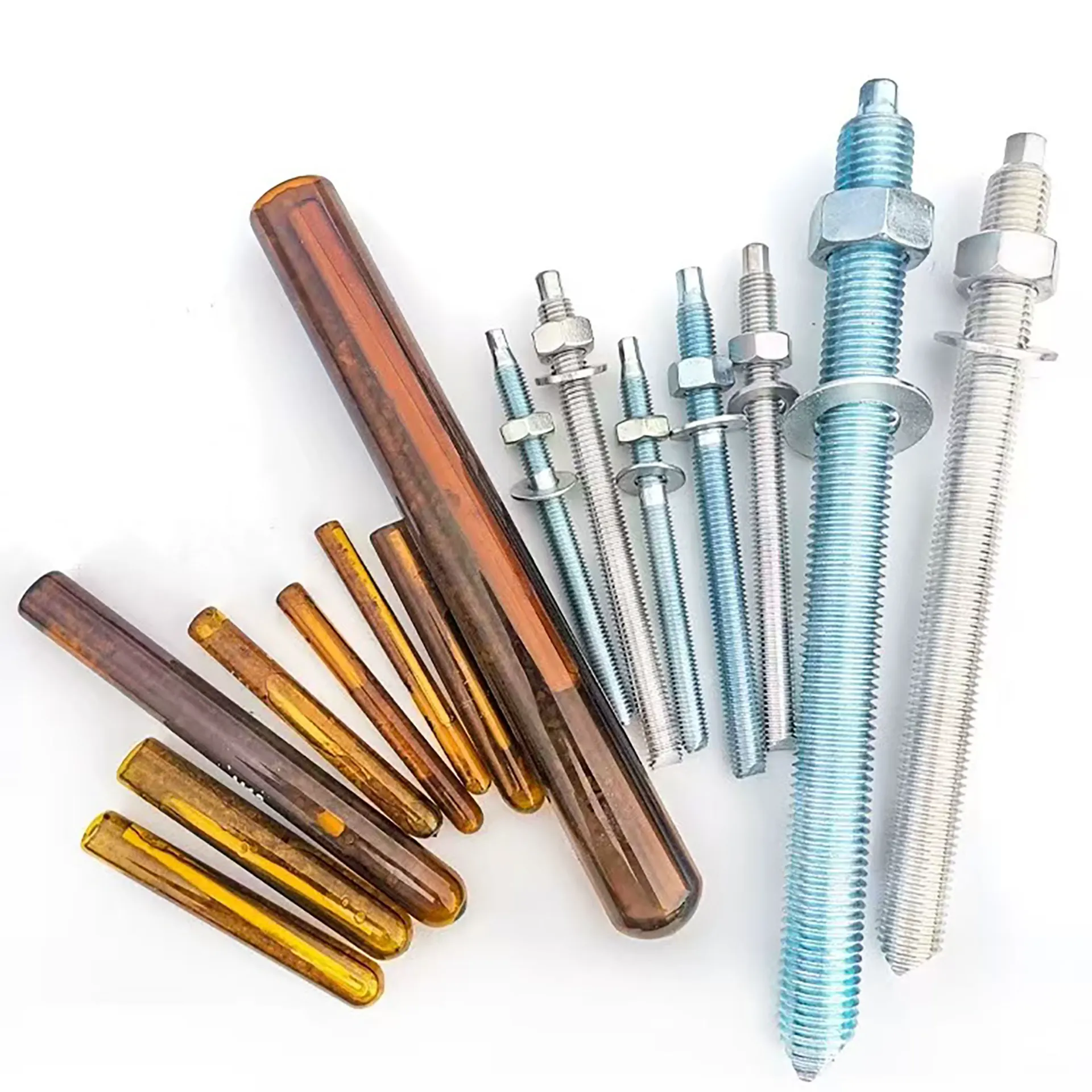
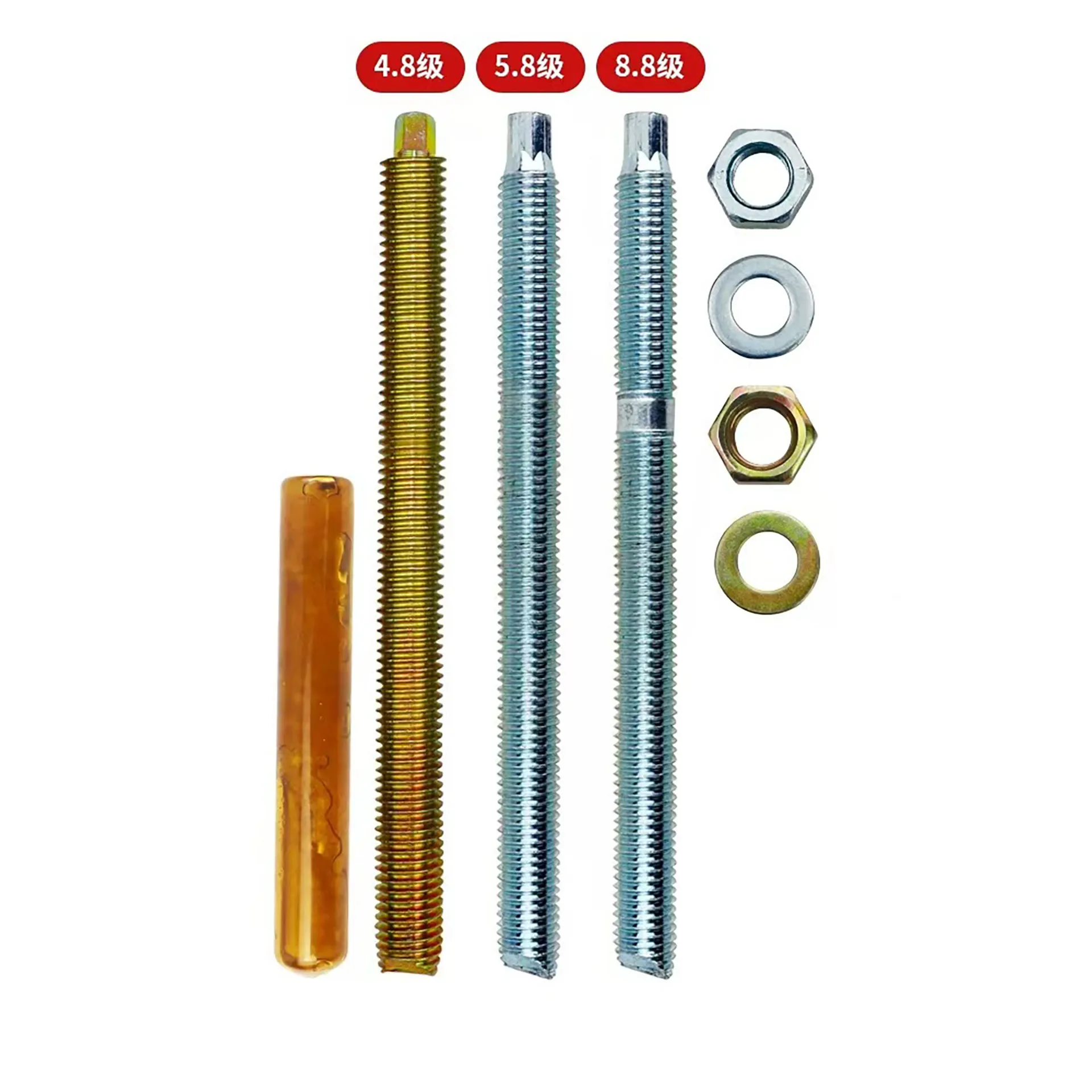
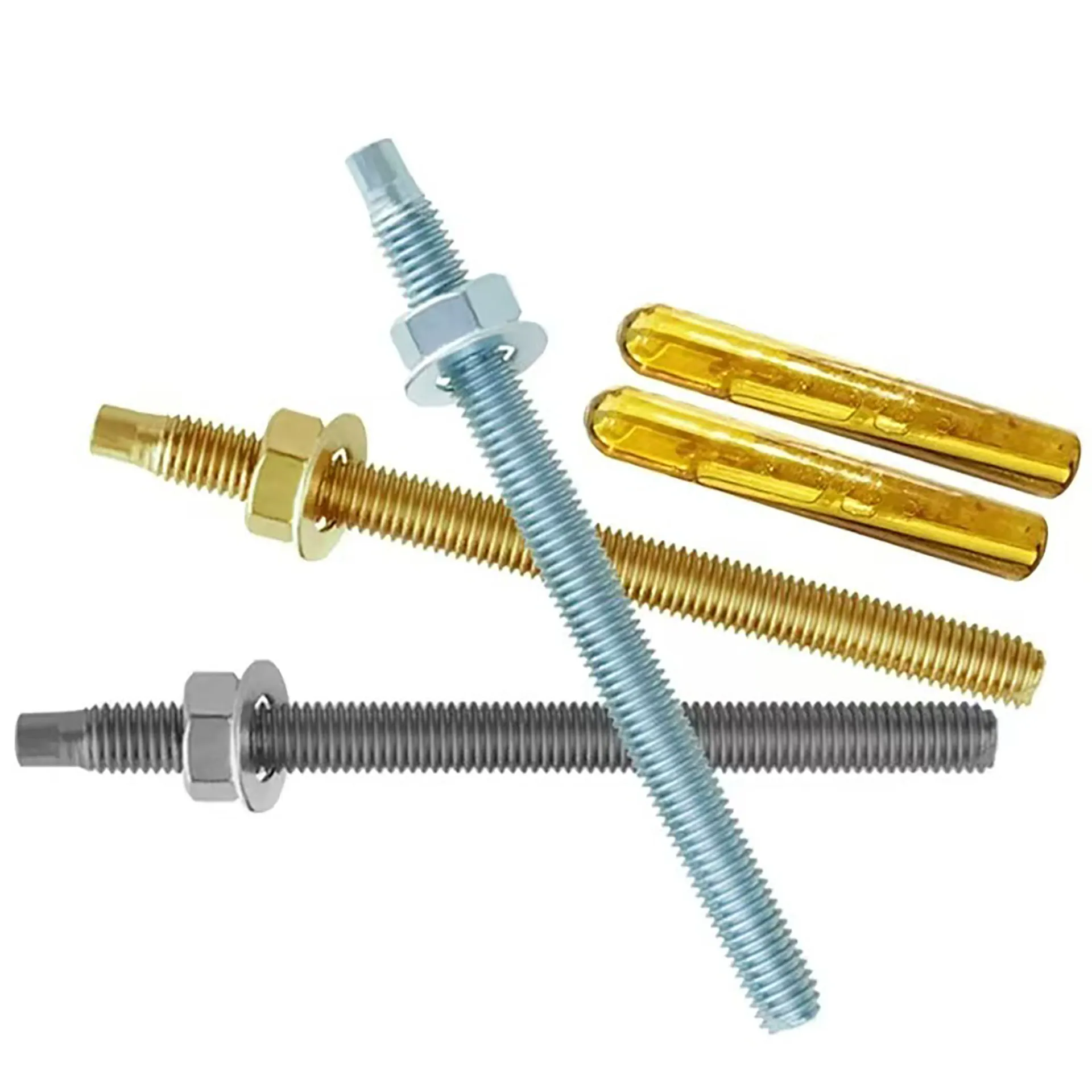
A chemical anchor is a composite fastening material composed of chemical agents (such as vinyl resin, quartz particles, and curing agents) and a metal rod (stud). Its core principle lies in the curing reaction of the chemical adhesive, which tightly bonds the stud to the substrate (e.g., concrete), forming a high-strength anchorage.

Share:
DESCRIPTION
PRODUCT Tags

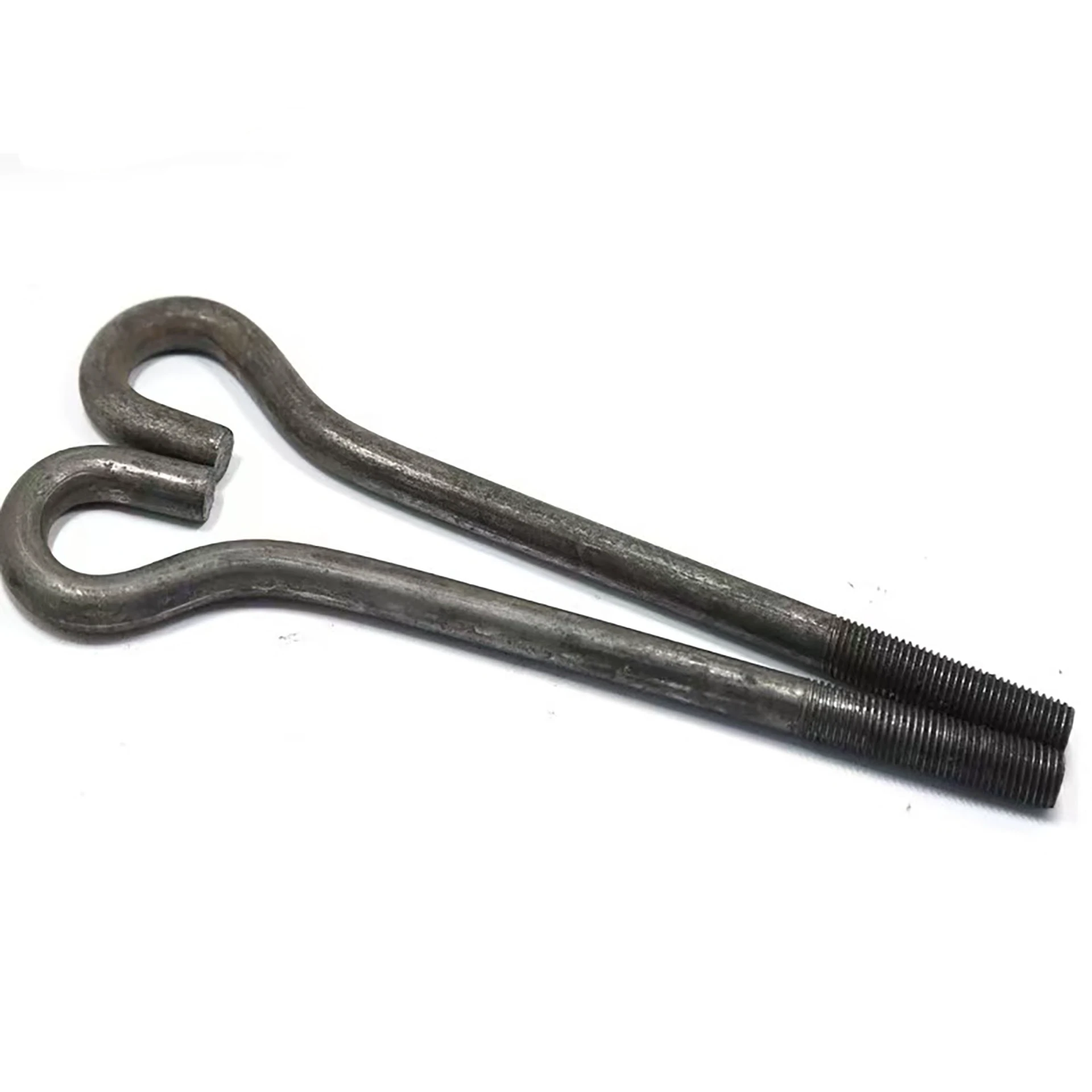
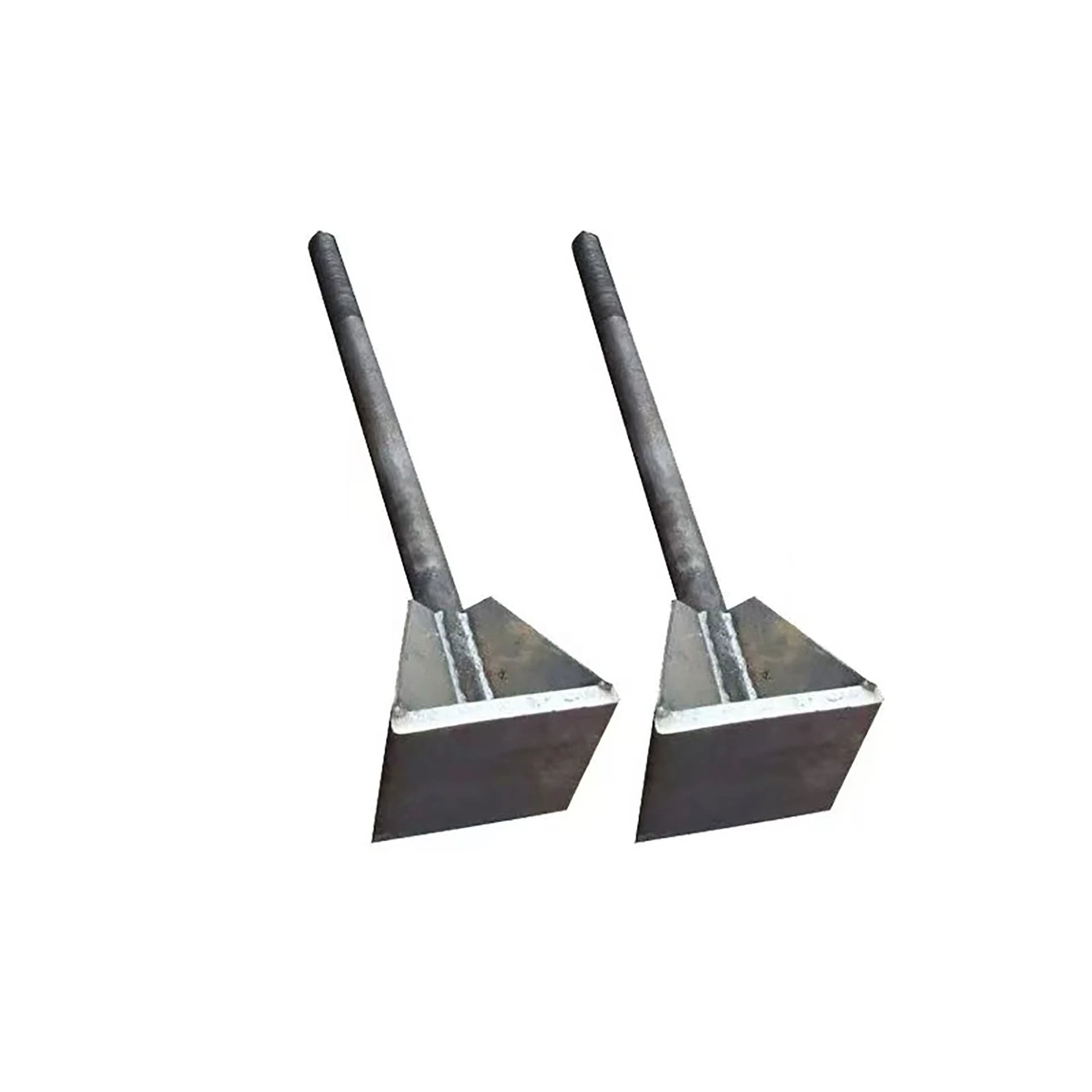
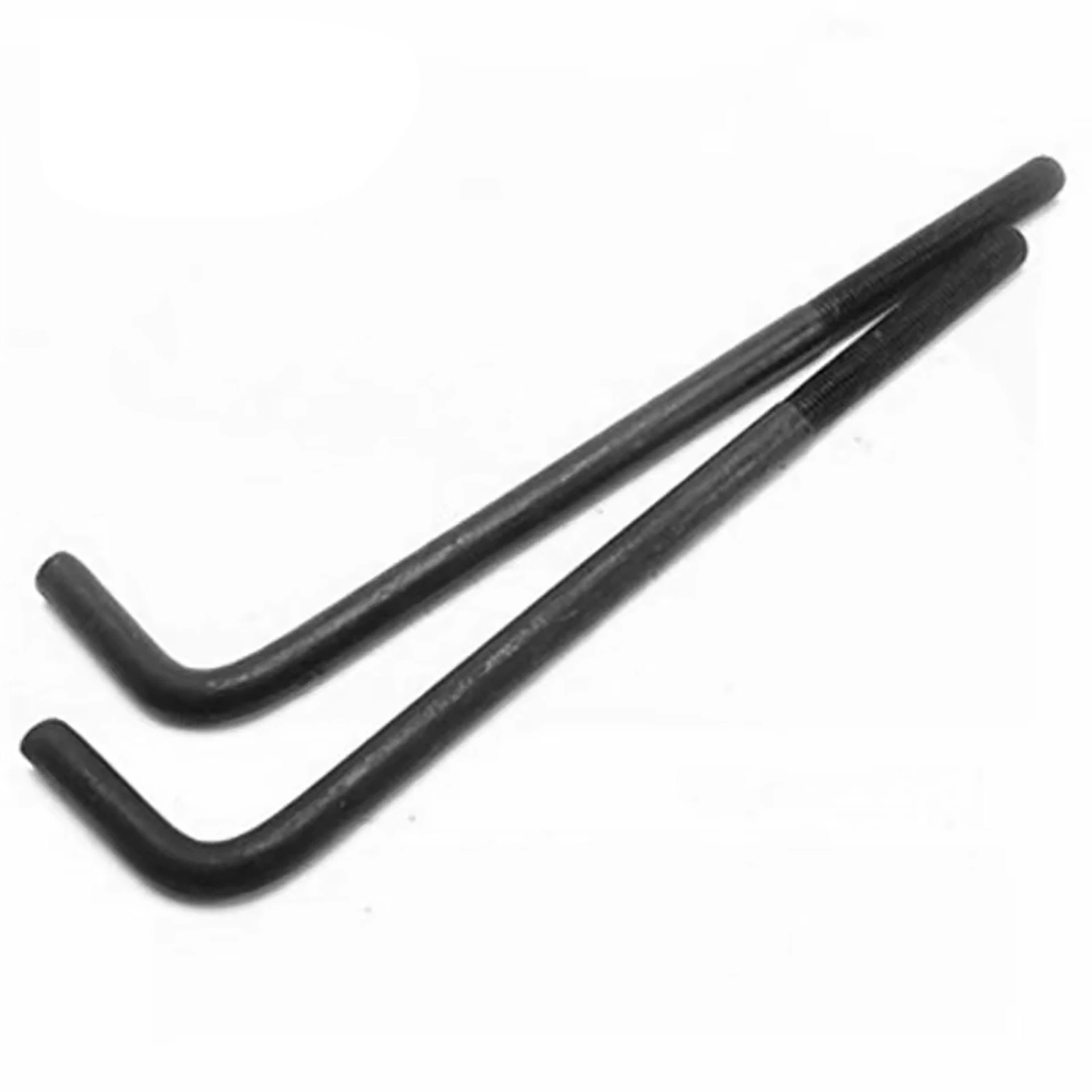
A chemical anchor is a high-strength anchor primarily made from vinyl resin. It was formerly known as a "chemical bolt." As a new type of anchor that emerged after expansion anchors, the chemical anchor works by using a specially formulated chemical adhesive to bond the stud into a drilled hole in the concrete substrate, thereby achieving a secure anchorage for fastened components.
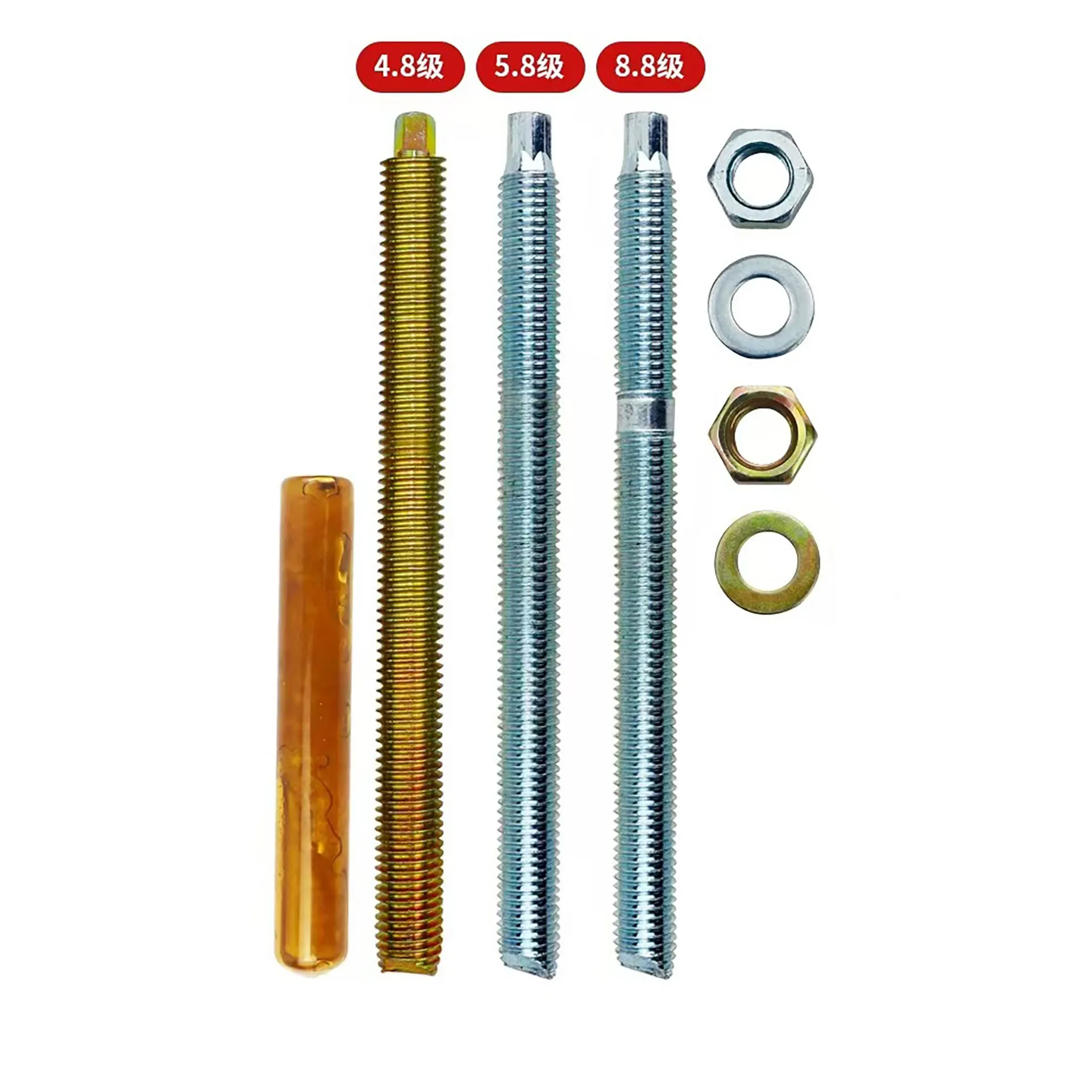
High-Strength Chemical Anchor Adhesive for Concrete


Key Features

High Strength and Stability: Excellent tensile and seismic resistance, corrosion resistance, and high-temperature tolerance, making it suitable for heavy loads and vibrating environments.

Ease of Installation: No expansive stress on the substrate, small installation spacing, fast curing time, and adaptability to various climatic conditions.

Wide Applicability: Primarily used for curtain wall installation, equipment fixation, building reinforcement, renovation, and bridge engineering.


Differences from Traditional Anchors

Mechanical Anchors: Rely on mechanical interlocking principles and generate expansive stress during installation, which may damage the substrate.

Chemical Anchors: Achieve anchorage through chemical bonding, producing no expansive stress, making them suitable for fragile or high-precision substrates.


Key Applications:

Curtain Wall Dry Hanging
Used for the installation of post-installed embedded parts in curtain wall projects, ensuring a secure connection between the curtain wall and the main structure.

Equipment Installation
Suitable for anchoring heavy-duty equipment and machinery, such as pipe support systems and similar applications.

Bridge Guardrails
Used for fixing bridge guardrails to ensure road safety.

Building Reinforcement and Renovation
In structural renovation, the anchor rod is bonded to the substrate via the adhesive to enhance structural stability.

SERIVCE

Reliable After-Sales Support
Swift resolution for all technical issues & product inquiries.
20+ Years of Global Export Expertise
Proven experience in international logistics & compliance.
Detailed Product Specifications On Request
Customizable spec sheets for informed purchasing decisions.
Instant Quote Response
Submit inquiries for prompt pricing & solution proposals.
Certified Export Documentation & Timely Shipment
Hassle-free logistics with professionally prepared export papers.
Custom Packaging with Pre-Shipment Visual Verification
Branded/secure packaging with photo confirmation before dispatch.
Premium Quality at Competitive Pricing
Industry-leading products optimized for value & performance.


Benefits of High-Strength Chemical Anchor Adhesive in Structural Engineering


High-strength chemical anchor adhesive plays a crucial role in modern structural engineering, especially in applications where traditional mechanical fastening methods are not sufficient. It is widely used for anchoring steel bars, threaded rods, bolts, and heavy structural components into concrete, stone, and masonry substrates. Its growing popularity is mainly due to its superior bonding performance, reliability, and adaptability to complex construction environments.


One of the primary benefits of chemical anchor adhesive is its exceptional bonding strength. Unlike expansion anchors that rely on friction and pressure, chemical anchors work through a chemical reaction that creates a solid, gap-free bond between the anchor rod and the base material. This allows for a more uniform load distribution, reducing stress concentration and significantly improving structural integrity. As a result, it is highly suitable for heavy-duty engineering projects such as bridges, tunnels, industrial plants, and high-rise buildings.


Another major advantage is its excellent performance in cracked or weak concrete. In many real-world construction scenarios, concrete surfaces are not perfectly solid or defect-free. Chemical anchor adhesive is designed to fill voids and cracks completely, ensuring a strong and stable connection even in less-than-ideal conditions. This makes it a preferred solution for renovation projects, retrofitting work, and structural reinforcement tasks.


Durability is also a key benefit. High-strength chemical anchor systems are resistant to environmental stress factors such as moisture, vibration, chemical exposure, and temperature fluctuations. This long-term stability ensures that anchored structures remain secure over time, even in harsh industrial or outdoor environments. For example, in coastal areas where salt and humidity are prevalent, chemical anchors provide better corrosion resistance compared to traditional metal expansion anchors.


Flexibility in application further enhances its value in structural engineering. Chemical anchor adhesive can be used with a wide range of base materials including concrete, natural stone, and solid brickwork. It is compatible with various types of anchor rods and bolts, making it suitable for diverse construction requirements. Whether it is installing heavy machinery, fixing structural steel components, or reinforcing load-bearing elements, chemical anchors provide a versatile solution.


In addition, chemical anchor systems contribute to improved safety in construction projects. Their strong bonding capability reduces the risk of anchor failure, which is critical in load-bearing structures. Engineers and contractors often prefer chemical anchors in safety-critical installations where reliability is non-negotiable.


Overall, high-strength chemical anchor adhesive offers a combination of strength, durability, versatility, and safety that makes it indispensable in structural engineering. Its ability to perform under demanding conditions ensures stable and long-lasting construction outcomes, making it a key material in modern infrastructure development.


Why High-Strength Grout Materials Are Important for Structural Stability


High-strength grout materials are essential components in modern construction and civil engineering because they provide critical support, load transfer, and structural reinforcement. These materials are commonly used for filling gaps, securing base plates, anchoring equipment, and stabilizing foundations. Their importance lies in their ability to enhance the strength, durability, and safety of structural systems.


One of the main reasons high-strength grout materials are important is their ability to ensure effective load transfer. In structural applications, loads from steel columns, machinery, or structural frames must be evenly distributed to the foundation. High-strength grout fills the space between structural elements and the base, eliminating voids and ensuring full contact. This prevents uneven stress distribution, which could otherwise lead to cracking, deformation, or structural failure.


Another key function of grout materials is vibration resistance. In industrial environments such as factories, power plants, and transportation facilities, heavy machinery generates constant vibration. High-strength grout helps absorb and distribute these vibrations, reducing fatigue stress on structural components. This improves the overall lifespan of both the equipment and the supporting structure.


Durability is also a critical factor. High-strength grout materials are formulated to withstand harsh environmental conditions, including moisture, chemical exposure, freeze-thaw cycles, and temperature variations. This makes them suitable for both indoor and outdoor applications, particularly in infrastructure projects such as bridges, tunnels, and offshore structures. Their resistance to environmental degradation ensures long-term structural stability with minimal maintenance.


In addition, high-strength grout provides excellent dimensional stability. Once cured, it maintains its shape and strength without shrinking or cracking. This is especially important in precision installations where alignment accuracy is crucial, such as installing heavy machinery, turbines, or steel frameworks. Proper alignment ensures efficient operation and reduces the risk of mechanical failure.


Another important benefit is its role in structural repair and rehabilitation. High-strength grout is often used to restore damaged concrete structures by filling cracks, voids, and weakened areas. It helps regain original load-bearing capacity and extends the service life of aging infrastructure. This makes it a cost-effective solution for maintenance and repair projects.


Finally, high-strength grout materials contribute significantly to overall construction safety. By ensuring stable foundations and secure load distribution, they reduce the risk of structural instability or collapse. Engineers rely on these materials to meet strict safety standards in critical construction projects.


In conclusion, high-strength grout materials are indispensable for maintaining structural stability. Their ability to transfer loads, resist vibration, provide durability, and enhance safety makes them a fundamental element in modern engineering and construction practices.


 CONTACT US

HANDAN BOEN FASTENERS MANUFACTURING CO.,LTD

Email:shaun@boenfasteners.com

Wechat/WhatsApp/Skype/zalo:+86 13293070568 / +86 15630072814
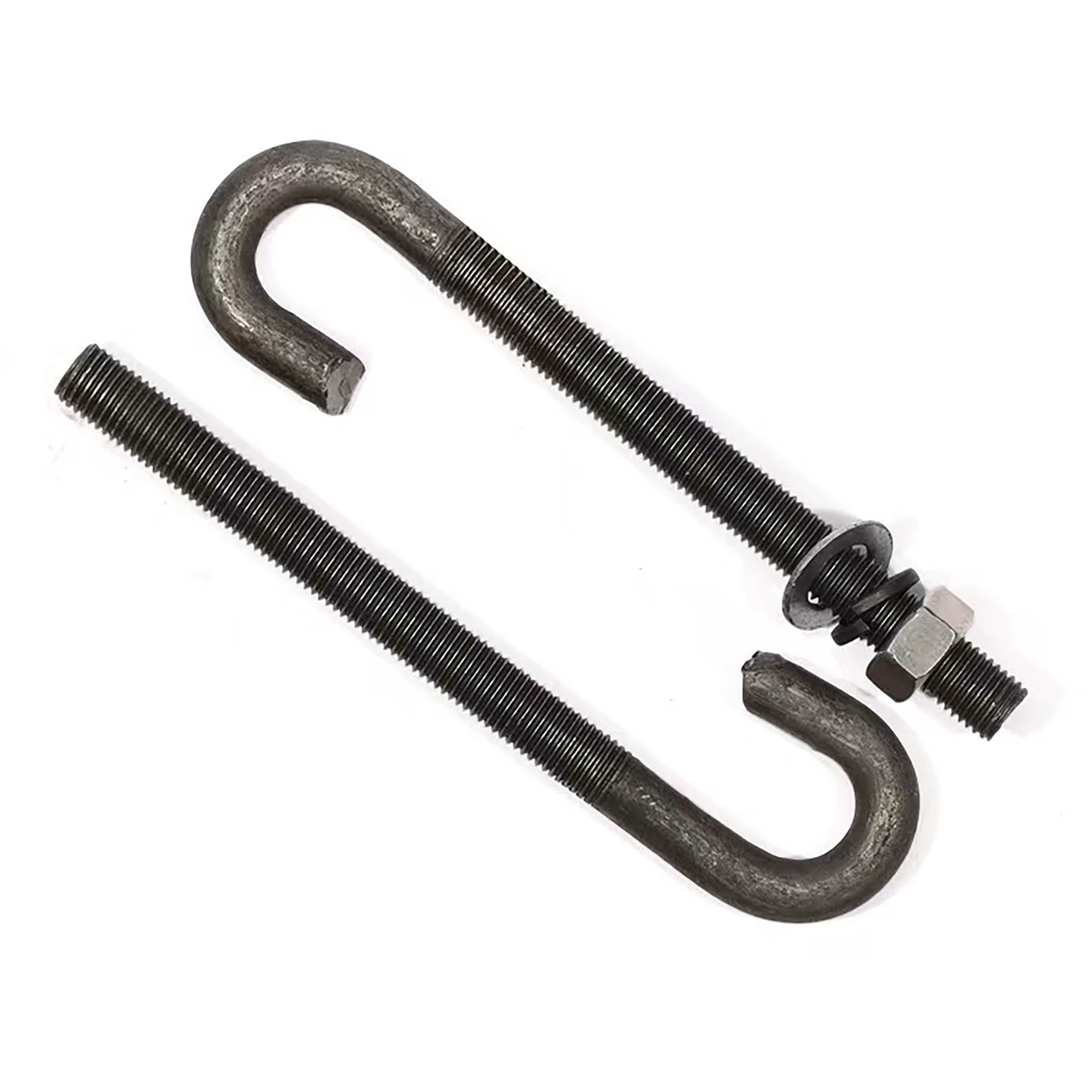
Why Chemical Anchor Systems Are Ideal for Heavy-Duty Concrete Fixing

If you are interested in our products, you can choose to leave your information here, and we will be in touch with you shortly.