allen socket head fasteners are integral components in a vast array of industries globally, from automotive manufacturing and aerospace engineering to consumer electronics and medical device production. Their precision, reliability, and ability to provide secure fastening solutions make them indispensable in modern assembly processes. Understanding the nuances of allen socket head screws, bolts, and related hardware is crucial for engineers, technicians, and procurement specialists seeking optimal performance and longevity in their applications.
The widespread adoption of allen socket head fasteners is directly linked to the increasing demand for compact, high-strength fastening systems. Traditional fasteners often require significant headspace, limiting their use in tight spaces. allen socket head designs, with their recessed drive, overcome this limitation, enabling secure fastening in confined areas. This characteristic has propelled their usage across numerous sectors, contributing to advancements in product design and manufacturing efficiency.
Moreover, the standardization of allen socket head profiles and sizes – adhering to ISO standards and similar – has facilitated global sourcing and interchangeability. This standardization streamlines supply chains and reduces the risk of compatibility issues, ultimately lowering costs and improving operational effectiveness for businesses worldwide.
Introduction to allen socket head Fasteners
allen socket head fasteners have become ubiquitous in modern engineering and manufacturing due to their superior performance characteristics and versatility. Their design, featuring a hexagonal socket drive, allows for higher torque transmission compared to many other fastener types, ensuring a secure and reliable joint.
The increasing demand for precision and reliability across industries has fueled the growth of the allen socket head fastener market. They are employed in applications ranging from critical aerospace components to everyday consumer products, demonstrating their wide-ranging applicability and importance in maintaining product integrity and safety.
Defining allen socket head Screws and Bolts
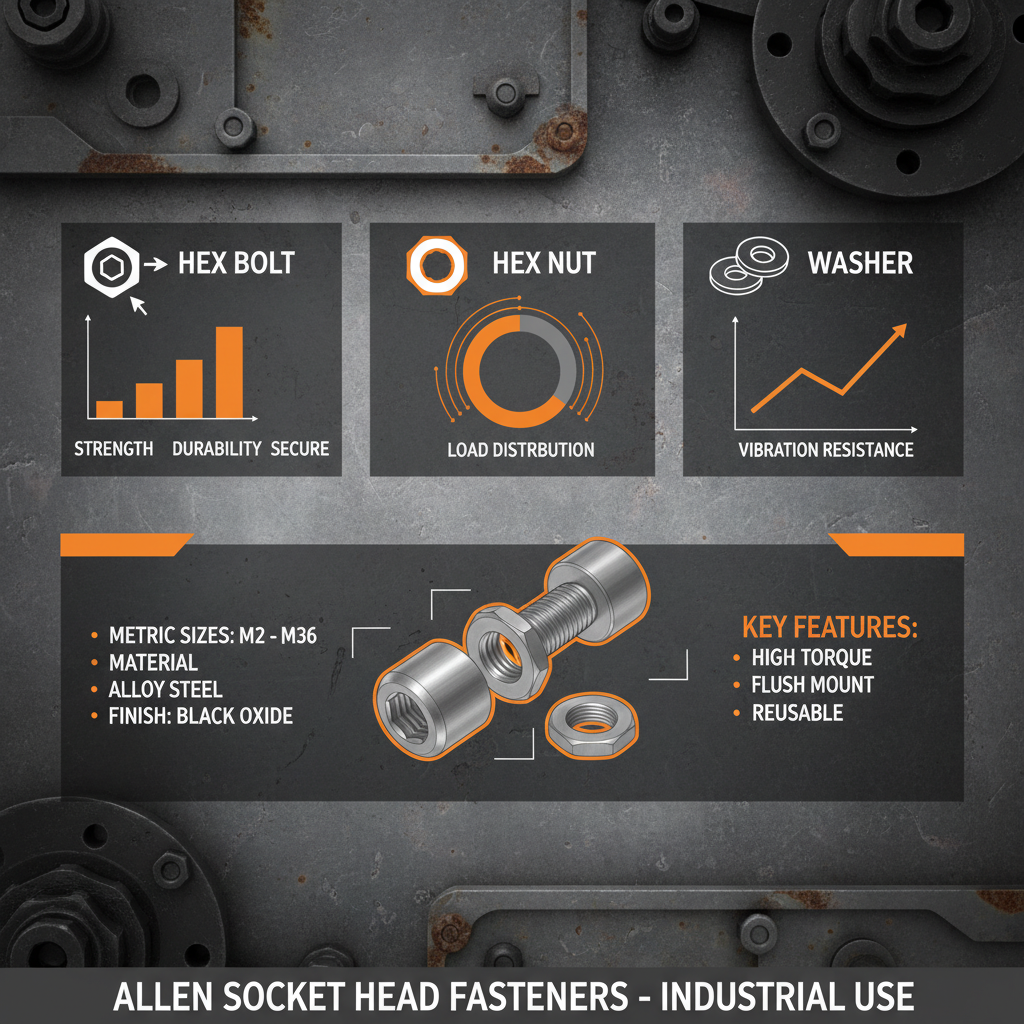
An allen socket head screw, also known as a cap screw, is a type of fastener characterized by a cylindrical head with a hexagonal recess for an allen wrench (hex key). This design allows for efficient tightening and loosening, particularly in confined spaces where a traditional wrench cannot be used. The term "bolt" is often used interchangeably, although technically, bolts typically pass through a nut to create the fastening, while screws thread directly into the material being joined.
The key distinguishing feature of allen socket head fasteners is their drive type. The internal hexagonal socket provides a larger contact area for the driving tool, resulting in greater torque transmission and reduced risk of stripping the screw head. This makes them ideal for applications requiring high clamping forces or frequent adjustments.
Furthermore, allen socket head fasteners are commonly manufactured from various materials, including steel alloys (stainless steel, alloy steel), brass, and plastic, enabling them to be adapted to different environments and application requirements. Choosing the correct material is essential for ensuring corrosion resistance, strength, and overall performance.
Core Characteristics of allen socket head Fasteners
Durability is a cornerstone of allen socket head fastener performance. High-quality materials and precise manufacturing processes contribute to their ability to withstand repeated use, vibration, and exposure to harsh environments. Their robust construction minimizes the risk of failure, ensuring the long-term integrity of assembled components.
The precision of allen socket head fasteners is another critical characteristic. The accurate dimensions and tight tolerances ensure a consistent and reliable fit, minimizing the potential for misalignment or loosening. This precision is particularly important in applications where exacting specifications are essential, such as in aerospace or medical equipment.
A significant advantage lies in their compact design, minimizing headspace requirements. This feature is invaluable in applications where space is limited, allowing for secure fastening in tight or recessed areas. Their low profile makes them a preferred choice for a wide range of designs.
Key Performance Indicators of allen socket head Fasteners
Evaluating the performance of allen socket head fasteners requires considering several key indicators. Tensile strength, a measure of the fastener's resistance to being pulled apart, is crucial for applications subjected to high loads. Similarly, yield strength, indicating the point at which the fastener begins to deform permanently, determines its ability to maintain clamping force under stress.
Corrosion resistance is another vital metric, particularly in outdoor or corrosive environments. Fastener materials like stainless steel offer superior protection against rust and degradation, extending the lifespan of the assembly. Understanding these KPIs ensures the selection of an allen socket head fastener appropriate for the specific application.
allen socket head Fastener Performance Metrics
Global Applications of allen socket head Fasteners
The automotive industry extensively utilizes allen socket head fasteners in engine components, chassis assemblies, and interior fittings. Their high torque capacity and reliability are critical for ensuring the safety and performance of vehicles. In aerospace, where weight and strength are paramount, these fasteners are used in aircraft structures, engine mounts, and control systems.
Manufacturing industries, including electronics, machinery, and robotics, depend on allen socket head fasteners for assembling complex equipment and products. They are also commonly found in furniture construction, providing a secure and aesthetically pleasing fastening solution.
Benefits and Long-Term Value of Using allen socket head Fasteners
Employing allen socket head fasteners translates into significant cost savings over the product lifecycle. Their durability minimizes the need for frequent replacements, reducing maintenance expenses and downtime. The increased efficiency in assembly processes, thanks to their ease of use, also contributes to lower labor costs.
From a sustainability perspective, the longevity of allen socket head fasteners reduces waste and resource consumption. Their robust construction minimizes the environmental impact associated with premature failures and the need for frequent replacements. This aligns with growing demands for eco-friendly manufacturing practices.
Furthermore, their reliable performance enhances product safety and reduces the risk of failures that could lead to costly recalls or injuries. This fosters trust and strengthens brand reputation, adding intangible value to businesses utilizing these fasteners.
Future Trends and Innovations in allen socket head Fastener Technology
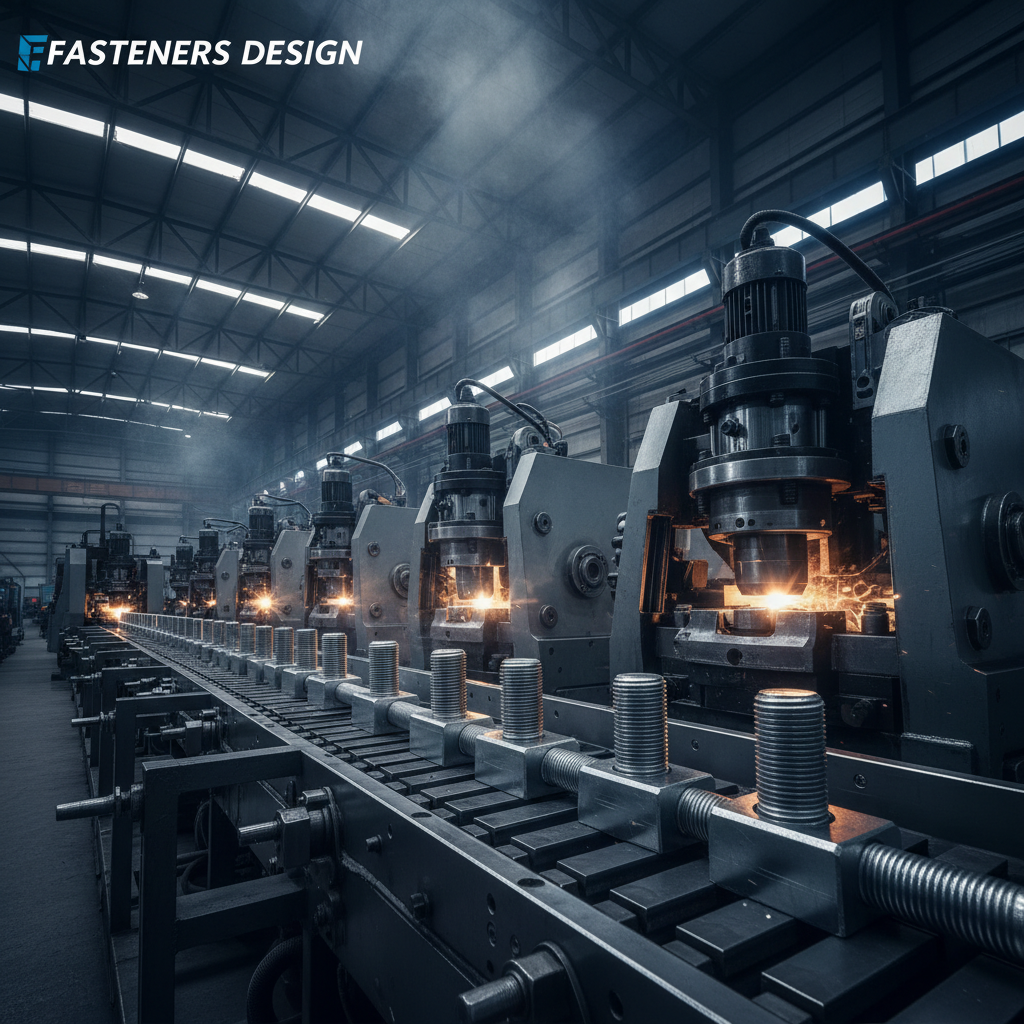
The development of new materials, such as advanced alloys and composite materials, is poised to enhance the performance of allen socket head fasteners. These innovations promise increased strength, lighter weight, and improved corrosion resistance, broadening their application scope. Digital transformation and the adoption of Industry 4.0 principles are also driving advancements in fastener manufacturing, enabling greater precision and quality control.
Automation in fastener installation, utilizing robotic systems, is gaining traction, improving efficiency and reducing labor costs. Furthermore, advancements in coating technologies are providing enhanced protection against corrosion and wear, extending the lifespan of fasteners in harsh environments.
The integration of smart fasteners equipped with sensors is an emerging trend, enabling real-time monitoring of torque, tension, and temperature. This data can be used to predict potential failures and optimize maintenance schedules, enhancing the reliability and safety of critical assemblies.
FAQS
allen socket head screws offer several key advantages. Their hexagonal socket drive allows for higher torque transmission without stripping, providing a more secure and reliable connection. The recessed design also minimizes the risk of cam-out, and they typically offer a cleaner, more finished appearance. They are particularly well-suited for applications requiring high clamping forces or frequent tightening and loosening.
allen socket head fasteners are commonly manufactured from various materials, including carbon steel, alloy steel, stainless steel (304, 316), brass, and occasionally plastic. The choice of material depends on the application's specific requirements, such as strength, corrosion resistance, and temperature range. Stainless steel is preferred for outdoor or corrosive environments, while alloy steel offers high strength for demanding applications.
The size of the allen wrench corresponds directly to the diameter of the hexagonal socket in the screw head. Allen wrench sizes are typically measured in millimeters (mm) or inches. You can find the correct size specified in the fastener's documentation or by carefully measuring the socket diameter with a precision tool. Using the wrong size wrench can damage the screw head or the wrench itself.
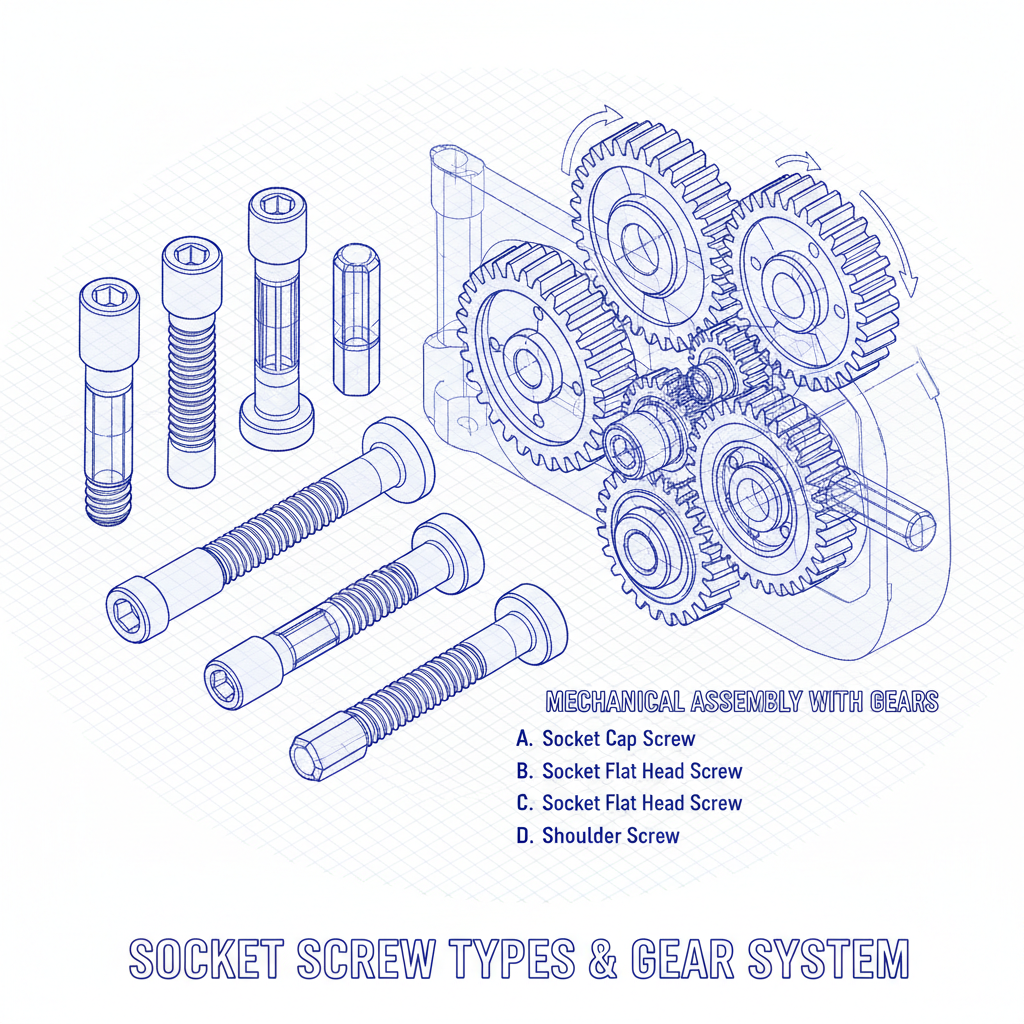
A socket head cap screw is a fully threaded fastener, designed to be screwed into a tapped hole. A socket head shoulder screw, however, has a shoulder (an unthreaded portion) that allows it to rotate freely within a hole, making it suitable for applications requiring pivoting or low-friction movement. The shoulder provides a bearing surface and prevents the screw from bottoming out.
The suitability of allen socket head fasteners for high-temperature environments depends on the material they are made from. Stainless steel alloys, particularly those designed for high-temperature applications, can withstand elevated temperatures. However, carbon steel fasteners may lose strength and become susceptible to corrosion at high temperatures. Always consult material specifications and consider using specialized high-temperature fasteners.
To prevent stripping, use a high-quality allen wrench that fits the socket snugly. Apply even pressure when tightening or loosening the screw, and avoid excessive force. Using a torque wrench can help ensure consistent and accurate tightening. Regularly inspect the allen wrench for wear and replace it when necessary. Avoid using worn or damaged wrenches, as they are more likely to cause stripping.
Conclusion
In conclusion, allen socket head fasteners represent a cornerstone of modern fastening technology, offering a compelling combination of strength, reliability, and versatility. Their ability to provide secure connections in confined spaces, coupled with their resistance to cam-out and high torque capacity, makes them indispensable across a wide range of industries. Understanding their characteristics, materials, and applications is crucial for engineers and professionals seeking optimal performance and longevity in their designs.
Looking ahead, continued innovation in materials, manufacturing processes, and smart fastener technologies will further enhance the capabilities of allen socket head fasteners. Embracing these advancements will unlock new opportunities for improving product safety, reducing maintenance costs, and promoting sustainable manufacturing practices. To explore a comprehensive range of high-quality allen socket head fasteners, visit our website: www.boenfasteners.com.