In the demanding world of precision engineering and architectural design, the choice of fasteners can determine the lifespan and aesthetic integrity of a project. brass cap head screws emerge as a premium solution, blending the mechanical strength of a socket head design with the superior corrosion resistance and visual appeal of brass alloys. These components are not merely functional hardware; they are critical elements in environments where both durability and presentation are non-negotiable.
Globally, the demand for specialized brass fasteners has surged as industries shift toward materials that offer longevity without the need for frequent replacements or toxic coatings. From high-end marine instrumentation to intricate electrical panels, the ability of these screws to resist oxidation while providing a secure, recessed fit makes them indispensable. Understanding the nuances of their composition and application is essential for engineers seeking to optimize system reliability.
Whether you are dealing with the moisture-rich environments of coastal infrastructure or the strict conductivity requirements of electronic housing, leveraging the right grade of brass is key. This guide explores the technical depth, global utility, and future trajectories of brass cap head screws, providing a comprehensive roadmap for procurement and implementation in modern manufacturing.
Global Industry Context of Brass Cap Head Screws
On a global scale, the fastener industry is witnessing a pivot toward specialized alloys that comply with stricter ISO and ASTM standards. brass cap head screws occupy a unique niche, serving as the bridge between basic steel fasteners and ultra-expensive titanium alternatives. As emerging economies in Southeast Asia and Latin America expand their industrial bases, the need for fasteners that can withstand humid climates without rusting has driven a significant increase in brass alloy procurement.
The primary challenge facing modern assembly lines is the balance between torque requirements and material fragility. Traditional steel screws often require heavy galvanization to prevent rust, which can peel or flake over time, potentially contaminating sensitive machinery. By integrating brass components, manufacturers solve the oxidation problem at the molecular level, ensuring that the fastening point remains secure and visually pristine throughout the product's lifecycle.
Definition and Technical Meaning
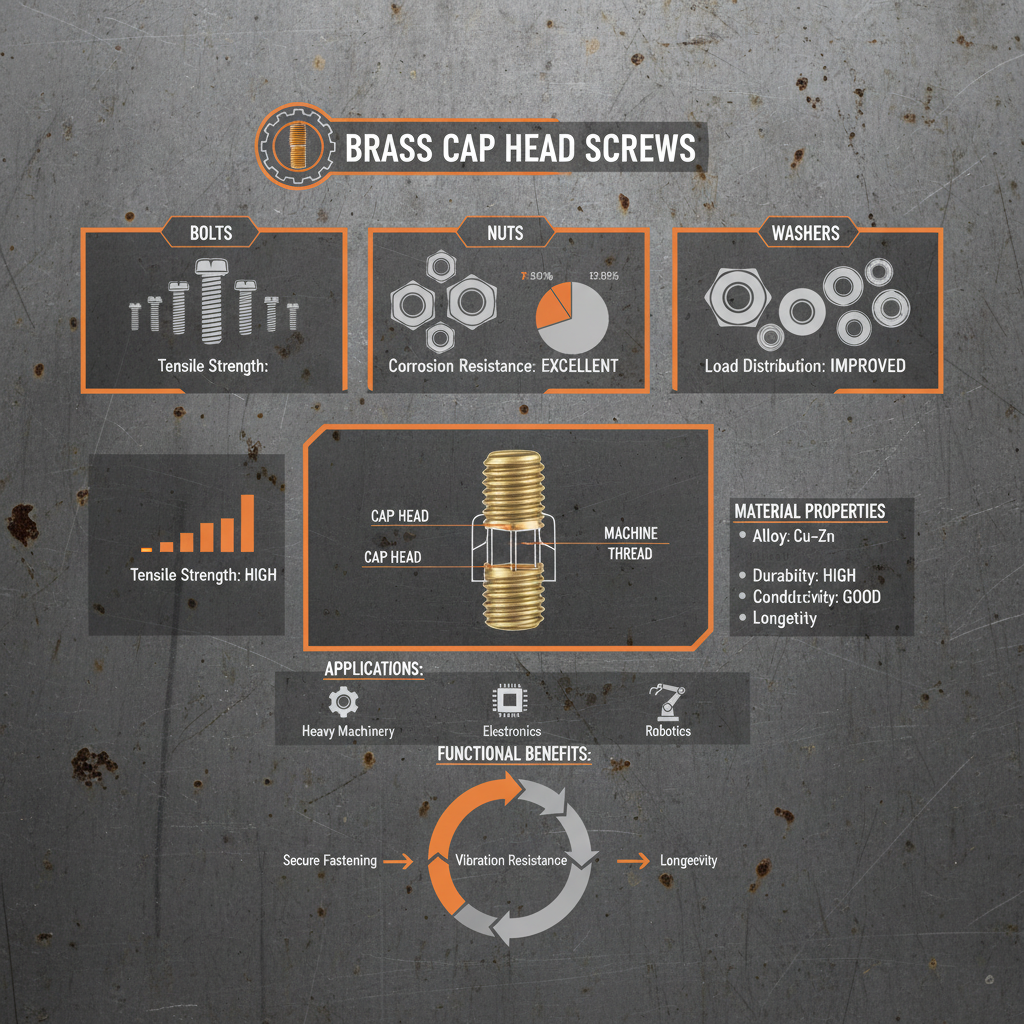
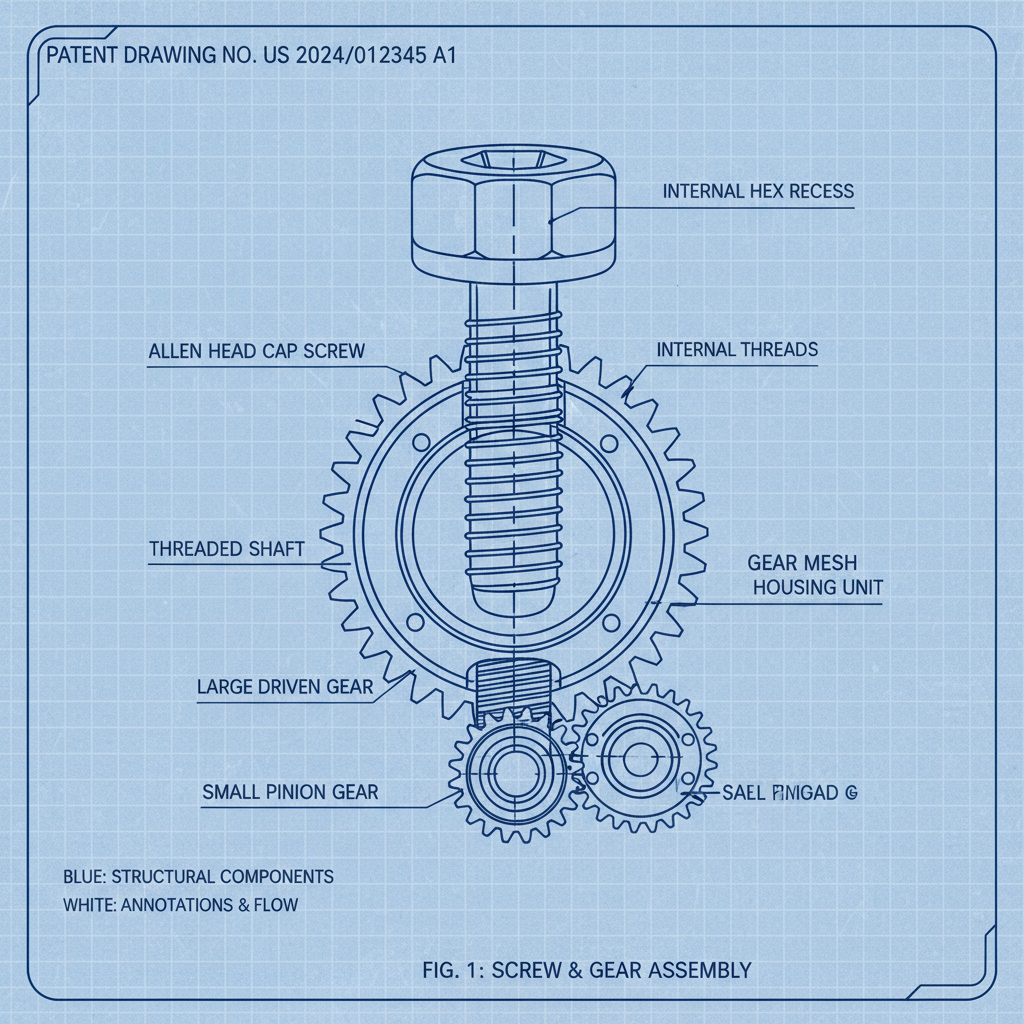
In technical terms, brass cap head screws are cylindrical-headed fasteners featuring an internal hexagonal (socket) drive, manufactured from a copper-zinc alloy. The "cap head" design allows the screw to be driven with a hex key (Allen wrench), providing a high degree of torque transmission and allowing the head to sit flush or protrude slightly depending on the design requirement. This geometry is essential for applications where space is limited but high clamping force is necessary.
Beyond the physical shape, the "brass" element refers to a material designed for specific environmental responses. Unlike ferrous metals, brass is non-magnetic and non-sparking, making these screws critical for hazardous environments such as oil refineries or explosive atmospheres. The inherent antimicrobial properties of copper-based alloys also make them a preferred choice in medical device assembly and food processing equipment.
Connecting this to modern industry, these screws represent the "precision" phase of fastening. They are not used for bulk structural framing but for the high-value components—the control boards, the luxury fittings, and the precision instruments—that define the quality of a finished machine. Their meaning in today's market is synonymous with "reliability meeting aesthetics."
Core Components and Quality Factors
The performance of brass cap head screws depends heavily on the alloy composition. Most industrial-grade versions utilize C36000 Free-Cutting Brass, which allows for high-speed machining and exceptional thread precision. This ensures that each screw fits perfectly into its mating part, reducing the risk of cross-threading and maximizing the structural integrity of the joint.
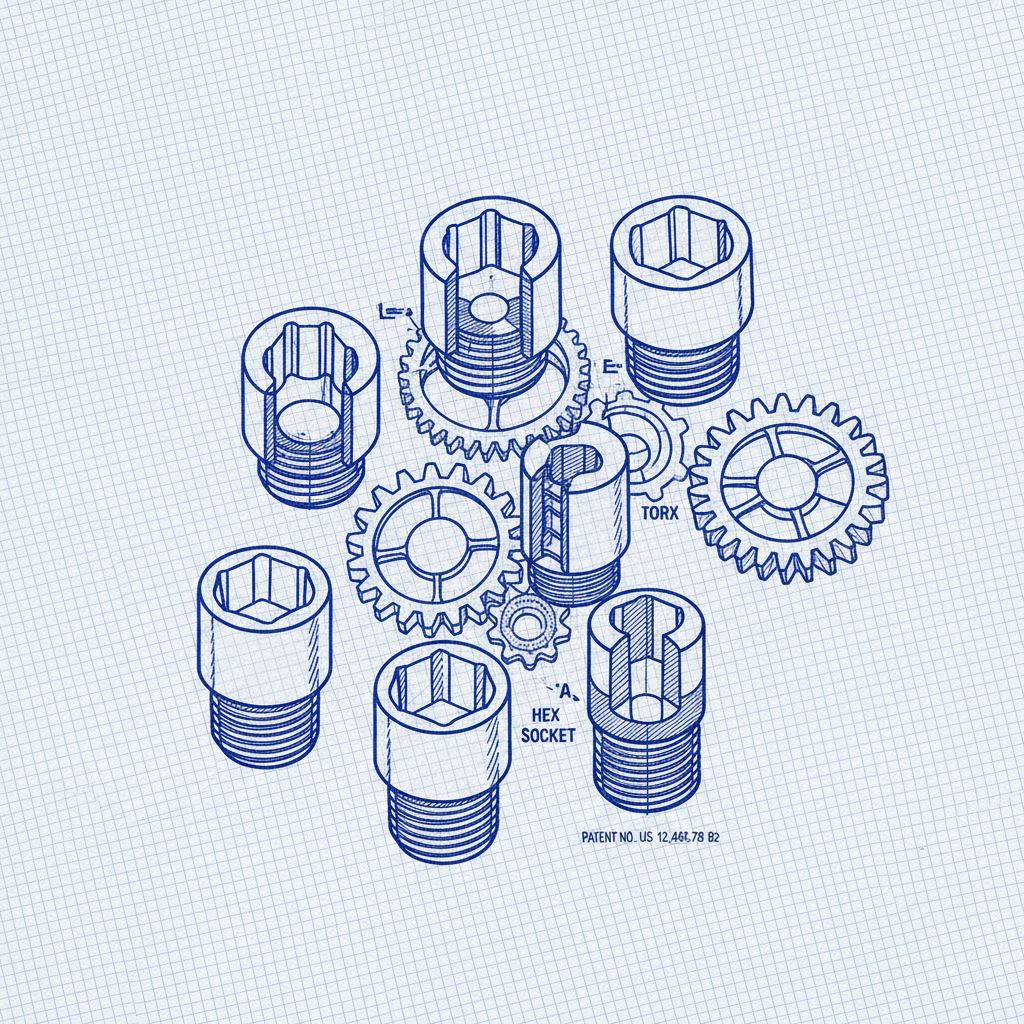
Another critical factor is the tolerance of the socket drive. High-quality brass cap head screws are engineered to minimize "play" between the tool and the screw head. This prevents the stripping of the internal hex, a common failure point in lower-grade fasteners, and allows technicians to apply precise torque values necessary for sensitive electronic or pneumatic assemblies.
Lastly, surface finishing and dimensional consistency are paramount. While brass is naturally corrosion-resistant, some variants undergo a clear lacquer coating to prevent tarnishing over time. The consistency of the cap height and thread pitch across thousands of units is what separates professional-grade fasteners from generic hardware, ensuring seamless integration in automated assembly lines.
Global Applications and Use Cases
The versatility of brass cap head screws allows them to be deployed across a vast array of sectors. In the marine industry, they are used for deck fittings and instrumentation where saltwater would instantly corrode standard steel. In the aerospace sector, non-magnetic brass components are essential for housing sensitive navigational equipment where magnetic interference could lead to critical errors.
Furthermore, in the realm of luxury goods and interior architecture, these screws are chosen for their golden hue, serving as decorative accents in high-end furniture and bespoke lighting fixtures. For example, in European heritage restoration projects, brass fasteners are used to match historical aesthetics while providing modern mechanical security to ancient structures.
Performance Comparison of Brass Cap Head Screws Variants
Long-Term Value and Advantages
The long-term value of investing in brass cap head screws lies in the drastic reduction of maintenance overhead. While the initial cost may be higher than zinc-plated steel, the elimination of rust-related failures means fewer replacements and less downtime for critical machinery. This reliability translates directly into operational safety, as the integrity of the fastening point is maintained even in aggressive chemical environments.
From a sustainability perspective, brass is highly recyclable without losing its inherent properties. By using fasteners that last decades rather than years, companies reduce their overall material footprint. Moreover, the psychological trust provided by the "gold standard" appearance of brass in high-end products enhances brand perception, signaling to the end-user that no detail was overlooked in the manufacturing process.
Future Trends and Innovations
Looking forward, the development of brass cap head screws is being driven by the "green transition." We are seeing a rise in lead-free brass alloys that comply with RoHS and REACH regulations, ensuring that these components are safe for use in potable water systems and medical environments without compromising the machinability of the material.
Digital transformation is also playing a role. With the advent of 3D metal printing (Additive Manufacturing), it is becoming possible to create hybrid fasteners where the cap head is brass for corrosion resistance, but the core is a high-strength alloy for extreme load-bearing. This "multi-material" approach allows for unprecedented optimization of weight and strength.
Furthermore, automation in fastener production is leading to "zero-defect" manufacturing. Laser-precision threading and AI-driven quality control ensure that every screw meets micron-level tolerances, which is essential for the next generation of robotics and miniature medical devices that rely on these specialized components.
Challenges and Expert Solutions
Despite their advantages, brass cap head screws face the challenge of "galling"—a form of wear caused by adhesion between sliding surfaces. In high-torque applications, brass can occasionally seize. To overcome this, experts recommend the use of anti-seize lubricants or selecting alloys with higher silicon content to improve surface hardness and lubricity.
Another common limitation is the lower tensile strength of brass compared to hardened steel. For applications requiring extreme clamping force, the solution is not to abandon brass, but to implement a "steel-core, brass-sleeve" design or to increase the screw diameter to distribute the load across a larger cross-sectional area.
Finally, price volatility in the copper market can affect procurement costs. Strategic sourcing and the use of long-term supply contracts help manufacturers stabilize their costs. By partnering with specialized suppliers who maintain lean inventories of high-grade brass, companies can mitigate the risks associated with raw material fluctuations.
Comparative Analysis of Brass Cap Head Screws Implementation Strategies
| Implementation Scenario |
Recommended Brass Grade |
Critical Performance Metric |
Longevity Expectancy |
| Marine Instrumentation |
Naval Brass (C46400) |
Salt Spray Resistance |
15-20 Years |
| Electronic Chassis |
C360 Free-Cutting Brass |
Electrical Conductivity |
Lifetime of Device |
| Medical Device Housing |
Lead-Free Brass |
Biocompatibility |
10-12 Years |
| Luxury Furniture |
Decorative Brass (Lacquered) |
Aesthetic Uniformity |
25+ Years |
| Oil & Gas Valve Parts |
High-Silicon Brass |
Non-Sparking Property |
8-15 Years |
| Precision Optics |
C360 Brass (Polished) |
Dimensional Stability |
20+ Years |
FAQS
Generally, yes. The raw cost of copper and zinc alloys is higher than that of standard stainless steel. However, the "expense" is offset by the specific properties brass provides, such as non-magnetic behavior and superior machinability, which can reduce overall production time and maintenance costs in the long run.
Brass has lower tensile strength than high-tensile steel. While brass cap head screws are excellent for precision and corrosion resistance, they are not recommended for primary load-bearing structural elements. For such cases, we recommend using a larger diameter screw or a hybrid material solution.
While brass is naturally resistant to rust, it can develop a patina (oxidation layer). To maintain a bright, gold-like finish, you can specify a clear lacquer coating during procurement or use a specialized brass polish during routine maintenance to remove surface oxidation.
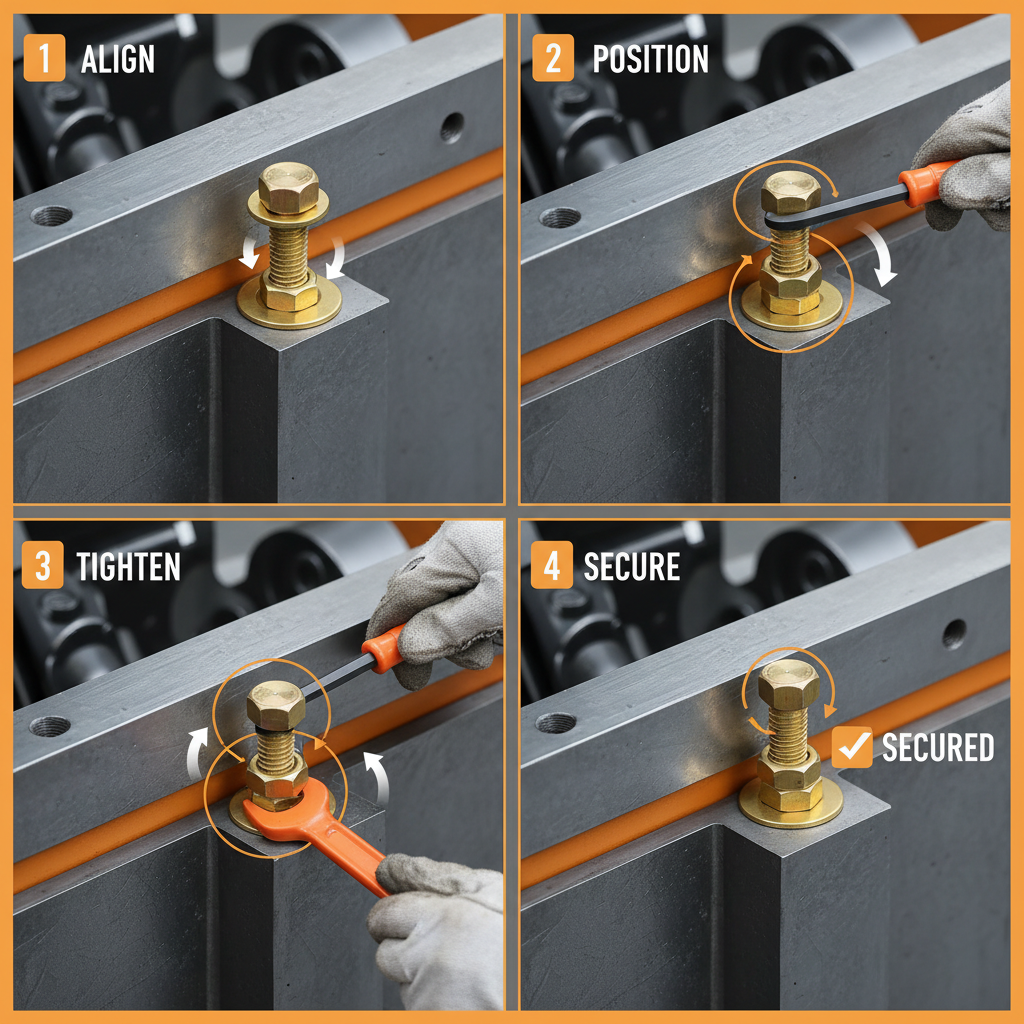
A high-quality hex key (Allen wrench) that exactly matches the socket size is essential. We recommend using torque-limited drivers to avoid stripping the head, as brass is softer than steel and can deform if excessive force is applied beyond the specified torque limit.
Yes, provided you use lead-free brass alloys. Standard brass often contains small amounts of lead to improve machinability, which may not be suitable for direct food contact. Always specify "Lead-Free Brass" for food and beverage industry applications to ensure regulatory compliance.
The easiest way is using a magnet; real brass is non-magnetic, whereas brass-plated steel will attract a magnet. Additionally, if you scratch a small, inconspicuous area, real brass will be the same color throughout, while plated screws will reveal a silver-colored steel core.
Conclusion
In summary, brass cap head screws represent a critical intersection of form and function. By combining the mechanical advantages of the socket head design with the environmental resilience and aesthetic appeal of brass alloys, these fasteners provide a high-value solution for industries ranging from marine engineering to luxury design. The core benefits—corrosion resistance, non-magnetic properties, and long-term reliability—far outweigh the initial investment for any project where precision and durability are paramount.
As we look toward a future of more sustainable and specialized manufacturing, the role of high-grade brass fasteners will only grow. We suggest that engineers and procurement officers prioritize alloy certification and torque precision to maximize the lifespan of their assemblies. For those seeking the perfect balance of strength and elegance, exploring custom brass solutions is the most effective path toward engineering excellence. Visit our website for more professional fastening solutions: www.fastenboen.com