Comprehensive Guide to Countersunk Socket Head Cap Screw Dimensions and Standards
Understanding Countersunk Socket Head Cap Screw Dimensions
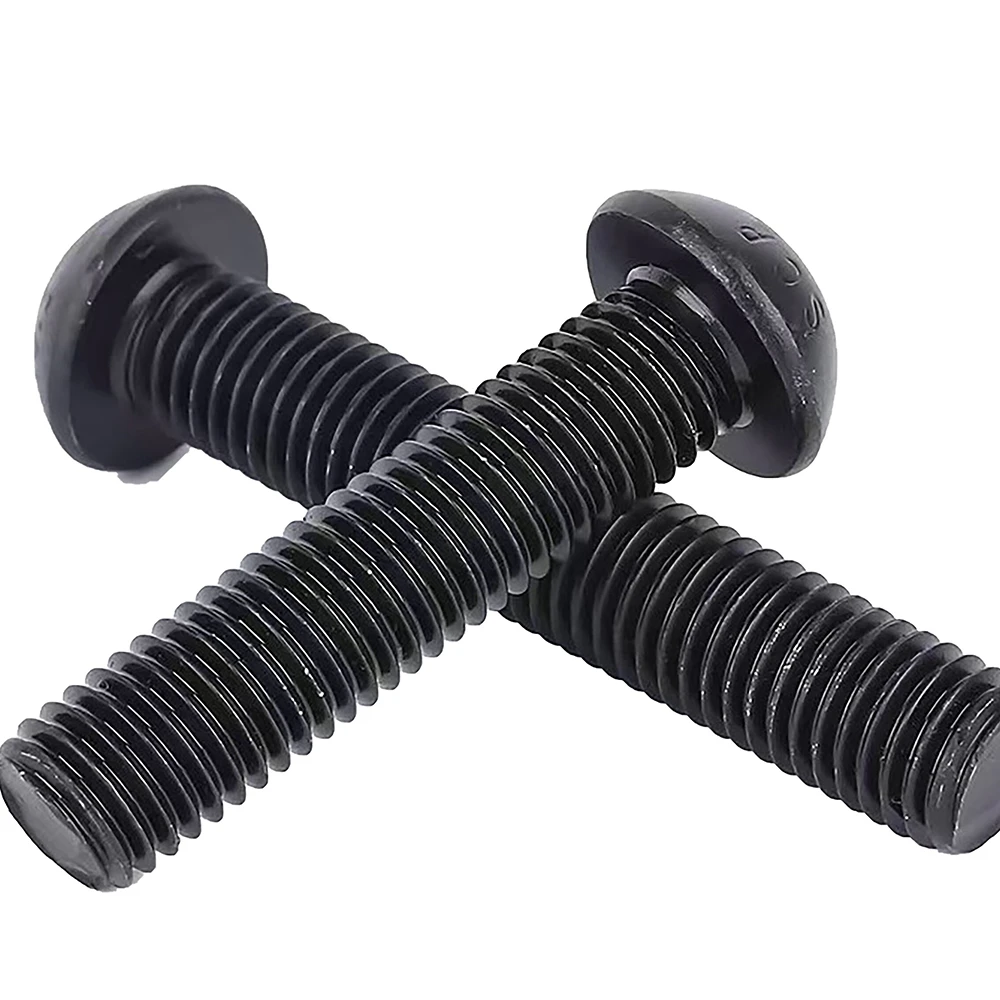
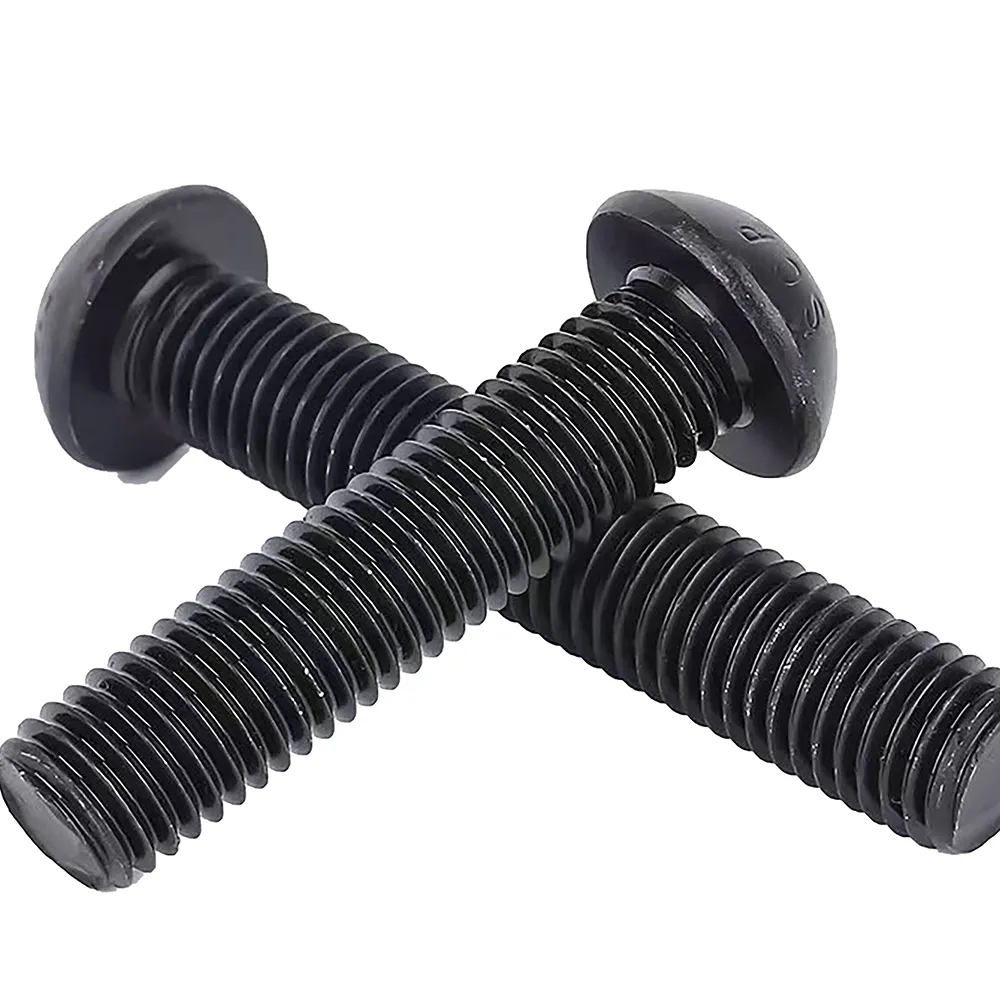
Countersunk socket head cap screws are essential fasteners used in a wide range of applications, from automotive assembly to precision machinery. Understanding their dimensions is critical for ensuring proper fit, function, and structural integrity. This article will provide a comprehensive guide to these dimensions, covering key parameters and standards. Choosing the correct screw dimensions can prevent assembly issues, ensure load-bearing capacity, and ultimately contribute to a more reliable and safe product. Let's explore the intricacies of countersunk socket head cap screw sizing.
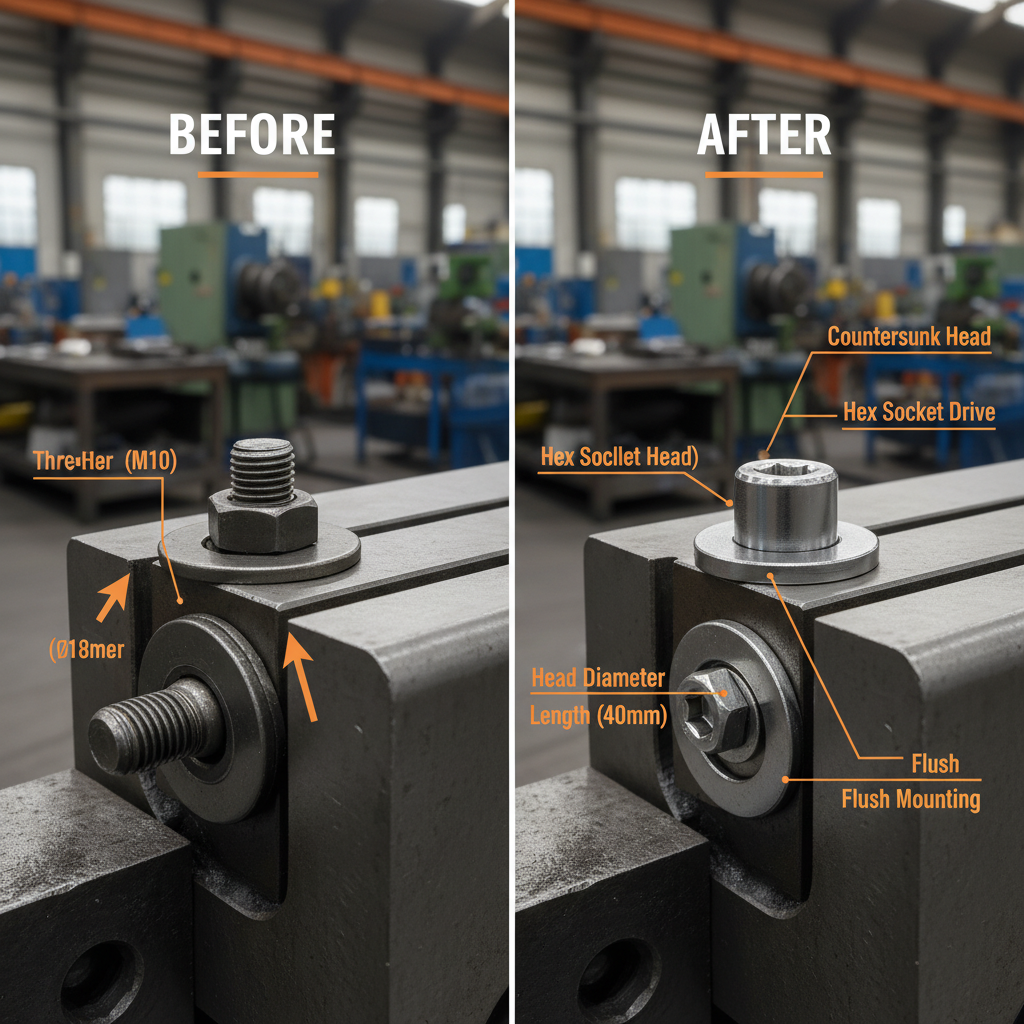
Key Dimensions of Countersunk Socket Head Cap Screws
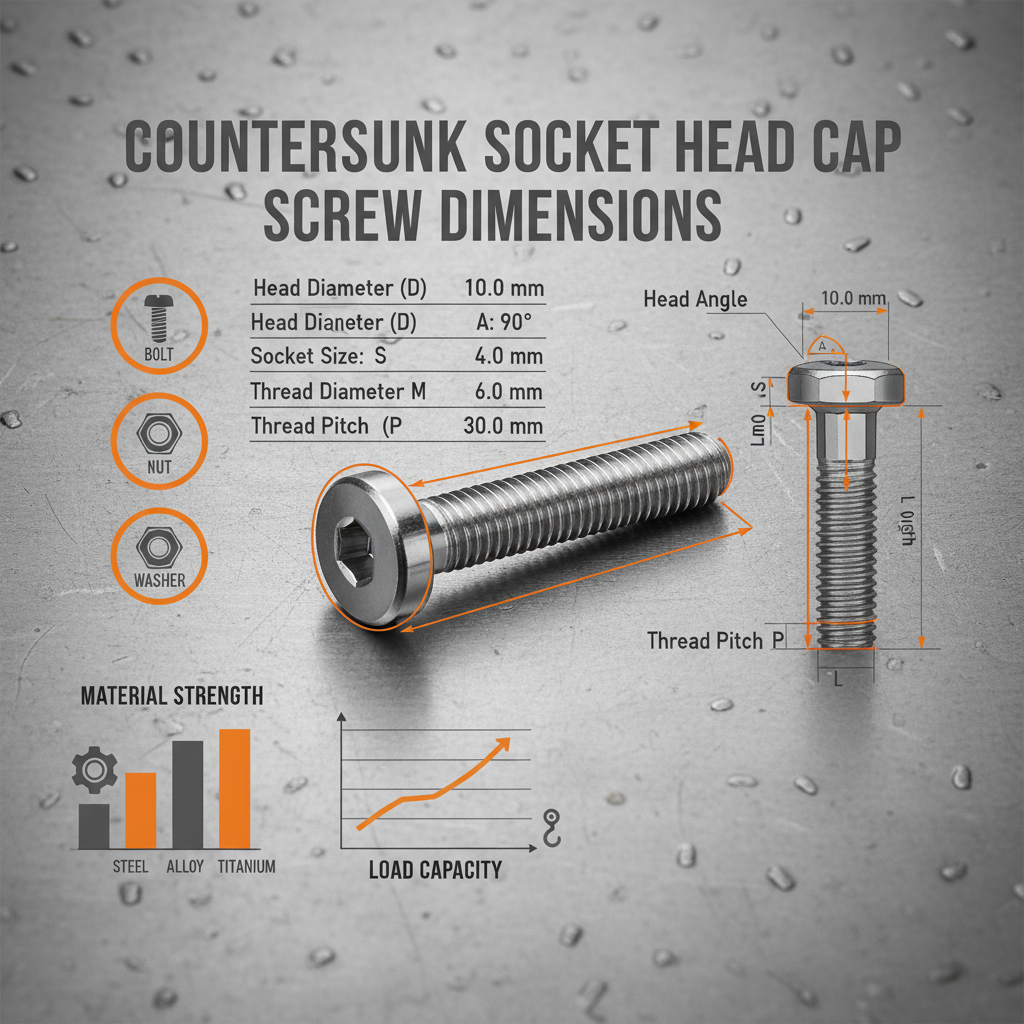
Several critical dimensions define a countersunk socket head cap screw. These include the diameter (d), length (L), head diameter (dk), and countersink angle (α). The diameter refers to the screw’s body size, typically measured in millimeters. Length is measured from under the head to the tip of the screw. Head diameter influences the size of the countersunk hole required. The countersink angle dictates the shape of the recess needed for flush mounting. Accurate knowledge of these parameters is essential for design and manufacturing.
Understanding the Countersink Angle
The countersink angle is arguably one of the most crucial dimensions. Standard countersunk screws typically use a 90-degree angle. However, other angles, like 82 degrees, are also found. It's vital that the countersink angle of the screw matches the countersink angle of the hole it’s being installed into. A mismatch can lead to improper seating, stress concentrations, and ultimately, failure. Different industries and applications may call for specific angle requirements.
Important Note: Always verify the required countersink angle based on the application and mating component specifications.
Countersunk Socket Head Cap Screw Dimensions: A Detailed Table
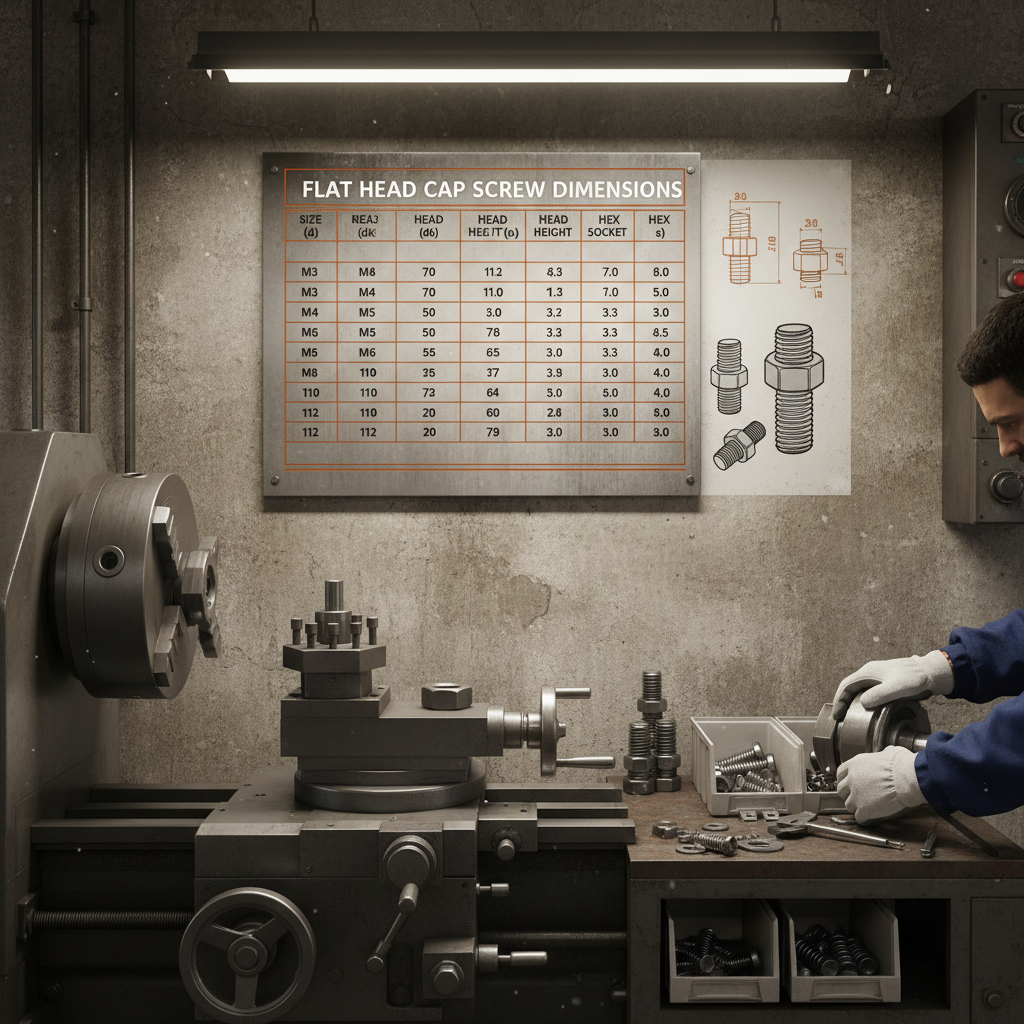
Below is a table showcasing common dimensions for M3 to M8 countersunk socket head cap screws, adhering to DIN 912 standards. Note that these are typical values and may vary based on the manufacturer and specific requirements.
Selecting the Right Dimensions: Factors to Consider
Choosing the appropriate countersunk socket head cap screw dimensions requires careful consideration of several factors. The material being fastened, the required clamping force, and the space constraints are all important. Selecting a screw that is too small may result in insufficient holding power, while a screw that is too large could damage the material or create excessive stress. Furthermore, material compatibility is crucial to prevent corrosion. For specialized applications, consulting with a fastener expert is recommended.
Conclusion: Precision in Fastening with Fastenboen
Ensuring Optimal Performance Through Correct Dimensioning
Accurately understanding and applying countersunk socket head cap screw dimensions is vital for any successful assembly project. From selecting the correct diameter and length to ensuring a precise countersink angle, attention to detail can significantly impact performance and reliability. At Fastenboen, we provide high-quality fasteners and expert guidance to help you achieve optimal results. Don’t compromise on quality – choose the right dimensions and partner with a trusted supplier.
Frequently Asked Questions (FAQs)
What materials are countersunk socket head cap screws typically made from?
Countersunk socket head cap screws are commonly manufactured from steel, including carbon steel, alloy steel, and stainless steel. Stainless steel offers excellent corrosion resistance, making it suitable for outdoor or marine applications. Alloy steel provides higher strength and is often used in demanding industrial environments. Carbon steel is a cost-effective option for general-purpose applications, but may require protective coatings to prevent corrosion. The choice of material depends on the specific application requirements and environmental conditions.
What does DIN 912 signify in relation to these screws?
DIN 912 is a German industrial standard that defines the dimensions and tolerances for countersunk socket head cap screws. It’s a widely recognized standard globally, ensuring interchangeability and quality. When you see a screw specified as 'DIN 912', it means it conforms to the precise specifications outlined in that standard, guaranteeing consistent sizing and performance. Using screws compliant with DIN 912 helps ensure compatibility and reliability in assembly processes.
How can I ensure the correct countersink depth?
Ensuring the correct countersink depth is vital for a flush finish and optimal screw performance. Start by carefully measuring the height of the screw head. The countersink depth should be slightly greater than the screw head height to allow for proper seating. Use a countersink tool with the correct angle (typically 90 degrees) and gradually increase the depth, frequently checking the fit. A slight amount of clearance is preferable to a countersink that is too deep, which could weaken the material.
What are the common applications for countersunk socket head cap screws?
Countersunk socket head cap screws are used in a diverse array of applications, including automotive assembly, aerospace components, machinery construction, and electronic equipment. Their flush-mounting capability makes them ideal for applications where a smooth, aesthetically pleasing surface is required. They are also commonly used in situations where a low profile is essential, such as in confined spaces or aerodynamic designs. Their robust construction and secure clamping force make them a reliable choice for demanding applications.
Who We Are: The Right Fastener Partner for Global SMEs
Handan Boen Fastener Manufacturing Co., Ltd. (Est. 2010) specializes in producing standardized industrial fasteners, including bolts, nuts, washers, and other essential components. We provide cost-effective for small and medium-sized buyers in industries such as automotive parts, agricultural machinery, and construction.