Comprehensive Button Head Screw Size Chart for Accurate Fastener Selection
Button Head Screw Size Chart: A Comprehensive Guide
Understanding button head screw sizes is crucial for successful assembly in various industries. Choosing the correct size ensures proper clamping force, structural integrity, and a professional finish. This guide provides a detailed button head screw size chart, covering common diameters, lengths, and thread pitches. Whether you're a DIY enthusiast or a professional engineer, this information will help you select the right fasteners for your project. Ignoring the correct size can lead to stripped threads, weakened connections, and ultimately, project failure.
Understanding Button Head Screw Dimensions
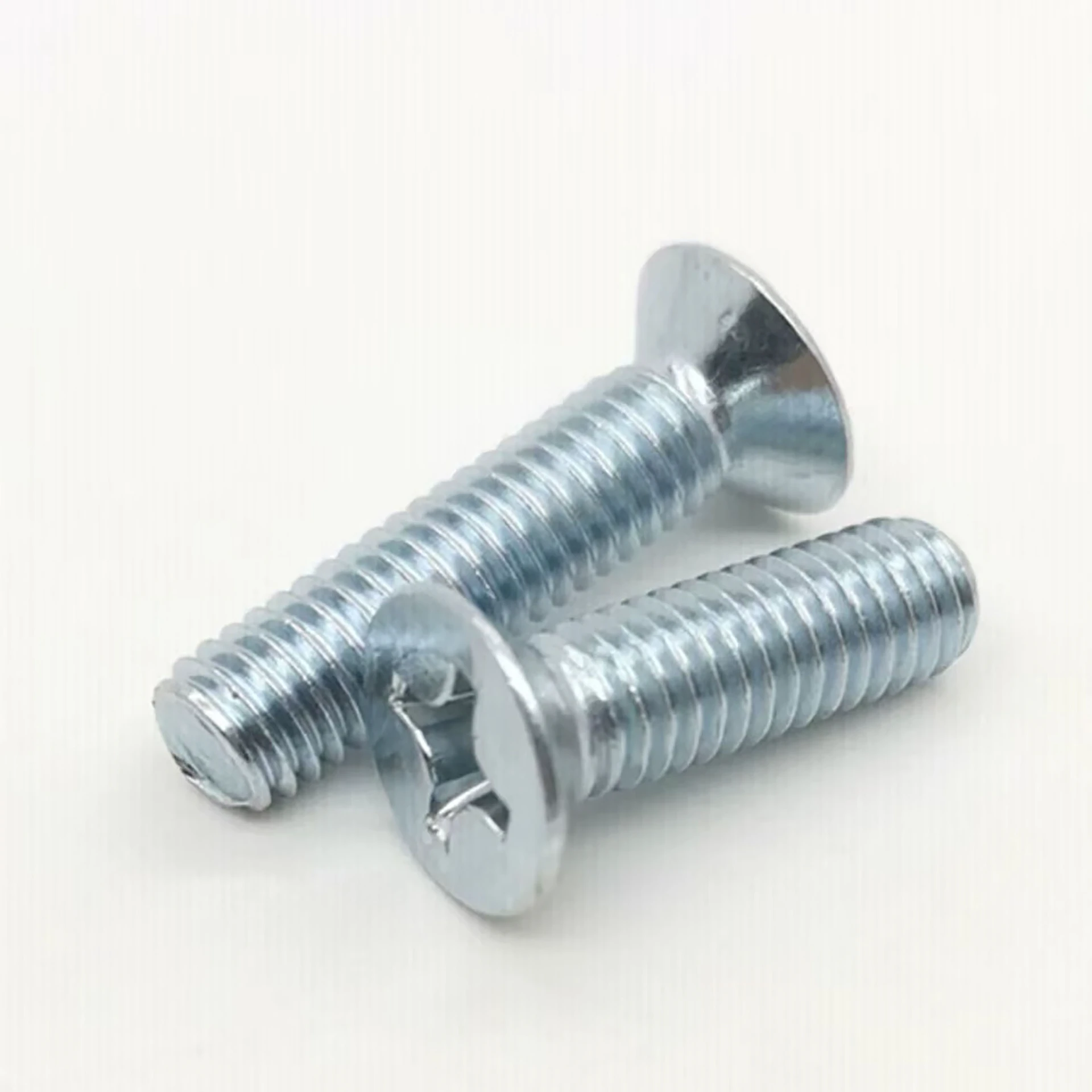
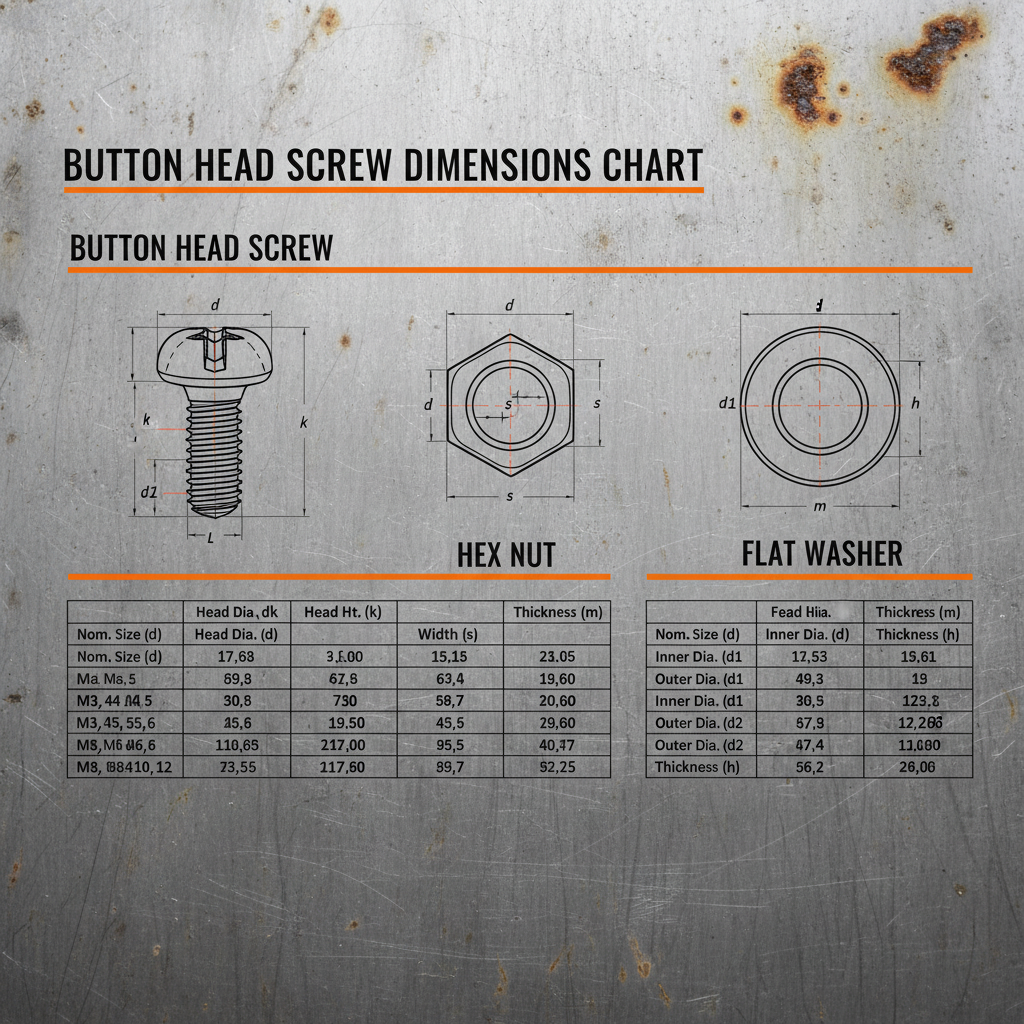
Button head screws, known for their low-profile, rounded heads, are commonly used in applications where aesthetics and space constraints are important. The key dimensions to consider are the diameter (major diameter), length, and thread pitch. The diameter refers to the width of the screw’s threads. Length is measured from the underside of the head to the tip of the screw. Thread pitch defines the distance between adjacent threads. Different materials also influence size selection; for example, stainless steel screws might require slightly different torque specifications compared to carbon steel screws. A properly sized screw ensures secure fastening and prevents damage to the materials being joined.
Common Button Head Screw Sizes & Applications
Button head screws are widely used in machine building, automotive applications, and electronics assembly. Common sizes include M3, M4, M5, M6, M8, and M10. Smaller sizes (M3 & M4) are typically used for delicate electronics and plastic components, while larger sizes (M8 & M10) are more suitable for heavier-duty applications and metal structures. The length varies depending on the thickness of the materials being fastened. Always consult a button head screw size chart specific to your application and material type.
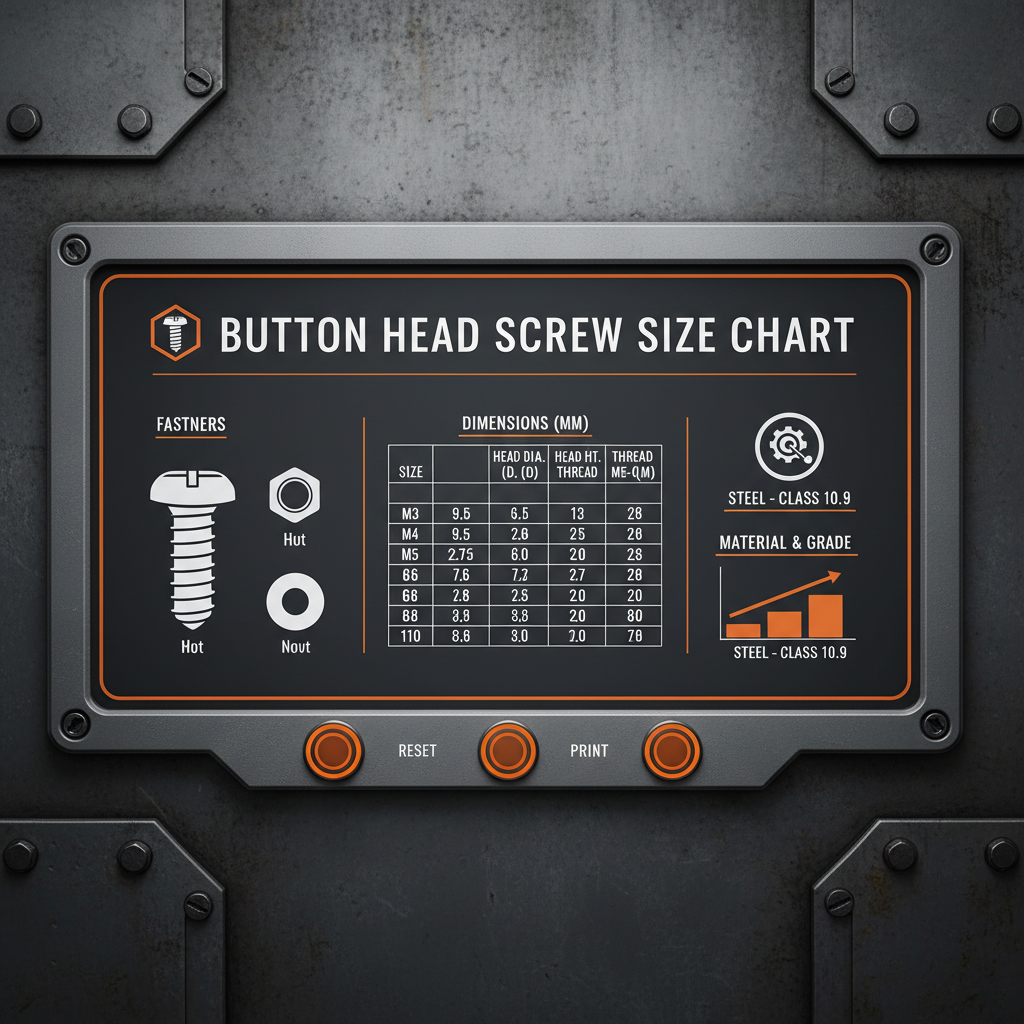
Metric Button Head Screw Size Chart
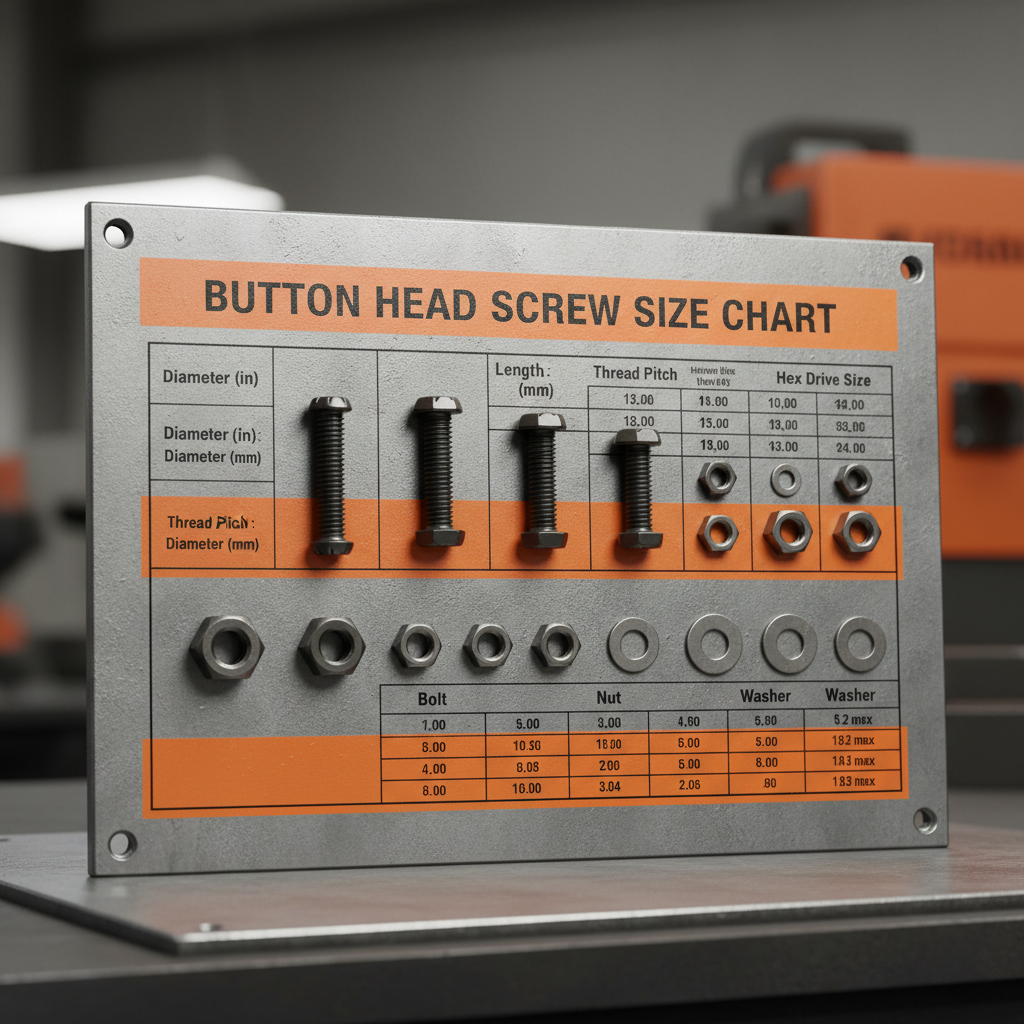
Here’s a detailed chart covering common metric button head screw sizes, including typical lengths. This chart is a starting point; always verify dimensions based on your specific requirements.
Imperial vs. Metric: Key Differences
While metric screws are prevalent globally, imperial (inch) sizes are still used in some regions and applications. The key difference lies in the measurement system. Metric uses millimeters (mm), while imperial uses inches. Direct conversion isn't always accurate, and using the wrong system can lead to compatibility issues. It’s critical to identify the standard used in your project and adhere to it consistently. Fastenboen offers both metric and imperial button head screws to accommodate diverse needs.
Key Takeaway: Always double-check the measurement system (metric or imperial) before selecting screws. Using the wrong system can cause significant problems.
Choosing the Right Material for Your Application
Button head screws are available in various materials, each with its own strengths and weaknesses. Common materials include stainless steel, carbon steel, and alloy steel. Stainless steel offers excellent corrosion resistance, making it ideal for outdoor applications and environments exposed to moisture. Carbon steel is stronger and more affordable but susceptible to rust if not protected. Alloy steel provides a balance of strength and corrosion resistance. Consider the operating environment and load requirements when selecting the appropriate material. Fastenboen provides detailed material specifications for all its screws.
Conclusion: Selecting the Perfect Button Head Screw
Choosing the right button head screw involves considering diameter, length, thread pitch, material, and the overall application. Utilizing a reliable button head screw size chart is essential for ensuring a secure and lasting connection. Investing in quality fasteners from a trusted supplier like Fastenboen will save you time, money, and potential headaches in the long run.
Frequently Asked Questions (FAQs)
What does 'thread pitch' mean, and why is it important?
Thread pitch refers to the distance between adjacent threads on a screw. It’s measured in millimeters (mm) for metric screws and threads per inch (TPI) for imperial screws. The correct thread pitch is crucial for ensuring the screw properly engages with the threaded hole. If the pitch is incorrect, the screw won’t tighten securely, leading to a loose connection and potential failure. Using the wrong pitch can also damage the threads in both the screw and the hole, making it difficult to repair. Always verify the thread pitch before installing a screw.
How do I determine the correct length of a button head screw?
To determine the correct length, measure the total thickness of the materials being fastened. You'll need enough screw length to penetrate both materials and provide sufficient thread engagement. A general rule of thumb is to allow at least one full thread diameter of engagement in each material. Additionally, consider the head height of the button head screw itself. Add the head height to the material thickness to calculate the required screw length. It's often better to err on the side of slightly longer rather than too short, as a screw that is too short won't provide a secure connection.
What is the difference between a button head screw and a pan head screw?
Both button head and pan head screws have rounded heads, but they differ in profile. Button head screws have a lower profile and a wider diameter head, providing a more aesthetically pleasing look and better clearance in tight spaces. Pan head screws have a slightly higher profile and a narrower diameter head. The choice between the two depends on the application's aesthetic requirements and space constraints. Button heads are often preferred in applications where a flush or low-profile finish is desired.
Where can I find a comprehensive selection of button head screws?
Fastenboen offers a wide range of button head screws in various sizes, materials, and finishes. Their online catalog provides detailed specifications and dimensions for each product, making it easy to find the right screw for your application. They also offer expert technical support to help you with your fastener selection.
Who We Are: The Right Fastener Partner for Global SMEs
Handan Boen Fastener Manufacturing Co., Ltd. (Est. 2010) specializes in producing standardized industrial fasteners, including bolts, nuts, washers, and other essential components. We provide cost-effective for small and medium-sized buyers in industries such as automotive parts, agricultural machinery, and construction.