Comprehensive Guide to CSK Socket Head Screw Dimensions and Applications
Understanding CSK Socket Head Screw Dimensions
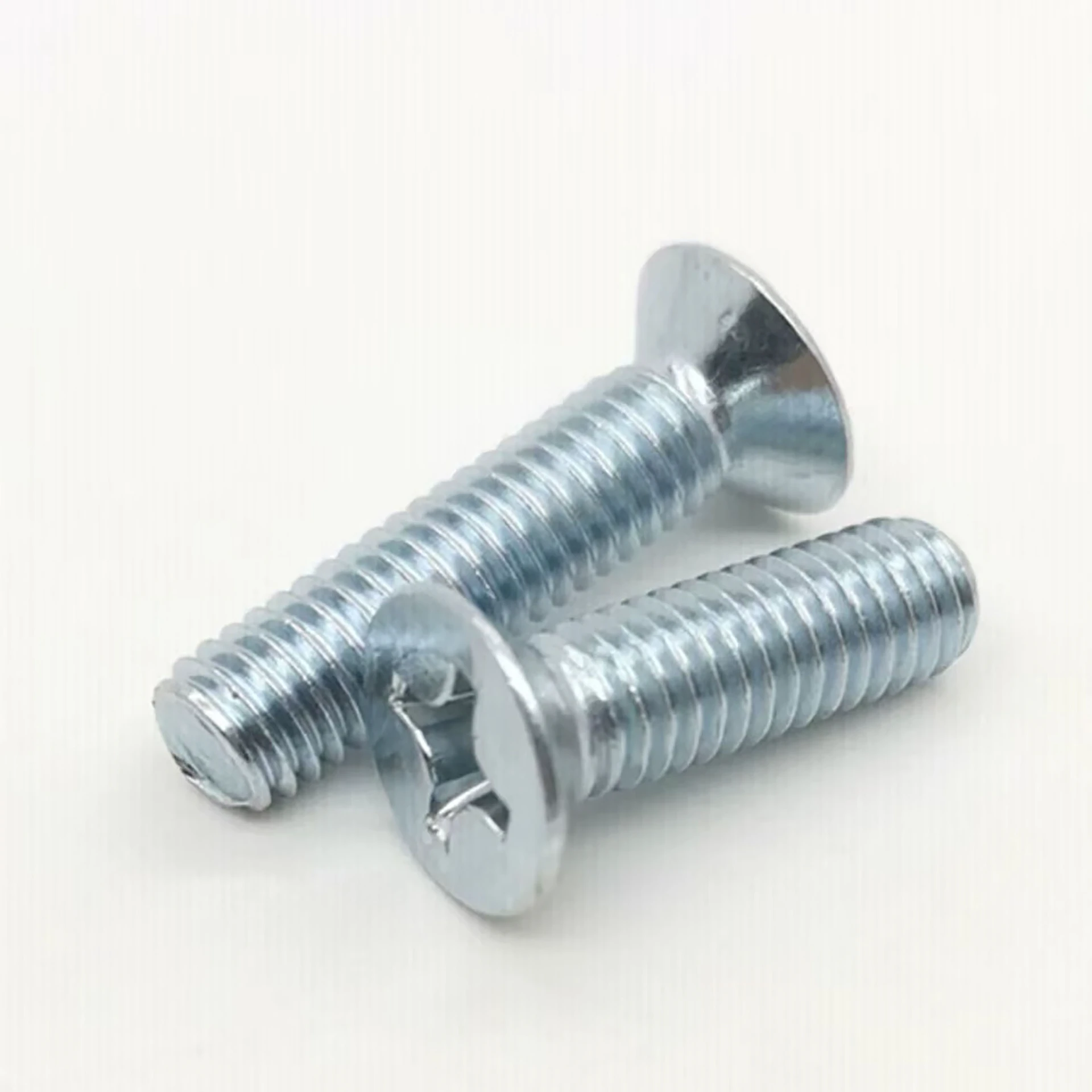
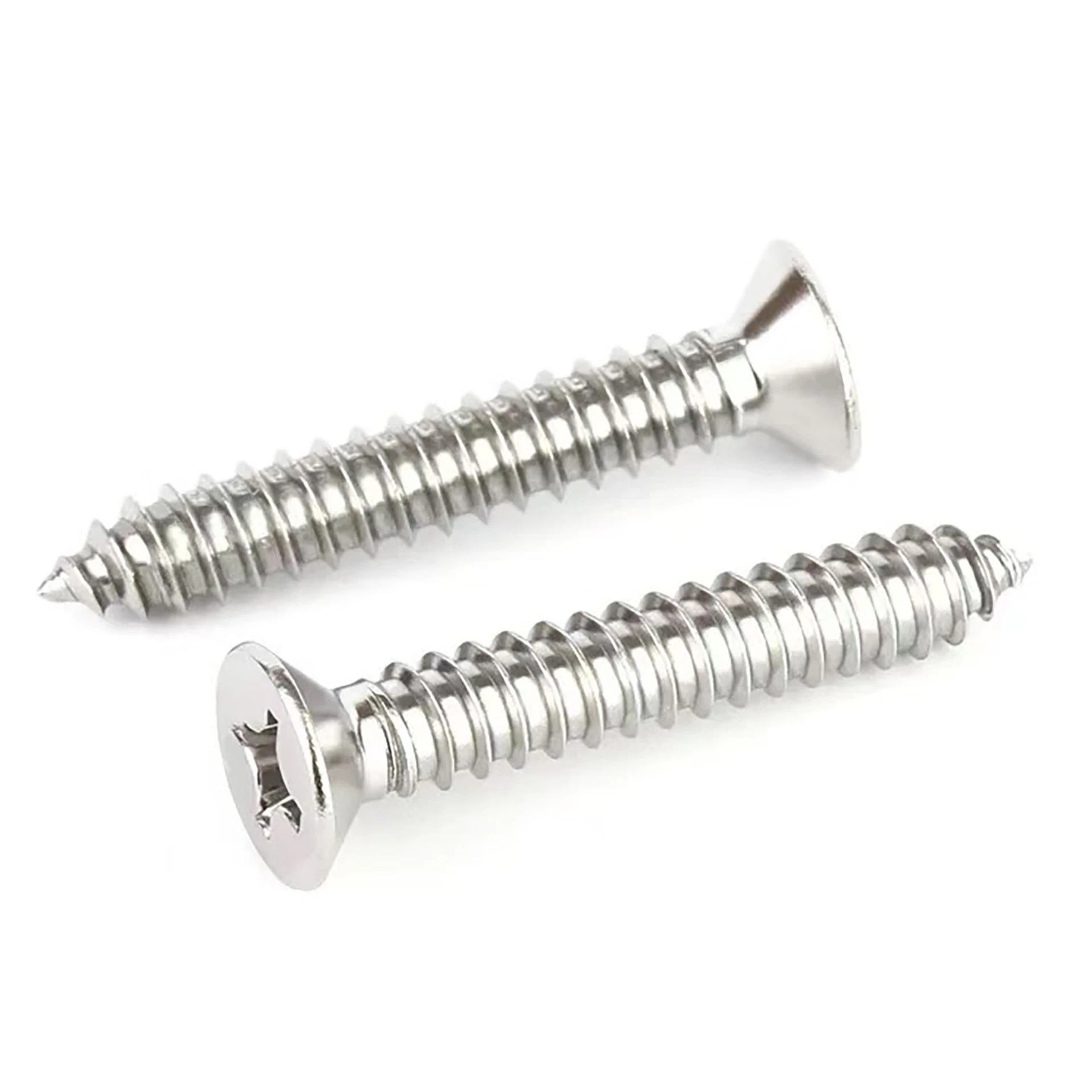
Choosing the right fasteners is critical for any engineering project, and understanding CSK socket head screws dimensions is paramount. These screws, known for their countersunk head which sits flush with the surface, require precise specifications for optimal performance. This article will provide a comprehensive guide to CSK socket head screw dimensions, covering standards, measurement methods, and practical considerations. Accurate dimensions ensure secure fastening, prevent stress concentrations, and contribute to the overall integrity of the assembly. Fastenboen offers a wide range of high-quality CSK socket head screws to meet your specific needs.
Key Dimensions of CSK Socket Head Screws
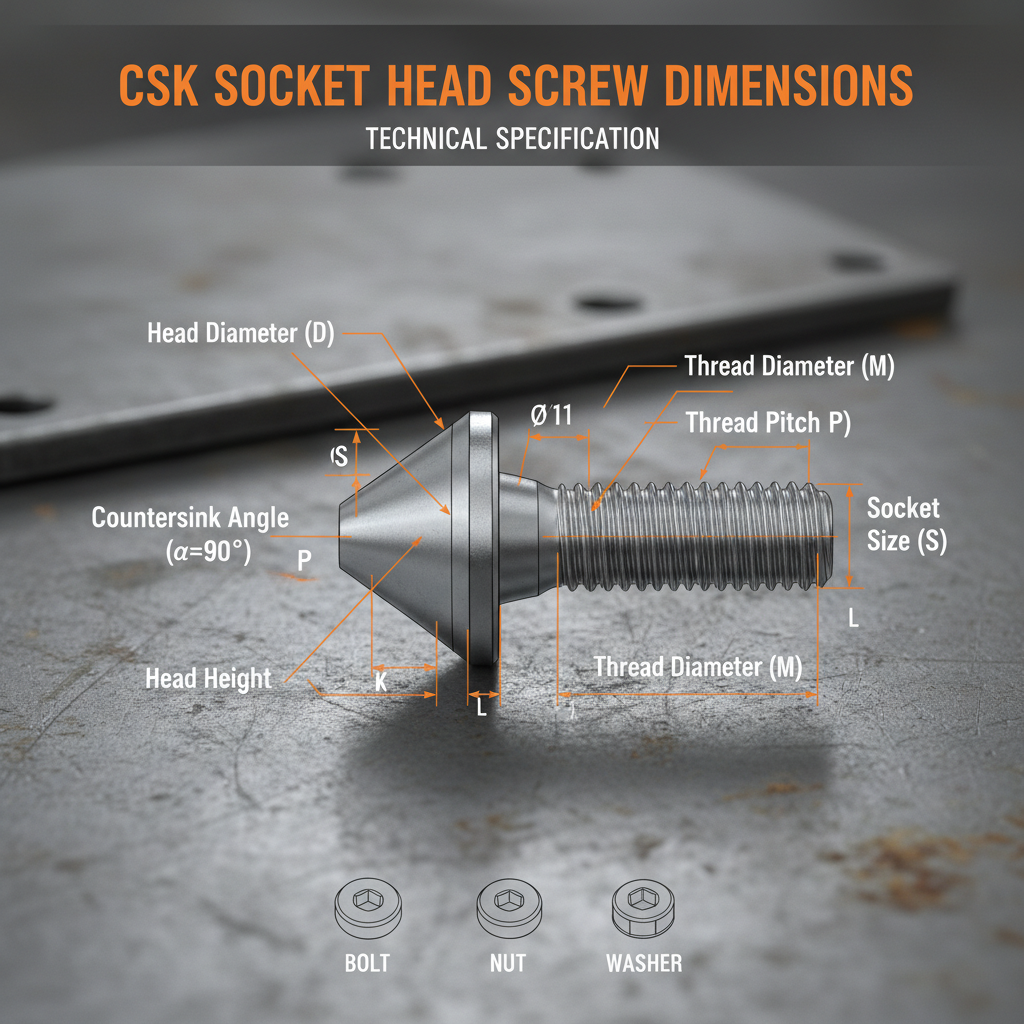
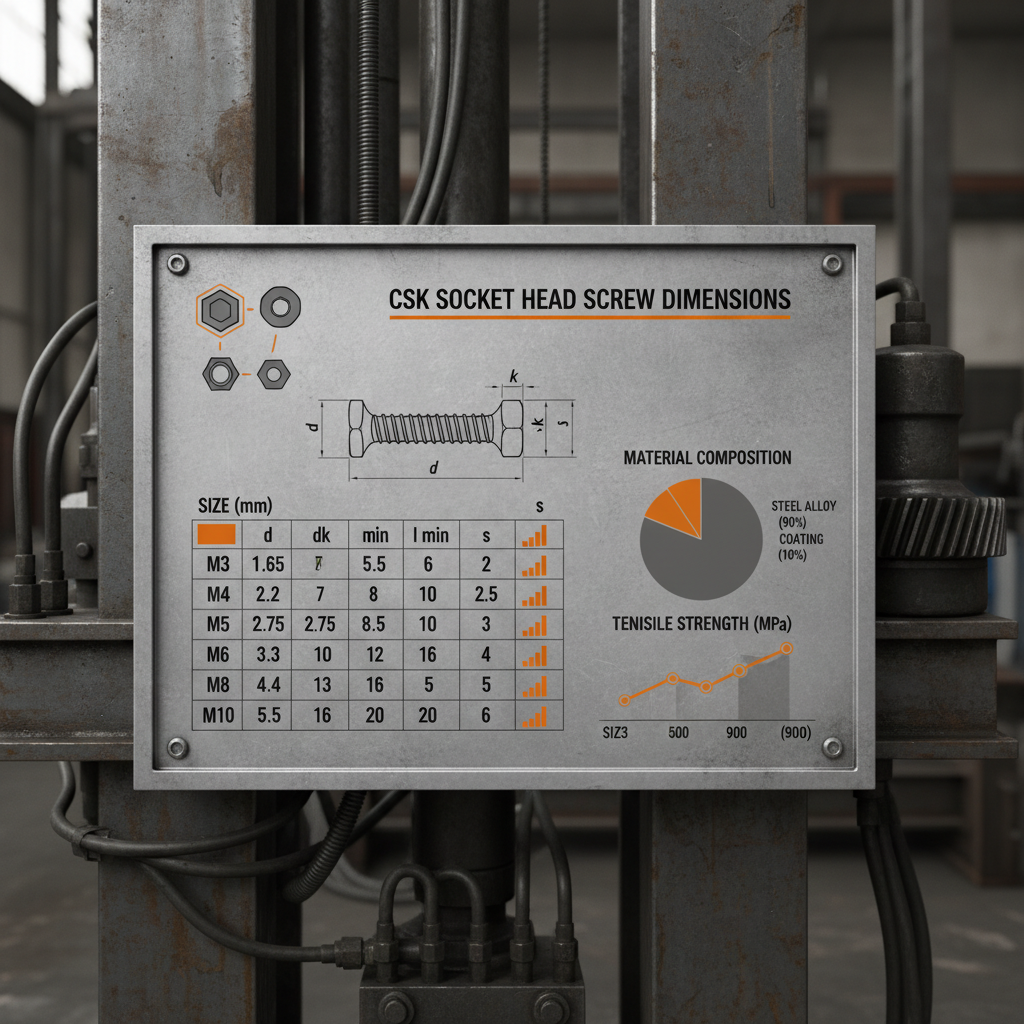
CSK socket head screws are defined by several key dimensions. The most important include the diameter (d), length (L), head diameter (dk), countersink angle (α), and drive type/size. The diameter refers to the screw's body, while the length is measured from the underside of the head to the tip. The head diameter dictates the size of the countersunk hole required, and the countersink angle determines how flush the screw will sit. The drive type (typically hex/Allen) and size are essential for proper installation. Understanding these dimensions ensures compatibility with your application and prevents issues during assembly.
Key Highlights: Accurate dimension control is crucial for optimal performance, preventing stress concentrations, and ensuring a flush finish.
Understanding Standards: DIN and ISO
CSK socket head screws are manufactured to various international standards, primarily DIN (Deutsches Institut für Normung) and ISO (International Organization for Standardization). DIN 84 and ISO 7380 are common standards defining the dimensions and materials for these screws. These standards ensure interchangeability and quality control. Different standards might have slight variations in tolerances or material specifications. When specifying screws, always clearly indicate the applicable standard to guarantee compatibility with existing components and tooling. Fastenboen adheres to rigorous quality control processes and provides screws compliant with leading industry standards.
Standard Benefits:
• Ensures interchangeability of components.
• Provides quality control and consistency.
• Facilitates clear communication and specification.
• Guarantees performance and reliability.
CSK Socket Head Screw Dimensions: A Detailed Overview
Let's delve into the specific dimensions. Below is a table outlining common dimensions for various sizes of CSK socket head screws, conforming to DIN 84. Note that these are typical values and can vary slightly depending on the manufacturer and grade of the screw.
Factors Affecting Dimension Selection
Selecting the correct dimensions isn’t just about matching a table. Consider the material being fastened, the required clamping force, and the surrounding environment. Softer materials may require larger diameters to prevent stripping, while higher clamping forces necessitate stronger screws. The length should allow for adequate thread engagement without protruding excessively. Ensure sufficient clearance for the screw head to sit flush within the countersunk hole. Always consult with engineering drawings and specifications to determine the appropriate dimensions for your specific application.
Materials and Finish Considerations
CSK socket head screws are available in various materials, including stainless steel (A2, A4), carbon steel, and alloy steel. The material selection depends on the corrosion resistance requirements and strength needed. Stainless steel is ideal for outdoor or corrosive environments, while carbon steel offers high strength at a lower cost. Finishes, such as zinc plating or black oxide, further enhance corrosion resistance and aesthetics. Fastenboen offers a wide range of materials and finishes to suit diverse applications.
Conclusion: Precision in Fastening
Understanding CSK socket head screw dimensions is crucial for successful and reliable assembly. By considering the factors outlined in this article, and by sourcing high-quality screws from reputable suppliers like Fastenboen, you can ensure the integrity and longevity of your projects.
Frequently Asked Questions (FAQs)
What is the significance of the countersink angle?
The countersink angle (typically 90°) determines how flush the screw head sits with the surface. A proper countersink angle ensures a smooth, aesthetically pleasing finish and prevents stress concentrations. Incorrect angles can lead to binding, damage to the surrounding material, or reduced clamping force. It’s crucial to match the countersink angle of the screw to the prepared hole for optimal results. Ensuring a precise fit contributes to the overall structural integrity and appearance of the assembly.
How do I measure the length of a CSK socket head screw?
The length of a CSK socket head screw is measured from the underside of the head to the tip of the screw. It's important to measure accurately to ensure sufficient thread engagement without excessive protrusion. Use a precision ruler or caliper for accurate measurements. Consider the thickness of the materials being joined and the required depth of thread engagement when selecting the appropriate length. Insufficient length can lead to a weak joint, while excessive length can cause interference or damage.
What grade of stainless steel is best for corrosive environments?
For highly corrosive environments, such as marine applications or exposure to harsh chemicals, A4 stainless steel (316 stainless steel) is generally recommended. A4 stainless steel contains molybdenum, which significantly improves its resistance to chloride corrosion. While A2 stainless steel (304 stainless steel) offers good corrosion resistance, it’s less effective in chloride-rich environments. Choosing the appropriate grade of stainless steel is essential for ensuring the longevity and reliability of the fastener in corrosive conditions. Fastenboen provides options in both grades.
Who We Are: The Right Fastener Partner for Global SMEs
Handan Boen Fastener Manufacturing Co., Ltd. (Est. 2010) specializes in producing standardized industrial fasteners, including bolts, nuts, washers, and other essential components. We provide cost-effective for small and medium-sized buyers in industries such as automotive parts, agricultural machinery, and construction.