Comprehensive Guide to Flat Head Socket Screw Dimensions and Applications
Understanding Flat Head Socket Screw Dimensions
When working with fasteners, precision is key. Knowing the correct flat head socket screw dimensions is crucial for ensuring a secure and reliable assembly. This article provides a comprehensive guide to these dimensions, covering standard sizes, features, and applications. We'll delve into the specifics, helping you choose the right screws for your projects. Understanding these details can significantly improve the quality and longevity of your work.
What are Flat Head Socket Screws?
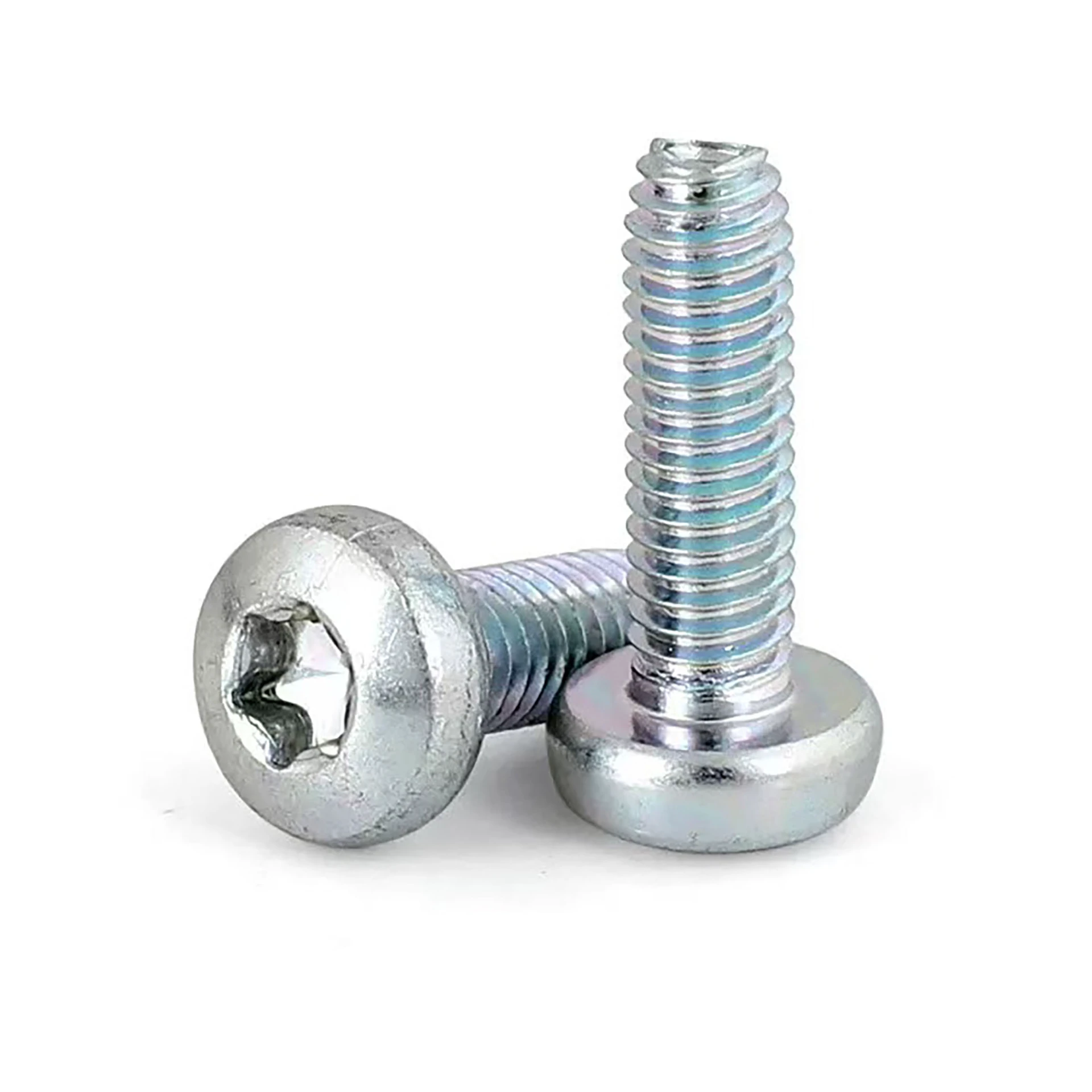
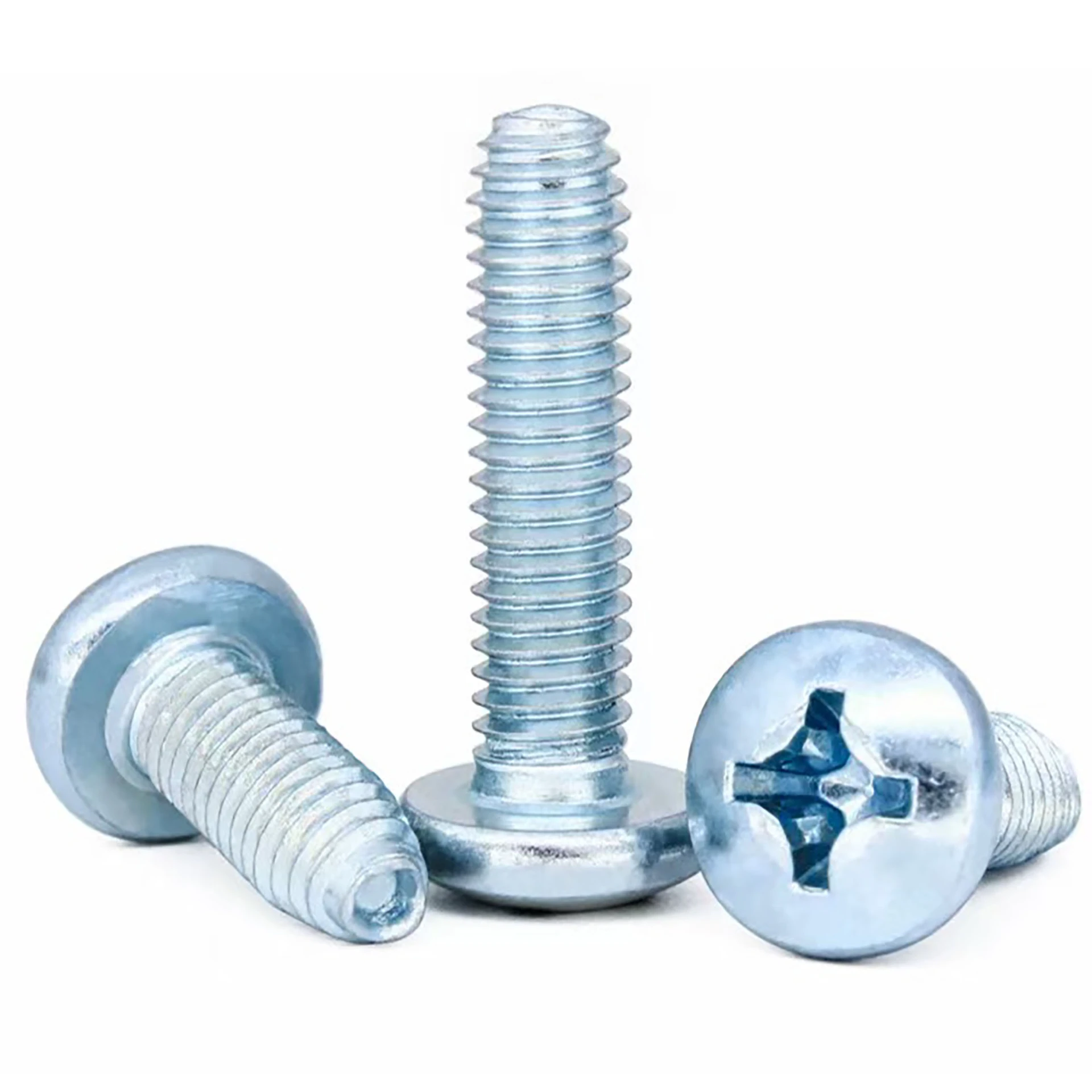
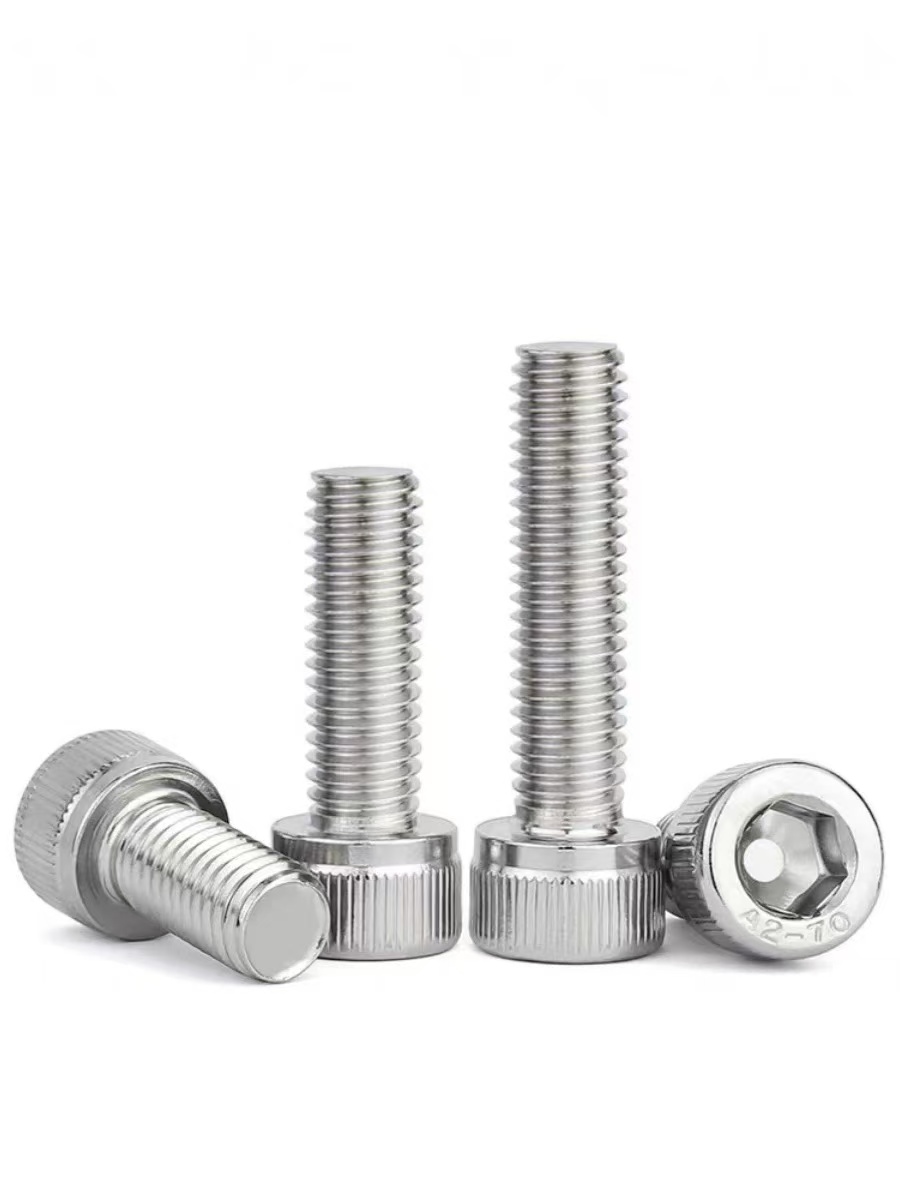
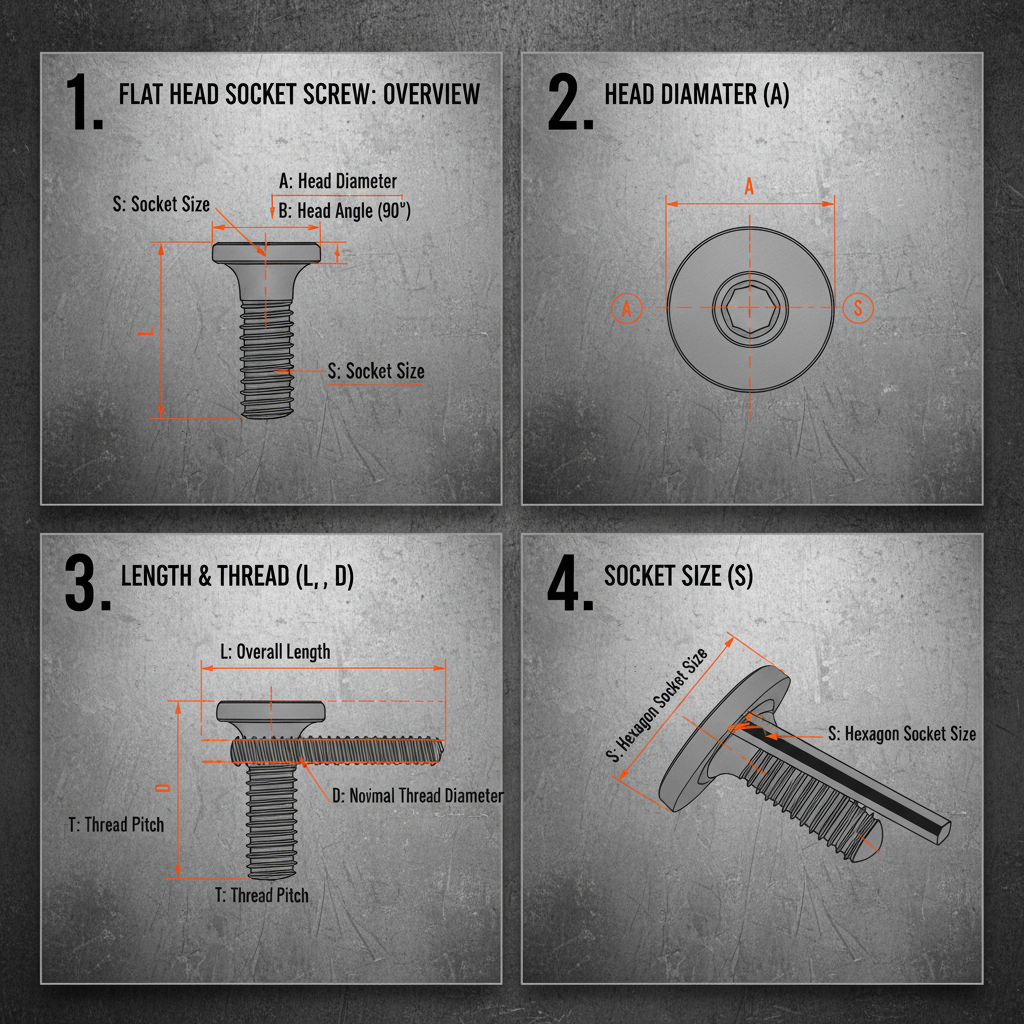
Flat head socket screws, also known as button head socket screws, are characterized by their low-profile, flat head and internal hexagonal drive. This design allows for a flush finish when installed into countersunk holes, providing a clean and aesthetically pleasing appearance. They're commonly used in applications where a smooth surface is desired, such as woodworking, furniture assembly, and machinery. The socket drive provides a higher torque capacity compared to slotted or Phillips head screws, making them ideal for applications requiring strong clamping force.
Key Benefits: Flush finish, high torque capacity, secure clamping force, and suitable for various materials.
Key Flat Head Socket Screw Dimensions
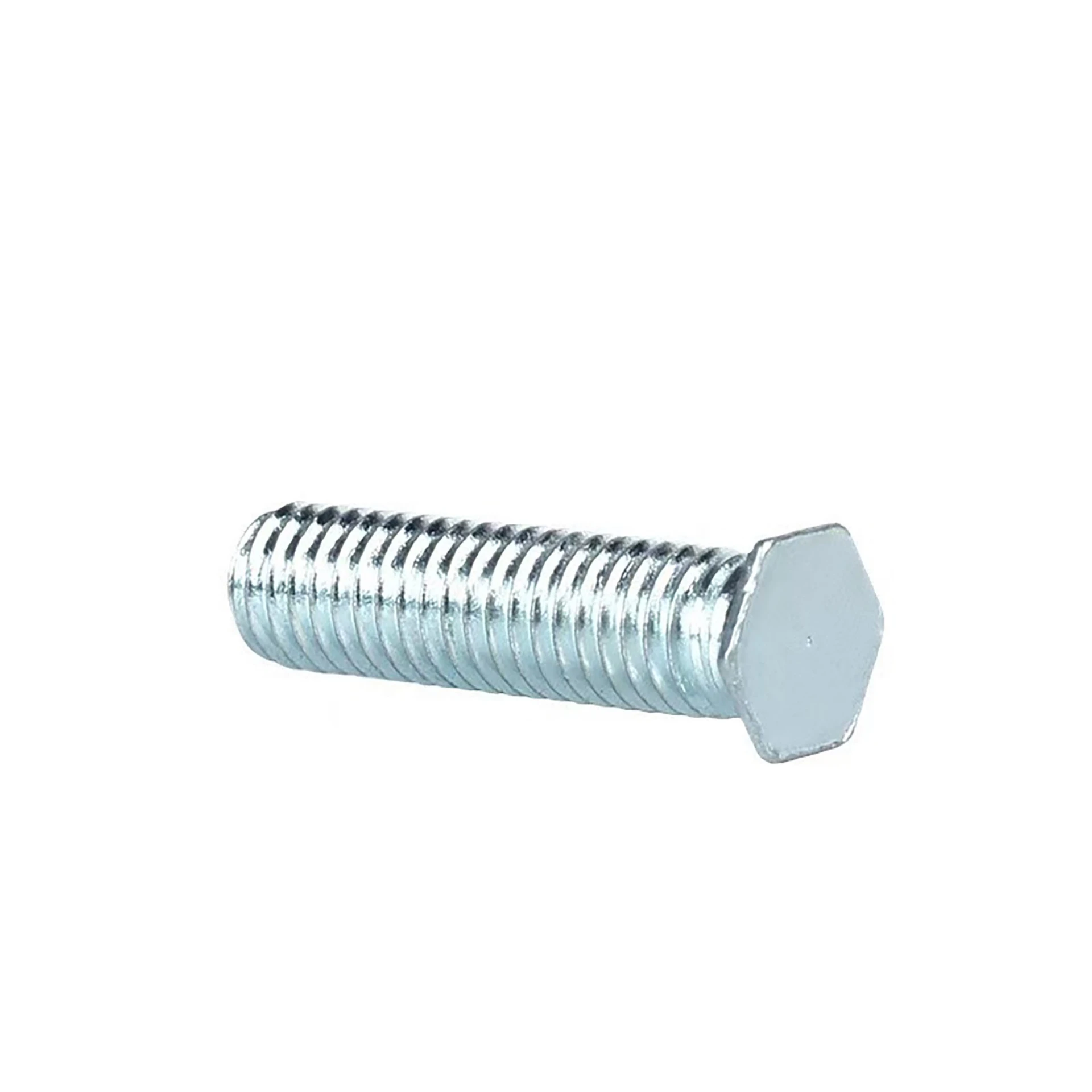
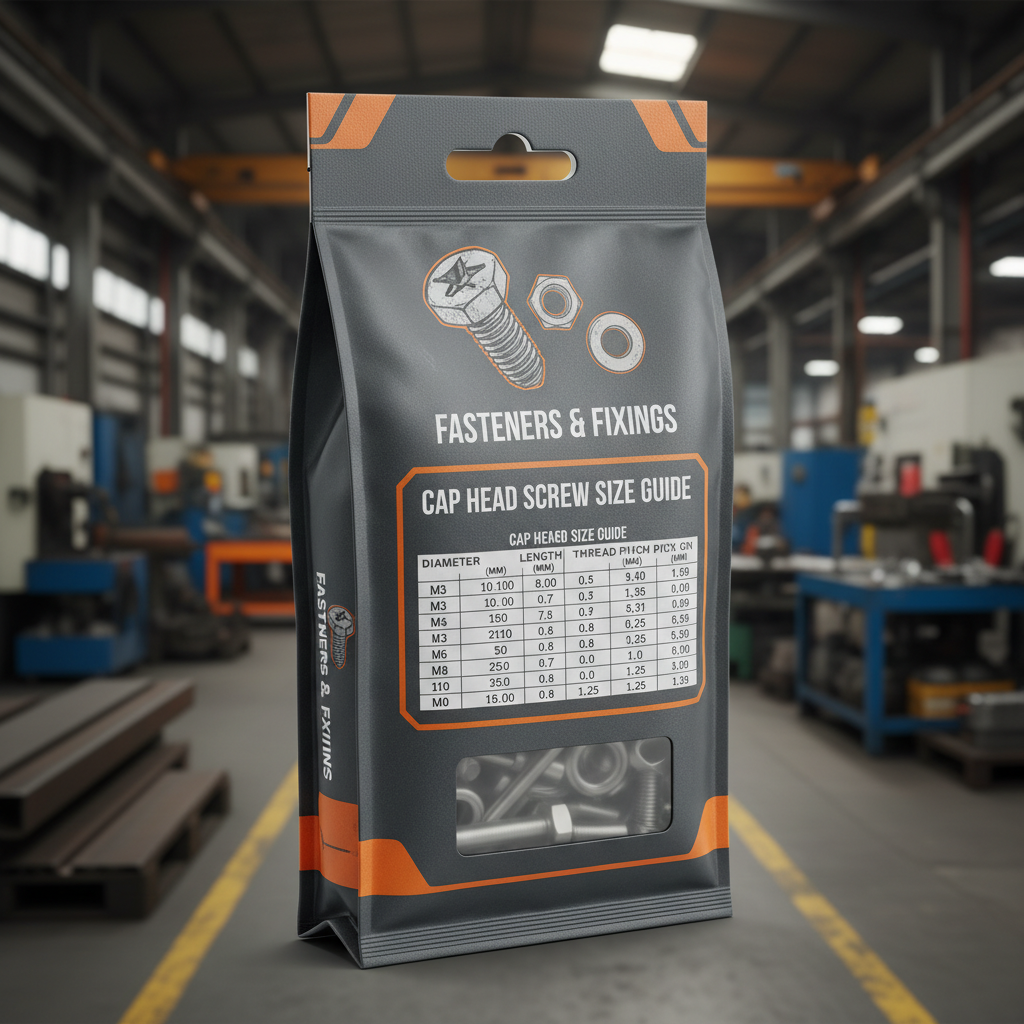
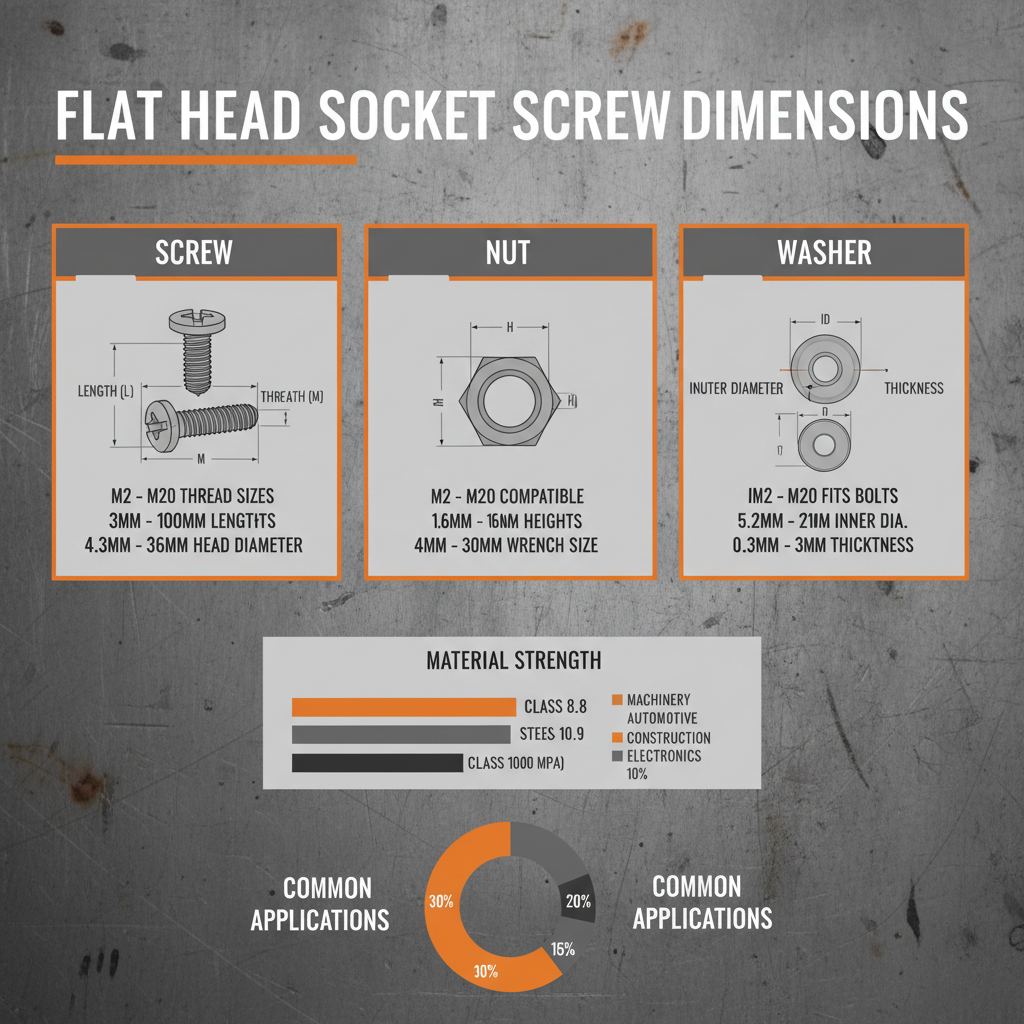
Understanding the different dimensions is vital. The primary dimensions to consider are the diameter (D), length (L), and head diameter (K). The diameter refers to the screw's thread size, while the length is measured from under the head to the tip of the screw. The head diameter determines the size of the countersunk hole required. Below is a table outlining common sizes and their respective dimensions:
Materials and Finishes Available
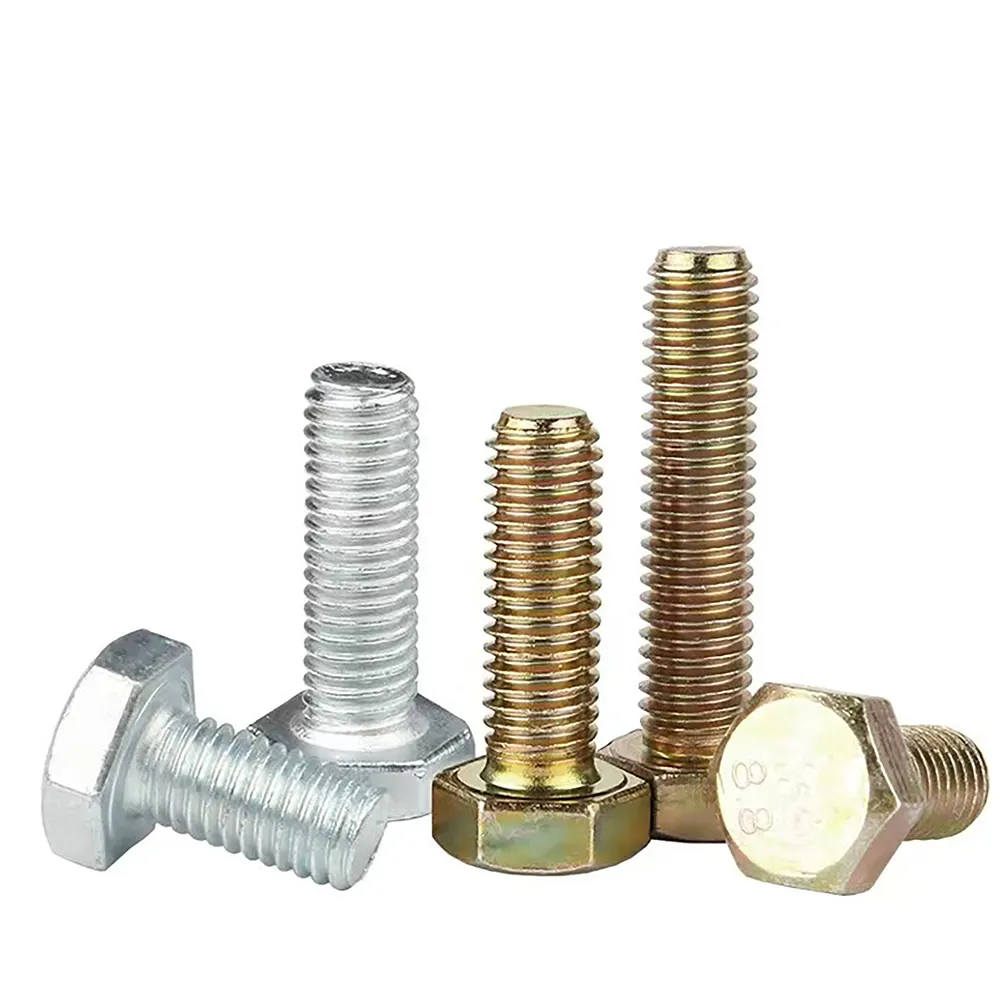
Flat head socket screws are available in a variety of materials, each offering unique properties. Stainless steel provides excellent corrosion resistance, making it ideal for outdoor applications or environments exposed to moisture. Carbon steel is a cost-effective option for general-purpose use, but may require a protective coating to prevent rust. Alloy steel offers enhanced strength and durability. Common finishes include zinc plating, black oxide, and passivated coatings, further enhancing corrosion resistance and aesthetics. Fastenboen offers a comprehensive range of materials and finishes to suit your specific needs.
Understanding Countersink Angles
The countersink angle is critical for achieving a flush finish. The angle of the countersunk hole should match the angle of the screw head. Common angles include 82°, 90°, 100°, and 120°. Using the wrong angle will result in a poor fit, potentially compromising the integrity of the assembly. Always verify the angle required for your specific screw and application.
Applications of Flat Head Socket Screws
These screws find wide application across many industries. They are commonly used in furniture manufacturing to create clean, concealed fastenings. In automotive applications, they secure interior trim and components. They are also prevalent in electronics, machinery, and various other manufacturing processes. Due to their strength and durability, they are often found in applications requiring high clamping force.
Choosing the Right Screw: A Quick Guide
Selecting the correct flat head socket screw involves considering several factors. First, determine the required diameter and length based on the application. Next, choose a material appropriate for the environment. Consider the required countersink angle and ensure it matches the screw head. Finally, select a suitable finish for corrosion resistance and aesthetics. Fastenboen offers expert assistance in choosing the ideal screw for your project.
Conclusion: Precision Fastening for Superior Results
Understanding flat head socket screw dimensions is crucial for achieving strong, reliable, and aesthetically pleasing assemblies. By carefully considering the diameter, length, material, and countersink angle, you can ensure optimal performance and longevity. Investing in high-quality screws from a reputable supplier like Fastenboen is an investment in the success of your projects.
Frequently Asked Questions (FAQs)
What is the difference between a flat head and a countersunk screw?
While often used interchangeably, there is a subtle difference. A flat head screw is designed to sit flush with the surface when installed into a countersunk hole. A countersunk screw is the hole itself, created to receive the flat head screw. The screw's head is shaped to match the countersunk angle, creating a smooth, flush finish. Ensuring the correct angle and screw size are matched is key to a successful installation.
What tools are needed to install flat head socket screws?
You'll need a hex key (Allen wrench) that matches the size of the screw's socket drive. A drill and countersink bit are required to create the appropriately sized and angled hole for the screw. A screwdriver may also be useful to initially align the screw. It's important to use the correct size hex key to avoid damaging the screw head.
Are flat head socket screws suitable for use in wood?
Yes, flat head socket screws are commonly used in wood applications, particularly for furniture assembly. However, pre-drilling a pilot hole is essential to prevent splitting the wood. The pilot hole should be slightly smaller than the screw's diameter. Using a wood screw variant with coarser threads can also provide a more secure hold in wood.
How can I prevent stripping the screw head when tightening?
To avoid stripping the screw head, ensure you're using the correct size hex key and applying even pressure. Avoid over-tightening, as this is a common cause of stripping. If you encounter resistance, stop and check for any misalignment or obstructions. Using a high-quality screw made from durable material can also reduce the risk of stripping.
Who We Are: The Right Fastener Partner for Global SMEs
Handan Boen Fastener Manufacturing Co., Ltd. (Est. 2010) specializes in producing standardized industrial fasteners, including bolts, nuts, washers, and other essential components. We provide cost-effective for small and medium-sized buyers in industries such as automotive parts, agricultural machinery, and construction.