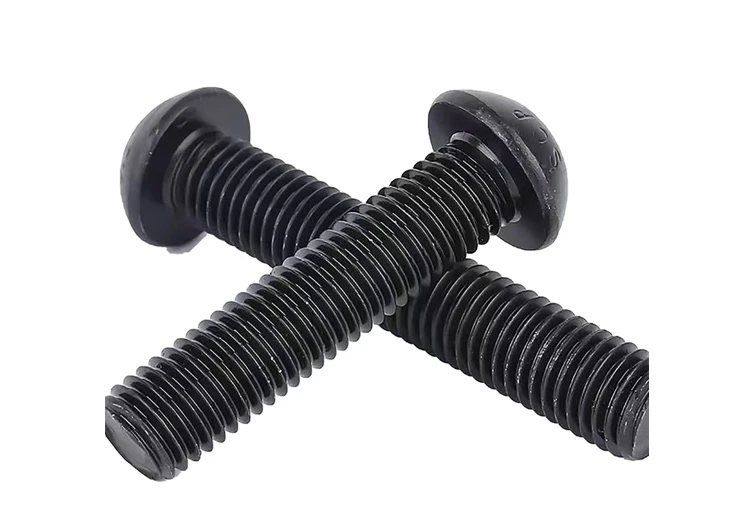
Comprehensive Cap Head Screw Size Chart Guide for Assembly and Manufacturing
Cap Head Screw Size Chart: A Comprehensive Guide
Understanding cap head screw size charts is crucial for anyone involved in assembly, manufacturing, or construction. Selecting the correct screw size ensures secure fastening, optimal performance, and prevents potential damage to components. This guide provides a detailed overview of cap head screw sizes, standards, and how to choose the right screw for your application. We will cover key dimensions, common standards, and resources to help you find the perfect fit.
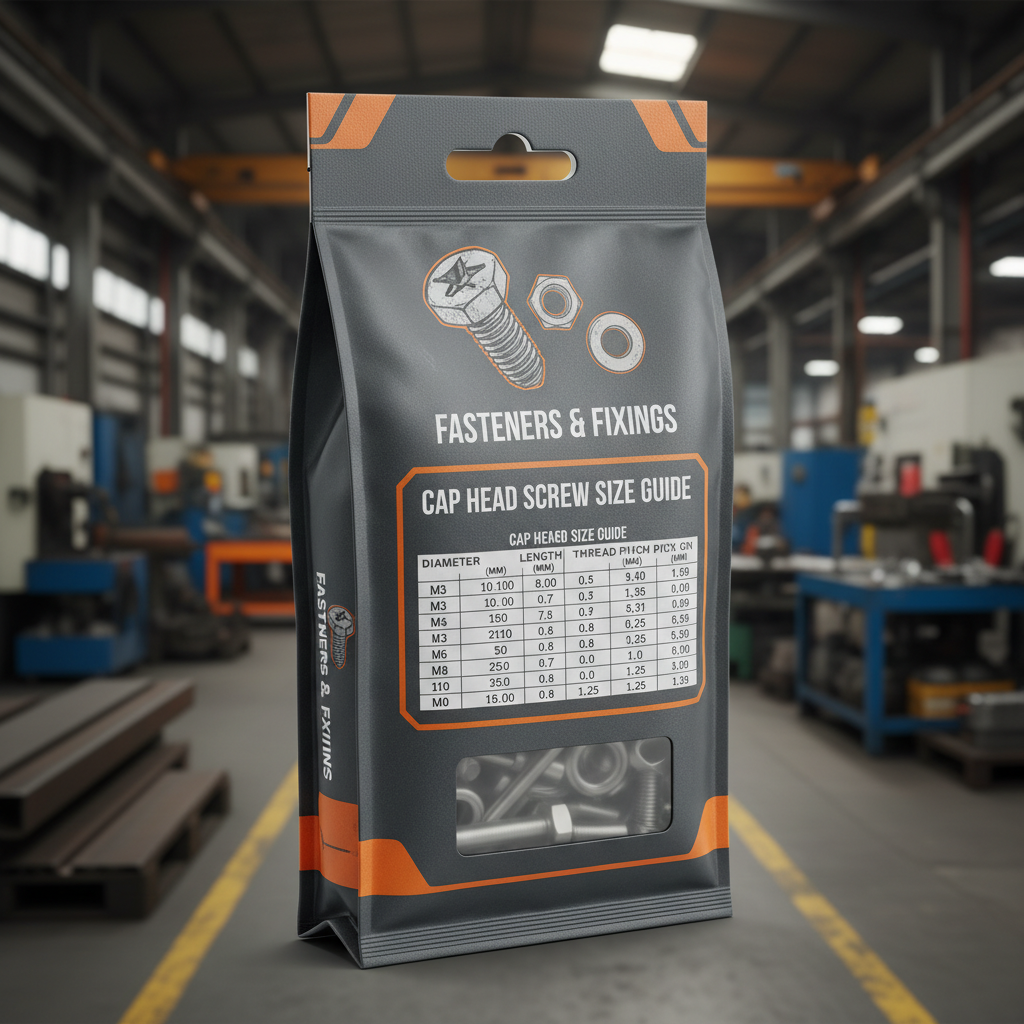
Understanding Cap Head Screw Dimensions
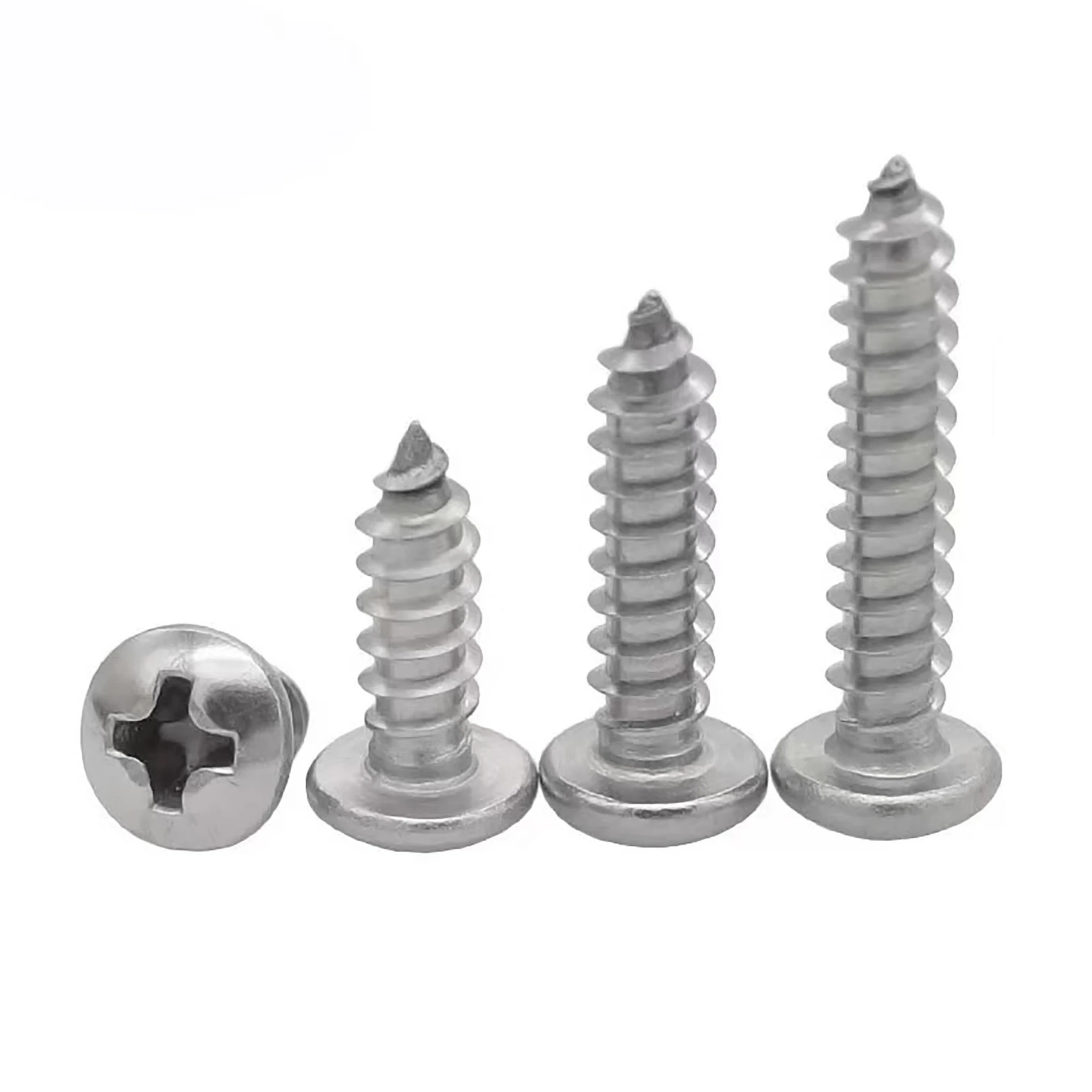
Cap head screws, also known as socket head cap screws, are characterized by their cylindrical head with a hexagonal (Allen) drive. The key dimensions to consider when selecting a cap head screw include diameter (d), pitch (p), and length (l). The diameter refers to the screw's thread size, while the pitch is the distance between threads. Length is measured from under the head to the tip of the screw. Incorrectly sized screws can lead to stripped threads, weakened joints, and ultimately, product failure. Fastenboen provides a wide range of these screws to fit different needs.
Common Cap Head Screw Standards: Metric vs. Imperial
Cap head screws are manufactured according to various standards, with metric (ISO 4762) and imperial (UNC/UNF) being the most prevalent. Metric screws use millimeters (mm) for dimensions, while imperial screws use inches (in). It’s vital to know which standard your application requires to ensure compatibility. Mixing metric and imperial screws will result in improper fit and compromised joint strength. Choosing the correct standard is the cornerstone of successful assembly. Using a reliable supplier like Fastenboen ensures compliance with industry standards.
Key Takeaway: Always verify the required standard (metric or imperial) before selecting a cap head screw. Using the incorrect standard can lead to significant problems in your assembly.
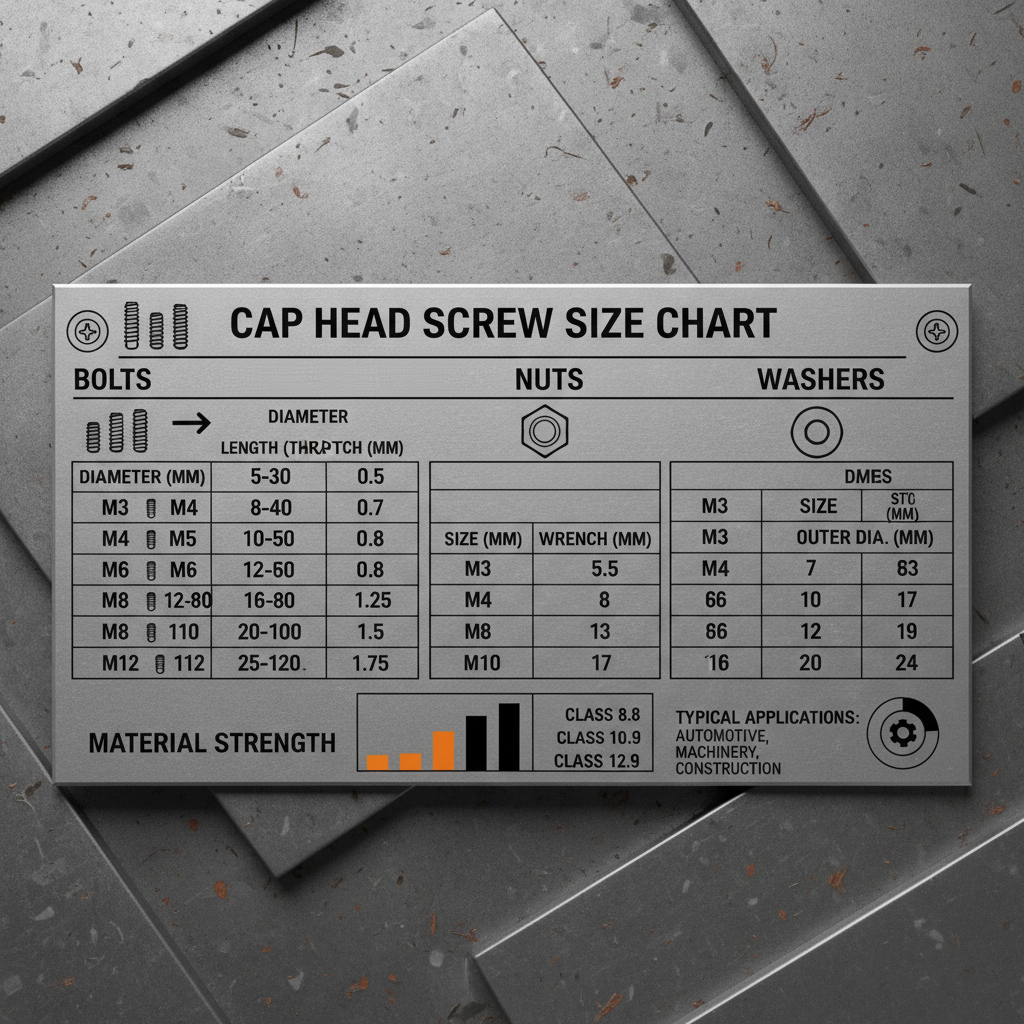
Cap Head Screw Size Chart (Metric)
Below is a common metric cap head screw size chart. It provides common diameters, pitches, and corresponding lengths available. Note that this is not exhaustive, and specific sizes may vary depending on the manufacturer.
Comparing Metric and Imperial Cap Head Screw Sizes
The following table offers a comparison of common metric and imperial cap head screw sizes. Remember that direct conversions aren't always precise, so it's essential to refer to a comprehensive conversion chart when substituting between systems.
Factors to Consider When Selecting a Cap Head Screw
Beyond diameter and length, several factors influence your screw selection. Material (steel, stainless steel, brass, etc.) impacts corrosion resistance and strength. Head style (flat, button, low) affects aesthetics and accessibility. Thread type (coarse, fine) influences holding power. Finally, consider the application's required torque and potential for vibration. Fastenboen's experienced team can help you navigate these factors and select the optimal screw for your needs.
Conclusion: Choosing the Right Cap Head Screw
Selecting the right cap head screw is critical for ensuring reliable and durable assemblies. By understanding the key dimensions, standards, and application-specific factors, you can make informed decisions and avoid costly errors. Fastenboen offers a comprehensive selection of cap head screws, along with expert guidance to help you find the perfect fit for your project.
Frequently Asked Questions (FAQs)
What is the difference between a cap head screw and a button head screw?
While both are socket head screws, the main difference lies in the head shape. Cap head screws have a cylindrical head, providing greater clamping force and a more substantial appearance. Button head screws have a low-profile, domed head, offering a cleaner look and reduced snagging potential. The choice depends on the aesthetic requirements and application's functional needs.
How do I determine the correct length of a cap head screw?
Measure the total thickness of the materials being joined, and add the desired amount of thread engagement. Generally, thread engagement should be at least half the screw's diameter. Additionally, consider the height of the head and any washers or spacers used. Always consult a screw length chart for precise guidance.
What material should I choose for my cap head screws?
The material depends on the environment and application. Carbon steel is a common and economical choice for general purposes. Stainless steel offers excellent corrosion resistance for outdoor or harsh environments. Brass provides good electrical conductivity and corrosion resistance. Consider factors like strength, weight, and cost when making your selection.
Where can I find a comprehensive cap head screw size chart?
You can find detailed cap head screw size charts on the Fastenboen website, along with technical specifications and material information. We also offer assistance in selecting the right screws for your specific application.
Who We Are: The Right Fastener Partner for Global SMEs
Handan Boen Fastener Manufacturing Co., Ltd. (Est. 2010) specializes in producing standardized industrial fasteners, including bolts, nuts, washers, and other essential components. We provide cost-effective for small and medium-sized buyers in industries such as automotive parts, agricultural machinery, and construction.