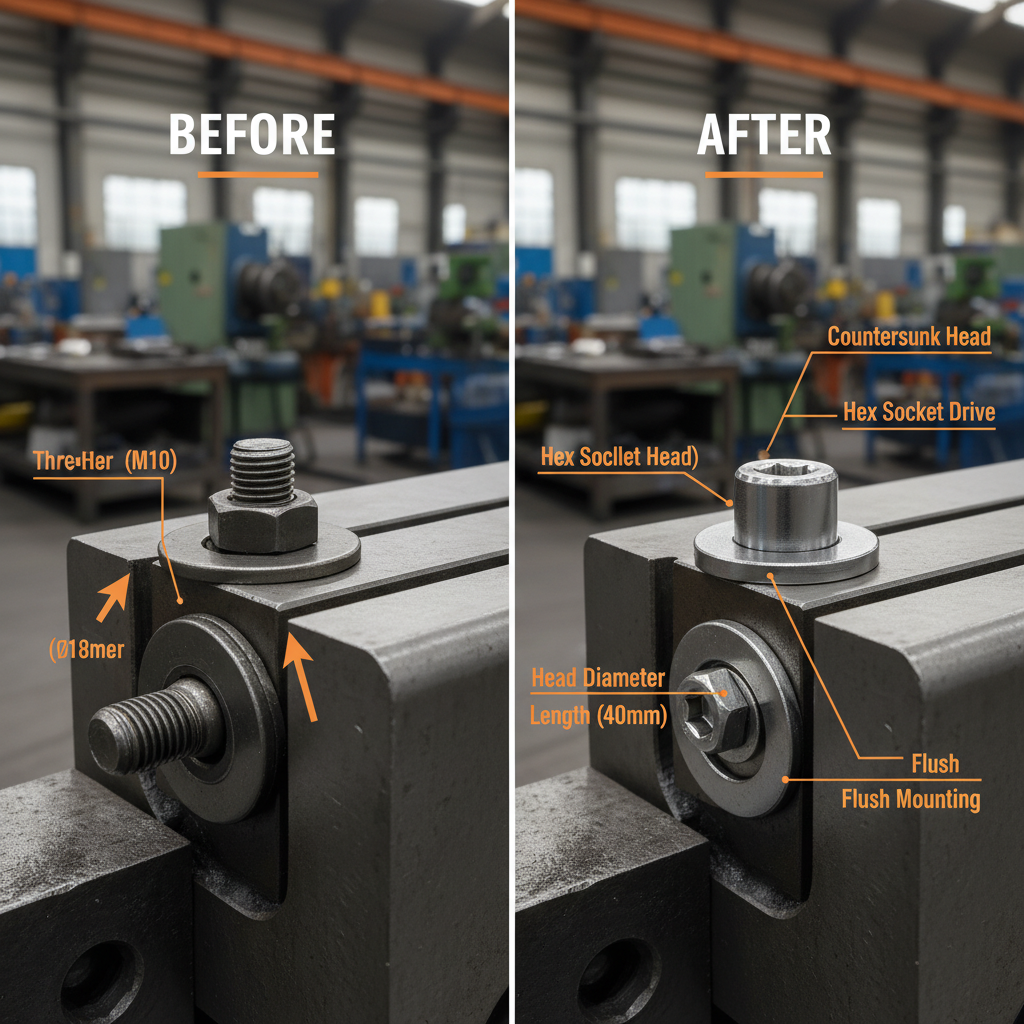
Comprehensive Guide to Cap Head Screw Dimensions and Applications
Understanding Cap Head Screw Dimensions: A Comprehensive Guide
Cap head screws are a cornerstone of many assemblies, offering a secure and aesthetically pleasing fastening solution. Selecting the correct cap head screw requires a thorough understanding of its dimensions. This article will delve into the specifics of cap head screw sizing, covering diameter, pitch, and length, along with relevant standards. We'll explore how these dimensions impact performance and compatibility, ensuring you choose the right screw for your application. Knowing these details is crucial for efficient assembly and a robust final product.

Key Dimensions of Cap Head Screws
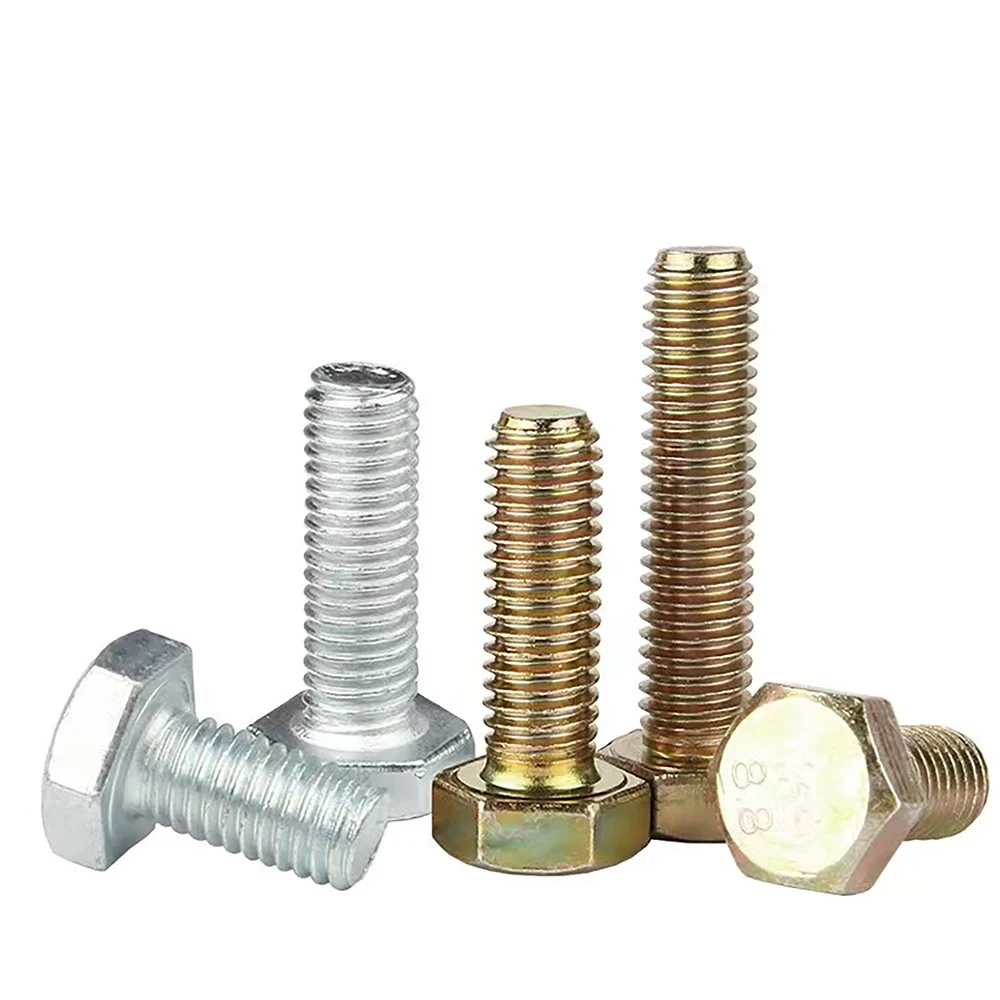
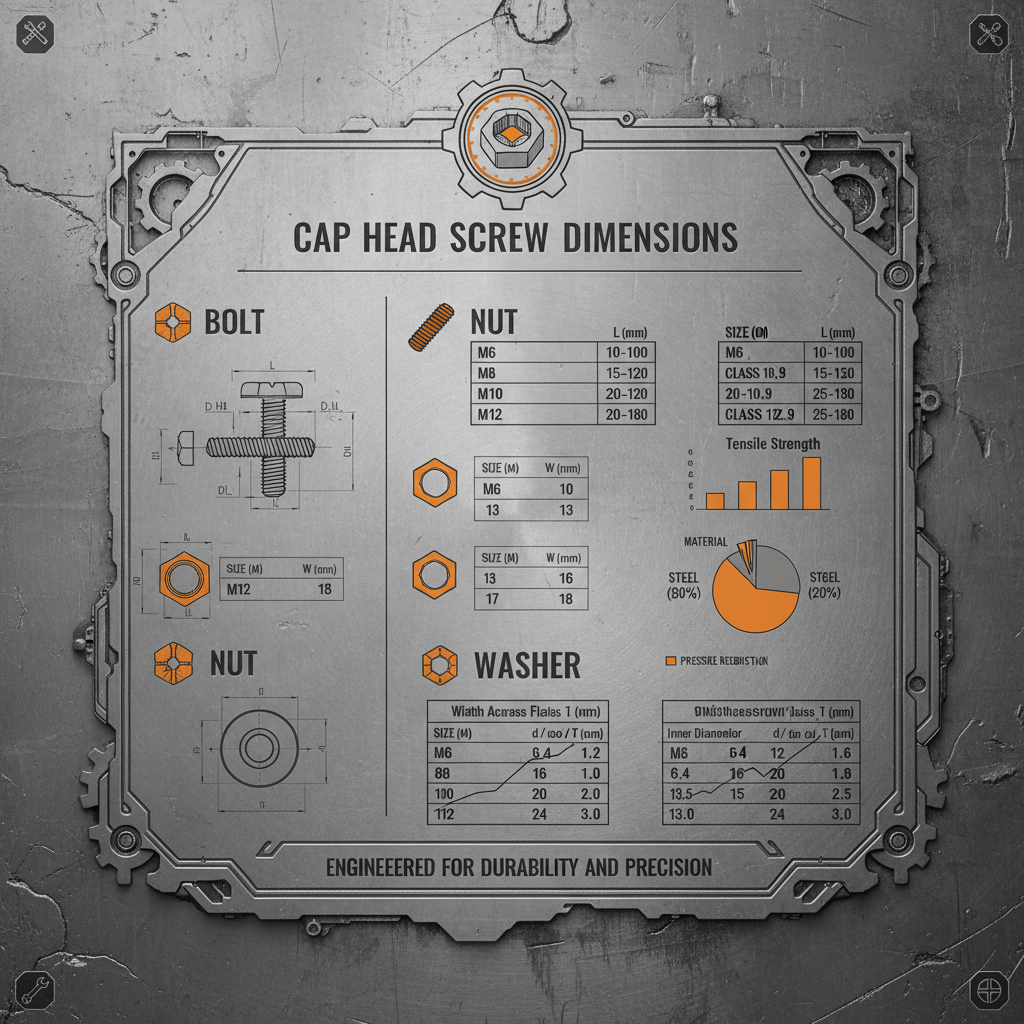
Several key dimensions define a cap head screw. The most important are the diameter, pitch, and length. The diameter refers to the outer size of the screw's thread – typically expressed in millimeters (e.g., M6, M8, M10). The pitch is the distance between adjacent threads, also in millimeters (e.g., 1.0mm, 1.25mm). Finally, the length is measured from the underside of the head to the tip of the screw. Understanding these three dimensions is foundational to selecting the right fastener.
Decoding Cap Head Screw Dimensions: A Detailed Breakdown
When you see a designation like 'M8 x 25mm', it breaks down as follows: 'M' indicates a metric thread, '8' represents the diameter in millimeters (8mm), and '25mm' signifies the length. Different head heights and drive types (e.g., hex, Torx) also influence the overall dimensions, particularly the height of the screw head. Choosing the appropriate head height ensures proper clearance and functionality within your assembly. Proper selection can reduce assembly time and ensure a secure connection. You can find a wide range of sizes at Fastenboen.
Key Takeaway: A screw designation like 'M8 x 25' signifies an 8mm diameter, metric thread, and 25mm length.
Common Cap Head Screw Sizes and Their Applications
Different applications demand different screw sizes. Smaller diameters, like M3 and M4, are common in electronics and precision instruments. M6 and M8 are frequently used in machinery and automotive applications. Larger sizes, such as M10, M12, and beyond, find use in heavy-duty construction and industrial equipment. The choice of size depends on the clamping force required, the material being fastened, and the overall design constraints. Careful consideration of these factors ensures a reliable and long-lasting connection.
Material and Standards Compliance
Cap head screws are commonly made from steel, stainless steel, and alloy steels. The material choice depends on the application's environmental conditions and load requirements. Stainless steel offers excellent corrosion resistance, making it ideal for outdoor use. Different grades of steel provide varying levels of strength and durability. These screws adhere to international standards like ISO 8839, ensuring quality and interchangeability. Understanding these standards is vital for engineers and designers.
Cap Head Screw Dimensions vs. Other Screw Types
Compared to other screw types like pan head or flat head screws, cap head screws offer a larger bearing surface, providing increased clamping force. This makes them suitable for applications requiring a secure and robust connection. However, the higher head profile may not be suitable for applications with limited space. Understanding the trade-offs between different head styles is crucial for optimal design. For a comprehensive selection of fasteners, explore Fastenboen's catalog.
Conclusion: Mastering Cap Head Screw Dimensions
Accurately understanding cap head screw dimensions is essential for successful engineering and assembly. By considering diameter, pitch, length, material, and relevant standards, you can ensure a secure, reliable, and long-lasting connection. Don't underestimate the importance of choosing the right fastener for your specific application.
Frequently Asked Questions (FAQs)
What does the 'M' stand for in a screw designation like M8?
The 'M' signifies that the screw has a metric thread profile. Metric threads are the most common type of thread used worldwide, based on millimeter units. This standardization allows for interchangeability and simplifies sourcing and assembly. The number following the 'M' represents the nominal diameter of the screw in millimeters.
How do I determine the correct length of a cap head screw?
The correct length is determined by the thickness of the materials being joined, the height of the screw head, and any washers used. Measure the total thickness, add the height of the screw head and washers (if applicable), and allow for a sufficient amount of thread engagement in the receiving material. Too short a screw will not provide adequate clamping force, while too long a screw can protrude and create a safety hazard.
What is the difference between coarse and fine pitch threads?
Coarse pitch threads have fewer threads per inch and are better suited for applications where speed of assembly is important and clamping force requirements are moderate. Fine pitch threads have more threads per inch, providing greater clamping force and resistance to loosening, but require slower assembly. The choice depends on the specific application requirements and the materials being joined.
Where can I find reliable cap head screws?
Fastenboen offers a wide selection of high-quality cap head screws in various sizes, materials, and finishes. They provide detailed product specifications and excellent customer service to help you find the perfect fasteners for your needs.
Who We Are: The Right Fastener Partner for Global SMEs
Handan Boen Fastener Manufacturing Co., Ltd. (Est. 2010) specializes in producing standardized industrial fasteners, including bolts, nuts, washers, and other essential components. We provide cost-effective for small and medium-sized buyers in industries such as automotive parts, agricultural machinery, and construction.