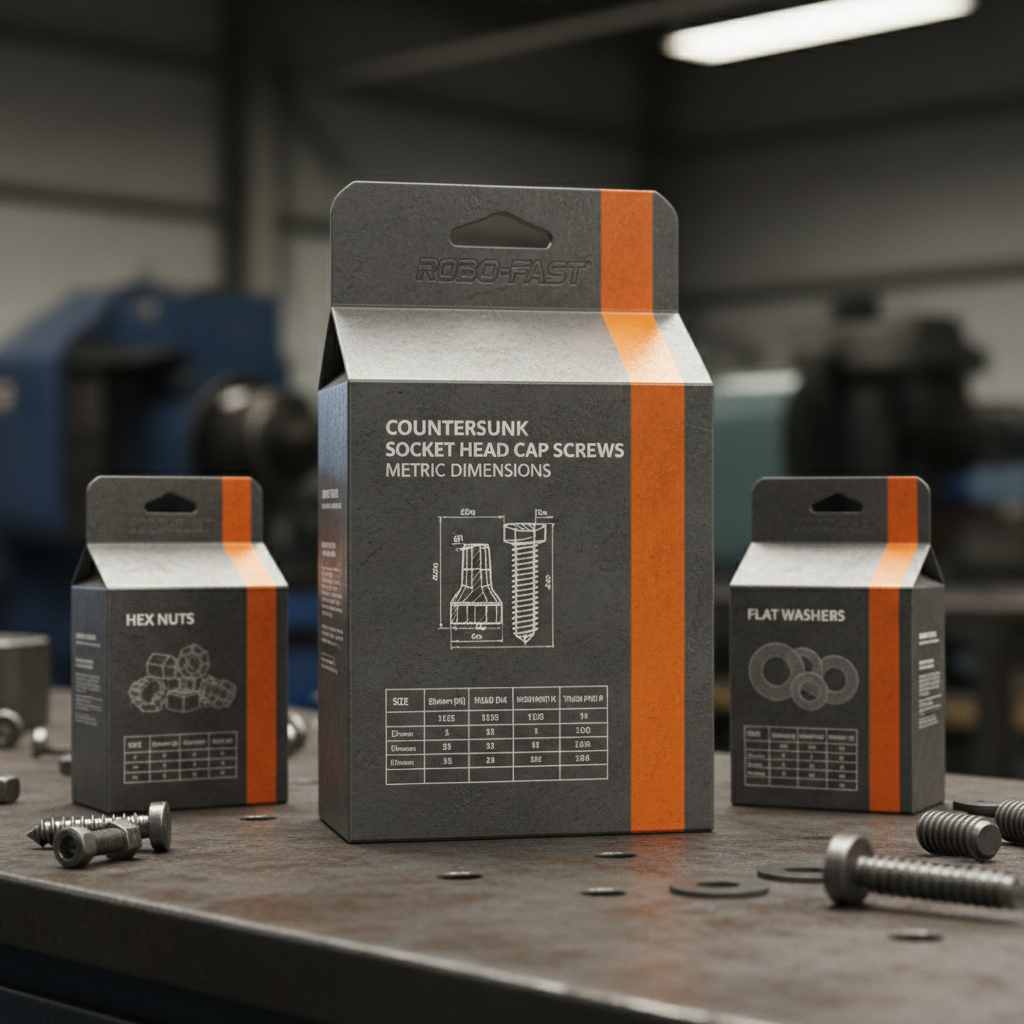
Understanding Cap Head Dimensions for Secure and Reliable Fastening
Understanding Cap Head Dimensions for Optimal Fastening
In the world of fastening solutions, understanding cap head dimensions is crucial for engineers, manufacturers, and anyone involved in assembly processes. Cap heads, known for their low profile and high clamping force, are widely used across numerous industries. This article provides a comprehensive overview of cap head dimensions, their importance, and how to select the right size for your specific applications. We'll cover key parameters, industry standards, and practical considerations to ensure secure and reliable fastening.
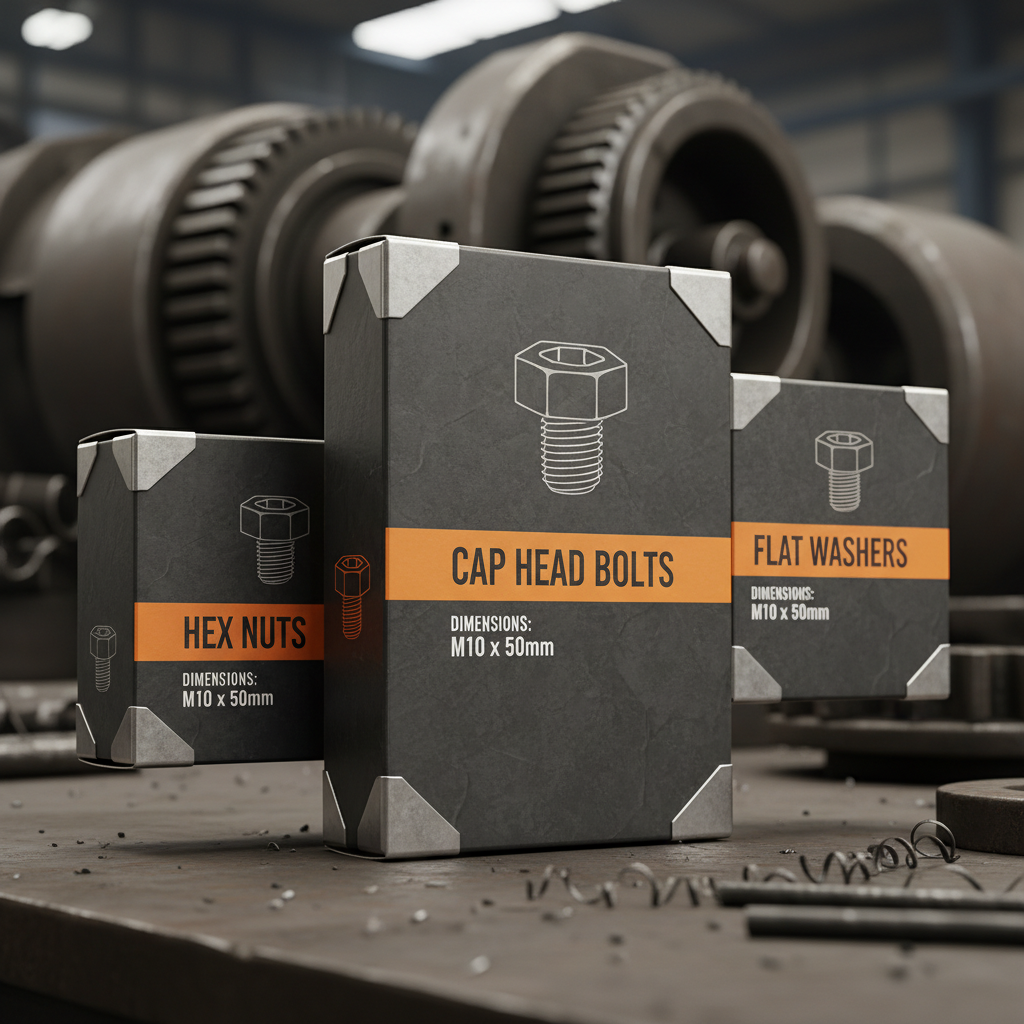
Key Dimensions of Cap Head Screws
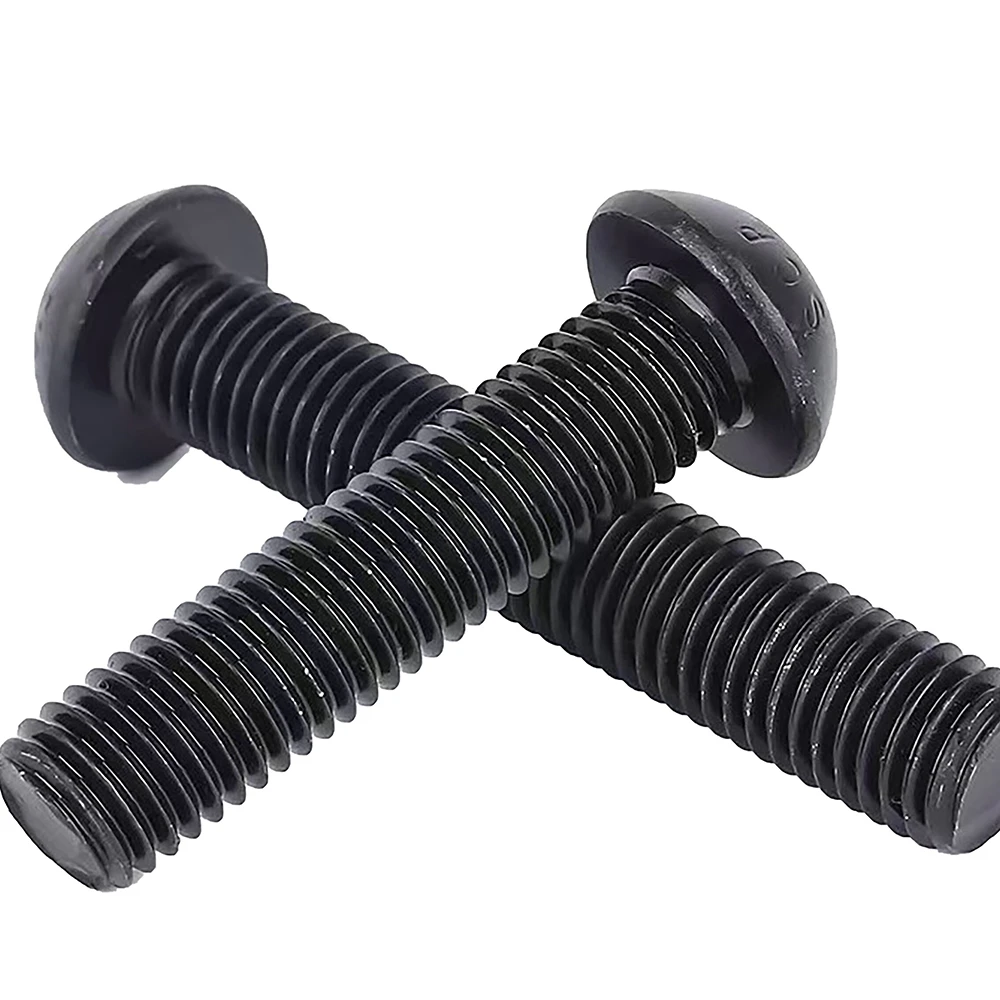
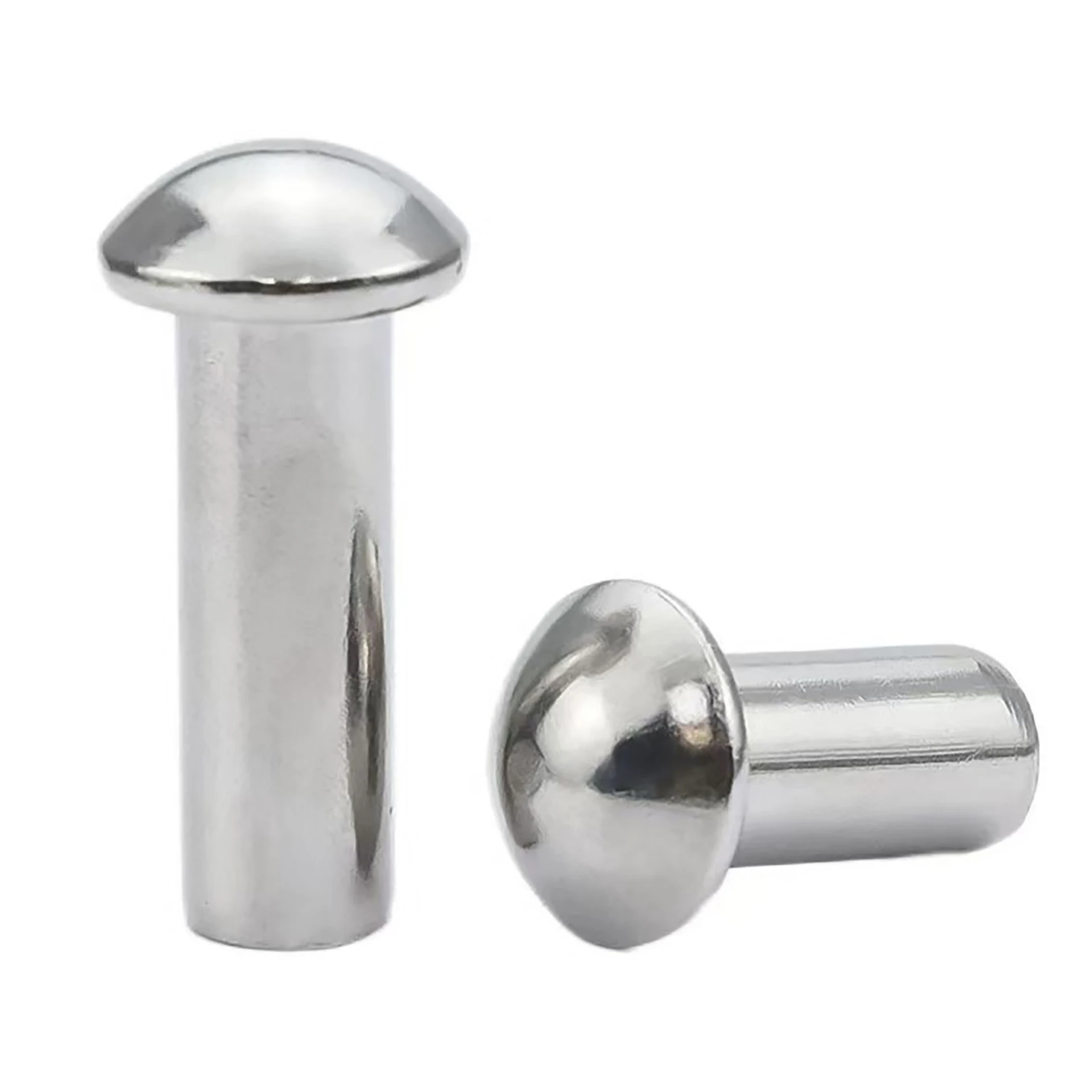
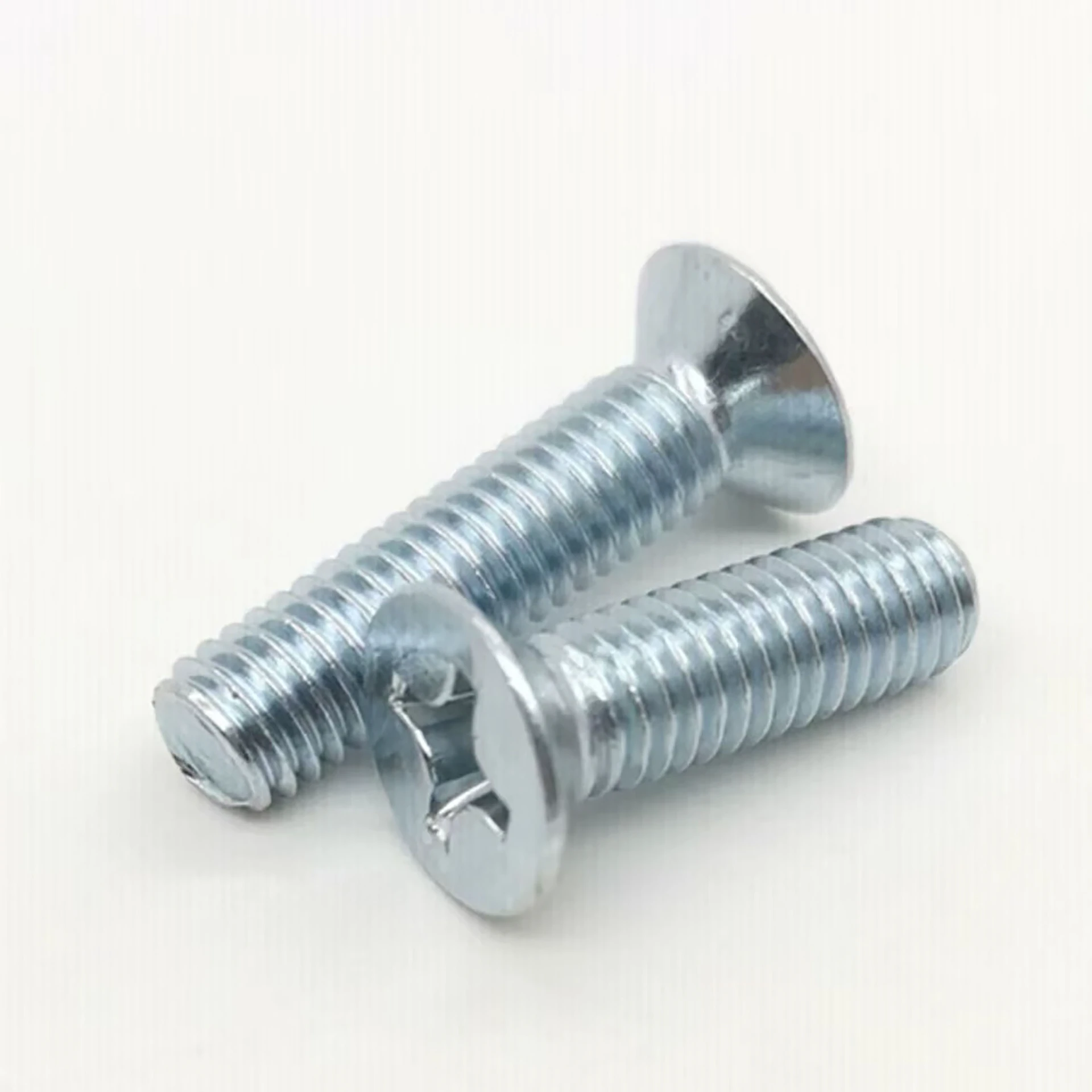
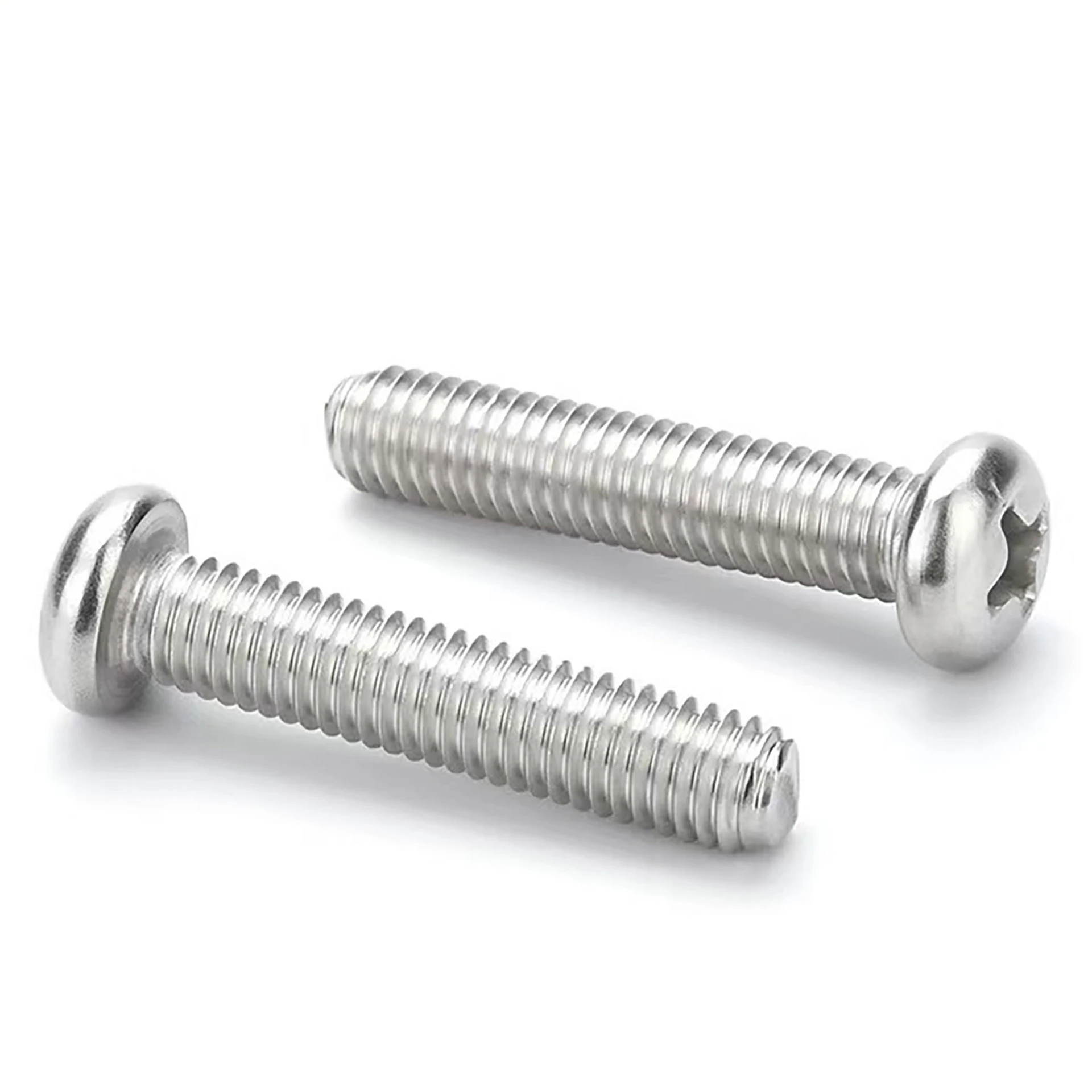
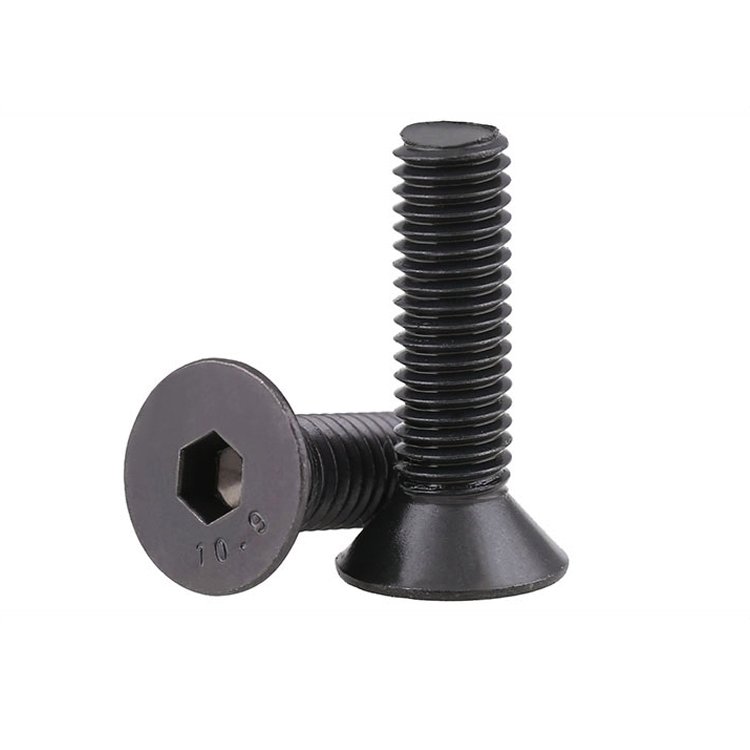
Several dimensions define a cap head screw. The most important include the head diameter (Dk), head height (K), and screw diameter (d). The head diameter dictates the space required for the screw to sit flush, while the head height influences the overall assembly profile. Screw diameter, obviously, determines the size of the threaded portion. Precisely knowing these dimensions ensures proper fit, efficient tightening, and avoids interference with surrounding components. Fastenboen offers a wide variety of cap head screws with detailed dimensional specifications.
The Impact of Cap Head Dimensions on Torque
Cap head screws, due to their wider bearing surface compared to other head styles like pan or button heads, generally offer better torque transfer. However, incorrect head dimensions can lead to stress concentrations and reduced clamping force. A smaller head diameter might not distribute the load effectively, while an excessively large head could create interference. The choice of material also plays a critical role. Higher-grade steels can withstand higher torque values without deformation. Understanding the relationship between cap head dimensions and torque capacity is essential for reliable assembly.
Key Takeaway: Optimal cap head dimensions ensure maximum torque transfer, prevent stress concentrations, and secure a reliable connection.
Comparing Cap Head Dimensions: Metric vs. Imperial
Cap head screws are available in both metric and imperial (inch) dimensions. Metric screws are increasingly common globally due to their standardization and ease of use. However, legacy systems and specific industries may still utilize imperial fasteners. Understanding the conversion between the two systems is crucial when working with mixed assemblies. The table below illustrates common size conversions. Fastenboen provides both metric and imperial cap head screws to meet diverse needs.
Cap Head Dimensions and Industry Standards
Several industry standards govern cap head screw dimensions, ensuring interchangeability and quality. DIN 912 is a widely used standard for low-profile cap head screws with a hexagonal socket drive. ISO 7380 specifies dimensions for button head cap screws, which are similar but have a more rounded head. Adhering to these standards guarantees that fasteners from different manufacturers will function correctly within the same assembly. Fastenboen's products are compliant with all relevant international standards, providing peace of mind.
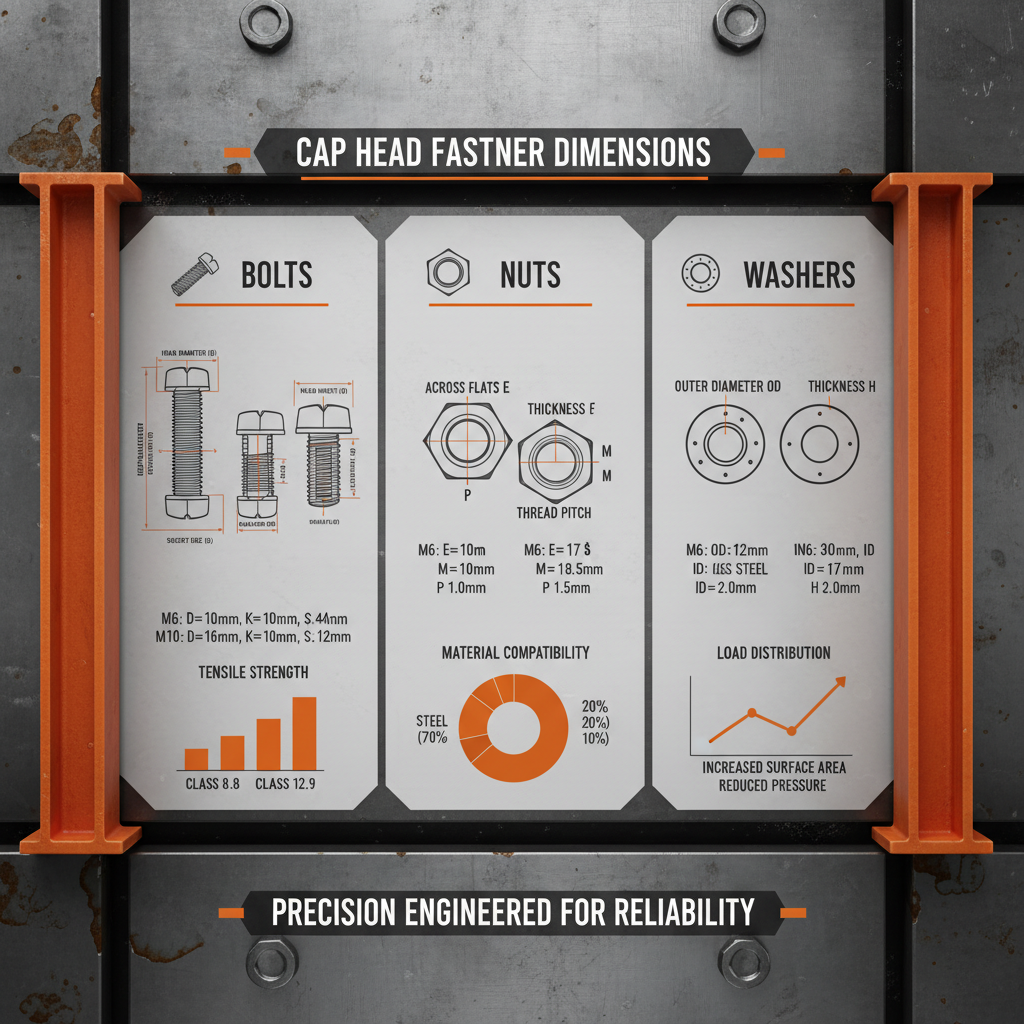
Selecting the Right Cap Head Dimensions: A Practical Guide
Choosing the appropriate cap head dimensions involves several considerations. First, assess the available space within the assembly. Ensure the head diameter doesn't interfere with surrounding components. Next, determine the required clamping force and select a screw diameter capable of handling the load. Consider the material of both the screw and the joined parts. Finally, always consult relevant industry standards to ensure compliance and compatibility. Fastenboen’s team of experts can provide guidance on selecting the optimal cap head dimensions for your specific application.
Conclusion: Mastering Cap Head Dimensions for Superior Fastening
Understanding cap head dimensions is essential for achieving reliable and efficient fastening in various applications. By considering key parameters, industry standards, and practical guidelines, you can ensure optimal performance and prevent costly failures. Fastenboen is your trusted partner for high-quality cap head screws and expert technical support.
Frequently Asked Questions (FAQs)
What is the difference between a cap head and a button head screw?
Both cap head and button head screws feature a rounded head with a hexagonal socket drive. However, the key difference lies in the head profile. Cap head screws have a lower profile and a wider flange, providing a larger bearing surface and higher clamping force. Button head screws, on the other hand, have a more rounded, dome-shaped head, making them suitable for applications where a low profile is not critical. Cap head screws are generally preferred for structural applications requiring high strength, while button head screws are often used for aesthetic purposes or in areas where space is limited.
How do I determine the correct head height (K) for my application?
The head height (K) is crucial for preventing interference with surrounding components. To determine the correct height, measure the available space between the screw head and any obstacles. Add a small allowance (e.g., 1-2mm) to ensure adequate clearance. Consider the thickness of any washers or other components that will be used in the assembly. A head height that is too tall can create an obstruction, while a head height that is too short may not provide sufficient bearing surface.
What material are cap head screws typically made from?
Cap head screws are commonly manufactured from various materials, including carbon steel, stainless steel (A2, A4), and alloy steel. Carbon steel is a cost-effective option for general-purpose applications, but it is susceptible to corrosion. Stainless steel offers excellent corrosion resistance and is ideal for outdoor or marine environments. Alloy steel provides higher strength and hardness for demanding applications. The choice of material depends on the specific requirements of the application, including the operating environment, load requirements, and desired lifespan.
Who We Are: The Right Fastener Partner for Global SMEs
Handan Boen Fastener Manufacturing Co., Ltd. (Est. 2010) specializes in producing standardized industrial fasteners, including bolts, nuts, washers, and other essential components. We provide cost-effective for small and medium-sized buyers in industries such as automotive parts, agricultural machinery, and construction.