Comprehensive Guide to Countersunk Socket Head Cap Screw Dimensions Metric
Understanding Countersunk Socket Head Cap Screw Dimensions Metric
When working with mechanical assemblies, selecting the correct fasteners is crucial for structural integrity and performance. Countersunk socket head cap screws offer a sleek, low-profile finish and are widely used in various industries. This article will provide a comprehensive overview of countersunk socket head cap screw dimensions metric, covering standards, key measurements, and considerations for choosing the right screw for your application. Accurate understanding of these dimensions is essential for successful assembly and preventing issues related to fit, load-bearing capacity, and overall system reliability.
What are Countersunk Socket Head Cap Screws?
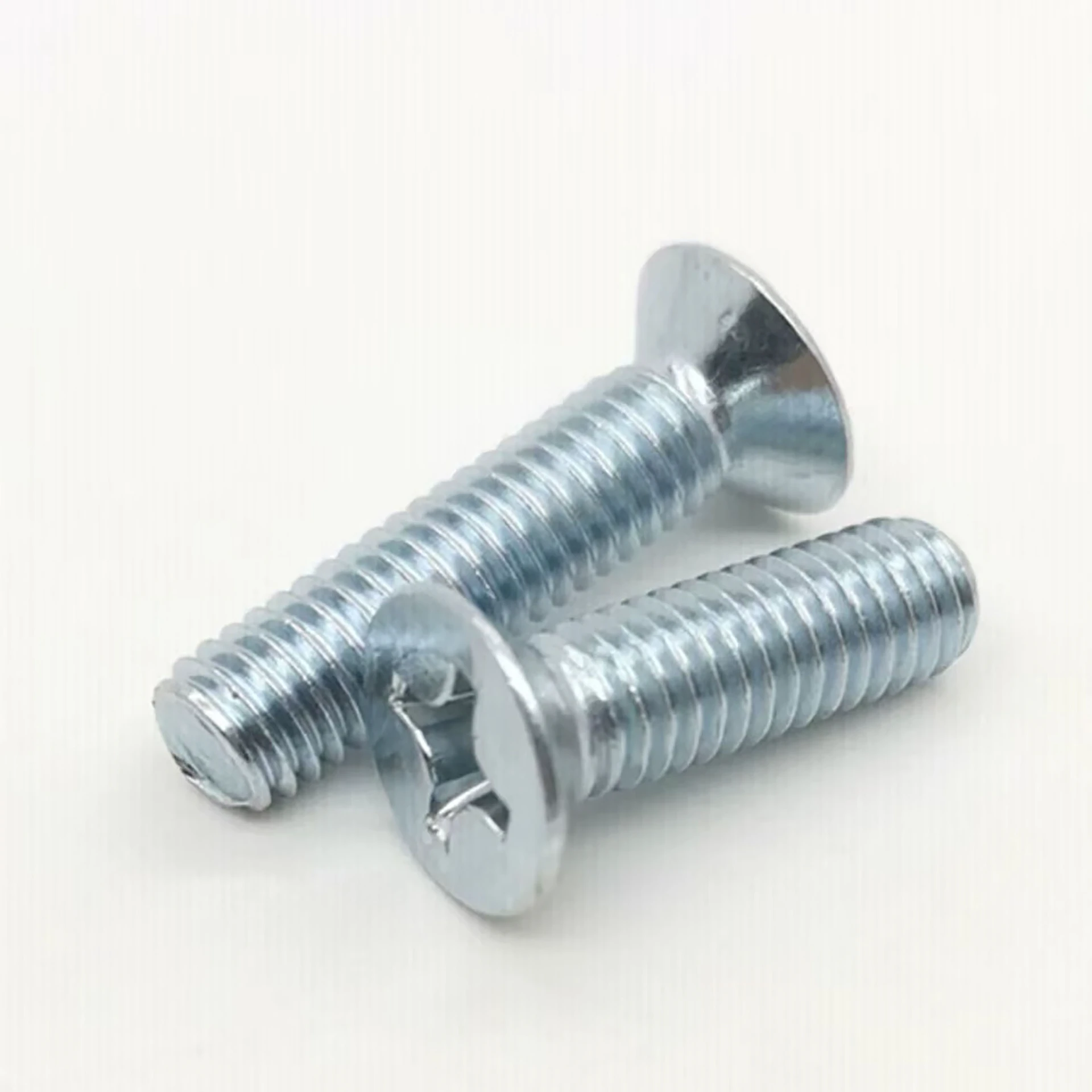
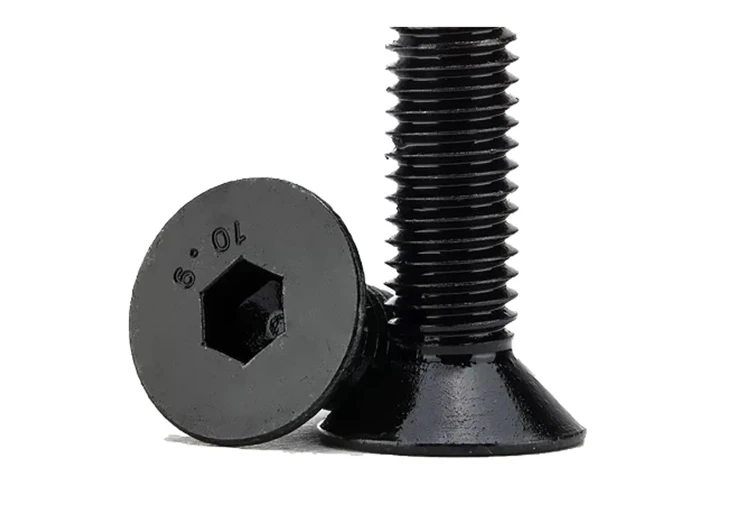
Countersunk socket head cap screws, also known as flat head cap screws, are characterized by their conical head which allows the screw to sit flush with the mating surface. The socket head utilizes a hexagonal recess, requiring a hex key (Allen wrench) for installation and removal. These screws are typically manufactured from stainless steel, carbon steel, or alloy steel and are available in a variety of finishes to suit different environments. They're often used in applications where a clean, streamlined appearance is desired, and where protruding screw heads would be undesirable or interfere with other components.
Key Features: Flush finish, high strength, secure tightening with hex key, available in various materials and finishes.
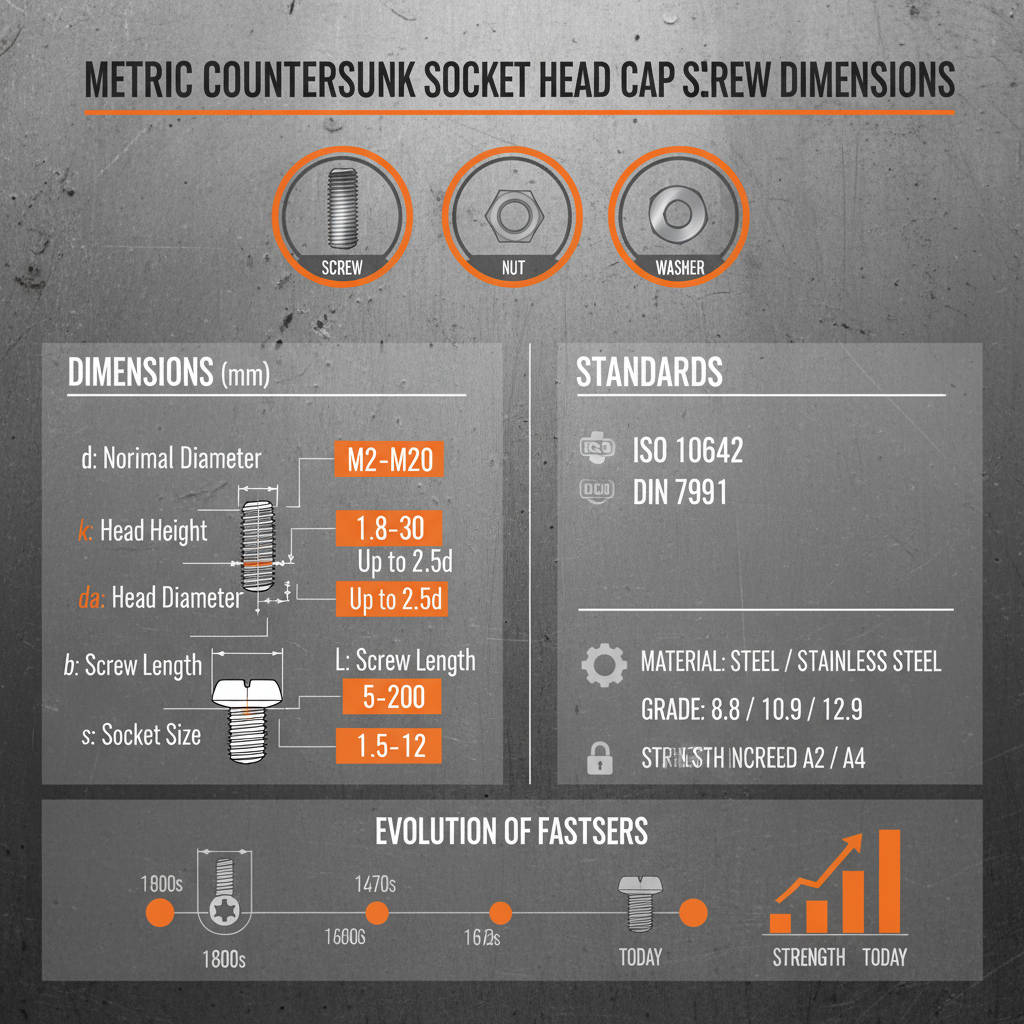
Key Countersunk Socket Head Cap Screw Dimensions Metric
Understanding the various dimensions is vital when selecting the correct screw. The primary dimensions to consider include:
- d (Diameter): The outer diameter of the screw thread.
- k (Head Diameter): The diameter of the countersunk head.
- s (Head Height): The height of the countersunk head.
- l (Length): The overall length of the screw, measured from under the head to the tip.
- θ (Head Angle): The angle of the countersunk head, typically 90 degrees.
These dimensions are typically specified according to ISO 7045 or DIN 912 standards. It’s crucial to consult the relevant standard to ensure compatibility with your application.
Dimension Importance:
• Diameter (d): Determines the screw’s strength and compatibility with tapped holes.
• Head Diameter (k) & Head Height (s): Impacts the countersunk hole size required.
• Length (l): Ensures the screw adequately penetrates the mating material.
• Head Angle (θ): Determines the shape of the countersunk hole.
Common Metric Sizes and Their Dimensions
Here's a table outlining some common metric sizes and their corresponding dimensions. Note that slight variations may exist depending on the manufacturer and specific standard adherence. Always refer to the manufacturer's specifications for precise measurements.
Material Considerations and Applications
The choice of material significantly impacts the screw's performance and suitability for specific environments. Stainless steel offers excellent corrosion resistance, making it ideal for outdoor applications or environments exposed to moisture. Carbon steel provides high strength but is more susceptible to corrosion and may require a protective coating. Alloy steel offers a balance of strength and corrosion resistance. Common applications include: machinery, automotive, electronics, and furniture assembly. Fastenboen offers a wide selection of countersunk socket head cap screws in various materials and finishes to meet diverse application needs.
Ensuring Proper Hole Preparation
Correctly preparing the countersunk hole is just as important as selecting the right screw. The hole diameter and angle must precisely match the screw’s specifications to ensure a flush fit and prevent damage to the surrounding material. Using the correct drill bit and countersinking tool is crucial. An improperly sized or angled hole can lead to stress concentrations, weakening the assembly and potentially causing failure.
Conclusion
A thorough understanding of countersunk socket head cap screw dimensions metric is essential for any engineering or manufacturing application. By carefully considering the material, dimensions, and proper hole preparation, you can ensure a secure, reliable, and aesthetically pleasing assembly. Fastenboen is your trusted partner for high-quality fasteners and expert technical support.
Frequently Asked Questions (FAQs)
What is the difference between ISO 7045 and DIN 912?
Both ISO 7045 and DIN 912 are standards for countersunk socket head cap screws. DIN 912 is a German standard that was widely adopted, while ISO 7045 is the international standard. While very similar, there can be slight differences in tolerances and material specifications. ISO 7045 is generally considered the more comprehensive and updated standard. It’s important to check the specific requirements of your application to determine which standard is most appropriate.
How do I determine the correct countersink angle?
The countersink angle should match the angle of the screw head, which is typically 90 degrees. Using a countersink tool with the correct angle will ensure a flush fit and prevent damage to the surrounding material. Using the wrong angle will lead to a poor finish and potential structural weaknesses. Always verify the screw head angle before countersinking.
What is the best material for screws in a corrosive environment?
For corrosive environments, stainless steel (specifically grades 304 and 316) is the preferred material. 316 stainless steel offers superior corrosion resistance, especially in saltwater or chloride-rich environments. Other options include alloy steels with protective coatings, such as zinc plating or hot-dip galvanizing, but these coatings may degrade over time. Careful consideration of the specific corrosive agents present is critical.
Who We Are: The Right Fastener Partner for Global SMEs
Handan Boen Fastener Manufacturing Co., Ltd. (Est. 2010) specializes in producing standardized industrial fasteners, including bolts, nuts, washers, and other essential components. We provide cost-effective for small and medium-sized buyers in industries such as automotive parts, agricultural machinery, and construction.