Comprehensive Hex Cap Screw Size Chart Guide for Accurate Fastener Selection
Understanding Hex Cap Screw Size Chart: A Comprehensive Guide
Navigating the world of fasteners can be complex, particularly when it comes to hex cap screws. Choosing the correct size is crucial for ensuring a secure and reliable assembly. This article provides a detailed hex cap screw size chart guide, covering key dimensions, standards, and factors to consider when selecting the right fastener for your application. Accurate sizing prevents issues like stripping, loosening, and ultimately, assembly failure. We'll explore everything from thread pitch to screw length to help you make informed decisions.
Key Dimensions of a Hex Cap Screw
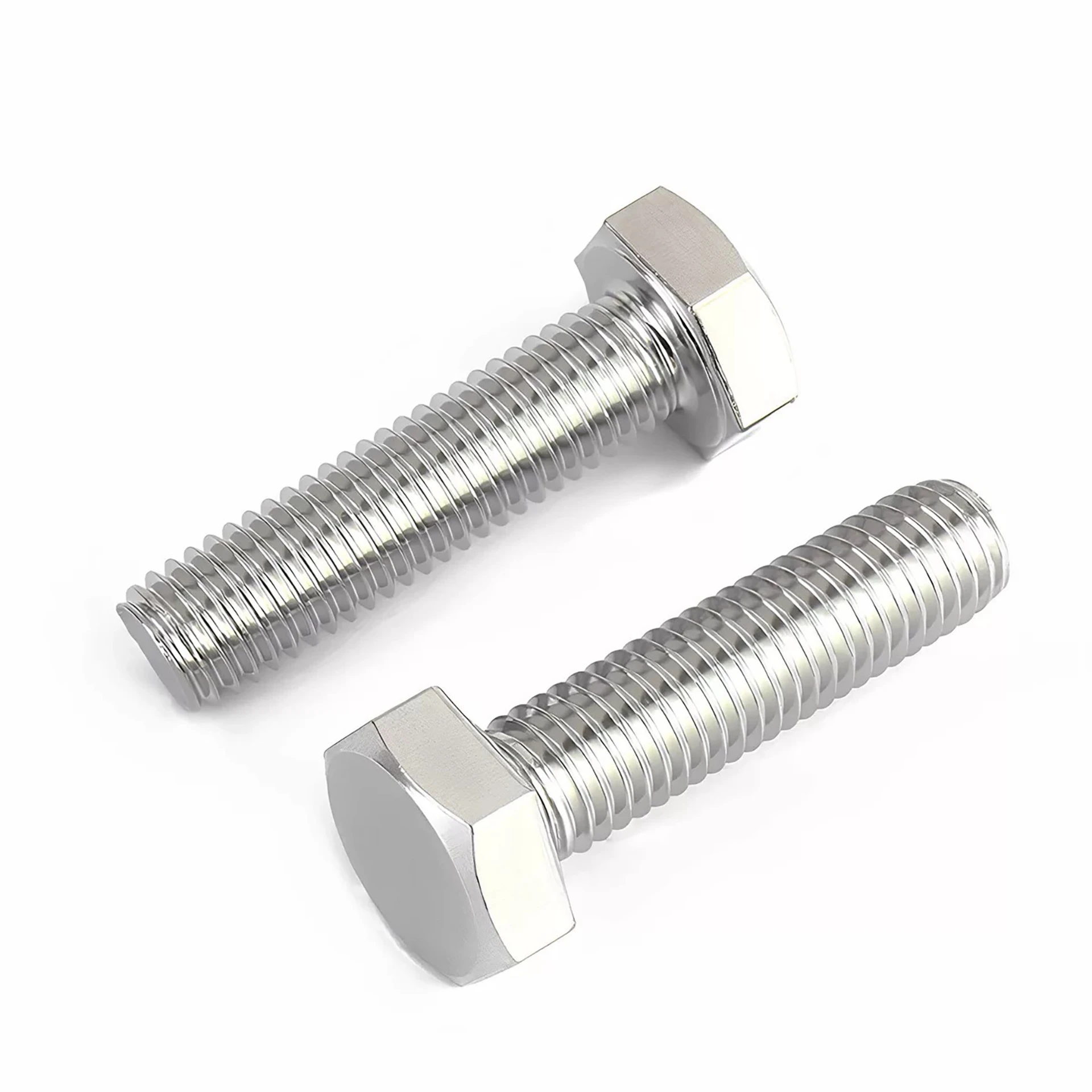
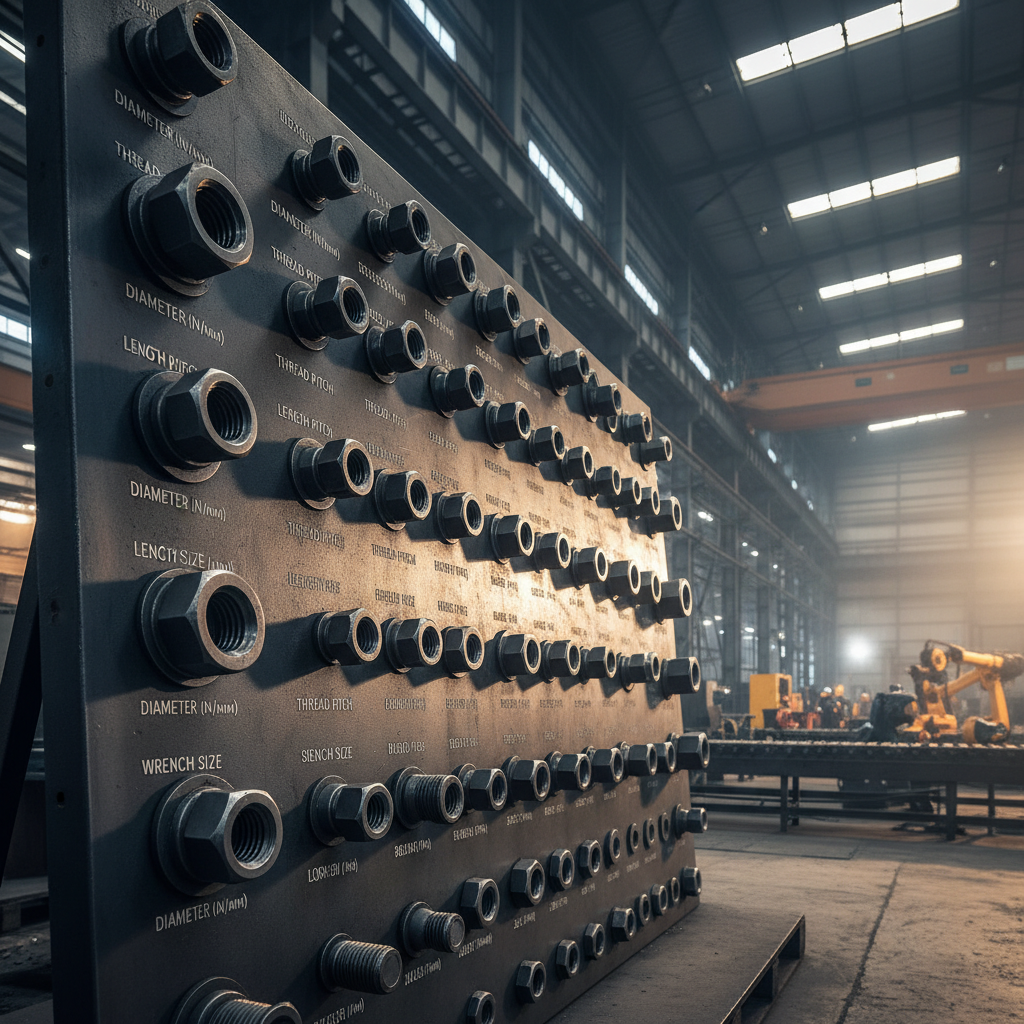
Understanding the different dimensions of a hex cap screw is fundamental to using a hex cap screw size chart effectively. The key dimensions include the diameter (measured across the threads), the thread pitch (distance between threads), and the length (measured from under the head to the tip). The diameter is typically specified in millimeters (M) or inches (e.g., M8, 1/4”). The thread pitch is expressed as the number of threads per inch (TPI) or pitch in millimeters. Length is crucial for ensuring the screw engages sufficiently with the receiving material. Accurate measurements and referencing a reliable size chart are essential for proper fastener selection.
Key Takeaway: Diameter, thread pitch, and length are the three most important dimensions to consider when selecting a hex cap screw.
Decoding a Hex Cap Screw Size Chart
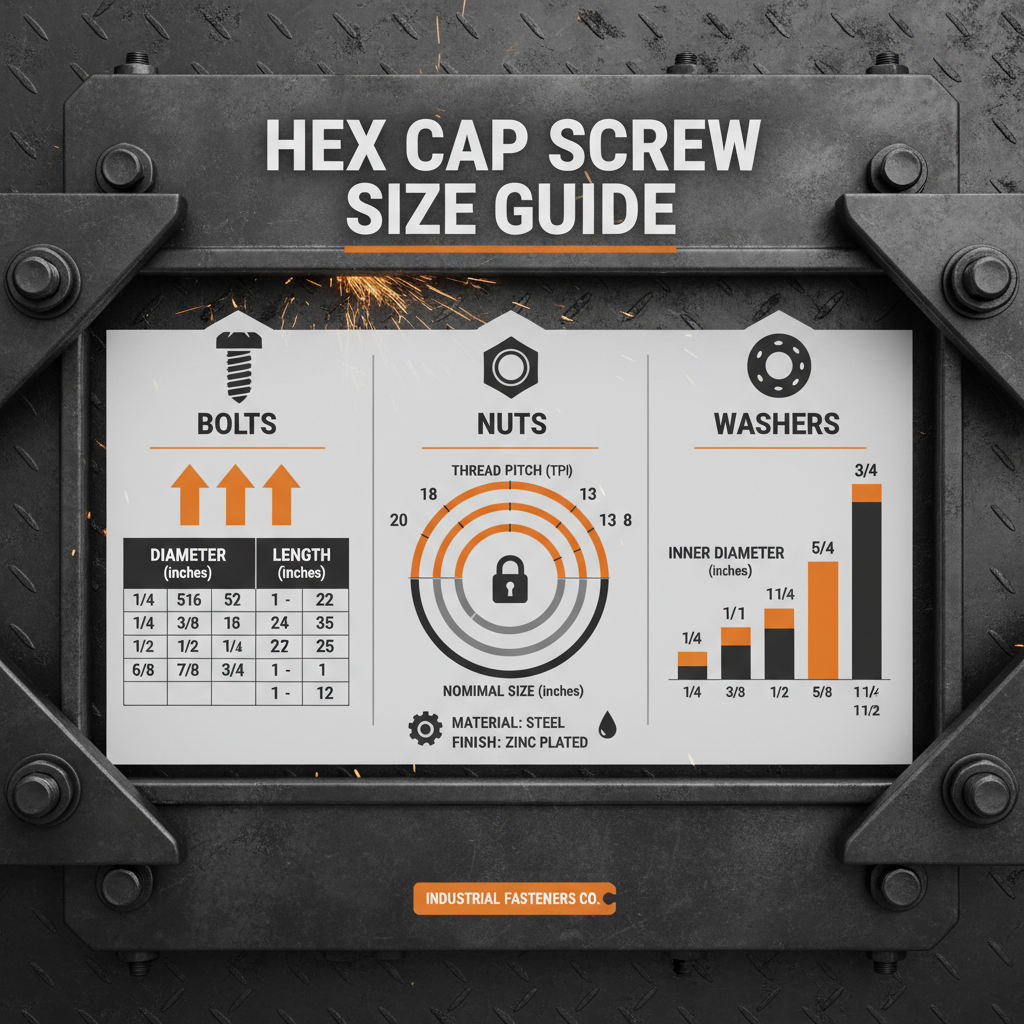
A typical hex cap screw size chart will list various diameters, thread pitches, and lengths. For metric screws, you'll see designations like "M8 x 25," meaning an 8mm diameter screw with a 25mm length. For imperial (inch) screws, you might see "1/4-20 x 1," indicating a 1/4-inch diameter, 20 threads per inch, and 1-inch length. It’s important to note the screw grade, indicated by markings on the head, which signifies its strength and material. Referring to these charts will enable accurate fastener identification.
Understanding Size Designations:
• M8 x 25: 8mm diameter, 25mm length (metric)
• 1/4-20 x 1: 1/4-inch diameter, 20 TPI, 1-inch length (imperial)
• Screw Grade: Indicates strength and material.
Metric vs. Imperial Hex Cap Screw Sizes
Metric and imperial (inch) fasteners are not interchangeable. Metric screws use millimeters and a different thread form compared to imperial screws. Attempting to force a metric screw into an imperial hole, or vice versa, will likely damage the threads and compromise the joint’s integrity. When specifying fasteners, always clarify whether metric or imperial standards are required. Using a reliable hex cap screw size chart that specifies either metric or imperial standards is essential for avoiding these issues.
Choosing the Right Length: A Practical Guide
Selecting the correct length of a hex cap screw is critical for ensuring a strong and secure joint. The screw must extend far enough through the receiving material to provide sufficient thread engagement, but not so far as to protrude excessively, creating a hazard. Consider the thickness of the materials being joined, the presence of washers, and the required amount of thread engagement. A general rule of thumb is to aim for at least one and a half times the screw diameter in thread engagement.
Factors Influencing Hex Cap Screw Selection
Beyond size and type, several other factors influence hex cap screw selection. These include the material being fastened (e.g., steel, aluminum, plastic), the application’s environmental conditions (e.g., corrosion resistance), and the required load-bearing capacity. For example, stainless steel screws are often preferred for outdoor applications due to their corrosion resistance. High-strength alloy steel screws are used in applications requiring significant tensile strength. Consulting with a fastener specialist can help ensure the optimal screw is chosen for your specific needs. Fastenboen offers expert advice and a wide selection of hex cap screws to meet diverse requirements.
Conclusion: Mastering the Hex Cap Screw Size Chart
A thorough understanding of hex cap screw size charts, key dimensions, and influencing factors is crucial for successful assembly. By carefully considering these aspects, you can ensure a secure, reliable, and long-lasting joint. Don’t hesitate to consult reliable resources like Fastenboen for expert guidance and a comprehensive selection of fasteners.
Frequently Asked Questions (FAQs)
What does "thread pitch" mean and why is it important?
Thread pitch refers to the distance between adjacent threads on a screw. It's measured in threads per inch (TPI) for imperial screws and millimeters for metric screws. It’s crucial because the thread pitch must match between the screw and the receiving hole. If they don’t match, the screw will either not engage properly or will strip the threads, leading to a weakened connection. Using the wrong thread pitch can also cause the screw to bind or seize.
How do I determine the correct length of a hex cap screw?
To determine the correct length, measure the total thickness of the materials being joined, including any washers or spacers. Then, add the desired amount of thread engagement, which should be at least one and a half times the screw diameter. Ensure the screw doesn't protrude excessively beyond the assembled materials, creating a potential hazard. It’s always better to err on the side of slightly longer, as a screw can be shortened if necessary, but cannot be lengthened.
What is the difference between a Grade 5 and Grade 8 hex cap screw?
Grade 5 and Grade 8 refer to the strength and material composition of the screw. Grade 8 screws are made from higher-strength alloy steel and have a higher tensile strength than Grade 5 screws. This means they can withstand greater forces and are suitable for more demanding applications. Grade 8 screws are typically marked with three radial lines on the head, while Grade 5 screws have three lines closer together.
Who We Are: The Right Fastener Partner for Global SMEs
Handan Boen Fastener Manufacturing Co., Ltd. (Est. 2010) specializes in producing standardized industrial fasteners, including bolts, nuts, washers, and other essential components. We provide cost-effective for small and medium-sized buyers in industries such as automotive parts, agricultural machinery, and construction.