Comprehensive Guide to Counterbore Dimensions for Socket Head Cap Screws
Counterbore Dimensions for Socket Head Cap Screws
Understanding counterbore dimensions for socket head cap screws is crucial for ensuring proper screw installation, maximizing joint strength, and achieving a flush finish. These dimensions dictate the size and depth of the recess needed to accommodate the screw head, preventing protrusion and ensuring a clean aesthetic. This article will comprehensively cover the key parameters involved, including diameter, depth, and tolerances, providing practical guidance for engineers, machinists, and anyone working with these fasteners. Precise counterbore execution is vital for functionality and the overall quality of the assembly.
Key Dimensions to Consider for Socket Head Cap Screw Counterbores
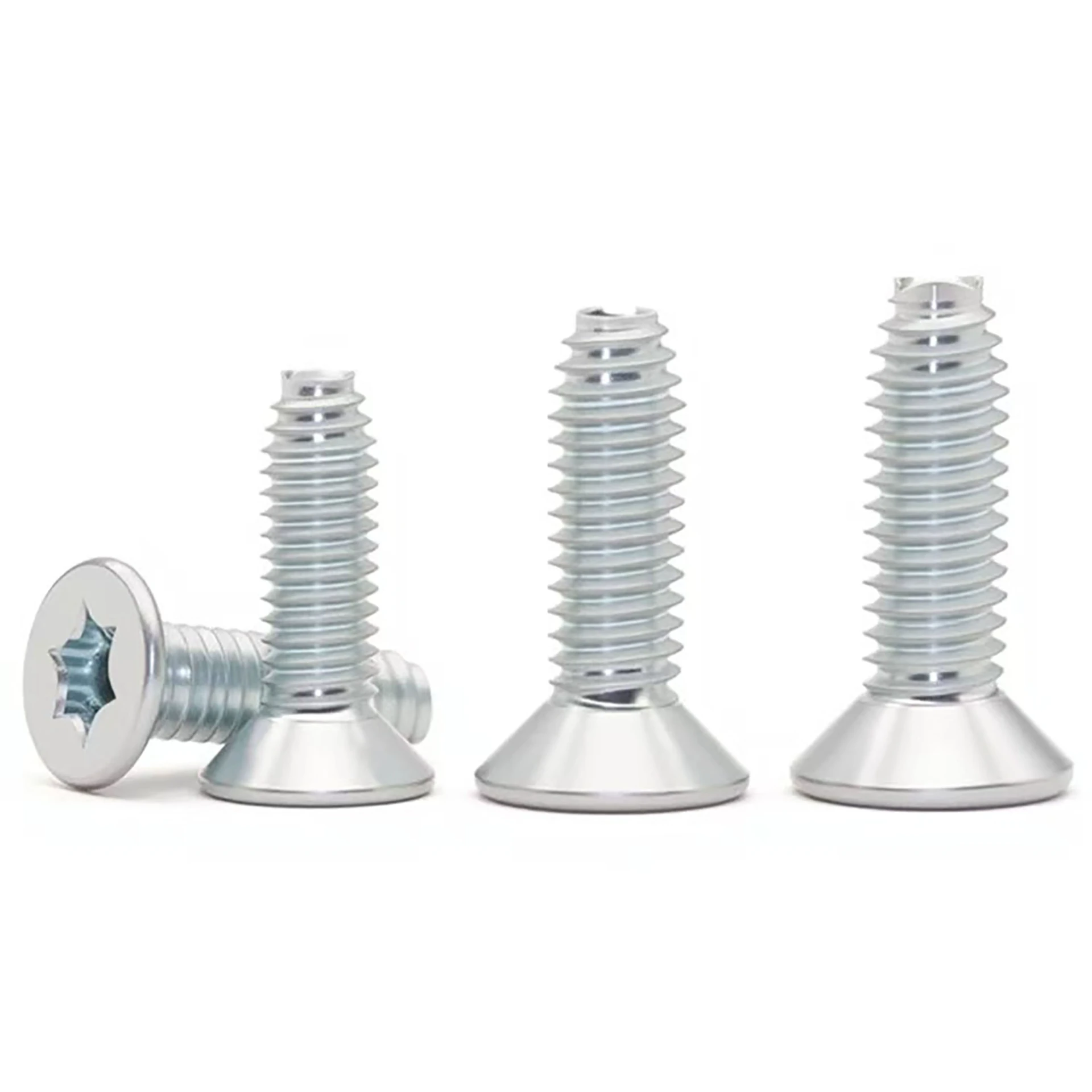
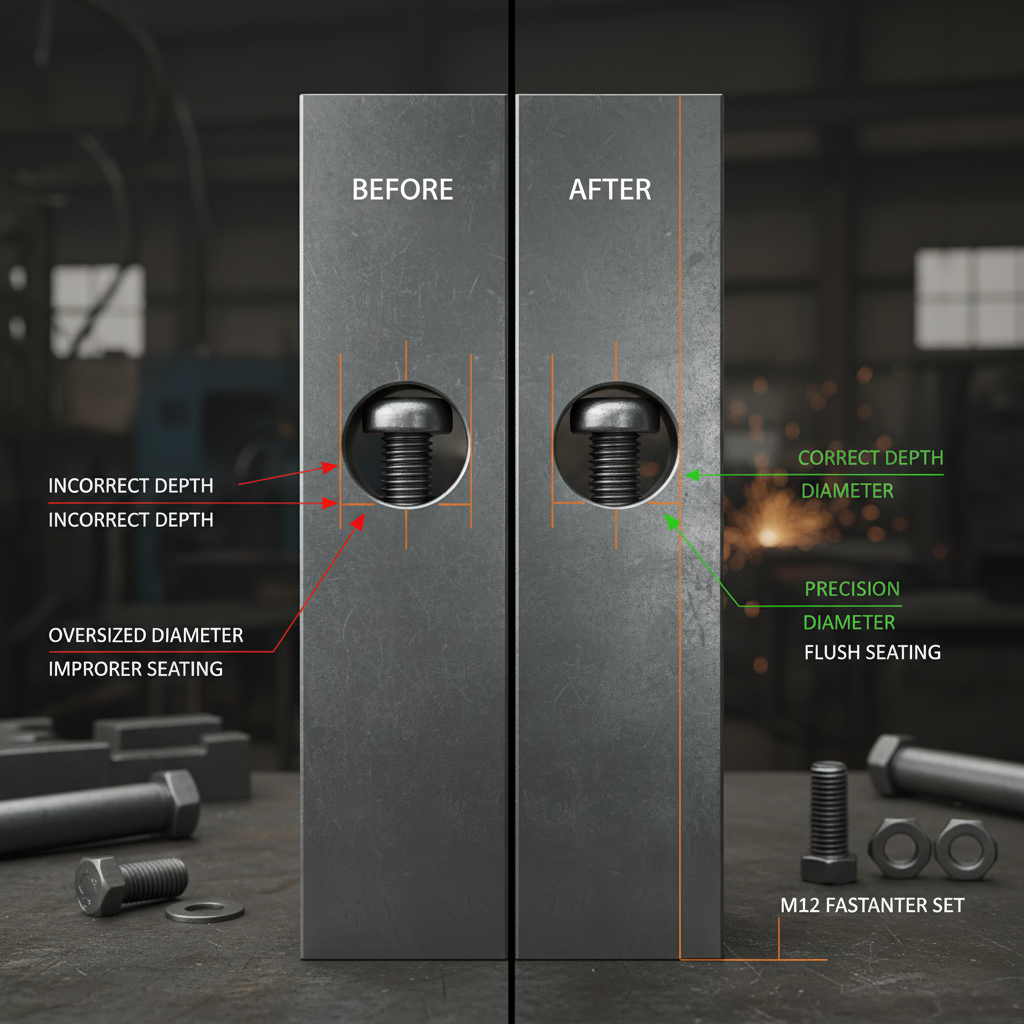
Several critical dimensions define a counterbore. The major diameter, which is the largest diameter of the counterbore, needs to match the outer diameter of the socket head cap screw. The minor diameter, or bottom diameter, influences the stability of the screw head. Crucially, the depth of the counterbore must accurately accommodate the screw head height, preventing it from extending above the surface. Incorrect depths can lead to stress concentration and potential failure. Furthermore, understanding chamfer angles helps facilitate easier screw insertion and prevents damage to the screw head. Fastenboen offers a wide selection of socket head cap screws and expertise in determining the ideal counterbore specifications.
Key Considerations: Accurate dimensions prevent stress concentration, ensure a flush finish, and optimize joint strength. Proper depth and diameter selection are paramount for successful assembly.
Standard Counterbore Dimensions by Screw Size
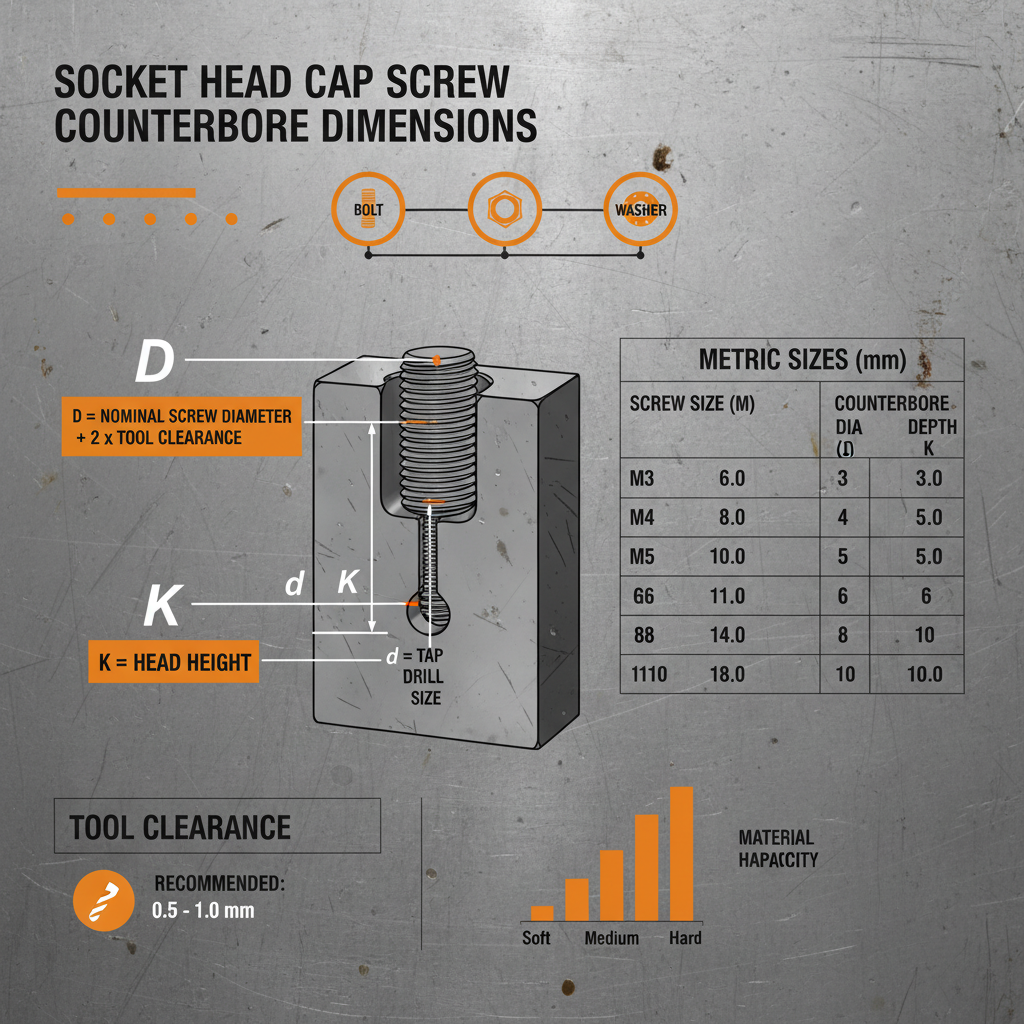
Standard counterbore dimensions vary depending on the diameter and thread size of the socket head cap screw. The following table provides a general guideline for common sizes. It's always recommended to consult specific fastener datasheets and engineering drawings for precise requirements, as slight variations can exist between manufacturers. Using the correct dimensions ensures the screw head sits flush with the surface, preventing interference and maintaining structural integrity.
Tolerance Considerations for Accurate Counterboring
Maintaining appropriate tolerances is essential for consistent and reliable counterboring. Too much tolerance can lead to loose fits and compromised joint strength. Too little tolerance may cause interference and difficulty during assembly. Generally, a tolerance of ±0.02 mm for diameter and ±0.05 mm for depth is recommended for precision applications. However, these values can vary based on the specific application and material properties. Careful consideration of tolerances during the design and machining process is critical to achieving optimal performance.
Tolerance Guidelines:
• Diameter Tolerance: ±0.02 mm (typical)
• Depth Tolerance: ±0.05 mm (typical)
• Consider material properties and application requirements.
Comparing Counterbore Designs: Flat Bottom vs. Radius Bottom
Counterbores can have either a flat bottom or a radius bottom. Flat-bottom counterbores are common and generally easier to machine. However, radius-bottom counterbores can reduce stress concentration at the bottom of the recess, potentially increasing joint fatigue life. The choice between the two depends on the specific application and load requirements. Radius-bottom counterbores are particularly beneficial in high-stress applications where fatigue resistance is paramount. Fastenboen's technical team can assist in selecting the most appropriate counterbore design for your needs.
Selecting the Right Cutting Tool for Counterboring
The choice of cutting tool significantly impacts the accuracy and quality of the counterbore. Carbide-tipped counterbores are recommended for machining harder materials like steel and stainless steel, offering superior wear resistance and cutting performance. High-speed steel (HSS) counterbores are suitable for softer materials like aluminum and brass. Ensure the cutting tool is sharp and properly sized for the desired counterbore dimensions. Using a dull or incorrect tool can result in inaccurate dimensions, poor surface finish, and premature tool wear. Proper tool selection and maintenance are crucial for efficient and precise counterboring.
Conclusion: Achieving Precision in Counterbore Dimensions
Accurate counterbore dimensions for socket head cap screws are fundamental to successful assembly and reliable performance. By carefully considering the key dimensions, tolerances, and cutting tool selection, engineers and machinists can ensure a flush fit, optimal joint strength, and long-term durability. Investing in quality fasteners and utilizing appropriate machining techniques are essential for achieving precision and maximizing the effectiveness of your designs.
Frequently Asked Questions (FAQs)
What materials are best suited for counterboring?
The best material for counterboring depends on the material being machined. For steel and harder alloys, carbide-tipped counterbores are recommended due to their hardness and wear resistance. For softer materials like aluminum, brass, or plastics, high-speed steel (HSS) counterbores are sufficient. Always consider the material's machinability and choose a cutting tool appropriate for its properties. Selecting the right material prevents premature tool wear and ensures a clean, accurate counterbore.
How do I determine the correct counterbore depth?
The correct counterbore depth should be equal to the height of the socket head cap screw. You need to account for the bearing surface of the screw head. It’s generally recommended to allow a small amount of extra depth (around 0.1-0.2mm) to ensure the screw head sits flush without protruding. Refer to the screw manufacturer’s datasheet for precise head height dimensions. Incorrect depth can lead to stress concentration or a protruding screw head.
What are the common causes of counterbore inaccuracies?
Common causes include using a dull or incorrectly sized cutting tool, improper machine setup, inadequate clamping of the workpiece, and incorrect feed rates. Also, insufficient rigidity in the machining setup can lead to chatter and inaccurate results. Regularly inspect your cutting tools and ensure your machine is properly calibrated. Maintaining proper machining practices is key to achieving accurate counterbores.
Are there alternative methods to creating counterbores?
Yes, besides using a dedicated counterbore tool, you can also create counterbores using end mills or spot drills. However, dedicated counterbore tools offer greater accuracy and efficiency, especially for production runs. The choice of method depends on the required precision, the quantity of parts, and the available machining equipment.
Who We Are: The Right Fastener Partner for Global SMEs
Handan Boen Fastener Manufacturing Co., Ltd. (Est. 2010) specializes in producing standardized industrial fasteners, including bolts, nuts, washers, and other essential components. We provide cost-effective for small and medium-sized buyers in industries such as automotive parts, agricultural machinery, and construction.