A Detailed Guide to Cap Head Screw Sizes Standards and Selection
Understanding Cap Head Screw Sizes: A Comprehensive Guide
Cap head screws are a staple in countless industries, offering a secure and aesthetically pleasing fastening solution. But with a vast range of sizes available, choosing the right one can be daunting. This guide provides a comprehensive overview of cap head screw sizes, covering standards, applications, and how to select the optimal screw for your project. Proper selection ensures structural integrity, longevity, and efficient assembly. We'll explore everything you need to know to confidently choose the correct cap head screw.
What Defines a Cap Head Screw Size?
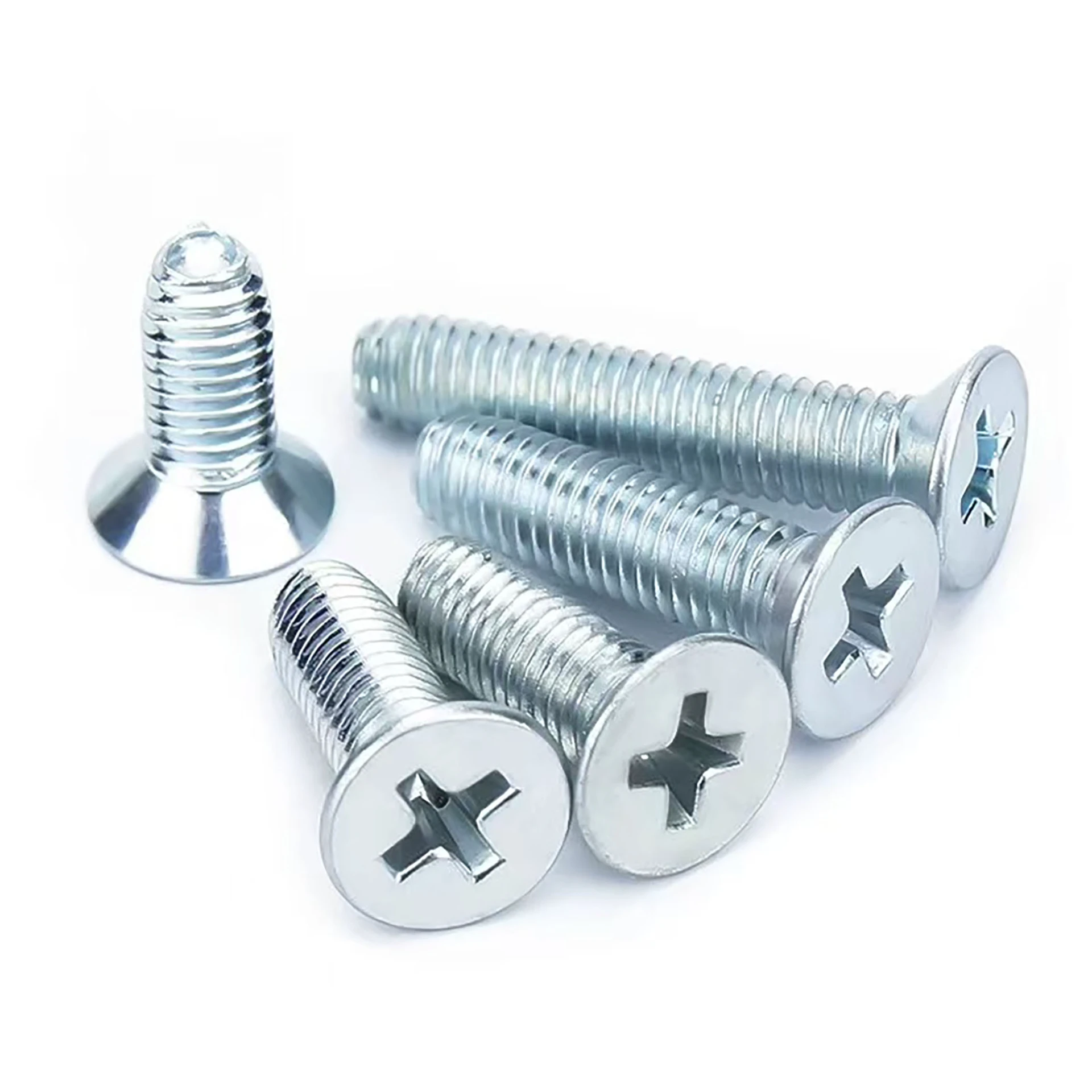
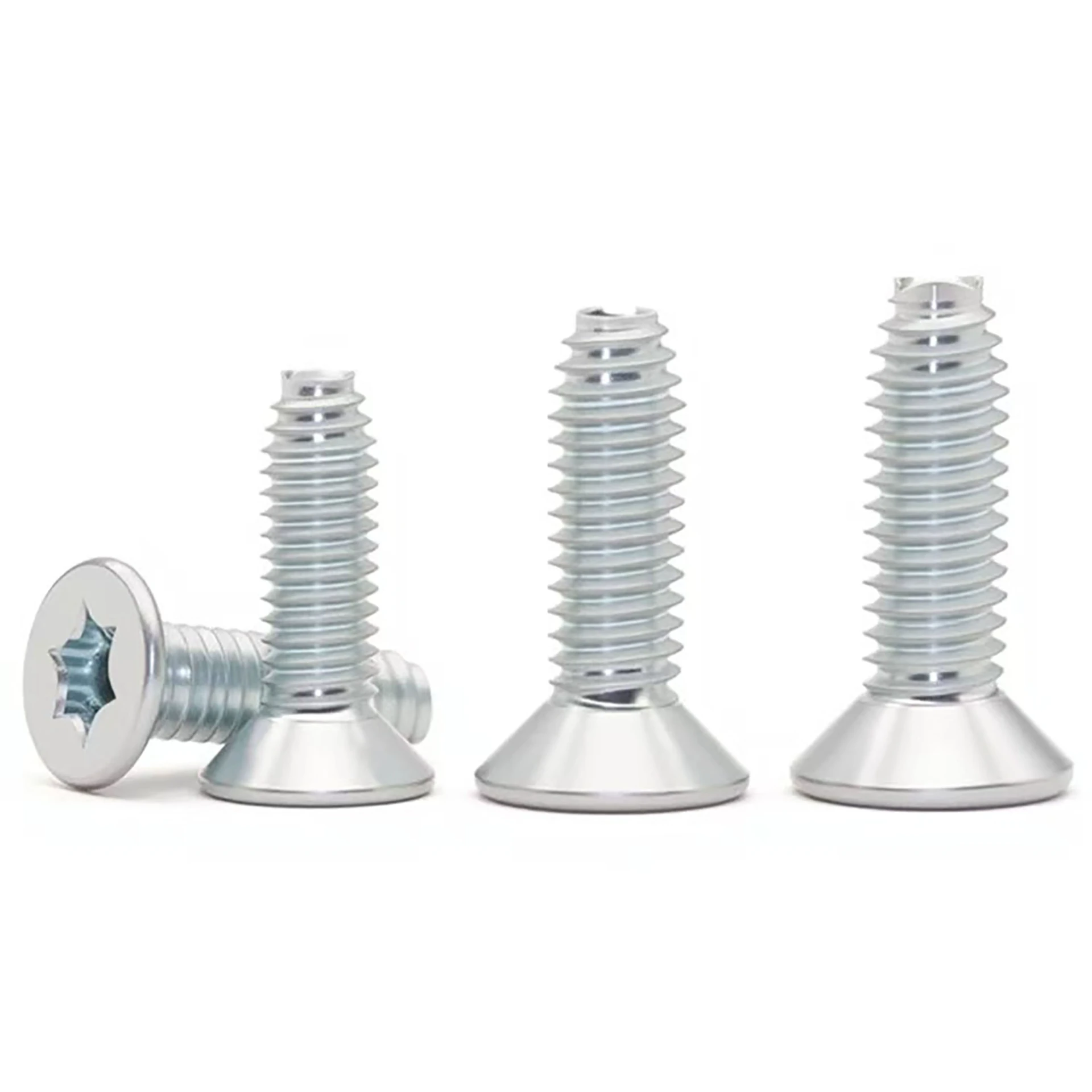
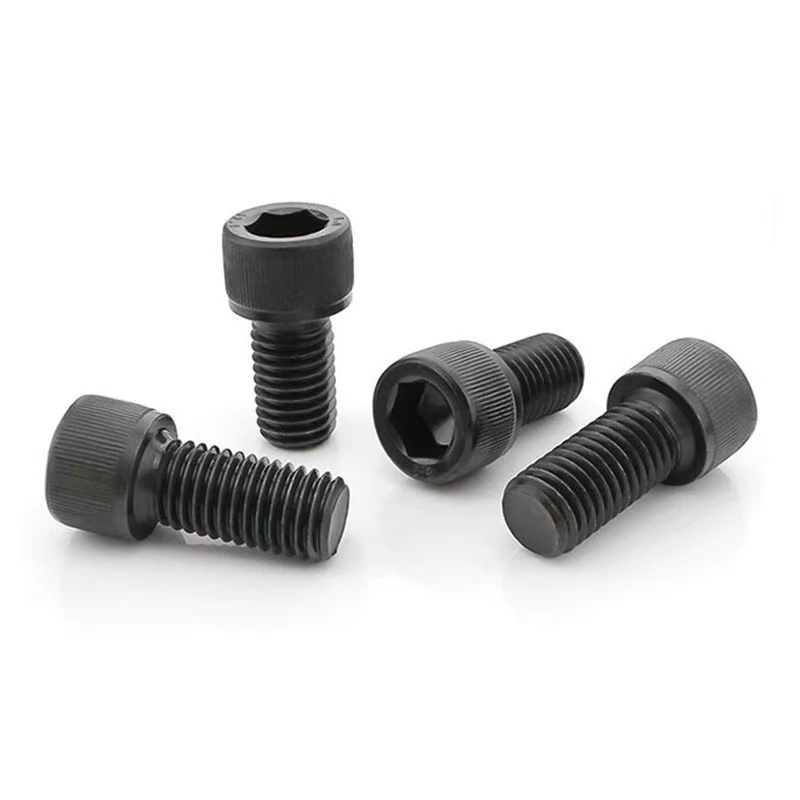
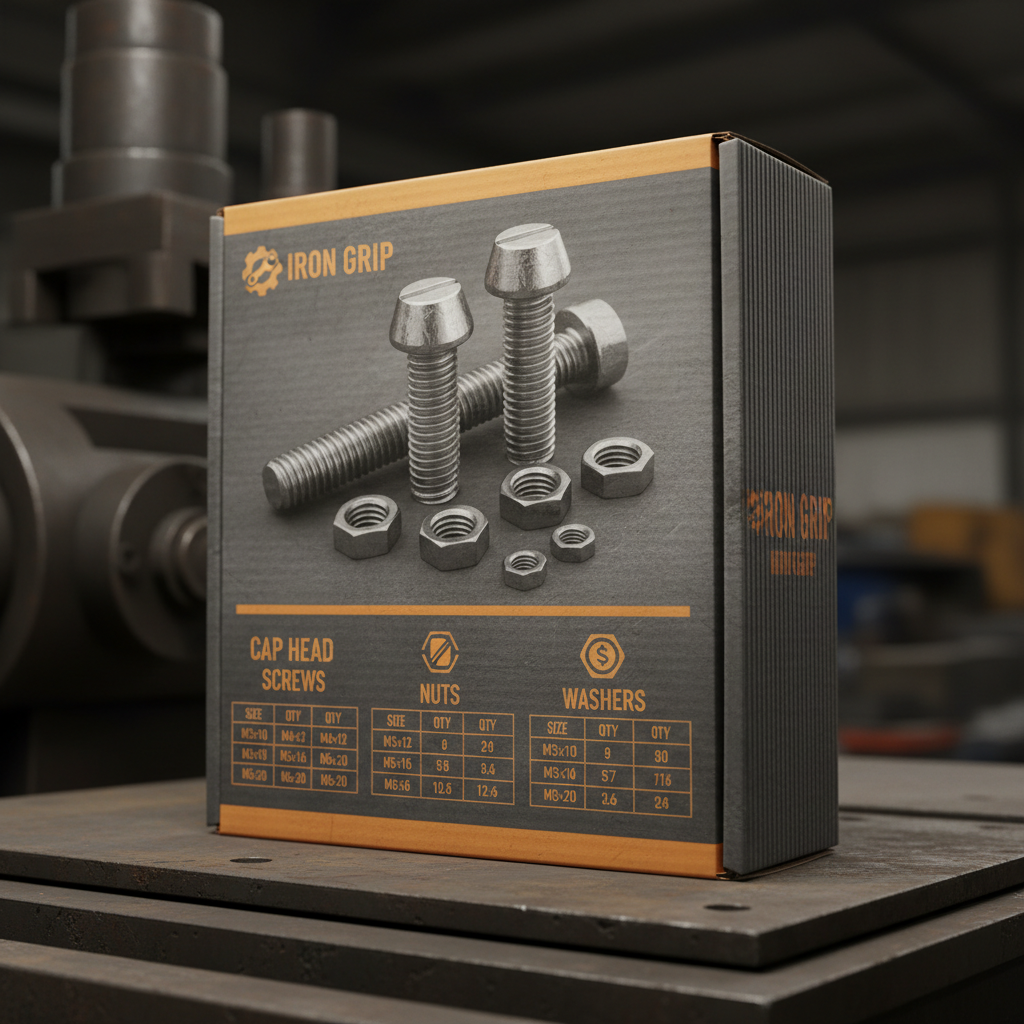
A cap head screw's size isn't just about its length. Several key dimensions define its specifications. These include the diameter (the width of the screw's thread), the pitch (the distance between threads), and the length (measured from under the head to the tip). Understanding these components is crucial for accurate selection. Standard cap head screws often adhere to metric (ISO) or imperial (UNC/UNF) standards. The head size, typically measured across the flats, also influences tool selection and accessibility. Choosing the right size contributes significantly to a strong and reliable fastening system.
Key Dimensions: Diameter, Pitch, Length, Head Size. Knowing these helps ensure optimal screw selection and performance.
Common Cap Head Screw Sizes and Standards
Cap head screws come in a wide variety of sizes, catering to diverse applications. Metric sizes (M3, M4, M5, M6, M8, M10, M12, M16, M20, etc.) are prevalent globally, while imperial sizes (like #6, #8, #10, ¼", ⅜", ½", etc.) are common in North America. The most frequently used sizes are typically those between M4 and M12. Fastenboen offers a comprehensive range of both metric and imperial cap head screws to meet your specific requirements.
Choosing the Right Cap Head Screw Size for Your Application
Selecting the correct cap head screw size depends on several factors, including the materials being joined, the load-bearing requirements, and the desired aesthetic. Consider the shear strength and tensile strength of the screw material, as well as the potential for corrosion. For high-stress applications, larger diameter screws and higher-grade materials (like stainless steel or alloy steel) are recommended. Always ensure that the screw length allows for adequate thread engagement without protruding excessively.
Material Considerations and Cap Head Screw Options
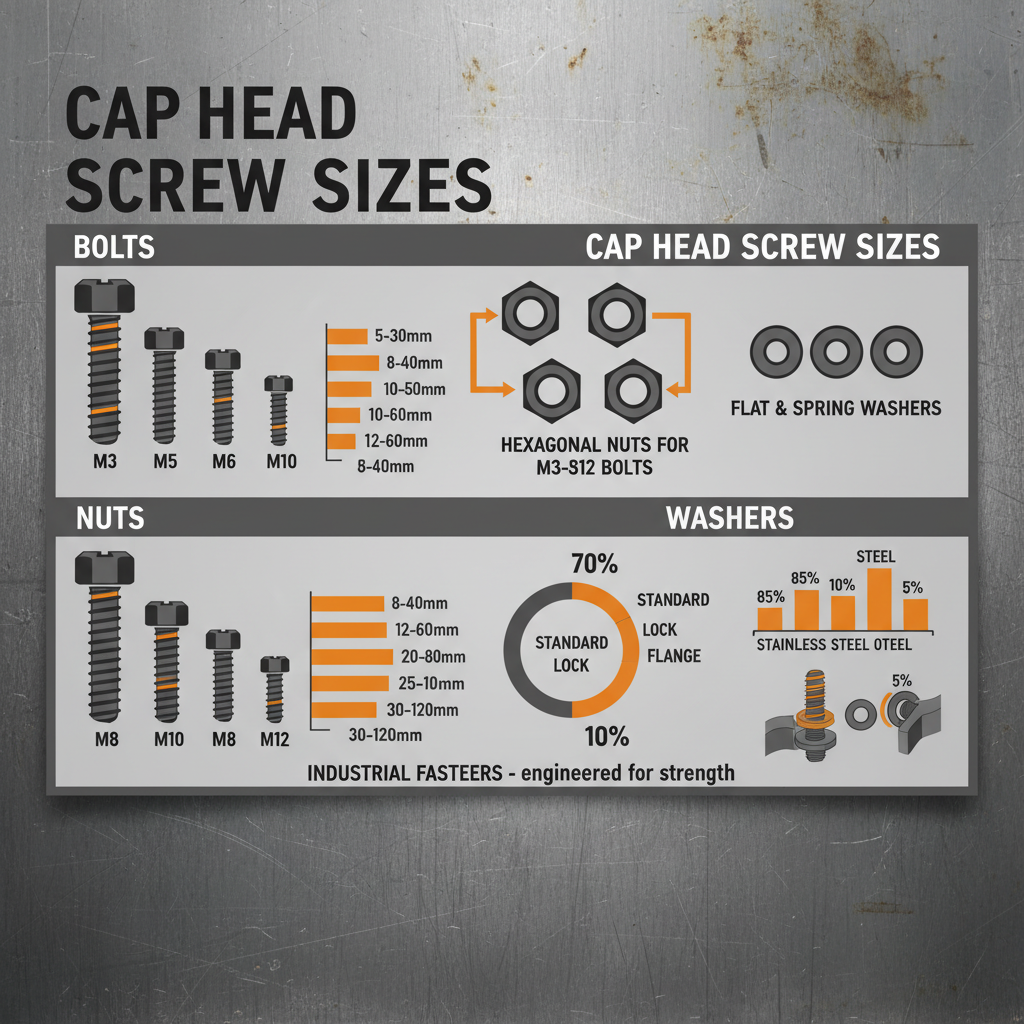
Cap head screws are available in a variety of materials, each with its own strengths and weaknesses. Steel is a common and cost-effective option, but it's susceptible to corrosion. Stainless steel provides excellent corrosion resistance, making it ideal for outdoor or marine applications. Alloy steel offers increased strength and durability for demanding environments. The choice of material should align with the operating conditions and the materials being fastened. Fastenboen offers a wide array of materials, including stainless steel, carbon steel, and alloy steel.
Where to Find Reliable Cap Head Screws
When sourcing cap head screws, it's essential to choose a reputable supplier who offers quality products and reliable service. Fastenboen is a leading provider of fasteners, offering a comprehensive selection of cap head screws in various sizes, materials, and finishes. We pride ourselves on providing high-quality products, competitive pricing, and excellent customer support. Browse our extensive catalog or contact our team today to find the perfect cap head screws for your project.
Conclusion: Securing Success with the Right Cap Head Screws
Choosing the correct cap head screw size is paramount for ensuring the integrity and longevity of your assemblies. By understanding the key dimensions, standards, materials, and applications, you can confidently select the optimal screws for your projects. Fastenboen is your trusted partner for high-quality fasteners and expert support. Invest in the right screws, and invest in success.
Frequently Asked Questions (FAQs)
What is the difference between metric and imperial cap head screws?
Metric and imperial cap head screws differ in their measurement systems. Metric screws use millimeters (mm) for diameter and pitch, adhering to the ISO standard. Imperial screws, commonly used in the US, employ inches and fractions of an inch, following UNC/UNF standards. The threads are not interchangeable – a metric screw will not fit into an imperial hole, and vice versa. It is important to verify your specifications to ensure you choose the correct type of screw.
How do I determine the correct length of a cap head screw?
To determine the correct length, measure the total thickness of the materials being joined. You'll need to add enough length to allow for sufficient thread engagement (typically 1-1.5 times the screw diameter) and the height of the cap head. Ensure the screw doesn't protrude excessively, potentially causing a safety hazard or interfering with other components. It’s always better to err on the side of slightly longer rather than too short.
What are the common grades of cap head screws and what do they mean?
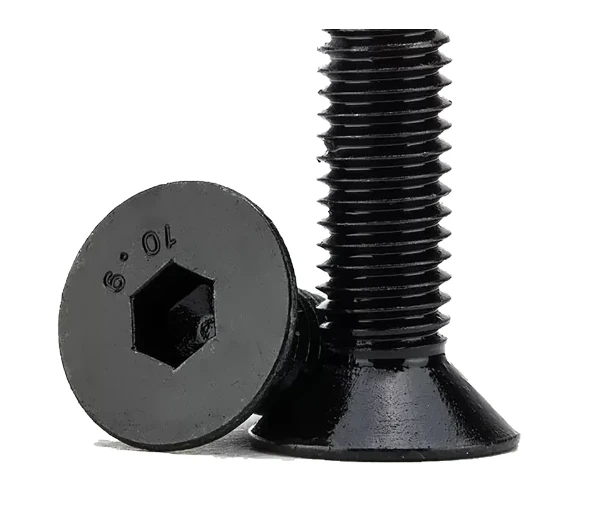
Cap head screws are commonly graded based on their tensile strength. Common grades include 8.8, 10.9, and 12.9. Higher numbers indicate greater strength. For example, a 10.9 grade screw has a higher tensile strength than an 8.8 grade screw. The grade is usually marked on the head of the screw. Choosing the correct grade depends on the application's load-bearing requirements.
Who We Are: The Right Fastener Partner for Global SMEs
Handan Boen Fastener Manufacturing Co., Ltd. (Est. 2010) specializes in producing standardized industrial fasteners, including bolts, nuts, washers, and other essential components. We provide cost-effective for small and medium-sized buyers in industries such as automotive parts, agricultural machinery, and construction.