-
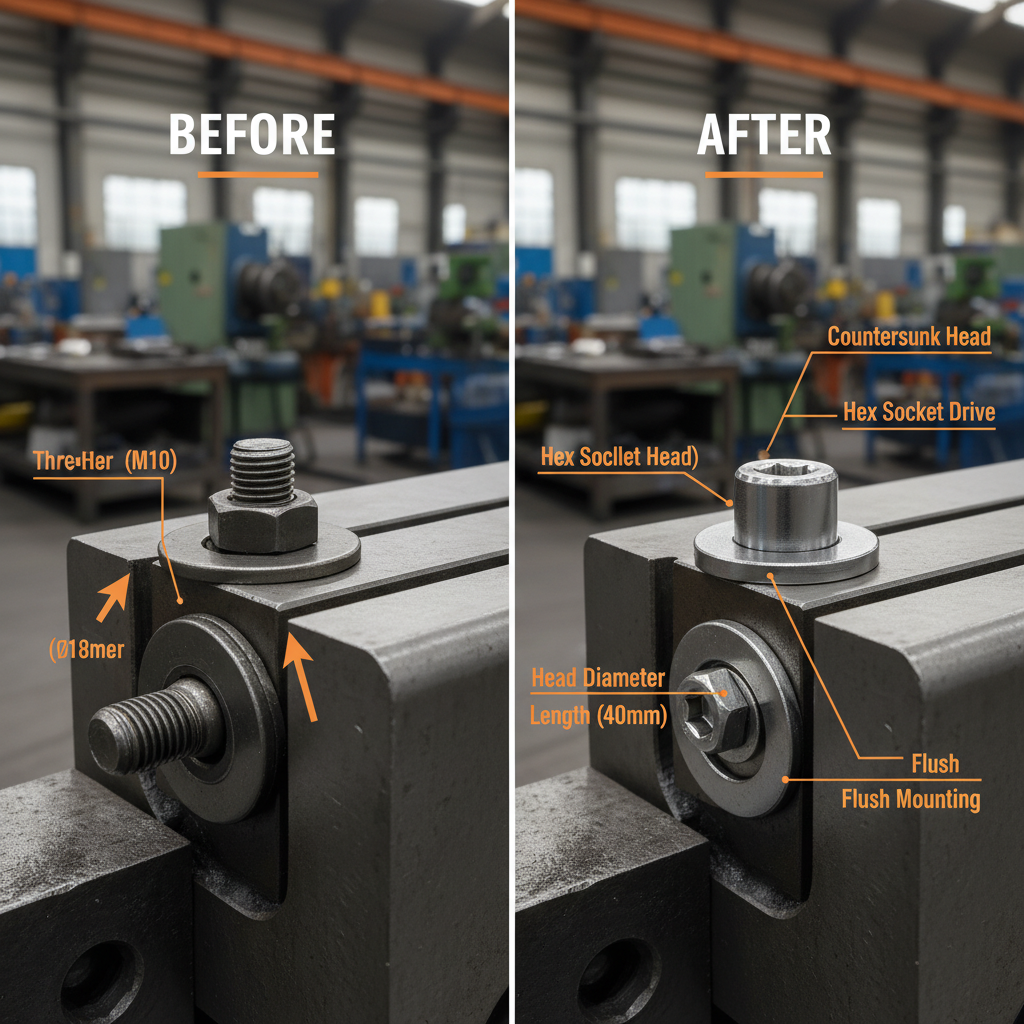
Comprehensive Guide to Countersunk Socket Head Cap Screw Dimensions and Standards
Countersunk socket head cap screws are essential fasteners used in a wide range of applications, from automotive assembly to precision machinery. Understanding their dimensions is critical for ensuring proper fit, function, and structural integrity. This article will provide a comprehensive guide to these dimensions, covering key parameters and standards. Choosing the correct screw dimensions can prevent assembly issues, ensure load-bearing capacity, and ultimately contribute to a more reliable and safe product. Let's explore the intricacies of countersunk socket head cap screw sizing. Several critical dimensions define a countersunk socket head cap screw. These include the diameter (d), length (L), head diameter (dk), and countersink angle (α). The diameter refers to the screw’s body size, typically measured in millimeters. Length is measured from under the head to the tip of the screw. Head diameter influences the size of the countersunk hole required. The countersink angle dictates the shape of the recess needed for flush mounting. Accurate knowledge of these parameters is essential for design and manufacturing.
-
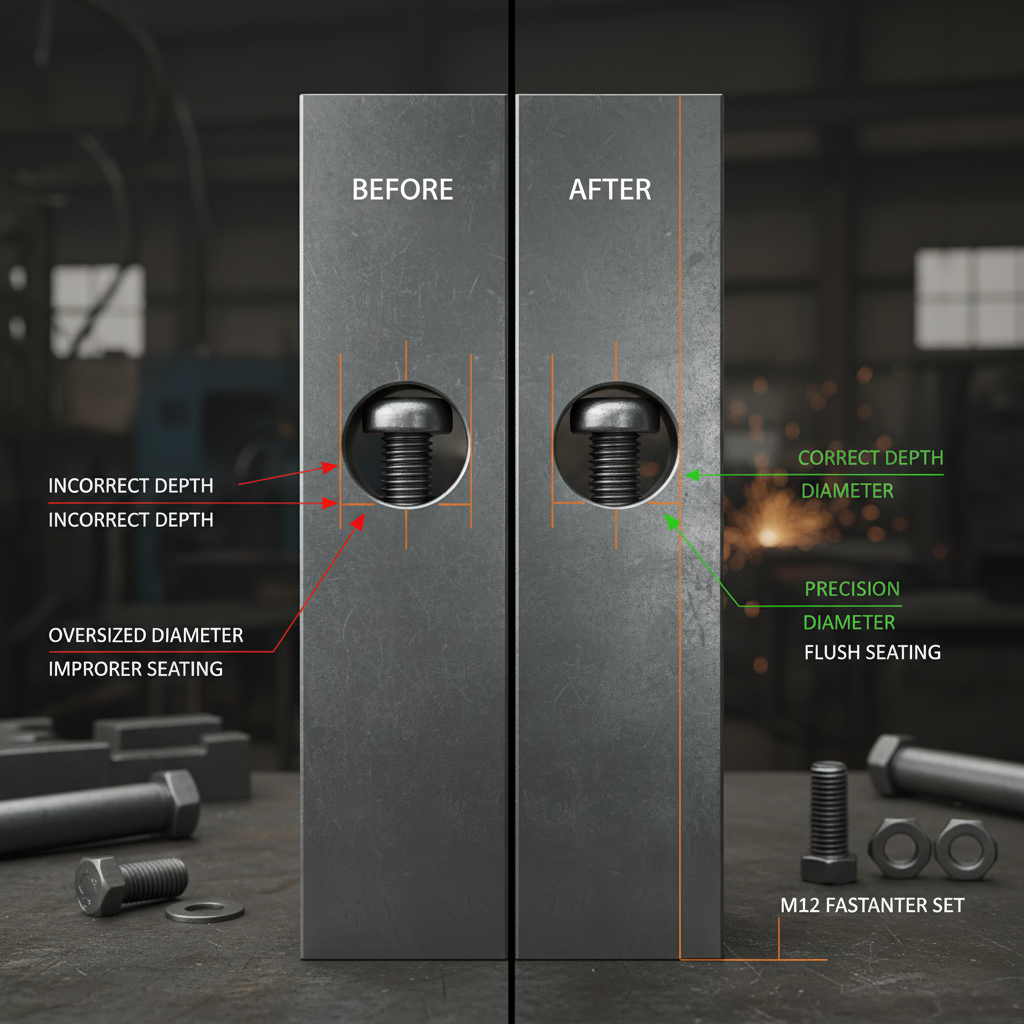
Comprehensive Guide to Counterbore Dimensions for Socket Head Cap Screws
Understanding counterbore dimensions for socket head cap screws is crucial for ensuring proper screw installation, maximizing joint strength, and achieving a flush finish. These dimensions dictate the size and depth of the recess needed to accommodate the screw head, preventing protrusion and ensuring a clean aesthetic. This article will comprehensively cover the key parameters involved, including diameter, depth, and tolerances, providing practical guidance for engineers, machinists, and anyone working with these fasteners. Precise counterbore execution is vital for functionality and the overall quality of the assembly. Several critical dimensions define a counterbore. The major diameter, which is the largest diameter of the counterbore, needs to match the outer diameter of the socket head cap screw. The minor diameter, or bottom diameter, influences the stability of the screw head. Crucially, the depth of the counterbore must accurately accommodate the screw head height, preventing it from extending above the surface.
-
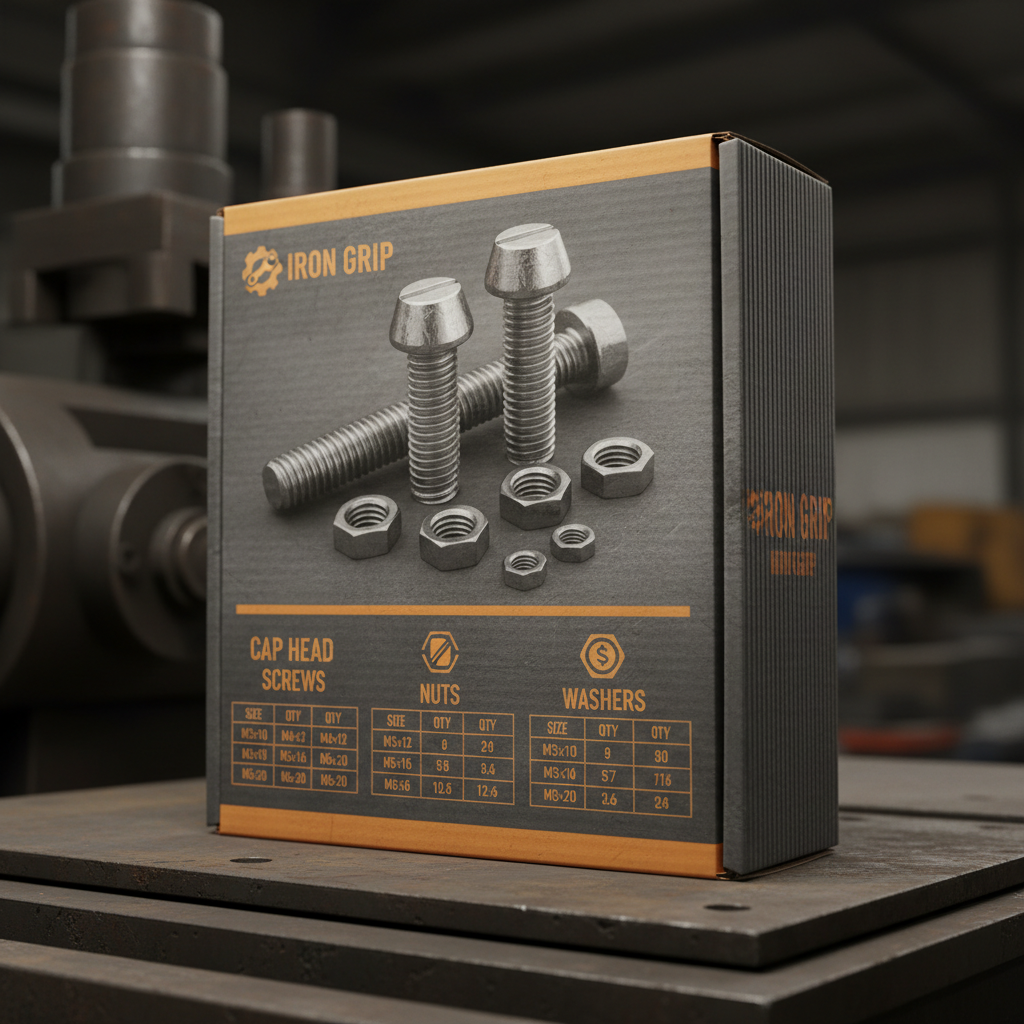
A Detailed Guide to Cap Head Screw Sizes Standards and Selection
Cap head screws are a staple in countless industries, offering a secure and aesthetically pleasing fastening solution. But with a vast range of sizes available, choosing the right one can be daunting. This guide provides a comprehensive overview of cap head screw sizes, covering standards, applications, and how to select the optimal screw for your project. Proper selection ensures structural integrity, longevity, and efficient assembly. We'll explore everything you need to know to confidently choose the correct cap head screw. A cap head screw's size isn't just about its length. Several key dimensions define its specifications. These include the diameter (the width of the screw's thread), the pitch (the distance between threads), and the length (measured from under the head to the tip). Understanding these components is crucial for accurate selection. Standard cap head screws often adhere to metric (ISO) or imperial (UNC/UNF) standards. The head size, typically measured across the flats, also influences tool selection and accessibility.
-
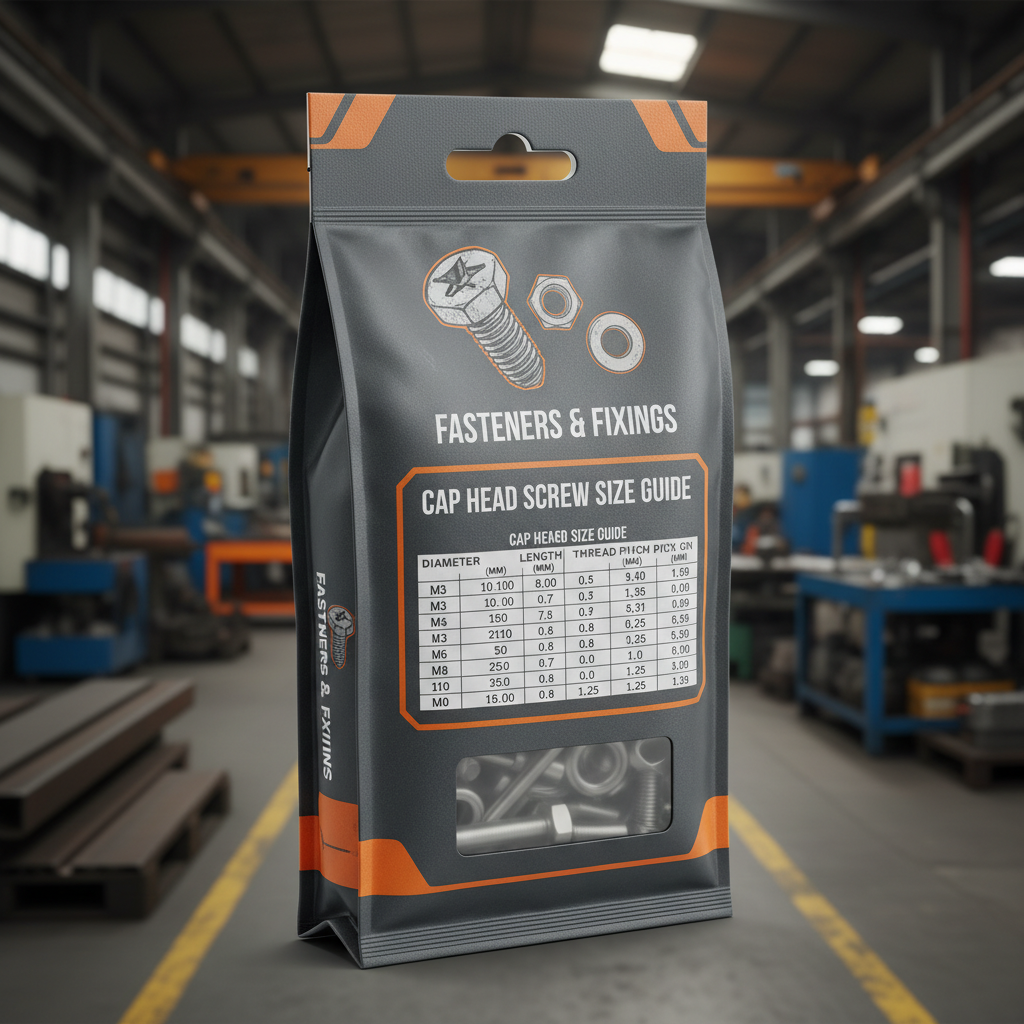
Comprehensive Cap Head Screw Size Chart Guide for Assembly and Manufacturing
Understanding cap head screw size charts is crucial for anyone involved in assembly, manufacturing, or construction. Selecting the correct screw size ensures secure fastening, optimal performance, and prevents potential damage to components. This guide provides a detailed overview of cap head screw sizes, standards, and how to choose the right screw for your application. We will cover key dimensions, common standards, and resources to help you find the perfect fit. Cap head screws, also known as socket head cap screws, are characterized by their cylindrical head with a hexagonal (Allen) drive. The key dimensions to consider when selecting a cap head screw include diameter (d), pitch (p), and length (l). The diameter refers to the screw's thread size, while the pitch is the distance between threads. Length is measured from under the head to the tip of the screw. Incorrectly sized screws can lead to stripped threads, weakened joints, and ultimately, product failure.
-

Comprehensive Guide to Cap Head Screw Dimensions and Applications
Cap head screws are a cornerstone of many assemblies, offering a secure and aesthetically pleasing fastening solution. Selecting the correct cap head screw requires a thorough understanding of its dimensions. This article will delve into the specifics of cap head screw sizing, covering diameter, pitch, and length, along with relevant standards. We'll explore how these dimensions impact performance and compatibility, ensuring you choose the right screw for your application. Knowing these details is crucial for efficient assembly and a robust final product. Several key dimensions define a cap head screw. The most important are the diameter, pitch, and length. The diameter refers to the outer size of the screw's thread – typically expressed in millimeters (e.g., M6, M8, M10). The pitch is the distance between adjacent threads, also in millimeters (e.g., 1.0mm, 1.25mm). Finally, the length is measured from the underside of the head to the tip of the screw.
-
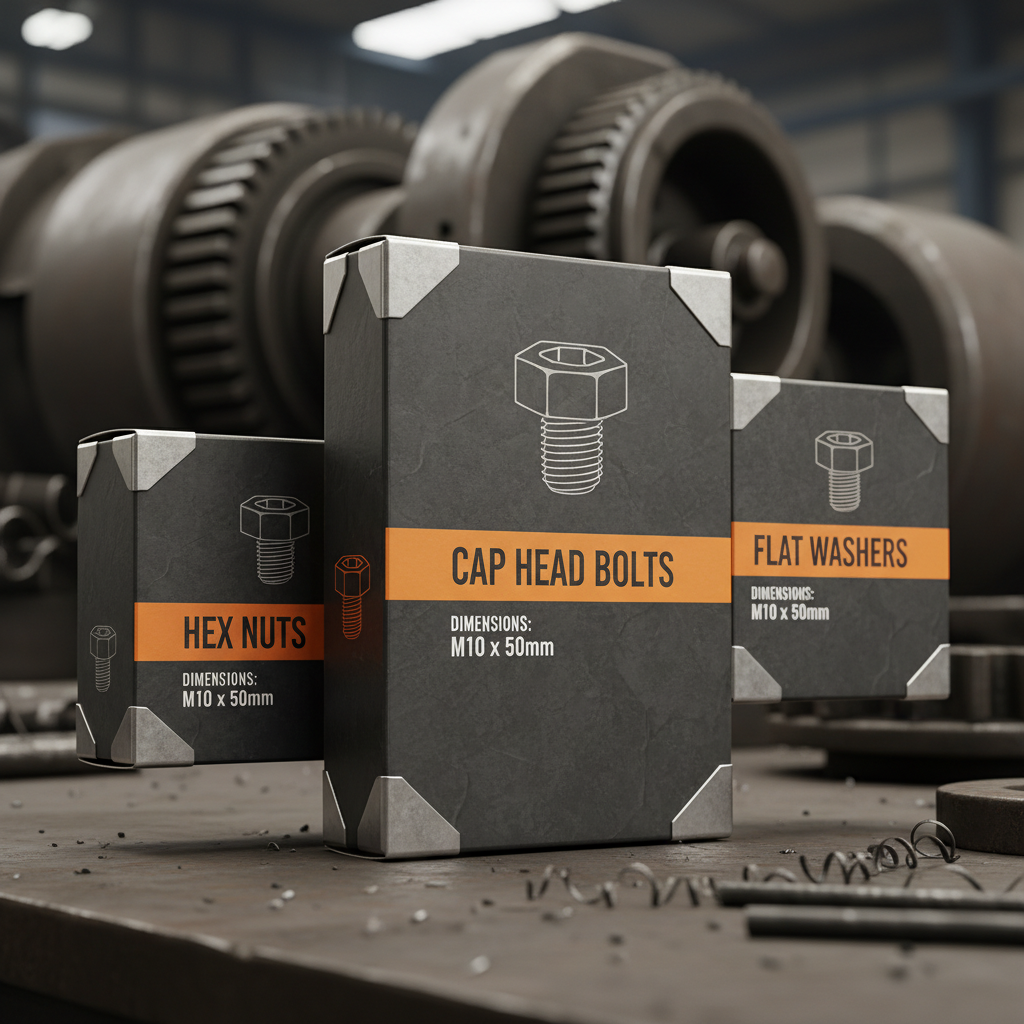
Understanding Cap Head Dimensions for Secure and Reliable Fastening
In the world of fastening solutions, understanding cap head dimensions is crucial for engineers, manufacturers, and anyone involved in assembly processes. Cap heads, known for their low profile and high clamping force, are widely used across numerous industries. This article provides a comprehensive overview of cap head dimensions, their importance, and how to select the right size for your specific applications. We'll cover key parameters, industry standards, and practical considerations to ensure secure and reliable fastening. Several dimensions define a cap head screw. The most important include the head diameter (Dk), head height (K), and screw diameter (d). The head diameter dictates the space required for the screw to sit flush, while the head height influences the overall assembly profile. Screw diameter, obviously, determines the size of the threaded portion. Precisely knowing these dimensions ensures proper fit, efficient tightening, and avoids interference with surrounding components. Cap head screws, due to their wider bearing surface compared to other head styles like pan or button heads, generally offer better torque transfer.
-
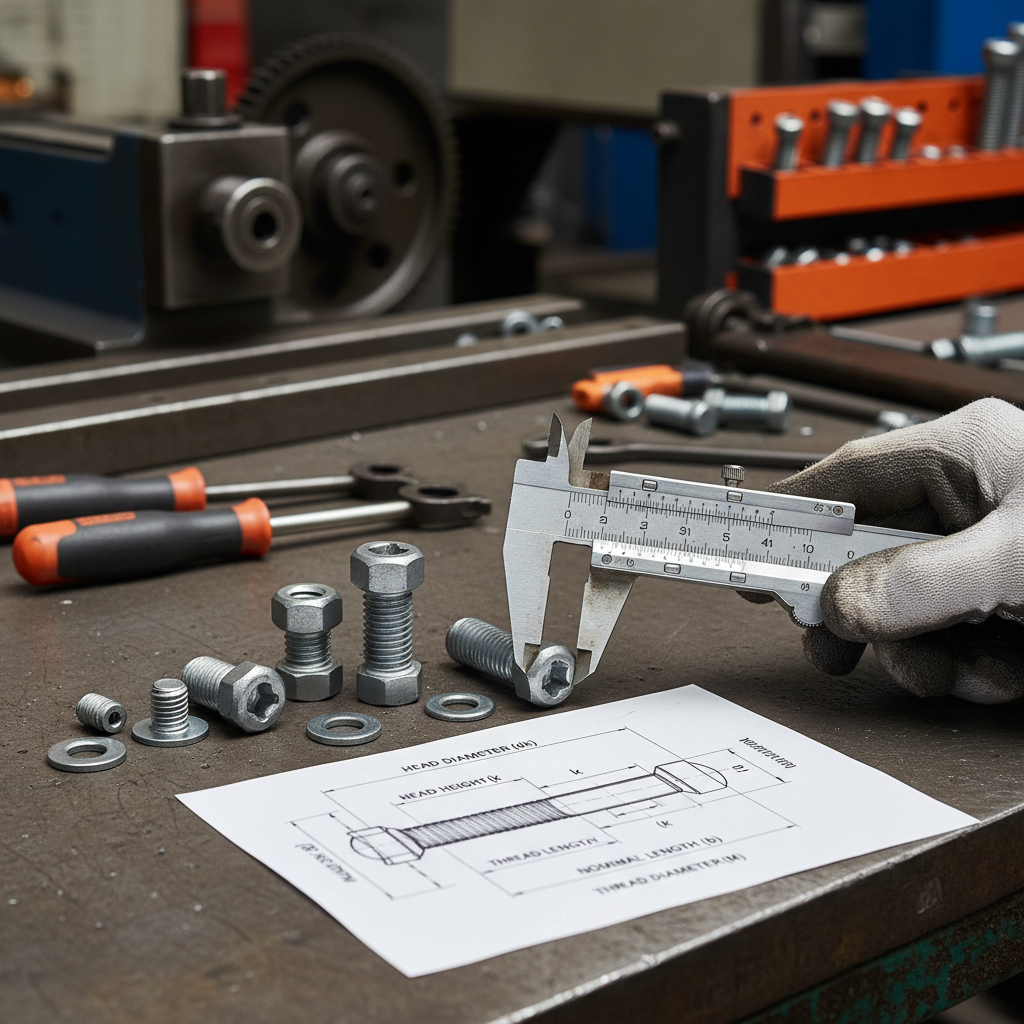
Comprehensive Guide to Button Head Socket Screw Dimensions and Selection
When specifying fasteners for your projects, accurate button head socket screw dimensions are critical for ensuring a secure and reliable assembly. These screws offer a sleek, low-profile head, making them ideal for applications where aesthetics and space are concerns. This article will delve into the key dimensions of button head socket screws, covering standards, measurement methods, and considerations for selecting the right screw for your needs. Proper understanding of these dimensions prevents compatibility issues and ensures optimal performance. Several dimensions define a button head socket screw. The most important include the diameter (d), length (L), head diameter (dk), and the drive type/size. Diameter refers to the screw's core thickness, typically measured in millimeters. Length is the measurement from under the head to the tip of the screw. The head diameter influences the bearing surface and aesthetic appearance.
-
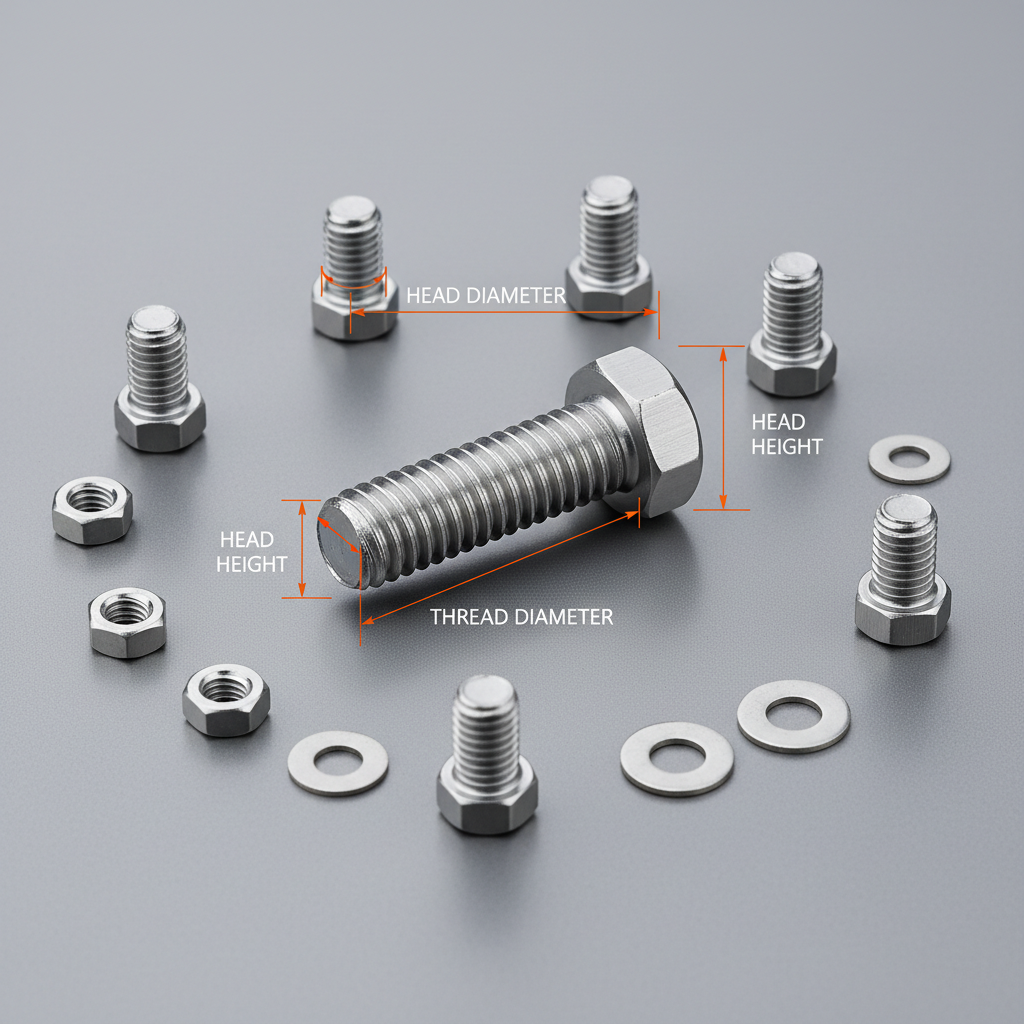
Comprehensive Guide to Button Head Socket Cap Screw Dimensions and Specifications
When selecting fasteners for your projects, understanding button head socket cap screw dimensions is crucial for ensuring a secure and reliable assembly. These screws offer a sleek, low-profile appearance combined with the strength and convenience of a socket drive. This article will delve into the key dimensions, standards, and applications of button head socket cap screws, providing a comprehensive guide for engineers, designers, and procurement professionals. Accurate dimension understanding leads to optimal performance and prevents costly errors. Button head socket cap screws are defined by several critical dimensions. The diameter (d) refers to the screw's thread size, while the length (L) is measured from under the head to the tip of the screw. The head diameter (dk) and head height (k) determine the footprint and profile of the button head. The socket drive size (ds) dictates the wrench or driver required for installation. Understanding these dimensions is essential for proper fit and function in your application.
-
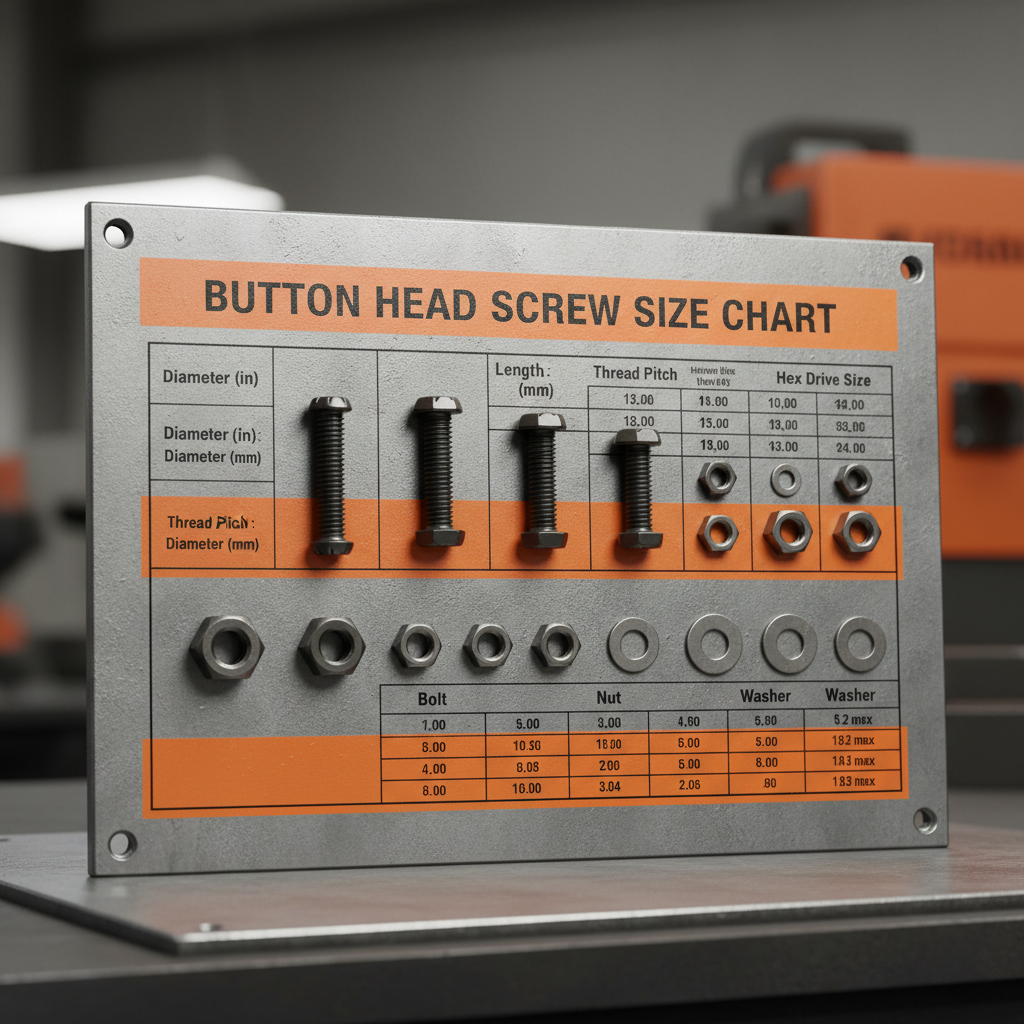
Comprehensive Button Head Screw Size Chart for Accurate Fastener Selection
Understanding button head screw sizes is crucial for successful assembly in various industries. Choosing the correct size ensures proper clamping force, structural integrity, and a professional finish. This guide provides a detailed button head screw size chart, covering common diameters, lengths, and thread pitches. Whether you're a DIY enthusiast or a professional engineer, this information will help you select the right fasteners for your project. Ignoring the correct size can lead to stripped threads, weakened connections, and ultimately, project failure. Button head screws, known for their low-profile, rounded heads, are commonly used in applications where aesthetics and space constraints are important. The key dimensions to consider are the diameter (major diameter), length, and thread pitch. The diameter refers to the width of the screw’s threads. Length is measured from the underside of the head to the tip of the screw. Thread pitch defines the distance between adjacent threads.
-
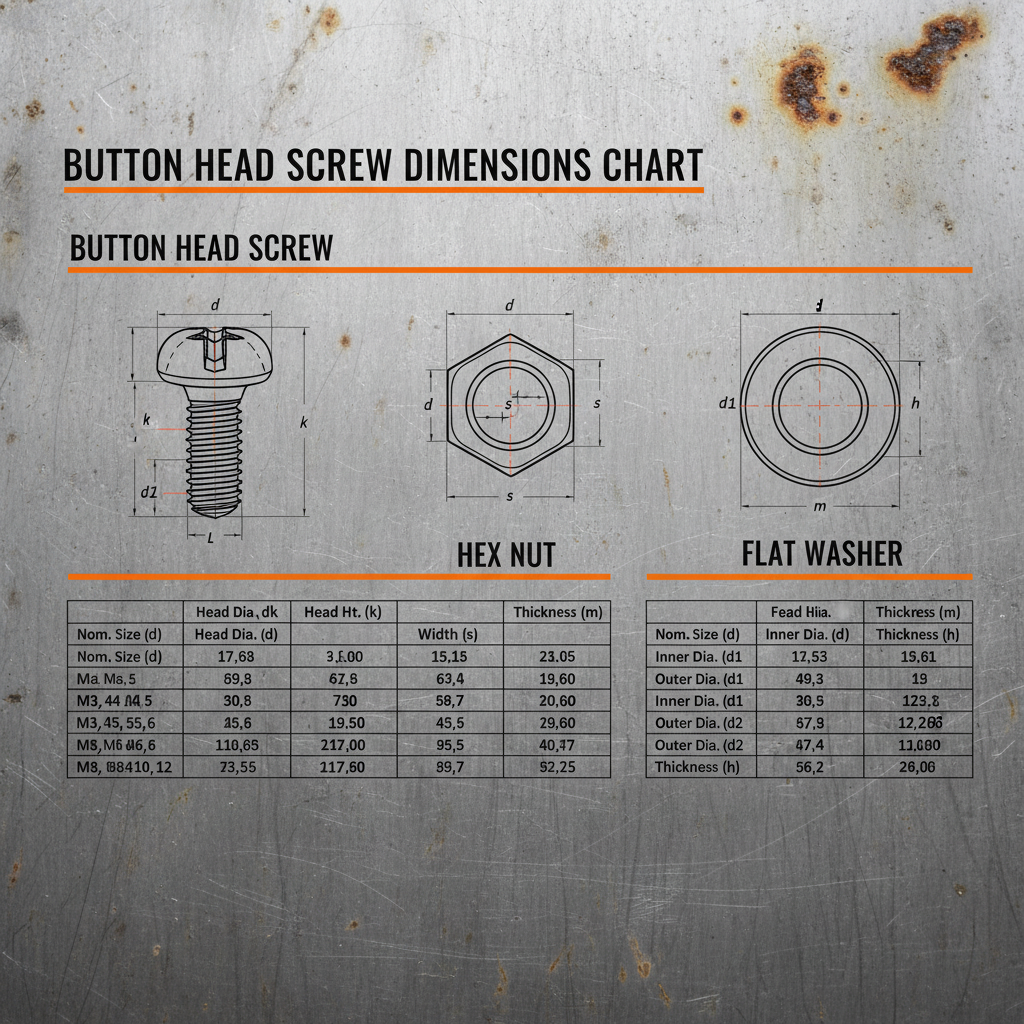
Comprehensive Button Head Screw Dimensions Chart for Engineering Projects
Understanding button head screw dimensions is crucial for any engineering, manufacturing, or assembly project. These screws, known for their low profile and smooth head, offer a clean finish and are widely used across various industries. This article provides a detailed guide to button head screw dimensions, standards, and applications, ensuring you choose the right screw for your specific needs. We'll cover everything from diameter and length to thread pitch and head height, providing clarity for both beginners and experienced professionals. Button head screws are a type of machine screw characterized by their cylindrical head with a low profile and a flat top. This design provides a clean, aesthetically pleasing appearance, making them ideal for applications where visibility is important. They are commonly manufactured from stainless steel, carbon steel, and other corrosion-resistant materials, offering versatility for diverse environments. These screws are typically used in applications like automotive assembly, electronics, and general machinery, where a flush or low-profile finish is desired.
-
Comprehensive Button Head Cap Screw Size Chart Guide for Optimal Fastening
Understanding button head cap screw size charts is crucial for successful assembly in various industries. Choosing the correct size and specifications ensures optimal performance, preventing issues like stripping, loosening, or structural failure. This article provides a detailed overview of button head cap screw sizing, standards, and how to interpret charts effectively. Whether you’re a seasoned engineer or a DIY enthusiast, this guide will equip you with the knowledge to select the right fasteners for your projects. Before diving into size charts, it's important to understand the key terminology associated with button head cap screws. Diameter refers to the screw's outer thread size (e.g., M6, M8, 1/4 inch). Pitch indicates the distance between threads. Length is measured from the underside of the head to the tip of the screw. The head type (button head) provides a low-profile, smooth appearance. Understanding these terms is fundamental to correctly interpreting any button head cap screw size chart. Different materials, like stainless steel, carbon steel, and alloy steel, also impact the screw’s strength and corrosion resistance, so consider the application environment.
-
Comprehensive Guide to Button Head Cap Screw Dimensions Metric and Standards
Button head cap screws are a versatile fastener commonly used in a wide range of applications, from machinery assembly to automotive manufacturing. Understanding their dimensions metric is crucial for ensuring proper fit, function, and compatibility within your projects. This article will provide a comprehensive overview of button head cap screw dimensions, standards, and considerations for selecting the right screw for your needs. Choosing the correct screw can optimize performance and prevent costly errors. We will explore common metric sizes, materials, and how to interpret dimension specifications. Button head cap screws are characterized by their low-profile, dome-shaped head, which offers a clean and aesthetically pleasing appearance. This head style also provides increased clearance in tight spaces compared to other screw types. They are typically used in applications where a flush or semi-flush finish is desired. The screws are fully threaded, meaning threads run the entire length of the shank.
Who We Are: The Right Fastener Partner for Global SMEs
Handan Boen Fastener Manufacturing Co., Ltd. (Est. 2010) specializes in producing standardized industrial fasteners, including bolts, nuts, washers, and other essential components. We provide cost-effective for small and medium-sized buyers in industries such as automotive parts, agricultural machinery, and construction.