Comprehensive Guide to Button Head Socket Cap Screw Dimensions and Specifications
Understanding Button Head Socket Cap Screw Dimensions
When selecting fasteners for your projects, understanding button head socket cap screw dimensions is crucial for ensuring a secure and reliable assembly. These screws offer a sleek, low-profile appearance combined with the strength and convenience of a socket drive. This article will delve into the key dimensions, standards, and applications of button head socket cap screws, providing a comprehensive guide for engineers, designers, and procurement professionals. Accurate dimension understanding leads to optimal performance and prevents costly errors.
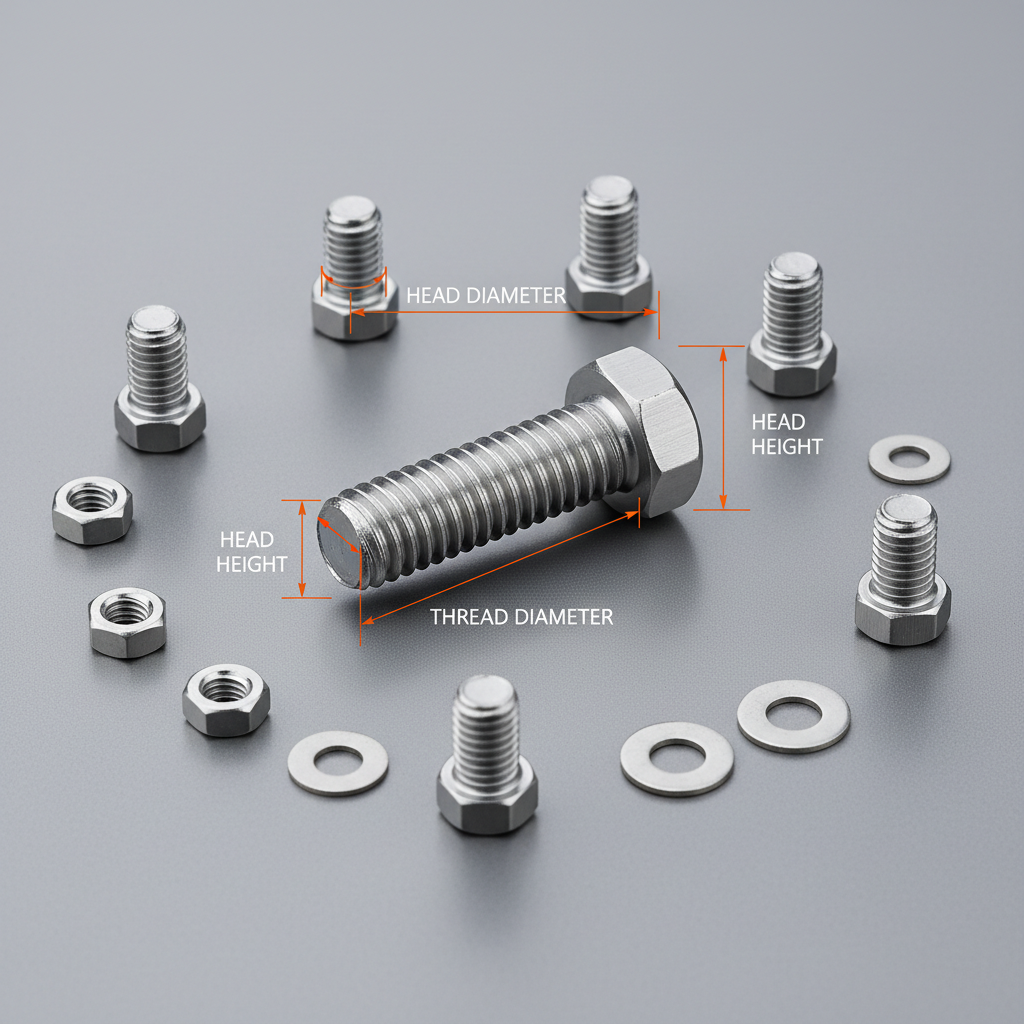
Key Dimensions of Button Head Socket Cap Screws
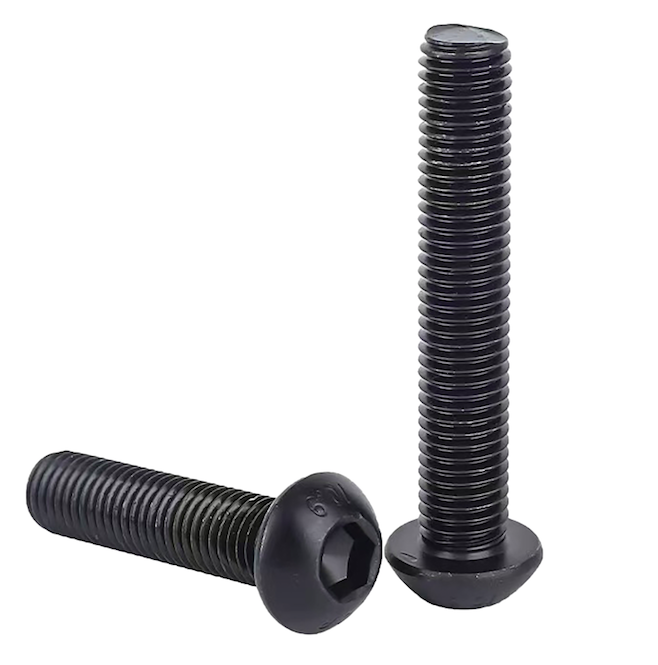
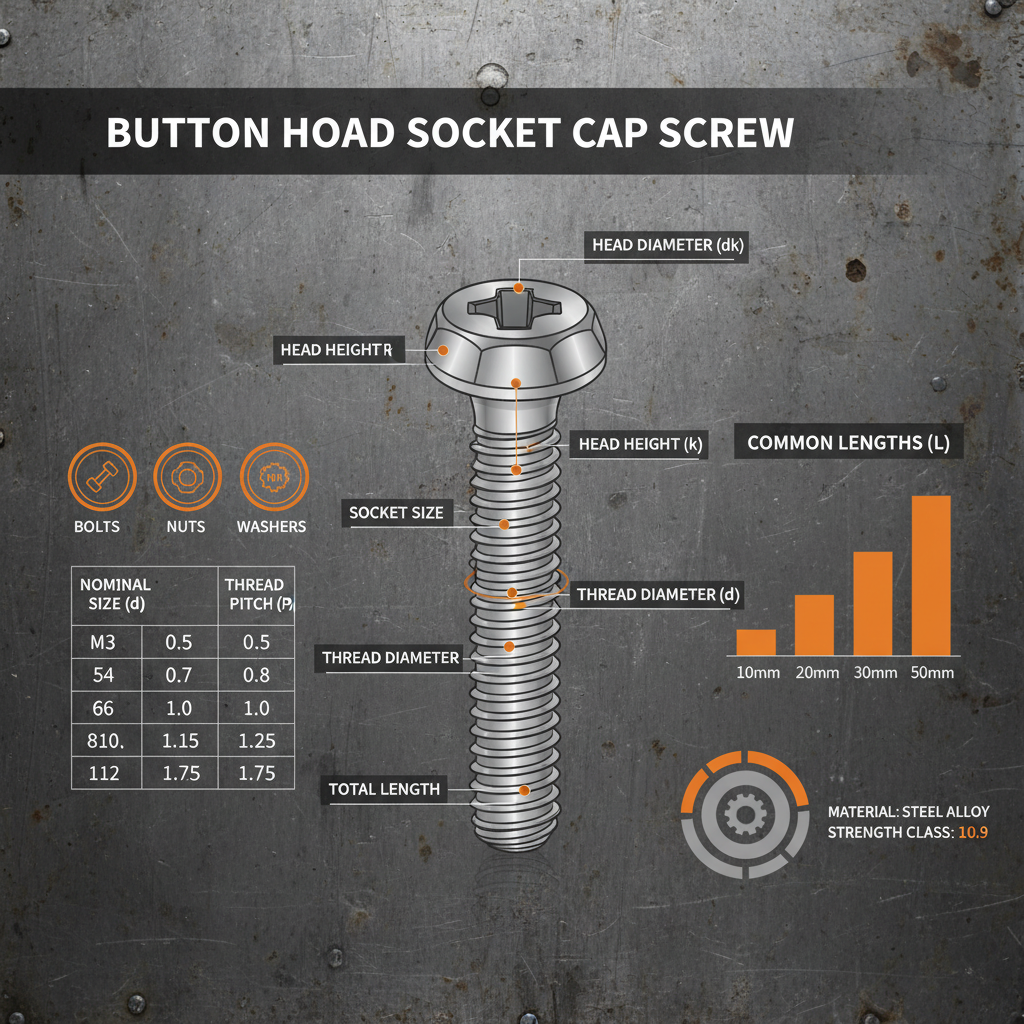
Button head socket cap screws are defined by several critical dimensions. The diameter (d) refers to the screw's thread size, while the length (L) is measured from under the head to the tip of the screw. The head diameter (dk) and head height (k) determine the footprint and profile of the button head. The socket drive size (ds) dictates the wrench or driver required for installation. Understanding these dimensions is essential for proper fit and function in your application. Fastenboen offers a wide range of sizes to suit diverse needs.
Standards and Tolerances
Button head socket cap screws are commonly manufactured to standards like ISO 7380, DIN 912, and ANSI/ASME B18.3. These standards define the permissible tolerances for each dimension, ensuring interchangeability and consistent quality. The choice of standard often depends on the application and geographical region. Material grade is also crucial, with common options including stainless steel (A2, A4) and carbon steel with various coatings (zinc, black oxide). Adhering to these standards guarantees the fastener's reliability and safety in critical applications. Fastenboen provides fasteners compliant with all major international standards.
Thread Types and Pitches
The thread type, typically metric (ISO metric) or imperial (UNC, UNF), determines the compatibility with mating components. The pitch, measured as the distance between adjacent thread crests, is crucial for ensuring proper engagement and clamping force. Fine pitches offer greater clamping force but require tighter tolerances, while coarse pitches are more forgiving. Selecting the appropriate thread type and pitch is vital for preventing stripping or loosening of the fastener. Common metric pitches include 0.5mm, 0.75mm, 1.0mm, and 1.5mm. Fastenboen stocks screws with a wide range of thread options.
Button Head Socket Cap Screw Dimensions Chart
Here’s a sample chart illustrating typical dimensions for M3 to M8 button head socket cap screws. Note that actual dimensions may vary slightly depending on the manufacturer and standard used.
Applications and Material Selection
Button head socket cap screws find applications in numerous industries, including automotive, aerospace, machinery, and electronics. Their low-profile head is ideal for applications where space is limited. Material selection depends on the environment and load requirements. Stainless steel provides excellent corrosion resistance for outdoor or marine applications, while carbon steel offers high strength for demanding mechanical loads. For example, in automotive applications, grade 8.8 or 10.9 carbon steel screws are commonly used.
Conclusion: Choosing the Right Button Head Socket Cap Screw
Selecting the correct button head socket cap screw dimensions is crucial for ensuring the integrity and longevity of your assembly. By carefully considering the diameter, length, thread type, and material grade, you can optimize performance and prevent failures. Fastenboen provides a comprehensive selection of high-quality fasteners and expert guidance to help you make the right choice.
Frequently Asked Questions (FAQs)
What is the difference between a button head and a pan head socket cap screw?
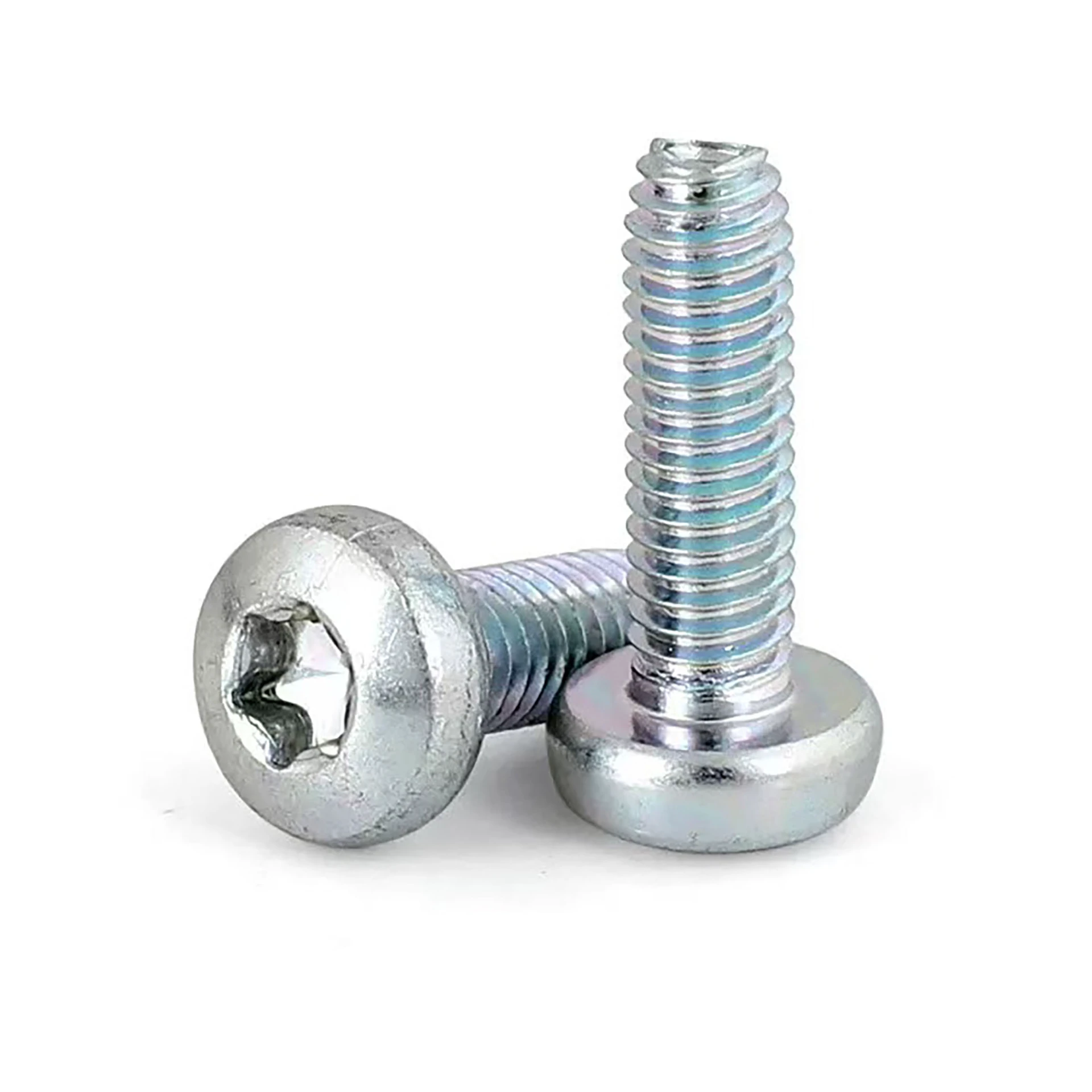
Both button head and pan head socket cap screws offer a low-profile design, but they differ in shape. Button head screws have a slightly rounded, cylindrical head, while pan head screws have a more domed or hemispherical shape. Button heads are generally preferred for aesthetic reasons or when a lower profile is required. Pan heads provide a larger bearing surface, which can be advantageous in softer materials. The head height is also typically lower for a button head compared to a pan head of the same diameter.
What torque should I use when tightening button head socket cap screws?
The appropriate torque depends on several factors, including the screw size, material, and thread pitch. Generally, torque specifications can be found in engineering manuals or fastener catalogs. Using a torque wrench is highly recommended to avoid over-tightening, which can strip the threads, or under-tightening, which can lead to loosening. As a general guideline, lower grades of screws require lower torque values. It is crucial to consult the manufacturer's recommendations for specific applications.
Can button head socket cap screws be used in aluminum?
Yes, button head socket cap screws can be used in aluminum, but it's essential to select the correct material and consider potential galvanic corrosion. Stainless steel screws are often used with aluminum, but it's recommended to use a lubricant or anti-seize compound to prevent galling. Using a self-tapping screw designed for aluminum can also simplify installation and improve thread engagement. Careful consideration of the material compatibility is crucial for ensuring a reliable connection.
Where can I find reliable suppliers of button head socket cap screws?
Fastenboen is a trusted supplier of high-quality button head socket cap screws, offering a wide range of sizes, materials, and standards. We prioritize quality, reliability, and competitive pricing. Other reputable suppliers can be found through industry directories and online marketplaces, but always verify the supplier's certifications and quality control processes.
Who We Are: The Right Fastener Partner for Global SMEs
Handan Boen Fastener Manufacturing Co., Ltd. (Est. 2010) specializes in producing standardized industrial fasteners, including bolts, nuts, washers, and other essential components. We provide cost-effective for small and medium-sized buyers in industries such as automotive parts, agricultural machinery, and construction.