Comprehensive Guide to Flat Socket Cap Screw Dimensions and Selection
Understanding Flat Socket Cap Screw Dimensions
Flat socket cap screws are essential fasteners widely used in various industries, from automotive and aerospace to construction and machinery. Choosing the right screw requires a thorough understanding of its dimensions. These dimensions aren't just numbers; they dictate the screw's functionality, strength, and compatibility with other components. At Fastenboen, we specialize in providing high-quality fasteners, and this guide will delve into the crucial aspects of flat socket cap screw dimensions, ensuring you select the optimal screw for your application. This knowledge will empower you to make informed decisions, reducing risks and improving the efficiency of your projects.
Key Dimensions of Flat Socket Cap Screws
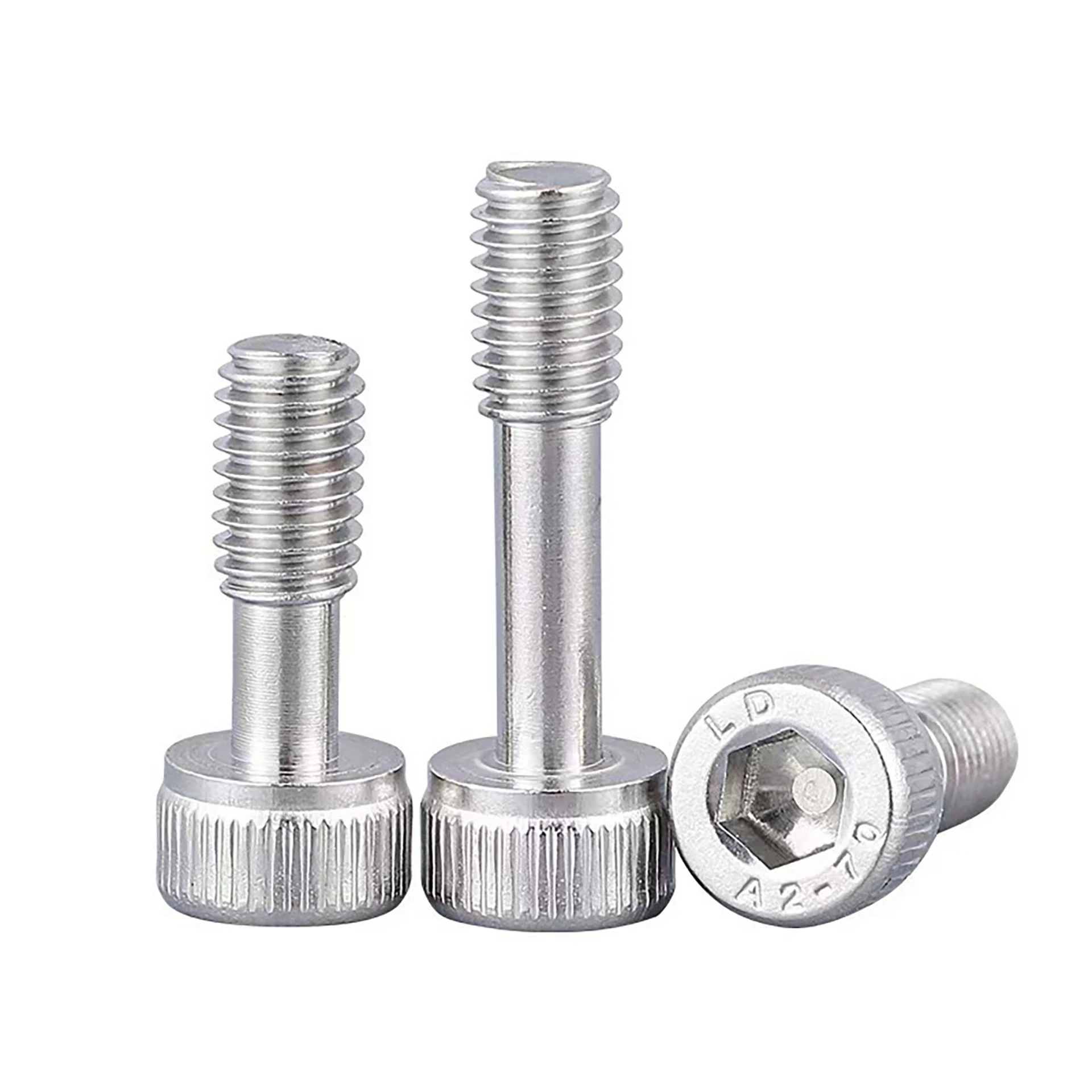
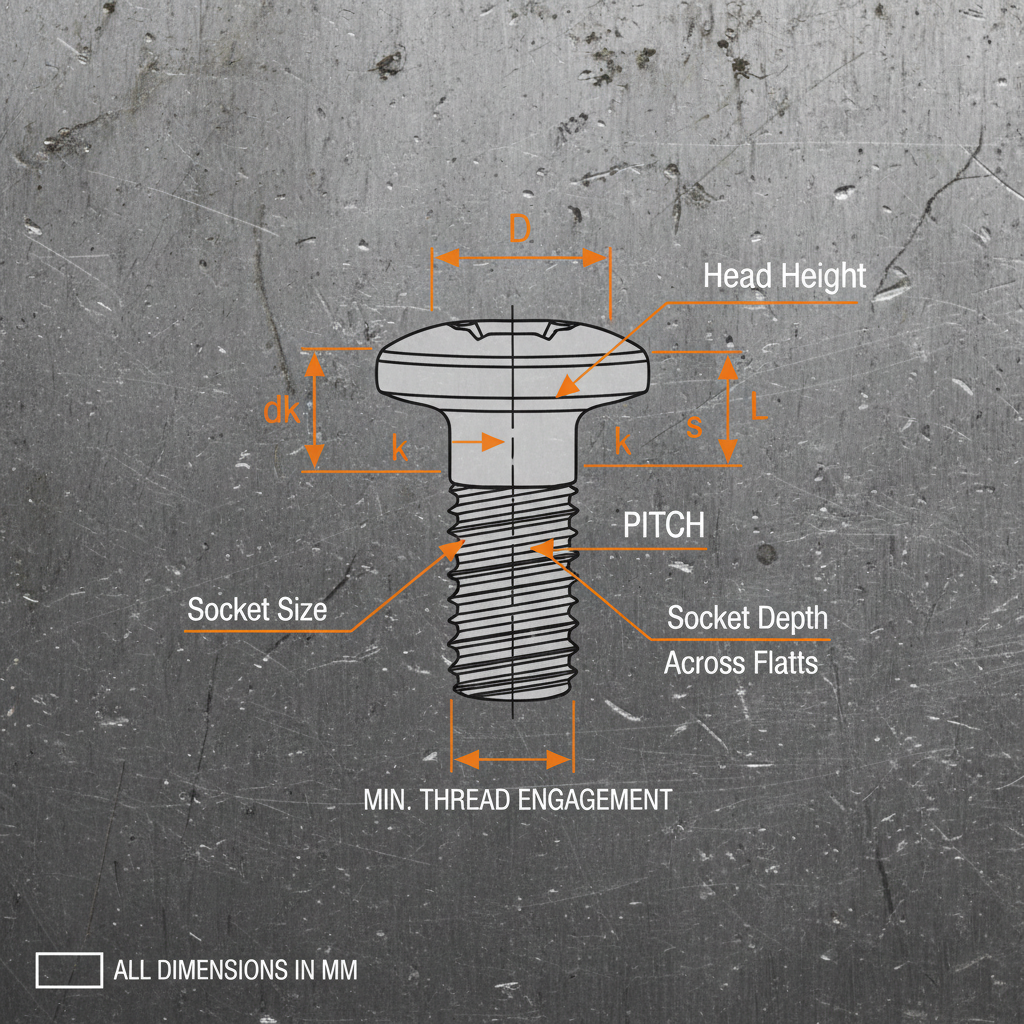
Several key dimensions define a flat socket cap screw. These include the diameter (typically measured in inches or millimeters), the length (measured from under the head to the tip), the thread pitch (the distance between threads), and the socket drive size (the size of the Allen wrench or driver needed). The head type is also a crucial dimension, indicating the shape and bearing surface of the screw. Understanding these dimensions is fundamental to selecting the right screw for a particular application, ensuring a secure and reliable connection.
Important Note: Precise measurements are crucial. Using incorrect dimensions can lead to stripped threads, weakened connections, and potential failures. Always consult dimension charts and specifications.
A Detailed Look at Diameter and Length
The diameter of a flat socket cap screw is usually specified as a nominal size (e.g., M6, M8, 1/4 inch). The actual diameter may vary slightly based on tolerances. Length is measured from the underside of the head to the tip of the screw and is critical for ensuring proper clamping force and preventing interference with other components. It is common practice to select a screw length that allows at least half the screw's diameter to extend beyond the nut or tapped hole to ensure a strong connection. At Fastenboen, we offer a wide range of diameters and lengths to meet diverse requirements.
Diameter and Length Considerations:
• Choose the diameter based on the required tensile strength.
• Select a length that provides adequate thread engagement and clamping force.
• Consider any potential clearance issues.
Understanding Thread Pitch and Socket Size
Thread pitch, measured as threads per inch (TPI) for imperial screws or in millimeters (e.g., 1.0mm, 1.25mm) for metric screws, determines how tightly the screw will grip. A finer pitch provides a stronger grip but can be more prone to stripping if over-tightened. The socket size corresponds to the Allen wrench or driver required to install and tighten the screw. Using the correct socket size is paramount to prevent damage to the screw head. A mismatch can lead to rounding off the corners of the socket, rendering the screw unusable.
Material and Standards Compliance
Flat socket cap screws are commonly manufactured from materials like stainless steel, carbon steel, and alloy steel. The choice of material depends on the application's requirements for corrosion resistance, strength, and temperature resistance. Furthermore, these screws adhere to various standards, such as ISO, DIN, and ANSI, ensuring quality and interchangeability. At Fastenboen, we provide screws compliant with these standards, ensuring reliable performance.
Conclusion: Selecting the Right Flat Socket Cap Screw
Mastering Flat Socket Cap Screw Dimensions
Understanding flat socket cap screw dimensions is vital for any engineering project. By carefully considering diameter, length, thread pitch, socket size, material, and standards compliance, you can ensure a secure, reliable, and long-lasting connection. Fastenboen is committed to providing high-quality fasteners and expert advice to help you succeed.
Frequently Asked Questions (FAQs)
What does ‘M8 x 25’ mean when specifying a screw?
'M8 x 25' refers to a metric screw with an 8mm diameter and a length of 25mm. The 'M' indicates it’s a metric thread. Understanding this notation is crucial for ordering the correct screws. Using the wrong size can lead to assembly issues and structural weaknesses. Always double-check the specifications and ensure they match your requirements. At Fastenboen, we can help clarify any uncertainties about screw specifications.
What is the difference between a coarse and fine thread?
A coarse thread has fewer threads per inch (TPI) or millimeter pitch, while a fine thread has more. Coarse threads are generally stronger and faster to install, making them suitable for softer materials or applications where speed is critical. Fine threads offer greater precision and resistance to loosening, ideal for applications requiring high accuracy or vibration resistance. The choice depends on the specific application and material being fastened.
How do I determine the correct screw length?
To determine the correct screw length, consider the thickness of the materials being joined, the depth of the threaded hole, and the desired amount of thread engagement. A general rule of thumb is to have at least half the screw's diameter extending beyond the nut or tapped hole. However, this can vary depending on the application and material properties. It is always best to measure accurately and allow for some tolerance.
What material should I choose for corrosion resistance?
For applications requiring corrosion resistance, stainless steel (such as 304 or 316) is the preferred choice. Stainless steel offers excellent resistance to rust and corrosion in various environments. Other options include galvanized steel, which provides a protective zinc coating. The specific grade of stainless steel should be selected based on the severity of the corrosive environment.
Who We Are: The Right Fastener Partner for Global SMEs
Handan Boen Fastener Manufacturing Co., Ltd. (Est. 2010) specializes in producing standardized industrial fasteners, including bolts, nuts, washers, and other essential components. We provide cost-effective for small and medium-sized buyers in industries such as automotive parts, agricultural machinery, and construction.