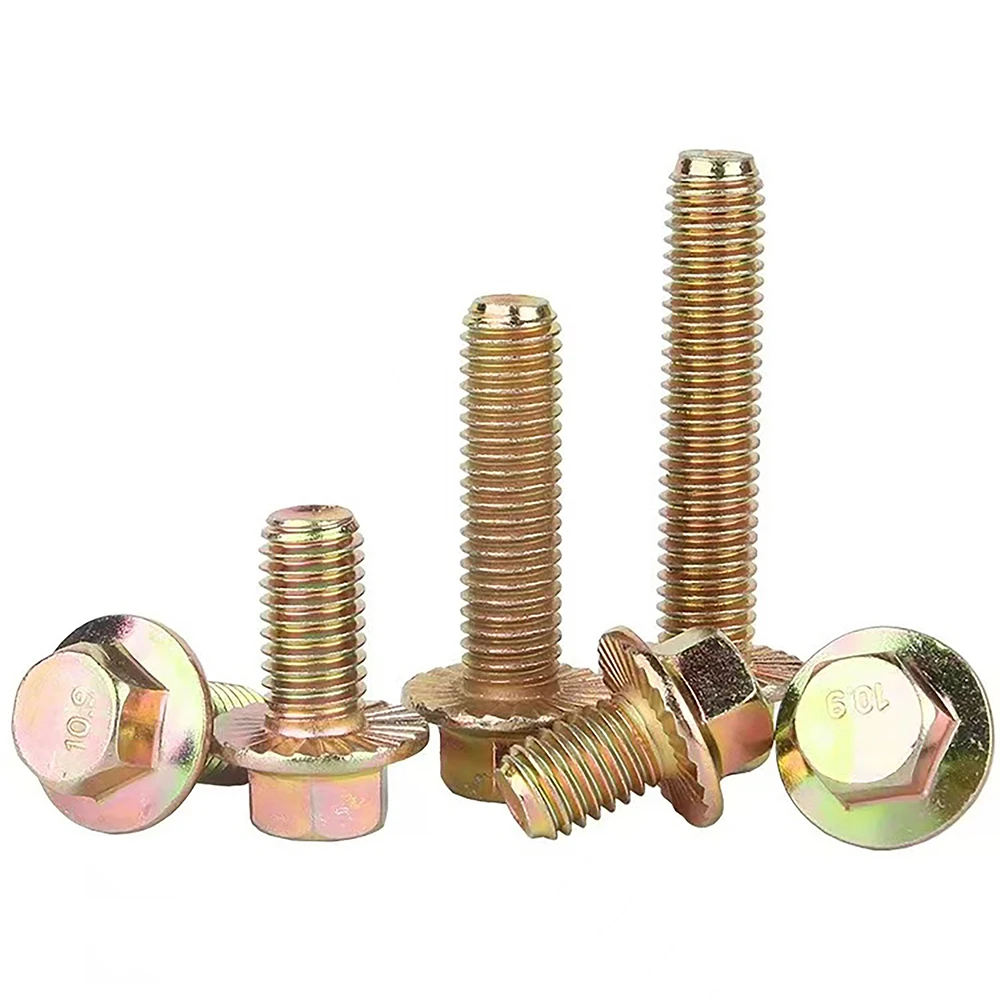
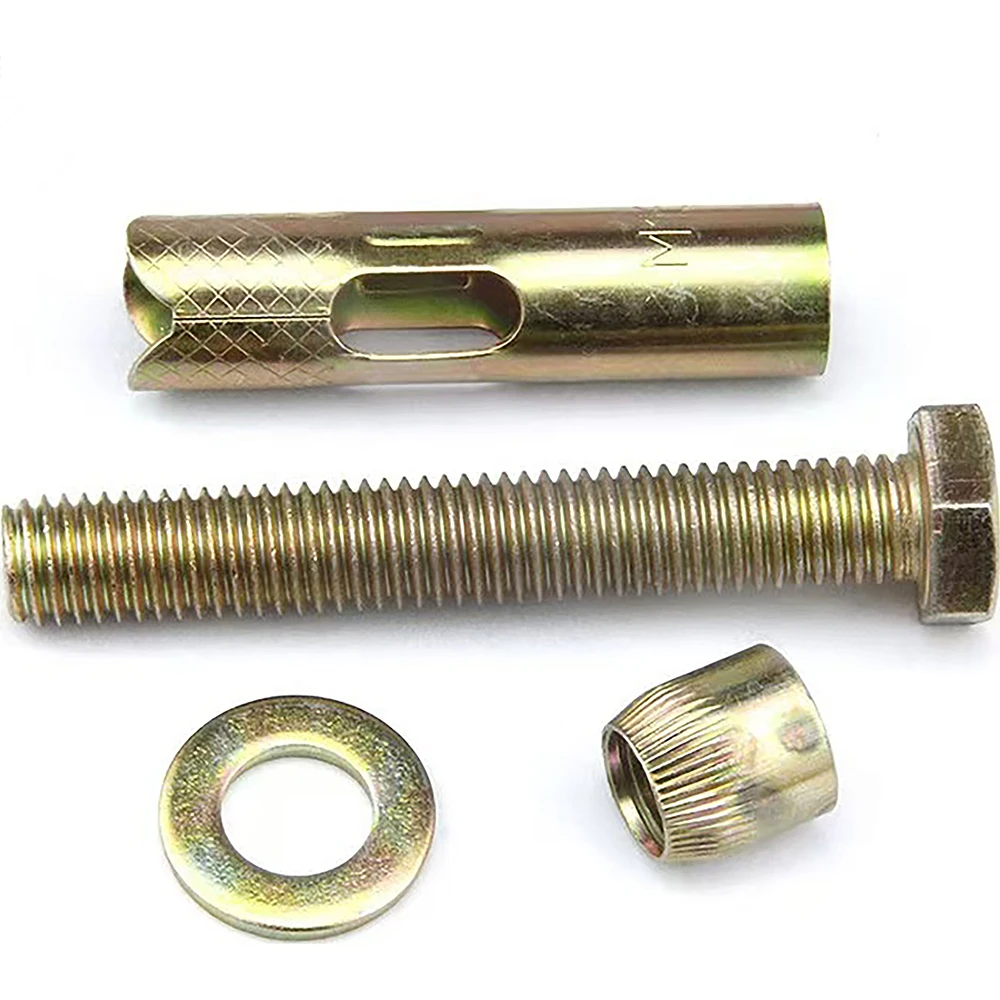
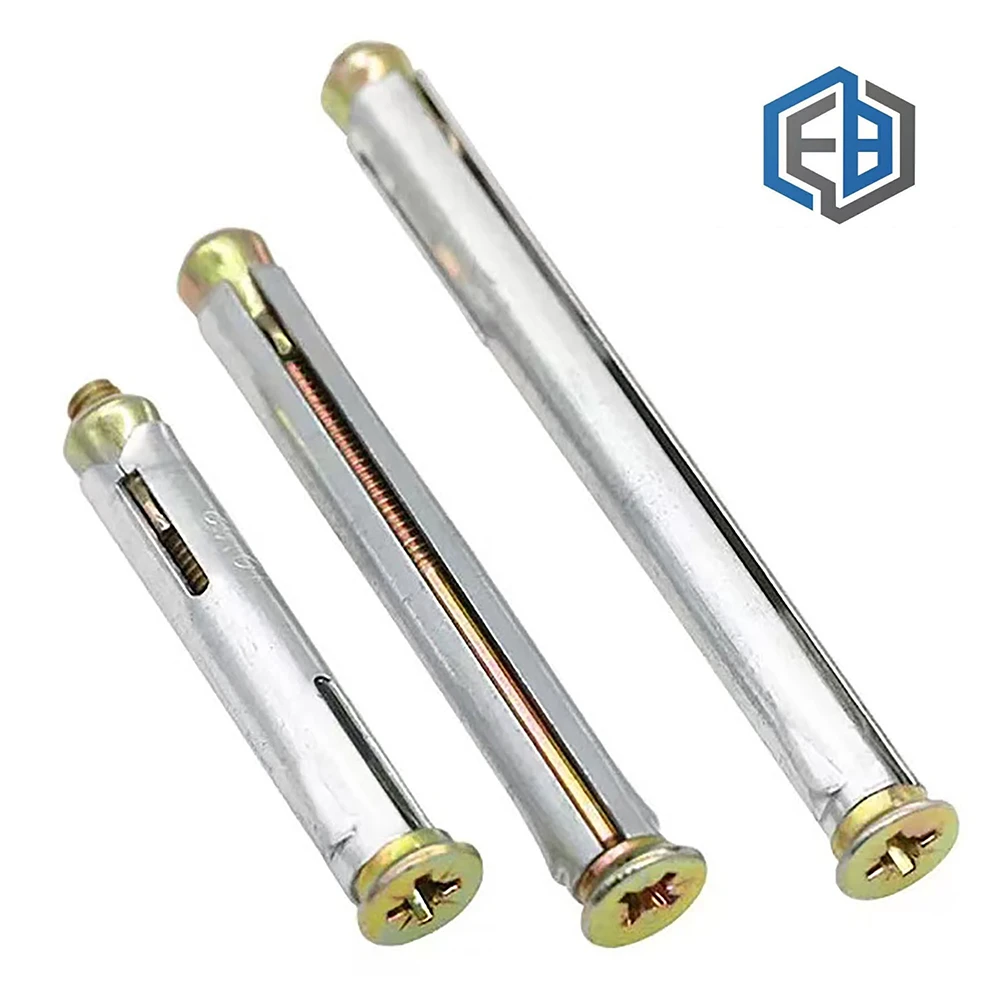
Detailed Flat Head Cap Screw Size Chart Guide for Optimal Fastening
Flat Head Cap Screw Size Chart: A Comprehensive Guide
Understanding flat head cap screw sizes is crucial for successful assembly in countless applications, from automotive to machinery. This guide will provide a detailed overview of flat head cap screw dimensions, standards, and how to choose the right size for your project. Accurate sizing ensures proper clamping force, prevents damage to components, and maintains the integrity of your assembly. Whether you’re a seasoned engineer or a DIY enthusiast, this comprehensive resource will simplify the process of selecting the correct fasteners for your needs.
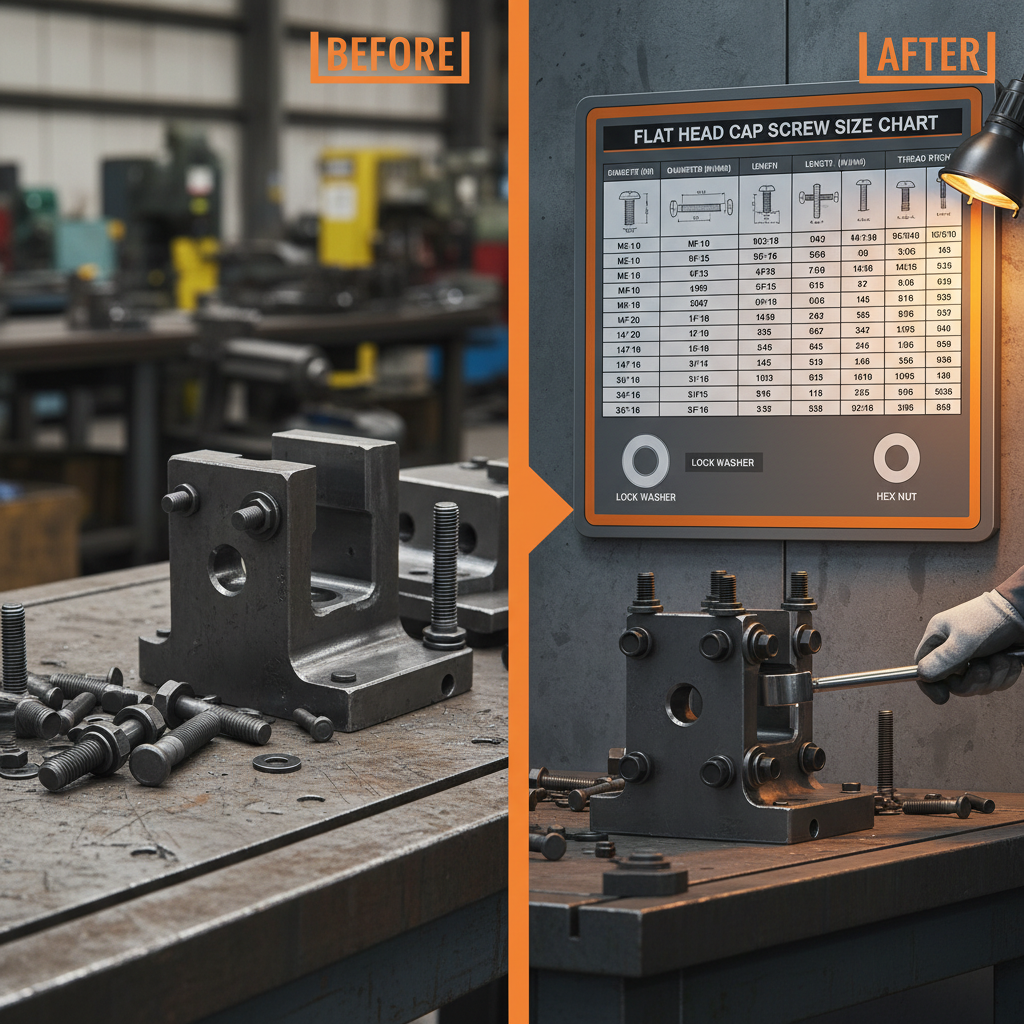
Understanding Flat Head Cap Screw Anatomy
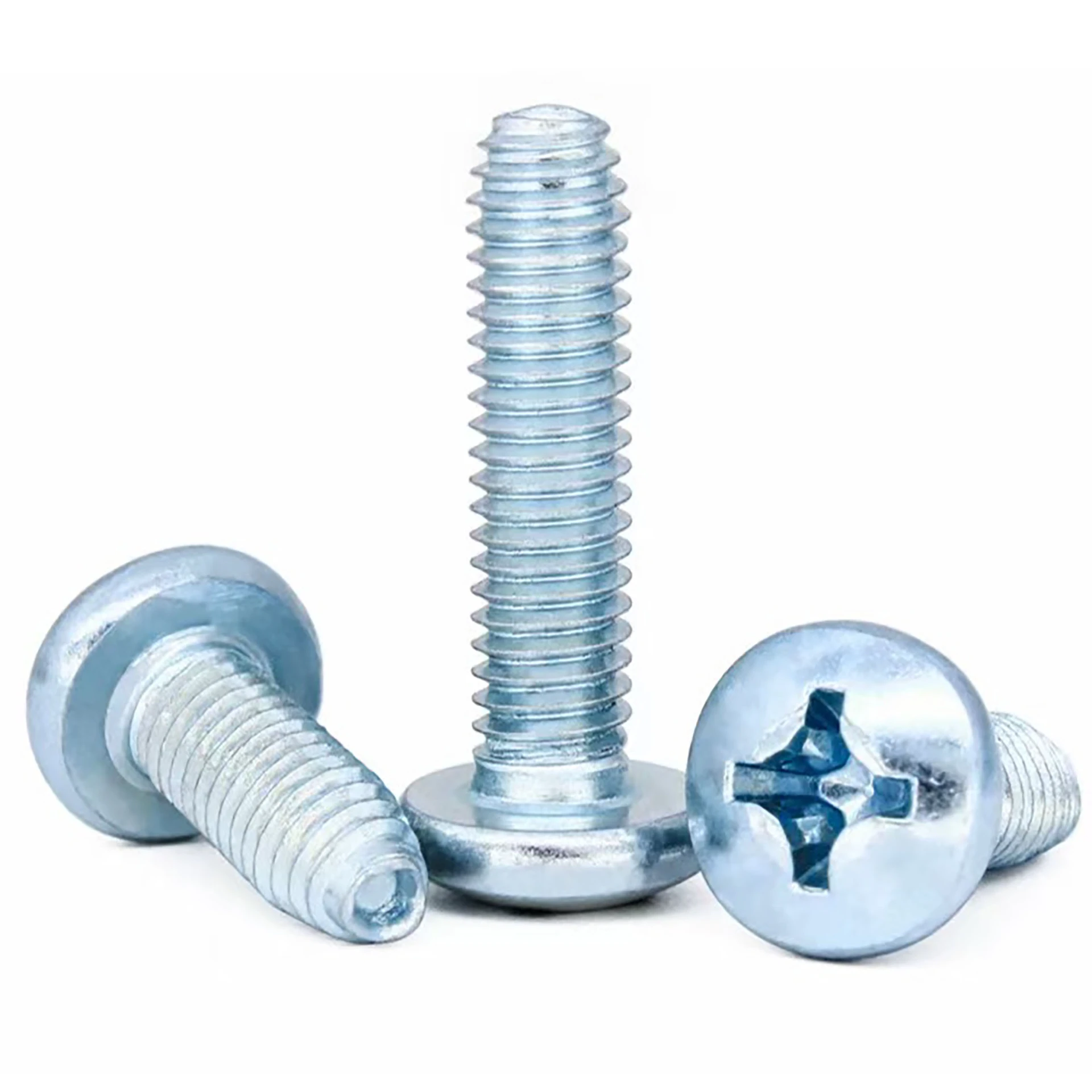
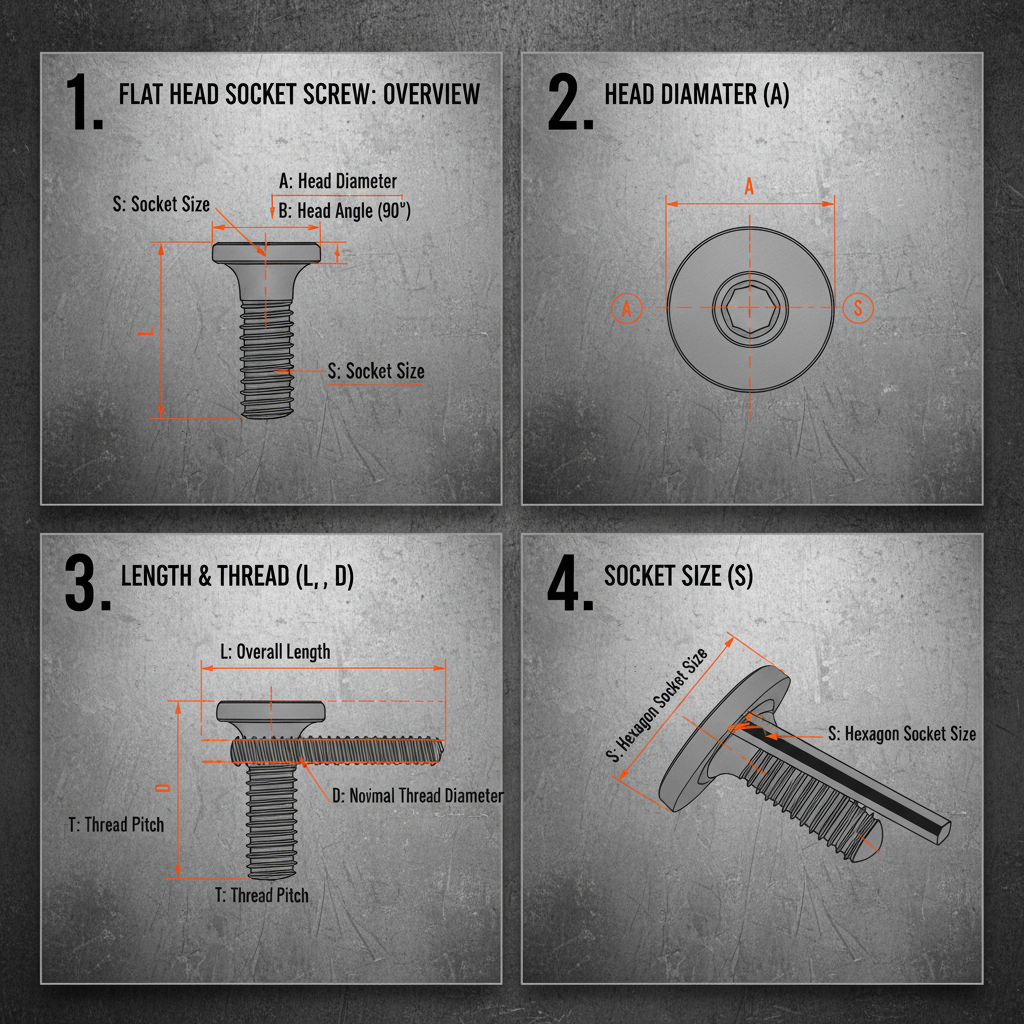
A flat head cap screw, also known as a button head screw, has a low-profile, dome-shaped head that sits flush with the surface of the material when fully tightened. This provides a clean, finished look and reduces the risk of interference with other components. The key dimensions to consider when selecting a flat head cap screw are the diameter (thread size), length, and head diameter. These dimensions are interconnected and must be carefully matched to the application requirements. Knowing these components ensures you choose the correct screw for your projects.
Key Dimensions: Diameter, Length, and Head Diameter are the most important factors in selecting the right screw.
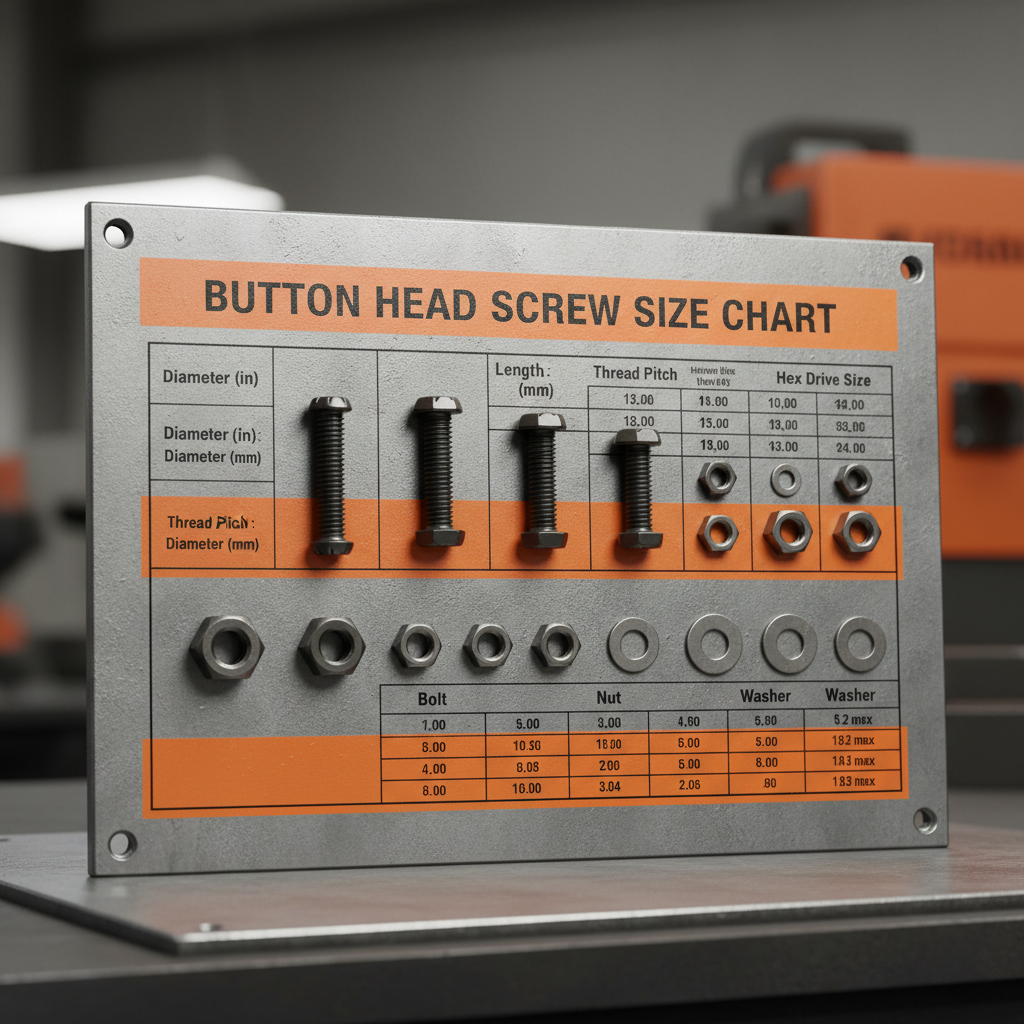
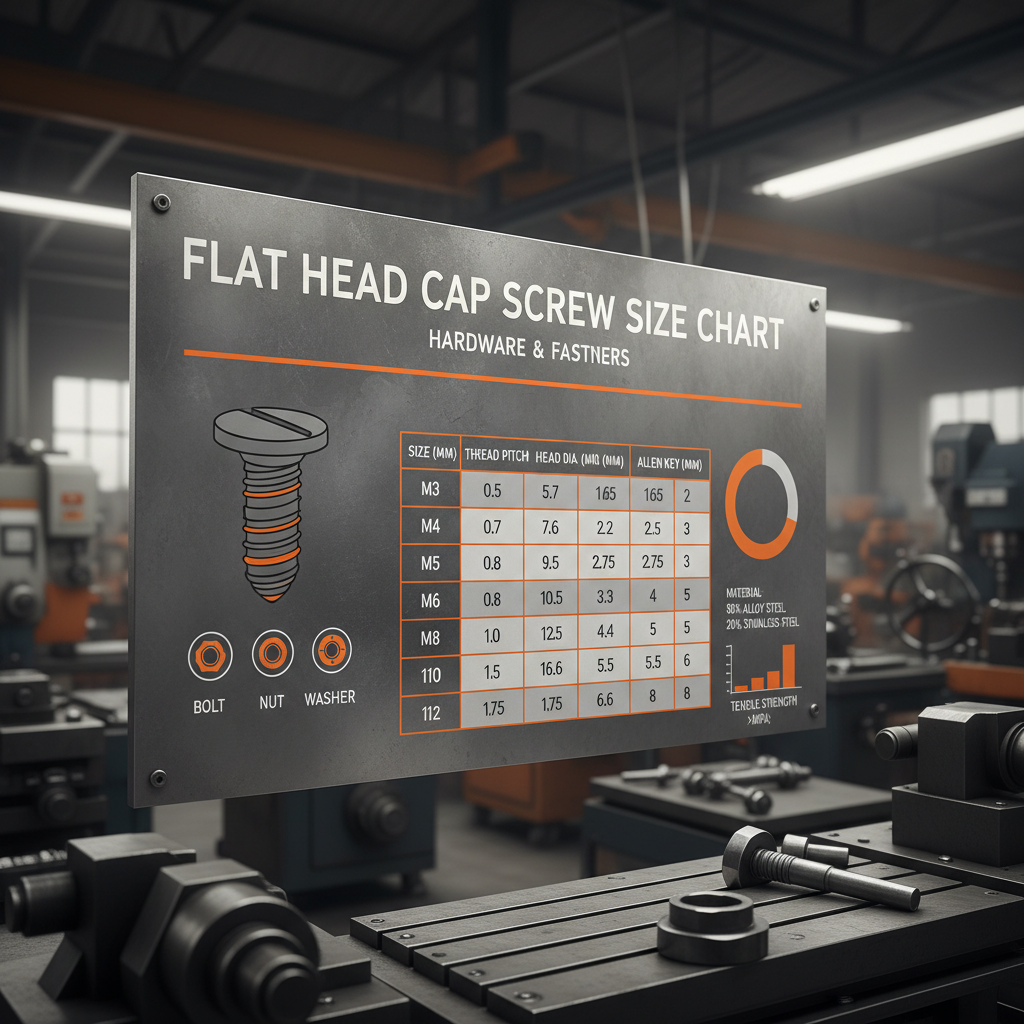
Flat Head Cap Screw Size Chart (Metric)
The following chart provides common metric sizes for flat head cap screws. It includes typical diameters, lengths, and approximate tensile strength. This chart serves as a quick reference guide for common sizes, but always consult detailed specifications for your specific application. Remember that tensile strength is a critical factor when determining the appropriate screw for load-bearing applications.
Metric vs. Imperial: Choosing the Right System
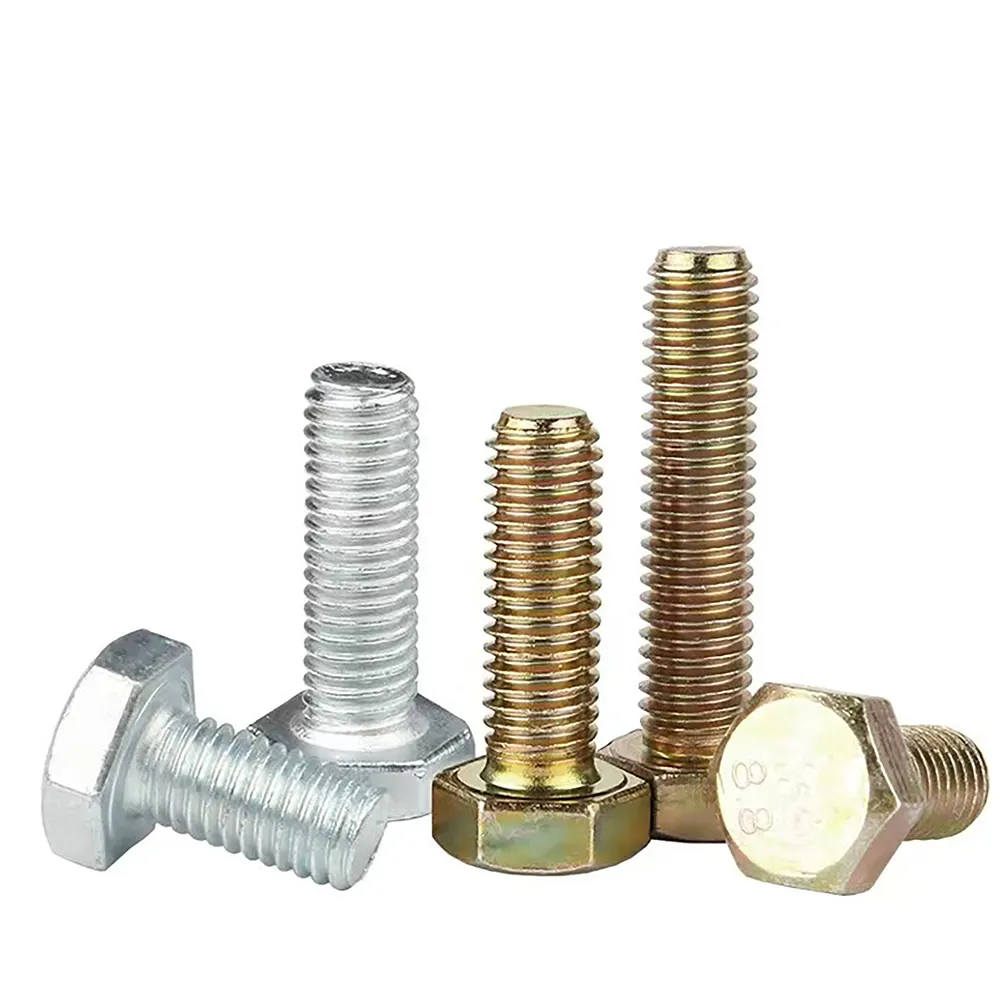
Flat head cap screws are available in both metric and imperial (inch) sizes. Metric fasteners are widely used internationally and offer a standardized system based on millimeters. Imperial fasteners, common in the United States and some other regions, use inches as the unit of measurement. Selecting the appropriate system depends on the design requirements and compatibility with existing components. Mixing metric and imperial fasteners is generally not recommended due to potential fit and strength issues. Fastenboen offers a comprehensive range of both metric and imperial flat head cap screws.
Key Differences:
• Metric: Millimeters, standardized internationally
• Imperial: Inches, common in the US
• Mixing systems is not recommended.
Material Considerations for Flat Head Cap Screws
The material of the flat head cap screw significantly impacts its strength, corrosion resistance, and suitability for different environments. Common materials include:
- Stainless Steel: Excellent corrosion resistance, ideal for outdoor or marine applications.
- Carbon Steel: High strength, often used in general-purpose applications.
- Alloy Steel: Enhanced strength and toughness, suitable for demanding applications.
Finding the Right Flat Head Cap Screws with Fastenboen
At Fastenboen, we offer a comprehensive selection of flat head cap screws in various sizes, materials, and finishes. Our experienced team can help you identify the correct fasteners for your specific application. We prioritize quality and reliability, ensuring our products meet the highest industry standards. Browse our online catalog or contact us today to discuss your fastening needs.
Conclusion: Ensuring Accurate Fastener Selection
Selecting the correct flat head cap screw size is crucial for the integrity and performance of your assemblies. By understanding the key dimensions, material considerations, and standards, you can confidently choose the right fasteners for your projects. Fastenboen is your trusted partner for high-quality fasteners and expert support.
Frequently Asked Questions (FAQs)
What does the length measurement of a flat head cap screw refer to?
The length measurement for a flat head cap screw is taken from the underside of the head to the tip of the screw. This is the total length that will be inserted into the material. It's important to consider the thickness of the materials being joined, as well as any necessary allowance for the screw to engage the threads properly. Using a screw that is too short will result in a weak connection, while a screw that is too long may protrude and create a safety hazard or interfere with other components.
How do I determine the correct thread size for my application?
The thread size, indicated by the 'M' followed by a number in metric screws (e.g., M6), refers to the diameter of the screw's threads. To determine the correct thread size, you need to match it to the internal threads of the hole you are fastening into. Using a thread gauge or consulting the specifications of the components you are joining is recommended. If you are unsure, it is always best to err on the side of a slightly larger thread size, as a smaller thread may strip the hole.
What is the significance of tensile strength in flat head cap screws?
Tensile strength refers to the maximum stress a material can withstand before breaking when subjected to a pulling force. A higher tensile strength indicates a stronger screw capable of withstanding greater loads. The required tensile strength depends on the application and the expected loads. For critical applications, it is essential to choose a screw with a tensile strength that exceeds the expected load. Fastenboen provides detailed specifications for the tensile strength of each fastener.
Are there different head styles available for cap screws?
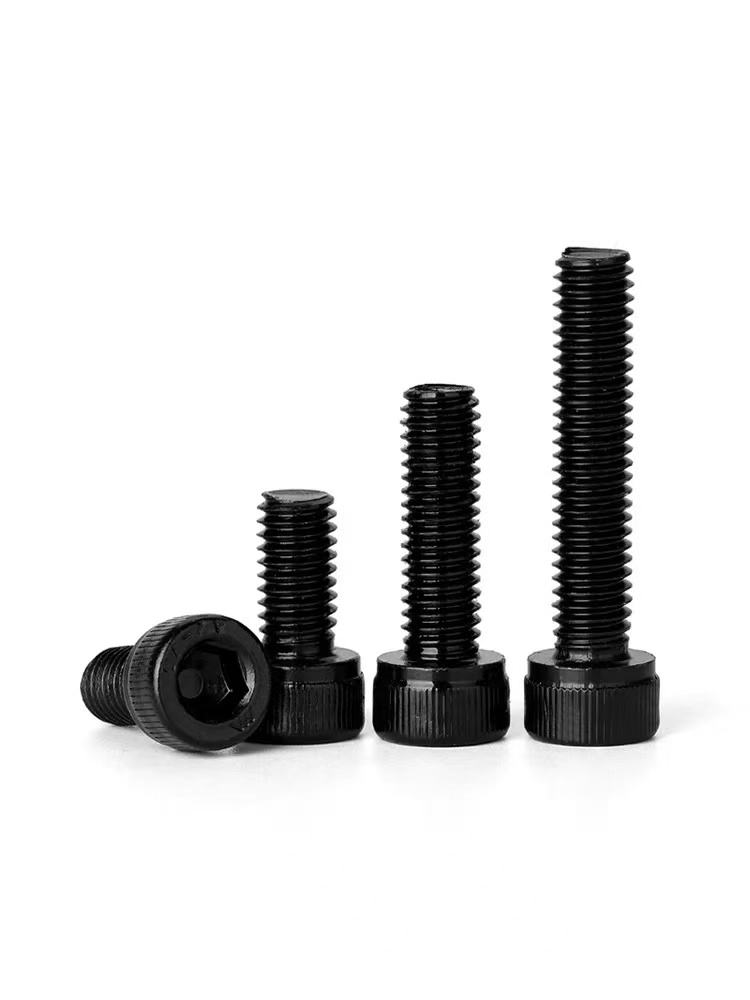
Yes, while this guide focuses on flat head cap screws, cap screws are available in various head styles, including round head, pan head, and socket head. Each head style offers unique advantages depending on the application. Flat heads are ideal for applications requiring a flush surface, while round heads provide a more decorative appearance. Socket head cap screws are commonly used in applications requiring high torque and access with an Allen wrench.
Who We Are: The Right Fastener Partner for Global SMEs
Handan Boen Fastener Manufacturing Co., Ltd. (Est. 2010) specializes in producing standardized industrial fasteners, including bolts, nuts, washers, and other essential components. We provide cost-effective for small and medium-sized buyers in industries such as automotive parts, agricultural machinery, and construction.