Comprehensive Guide to Flat Head Socket Cap Screw Dimensions Metric and Selection
Understanding Flat Head Socket Cap Screw Dimensions Metric
When sourcing fasteners for precision engineering, manufacturing, or assembly, understanding flat head socket cap screw dimensions metric is crucial. These screws offer a clean, flush finish and are commonly used in applications where aesthetics and functionality are equally important. This article provides a comprehensive guide to metric flat head socket cap screw dimensions, standards, materials, and best practices for selection. Accurate dimension knowledge ensures compatibility, optimal performance, and a secure, reliable fastening solution.
Key Dimensions of Metric Flat Head Socket Cap Screws
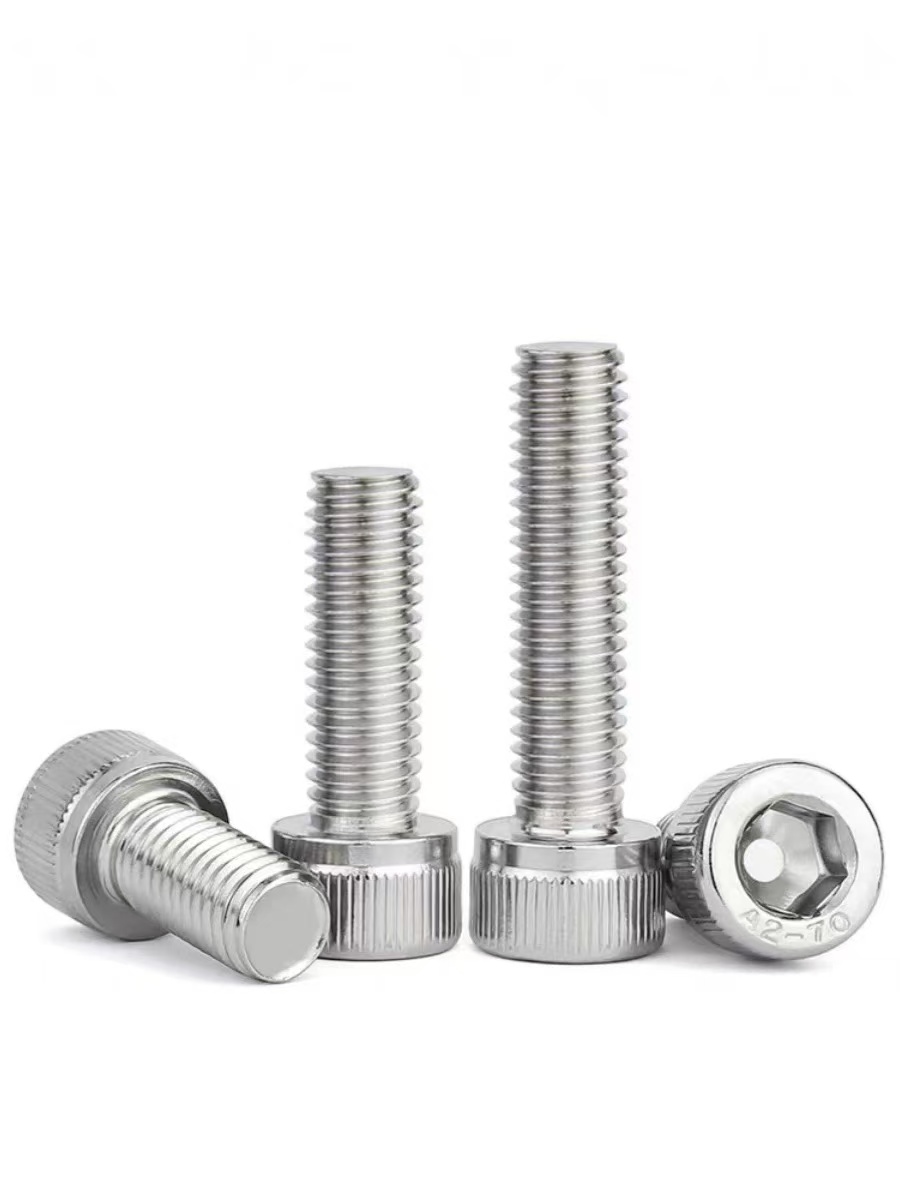
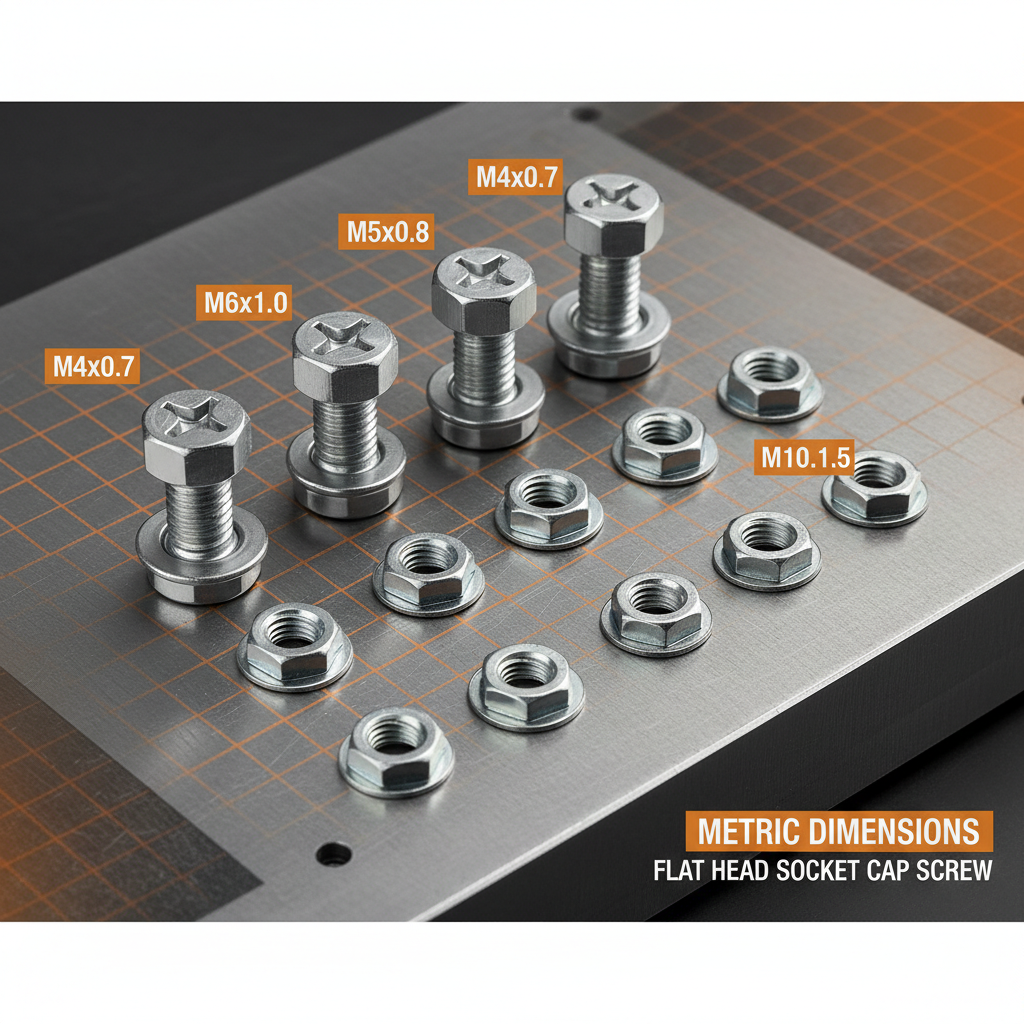
Metric flat head socket cap screws are defined by several key dimensions. These include the diameter (d), the pitch (p), the head diameter (dk), and the head height (k). Understanding these dimensions is essential for selecting the correct screw for a specific application. The diameter refers to the screw's body width. Pitch indicates the distance between threads. The head diameter impacts the surface area covered, while the head height determines how flush the screw will sit. Selecting the right combination is critical for structural integrity and a professional finish.
Decoding Metric Screw Sizes: A Detailed Breakdown
Metric screw sizes are denoted as M followed by the diameter in millimeters and the pitch in millimeters (e.g., M6x1.0). The flat head specifically dictates the head’s shape and dimensions, impacting its seating characteristics. Commonly available sizes range from M2 to M16, but larger sizes are available for specialized applications. Fastenboen provides a comprehensive catalog of metric flat head socket cap screws in a variety of sizes and materials.
Key Takeaway: Precise dimension selection is paramount for ensuring a secure, flush, and aesthetically pleasing fastening solution.
Flat Head Socket Cap Screw Dimensions Metric: Standard Table
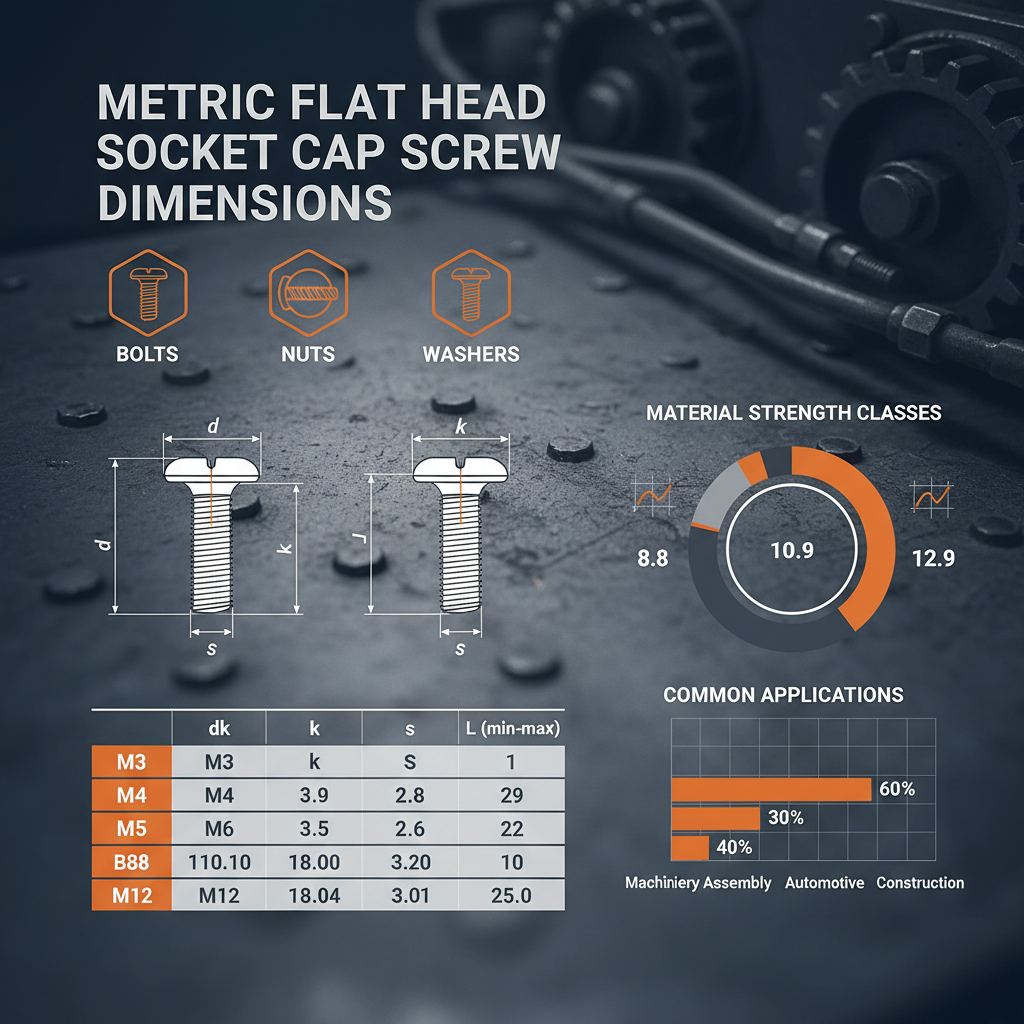
The following table provides common dimensions for metric flat head socket cap screws. Note that these are general guidelines, and slight variations may occur depending on the manufacturer and specific standard (e.g., DIN 912, ISO 7045).
Material Considerations for Flat Head Socket Cap Screws
The material of a flat head socket cap screw significantly impacts its strength, corrosion resistance, and suitability for specific environments. Common materials include:
- Stainless Steel: Excellent corrosion resistance, ideal for outdoor and marine applications.
- Carbon Steel: High strength and hardness, commonly used for general-purpose applications. Often coated for corrosion protection.
- Alloy Steel: Offers enhanced strength, toughness, and wear resistance compared to carbon steel.
- Brass: Good corrosion resistance and conductivity, suitable for electrical applications.
Choosing the right material is crucial for ensuring the longevity and reliability of the fastening assembly.
Standards and Compliance: DIN 912 and ISO 7045
Flat head socket cap screws are typically manufactured to either DIN 912 or ISO 7045 standards. These standards define the dimensions, materials, and mechanical properties of the screws, ensuring interchangeability and quality control. Adhering to these standards is vital for ensuring a consistent and reliable fastening solution. Fastenboen guarantees compliance with industry standards in all its products.
Conclusion: Mastering Metric Flat Head Socket Cap Screw Dimensions
Understanding flat head socket cap screw dimensions metric is vital for engineers, designers, and procurement professionals. By considering the dimensions, materials, and standards outlined in this guide, you can select the optimal fasteners for your applications, ensuring secure, reliable, and aesthetically pleasing results.
Frequently Asked Questions (FAQs)
What is the difference between DIN 912 and ISO 7045?
While both DIN 912 and ISO 7045 specify dimensions for flat head socket cap screws, there can be slight variations in tolerances and material specifications. Generally, ISO 7045 is considered a more modern and internationally recognized standard. However, DIN 912 remains widely used, especially in Europe. The key is to ensure that all components within an assembly adhere to the same standard for compatibility.
What torque should I apply to a metric flat head socket cap screw?
The appropriate torque depends on the screw’s size, material, and the materials being joined. Over-tightening can strip the threads or damage the screw head, while under-tightening can result in a loose connection. Torque specifications are typically provided by the screw manufacturer or can be found in engineering handbooks. Always use a calibrated torque wrench to ensure accurate tightening.
How do I determine the correct head height (k) for my application?
The head height (k) determines how flush the screw will sit with the surface. If a completely flush finish is required, choose a screw with a head height slightly less than the countersink depth in the mating part. If a small dome is acceptable, a standard head height will suffice. It is always advisable to test the screw in a sample assembly to confirm proper seating before full-scale production.
Who We Are: The Right Fastener Partner for Global SMEs
Handan Boen Fastener Manufacturing Co., Ltd. (Est. 2010) specializes in producing standardized industrial fasteners, including bolts, nuts, washers, and other essential components. We provide cost-effective for small and medium-sized buyers in industries such as automotive parts, agricultural machinery, and construction.